Published: 20 July 2026 | The English Chronicle Desk | The English Chronicle Online
The cost of dropping passengers off at airports across the United Kingdom has increased sharply, with new research indicating that average drop-off fees have risen by around one-third in recent years.
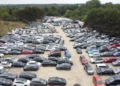
The analysis highlights how motorists are paying significantly more for the convenience of briefly stopping outside airport terminals, with several of the country’s busiest airports now charging record amounts for short visits.
Consumer groups say the rising fees are adding to the overall cost of air travel at a time when many households are already facing financial pressure from higher transport and holiday expenses.
According to the latest research, the average cost of using designated drop-off zones has increased considerably across UK airports.
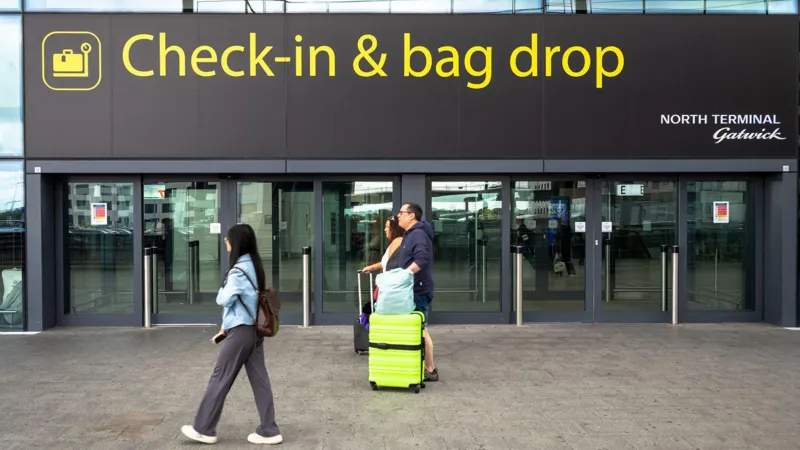
Many airports now charge motorists several pounds for stopping for only a few minutes, with additional penalties imposed on drivers who exceed the permitted time.
Researchers found that the average increase over recent years amounts to approximately one-third, reflecting a broader trend of rising airport service charges.
Some airports have introduced automatic number plate recognition systems to enforce payment and monitor vehicles entering drop-off areas.

The study identified significant differences in charges between airports.
Several of the UK’s largest international airports now rank among the most expensive for passenger drop-offs, with motorists paying some of the highest fees for only a brief stop outside terminals.
Smaller regional airports often charge lower amounts or provide longer free waiting periods, although many have also increased prices in recent years.
The growing variation means travellers are encouraged to check airport policies before beginning their journey.
Airport operators say drop-off charges help manage traffic congestion around terminal buildings while encouraging greater use of public transport.
Officials argue that unrestricted vehicle access can lead to overcrowding, increased emissions and delays during busy travel periods.
Revenue generated from the charges may also contribute to maintaining airport infrastructure, security and traffic management systems.
Many airports have expanded alternative transport options, including shuttle buses and designated free parking areas located further from terminals.
Consumer organisations have criticised the continuing rise in airport drop-off fees.
They argue that many families have little choice but to drive relatives to airports, particularly where public transport connections are limited.
Critics say the additional charges disproportionately affect elderly passengers, families travelling with children and people carrying heavy luggage.
Some campaigners have called for greater transparency regarding how airports determine pricing.
Travel experts note that airport drop-off fees have become another expense that passengers increasingly need to consider when budgeting for holidays or business trips.
In addition to airline tickets, travellers often face charges for baggage, parking, seat selection and airport transport.
For larger families or frequent flyers, these additional costs can quickly accumulate.
Financial advisers recommend comparing transport options before travelling to minimise overall expenses.
Many airports provide alternatives for passengers seeking to avoid drop-off charges.
Some operate free or lower-cost parking areas located a short distance from terminals, connected by shuttle buses or pedestrian routes.
Public transport, including trains, buses and coaches, may also provide convenient access depending on the airport.
Ride-sharing services and taxis remain popular options, although their costs have also increased in many areas.
Most major UK airports now rely on automated camera systems to monitor vehicles entering drop-off zones.
Automatic number plate recognition technology records arrival and departure times, allowing operators to identify vehicles that remain beyond the permitted period.
Drivers who fail to pay within specified deadlines may receive penalty notices.
Airport operators say the systems improve efficiency while reducing traffic congestion.
Airport representatives maintain that pricing reflects the operational costs associated with managing busy terminal areas.
They argue that controlled drop-off zones improve traffic flow, enhance passenger safety and reduce unnecessary vehicle movements.

Many airports also point to investments in sustainable transport initiatives designed to reduce carbon emissions.
Officials say encouraging public transport remains an important environmental objective.
As passenger numbers continue recovering and airports invest in expanded facilities, transport policies are likely to remain under close public scrutiny.
Consumer advocates are expected to continue pressing for greater transparency and more affordable access, while airport operators balance commercial pressures with traffic management responsibilities.
For travellers, the latest research serves as another reminder that the total cost of flying extends well beyond the price of an airline ticket.
Checking airport drop-off policies, considering alternative transport options and planning journeys carefully may help passengers avoid unexpected costs before even entering the departure terminal.
Related News:
 Jet2 Hands Passengers Life Ban After Mid‑Air Brawl
 Storm Hernando: Edinburgh Airport Flights Cancelled in US Travel Chaos
 easyJet Edinburgh Flight Diverts to Manchester After Mid‑Air Emergency
 From “Rockets” to “Feathers”: Why UK Pump Prices Are Stuck in High Gear This May
 The £3,000 License: Learners “Held Hostage” by Cancelled Tests and Shifting Goalposts
 The “Final Fence”: A Guide to Navigating the 2026 Badminton Horse Trials
 What Happened to Bathroom Doors in Hotels?
 Royal Mail Blames Poor Weather and Sickness for Delayed Deliveries
 Dual Nationals Face Scramble for UK Passports as New Rules Come Into Force
 Sharron Davies Blames ‘Poor’ Motorway Sign for Speeding
 UK-Bound Jet2 Flight from Spain Declares Mid-Air Emergency Over English Channel
 Bumper Ski Season but Avalanches Threaten Scotland’s Snowy Hills
 Powerful Winter Storm Slams US Northeast; NYC Travel Ban
 Victorian Bridge Could Be Saved by Traffic Ban
 Luxury Airbnb Cabins With Hot Tubs Must Be Demolished After Planning Ruling
 UK’s New Travel System: What It Is and How Dual Nationals Are Impacted
 Rolling Hills and Heritage: A Car-Free Break in Leicestershire

 Mayor Spends £20m to Encourage More Bus Trips
 Islanders Advised on Travel to Middle East Amid Escalation
 UK Government’s First Repatriation Flight to Leave Middle East, More Planned
 Residents Say Hostility and Car Damage Now Routine Amid Birmingham’s Parking Chaos
 Drivers Warned to Cut Journeys as Fuel Prices Surge
 Glasgow Central Fire Sparks Days of Disruption
 Air India Express Plane Damaged in Chaotic Landing at Phuket Airport
 Courier Firm Bust After 14 Years as Evri Deliveries Face ‘Temporary Disruption’
 Glasgow Central’s Upper Level Shut All Week After Union Street Fire
 Travel Chaos on M8 and M74 Amid 70 mph Gales as Trains Also Cancelled
 Fuel Costs Are Rising — Drivers on the Frontline of the Price Surge
 Rare Glimpse of Historic Bridge Thanks to Low Tide
 Couple’s Two-Year Battle Over Lost Ryanair Suitcase
 Glasgow Central to Reopen After Union Street Fire
 Lorry Overturns on A1 in East Lothian, Two Injured
 Greater Manchester Expands Night Bus Network Across Boroughs
 Glasgow Central Set for Full Reopening After Fire
 UK Aviation Watchdog Clips Heathrow’s Fee Hike Wings
 ‘The Family Holiday Tax’: Reform UK Vows to Scrap Air Duty for Short-Haul Trips
 EU Biometric Border Checks Delayed for UK Travellers
 Storm Dave Disrupts Travel but Conditions Set to Ease
 Storm Dave Disrupts Road and Rail Travel as Conditions Begin to Ease
 Blue Badge Permits Now Held by 1 in 15 Adults in England
 Two Centuries of Steam: The Museum Train Embarking on a Bicentennial Journey
 Echoes of the Iron Horse: Exhibition Train Marks 200 Years of Rail
 Legacy of the Landscape: Vicar’s Gift Secures Future of South West Coast Path
 Paws on the Wheel: Driver Facing Fine After Dog Photographed on Lap
 The Autonomous Frontier: Northern Ireland Group Secures ‘Seismic’ Grant for Self-Driving Buses
 Anchors Aweigh: Historic Ferry Service Enters Voluntary Liquidation
 The Lithium Inferno: Lorry Loaded with Batteries Engulfs Major Motorway
 The East Peckham Tragedy: Third Victim Succumbs After Fatal Pony and Trap Crash
 Heroism on the Platform: Strangers Save Youth After Seizure on Train Tracks
 Beyond the Blue Sign: Guests Expose Widespread Safety Failings Across UK Hotels
 Grounded by Red Tape: Salford Woman Left in Tears After E-Visa Confusion
 The 190p Barrier: Why UK Diesel Prices Are Shattering Records (Again)
 ‘Unviable and Unfair’: Private Hire Drivers Warn New 2026 Rules Will Decimate Local Trade
 ‘The Flyover Returns’: A40 Westway Reopens Overnight Following Month-Long Gridlock
 ‘The £100,000 Hammer’: War in Iran Forces UK Businesses to Absorb Historic Fuel Hikes
 Rare ‘Nails in Wood’ Discovery Revealed as Ancient Marine Crocodile
 Chaos on the A338: Herd of Loose Horses Halts Traffic Near Bournemouth
 “A Summer of Consolidation”: Government Triggers Emergency Flight Rules as Jet Fuel Crisis Looms
 “The Window-Seat Office”: Working Life on the ‘Most Scenic Railway Line in the World’
 Cambridge South Signals New Era for British Rail Travel
 “The London Lockdown”: Tube Strikes and Engineering Works Create a Transport Perfect Storm Across the UK
 Co-Housing Grows as People Battle Loneliness
 Bars and Hotels Struggle to Hire Staff
 Two Major Torridge Projects Approved
 Dad Receives Baby Magazine 19 Years After Ordering
 The 50-Mile Bus Journey to a Doctor Just Four Miles Away
 Aurigny Flight Makes Emergency Landing After Mid-Air Incident
 Sinkhole Outside Chip Shop “Has Cut Trade in Half”, Owner Says
 Cancelled Cornwall Event Leaves Traders Facing Heavy Losses
 Extra £174m Set Aside as Costs Rise on Lower Thames Crossing Project
 Speaker Says Civil Servants Should Repay Costs for Using Electric Vehicle Chargers
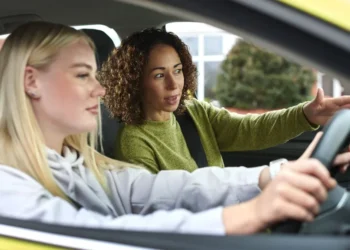 Driving Test Booking Rules Tightened After Surge in No-Shows and Cancellations
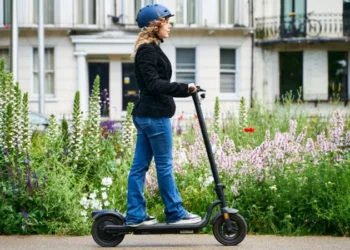 E-Scooters Marketed for Daily Commuting Despite Restrictions on UK Roads
 Herd of Cows on Railway Causes Hours of Delays on Major UK Train Route
 Catherine Shares Emotional Family Reunion After Three Peaks Challenge
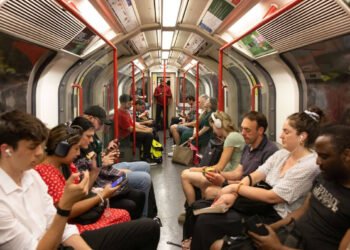 London Tube Heat Reaches Dangerous Levels
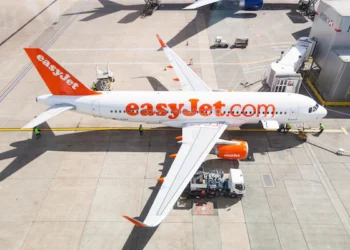 EasyJet Takeover Sparks Fears Over Passengers’ Future