Published: 12 September 2026. The English Chronicle Desk. The English Chronicle Online.
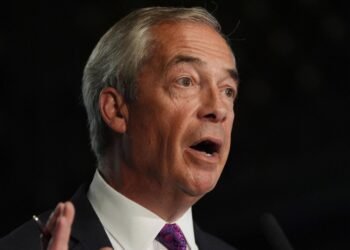
Reform UK has received a record £36 million political donation from British cryptocurrency billionaire Ben Delo, placing the businessman at the centre of an increasingly intense debate over the influence of wealthy individuals on British politics and the rules governing political funding.
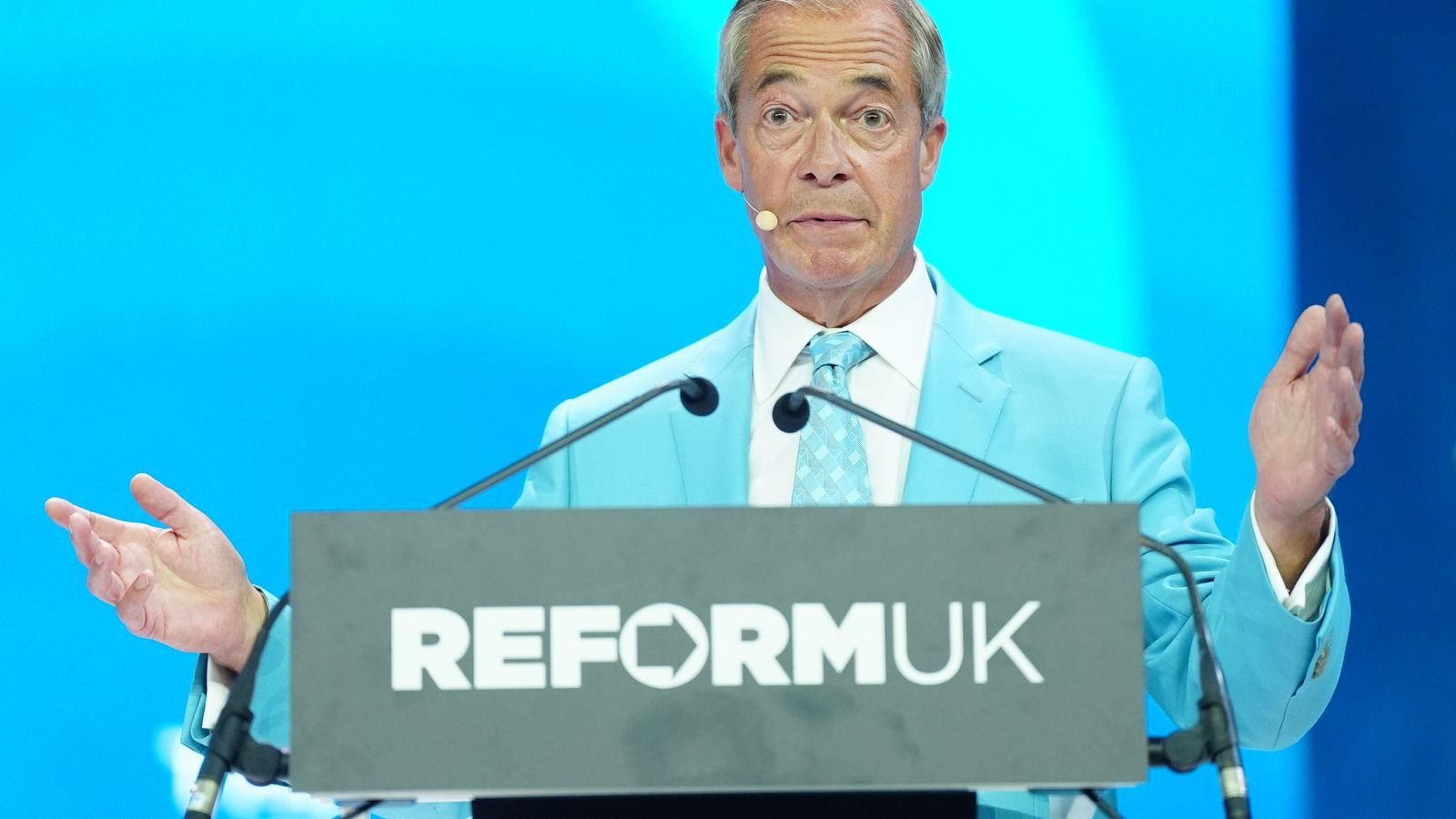
The donation is understood to be the largest single contribution ever made to a British political party by an individual donor. It represents a major financial boost for Reform UK and its leader Nigel Farage, whose party has increasingly relied on large private donations as it seeks to strengthen its political organisation and prepare for the next general election.
Delo, a British businessman who has returned to the UK after spending time in Hong Kong, has become by far the largest political donor in Britain following the latest contribution. His donation substantially exceeds the £15 million previously given to Reform UK by Thailand-based businessman Christopher Harborne, another major financial backer of the party.
The scale of the contribution comes at a particularly significant moment for Reform UK. The party is already facing scrutiny over political funding, including a police investigation into allegations concerning overseas donations and a separate standards inquiry relating to an undeclared £5 million personal gift involving Harborne.

The arrival of Delo’s enormous contribution has therefore intensified questions about how Britain’s political financing system deals with extremely wealthy donors and whether existing safeguards are sufficient to prevent individuals from gaining disproportionate influence over national politics.
Delo’s eligibility to make such a large donation had previously been the subject of discussion because of rules governing donations from people who have recently returned to Britain after living abroad. Electoral rules restrict certain large political contributions from individuals who have not been resident in the UK for the required period. Reform UK had previously indicated that it was confident Delo would not be required to return money because of those restrictions.
The businessman has already donated millions of pounds to Reform UK since the beginning of the year. His latest contribution dramatically increases the financial relationship between the billionaire and Farage’s party and highlights the growing importance of mega-donors in British electoral politics.
Delo is also a controversial figure because of his previous legal problems in the United States. In 2022, he was convicted after failing to maintain adequate anti-money-laundering controls at BitMEX, the cryptocurrency trading platform he helped establish. The company became one of the world’s major cryptocurrency derivatives exchanges, handling transactions worth enormous sums.
Delo later received a presidential pardon from Donald Trump. In his own public explanation of the case, the businessman described the matter as a regulatory failure and contrasted the US legal framework with the position he believed would have applied in Britain.
His political involvement has expanded significantly since then. In an article published earlier this year, Delo explained why he had become increasingly attracted to Reform UK and argued that Britain faced serious problems caused by what he described as entrenched attitudes among political and cultural elites.
He has portrayed England as his home and said he had become politically active because he believed the country needed significant national recovery. His comments have reflected strong concerns about government policy, public debate and what he considers restrictions on free expression.
Delo has also described himself as a supporter of free speech and has said that he supports organisations and individuals across different parts of Britain’s political and public spectrum. His political activities have not been limited exclusively to Reform UK, although the size of his latest contribution makes his support for Farage’s party particularly significant.
His activities have previously attracted attention because of the political network surrounding a base near Westminster Abbey from which he has supported a wide range of organisations and individuals. That network has included figures from the political right as well as people and groups outside traditional party structures.
Among those connected to his wider political activities have been Rupert Lowe, a politician known for his strong anti-migration views and his political differences with Farage, as well as more mainstream Conservative figures including party leader Kemi Badenoch and former cabinet minister Michael Gove.
Delo’s representatives have previously stressed that providing financial assistance, office space or other forms of support to organisations with different political positions should not automatically be interpreted as an endorsement of every opinion expressed by those groups or individuals.
Nevertheless, the £36 million donation has revived a broader political argument over whether Britain’s existing rules allow extremely wealthy individuals to exercise too much influence over parties and elections.
The issue of political donation limits has already become increasingly contentious in Westminster. Some Labour politicians have argued that there should be a ceiling on the amount an individual can donate to a political party, particularly as the cost and scale of major political contributions have increased.
Labour MP Stella Creasy, who has been campaigning for restrictions on political donations, argued that the latest contribution demonstrated why action was necessary. She warned that exceptionally large donations could distort the political environment ahead of the next election and called for Parliament to establish a clear limit on political contributions.
The debate has become complicated by the fact that senior political figures have previously expressed reservations about imposing a universal donation cap. Prime Minister Keir Starmer has been cautious about supporting a blanket limit, while Greater Manchester Mayor Andy Burnham has also moved away from earlier support for such a measure.
The government has nevertheless indicated that it is examining possible ways to address concerns about mega-donations. The central question is whether the existing system can maintain public confidence when individual donors possess the financial resources to contribute sums comparable to, or even greater than, the campaign expenditure of major political parties.
For Reform UK, however, the donation represents an extraordinary opportunity. Farage has positioned the party as an alternative to Britain’s established political forces and has sought to transform its electoral support into a sustained national political organisation.
The party’s growing financial resources could enable it to expand campaigning, strengthen its communications operation, increase its presence in constituencies and prepare for a much larger electoral contest. A donation of £36 million provides a level of financial capacity that few political organisations in Britain can easily match.
Farage welcomed Delo’s contribution and described himself as honoured by the billionaire’s confidence in Reform UK. He argued that his party was capable of reversing what he regards as Britain’s long-term decline and presenting a fundamentally different political direction.
The donation is likely to become part of the wider political debate over Reform UK’s ambitions and the role of private wealth in British democracy. Critics are expected to question whether such enormous contributions give wealthy individuals an influence that ordinary voters cannot realistically exercise, while Reform supporters are likely to argue that donors should be free to support the political movement they believe represents their views, provided the donations comply with the law.

The controversy also comes as Britain prepares for an increasingly competitive political environment in which traditional party loyalties have weakened and emerging political movements are attempting to reshape the electoral landscape.
For Delo, the contribution marks a dramatic escalation in his political engagement. For Reform UK, it provides an unprecedented financial injection at a crucial stage of its development. For Britain’s political system, meanwhile, it raises a fundamental question about the balance between legitimate political participation and the concentration of influence in the hands of a small number of extremely wealthy individuals.
As Parliament considers possible reforms to political funding rules, the record donation is likely to remain a prominent example in arguments on both sides. Supporters of tighter restrictions will see it as evidence that Britain needs stronger safeguards against excessive financial influence, while opponents of donation caps may regard it as a legitimate exercise of political freedom by a wealthy citizen.
Either way, the £36 million contribution has placed Reform UK, Ben Delo and Britain’s political donation system firmly under the national spotlight. With the next election already shaping political strategy across Westminster, the debate over who can fund political parties, how much they can give and how much influence money should buy is set to become increasingly important.
Related News:
 Patriot Platform Raises Concern Across Britain
 Undercover officer deceived women with ‘grotesque and cruel’ lies, spycops inquiry told
 Richard Tice Faces £100k Tax Controversy
 UK may ban protests amid rising antisemitism fears
 City & Guilds Faces Governance Crisis Over Sale
 Barrister Criticises Trial After Suicide Case Verdict
 Immigration Judges Fear Pressure in Trump Era
 Murder Probe Continues After Arrest Release
 Westminster Council Threatens Charing Cross Soup Kitchen
 BBC Warned About Missing Clothes of Murder Victim
 Cambridge Professor Jason Arday Found Dead at Home
 RAF Barnham Protests Fuel Tensions in Norfolk Town
 Internal Exclusions Surge in England’s Schools
 Reform Faces Fresh Financial Controversy
 Ministers Condemn Far-Right Unrest in Portsmouth
 Councils spend £125m on illegal children’s care
 Phillipson urges careful review of gender recognition guidance
 French Taxi Driver Cleared in David Lammy Theft Case After Fare Dispute
 Met Police Culture Makes Racial Harm ‘Inevitable’
 Remaining rebel Labour MPs have whip restored
 Palace to reinstate hyphen in Andrew’s surname
 Major Rent Reform Ends No-Fault Evictions in England
 Peers Flood Assisted Dying Bill with 942 Amendments
 UK Unveils Fast-Track Deportation and Asylum Overhaul
 UK Asylum Overhaul Sparks Debate Over Human Rights and Deportations
 UK Asylum Reforms: Temporary Refugee Status and Faster Deportations
 Mahmood Defends Tough Overhaul of UK Asylum System
 Westminster Advances Legacy Bill Amid Criticism
 Minister Defends Tough New Asylum Reform Plan
 Peers Get Extra Time to Debate Assisted Dying Bill
 Tim Walz urges Trump to withdraw federal agents immediately
 UK and EU Signal Fresh Push for Defence Cooperation Talks
 Civil Service Pay: Union Urges Ministers to End ‘Barking Mad’ Limits
 Proposed Law Leaves Gap for Children of Convicted Paedophiles
 Farage Faces Backlash Over Crypto Cameo Endorsements
 UK Banks Maintain £100 Contactless Limit Despite FCA Rule Change
 Starmer Defends Workers’ Rights Amid Rising Green Threat
 Prevent Failings Exposed After Southport Attack
 Kezia Dugdale Warns of Possible Reversal of Equal Rights Gains
 Synagogue Arson Attempt Sparks Security Fears
 City & Guilds Sale Sparks Fees and Pay Uproar
 MoD Has Lost Track of Veteran Recall List, Says Adviser
 NHS Safety Fears as Nurses Cover Doctor Gaps
 Crackdown Backfires on UK Climate Protesters
 Two Children Die in Wolverhampton House Fire Tragedy
 Reform UK funding: mystery billionaire revealed
 US Court Weighs Fate of TPS for Migrants
 John Terry Faces Backlash Over Political Posts
 Cartel crackdown raises fears of fresh violence
 US states redraw maps after voting rights ruling
 BBC News Faces Deep Cuts in 2,000 Job Plan
 Greens Face Internal Row Over Antisemitism Claims
 Florida Surgeon ‘Devastated’ Over Fatal Surgery Error
 Labour Members Turn Against Starmer Leadership
 Britons Build Emergency Supplies Amid Rising Fears
 Reeves Fights to Keep Treasury Role Amid Labour Turmoil
 Farage and Reform UK Reshape British Politics
 Starmer Leadership Under Pressure After Setbacks
 UK Nations Brace for Potential Breakup Amid Reform Surge
 Le Pen’s Popularity Holds Despite Conviction
 Labour MPs Urge Burnham to Revive UK Aid Target
 Trump Refuses to Sign Housing Bill, But Law Takes Effect
 Three-Quarters of England’s Riverbanks Still Off Limits
 Trump Orders Signs Criticising Smithsonian Museum
 Is America Ready for an AOC Presidential Run?
 Burnham unveils £65m drought aid for farmers
 Unions Warn Labour Over Zero-Hours Contract Reforms
 Ghent Professors Questioned Cofnas Appointment
 UK Households Could Save £173 on Fixed Energy Deals
 British Museum Faces Questions Over Peter Thiel’s Private Bayeux Viewing
 Green Leader Targets Starmer’s Former Seat
 UK Subsidence Claims Surge After Record-Breaking Summer
 Masked Protesters Bring Dover Port Traffic to Standstill
 UN expert urges UK to rethink Israel policy
 UK House Prices Fall as Mortgage Rates Rise
 UK plans tougher Israel stance with settlement trade ban
 Trump gives $45,000 holiday gifts to White House aides
 Europe’s democracies face a growing far-right threat
 New Mexico Takes Facebook to Trial Over Data Scandal
 Pavlohrad Strike Kills Five, Injures 67