Published: 19 November 2025 Wednesday . The English Chronicle Desk. The English Chronicle Online
A County Antrim GP has voiced deep concern for women in Northern Ireland who face delays in receiving breast cancer treatment, following reports of late diagnoses affecting several patients in her practice. The revelations come amid growing scrutiny over the functioning of the region’s new regional breast cancer service, with doctors and patients alike describing the experience as “traumatic” and “emotionally draining.”
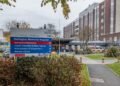
Dr Jilly O’Hagan, who works at the Notting Hill Medical Practice in the Northern Trust area, told BBC News NI that three women in her surgery were diagnosed with cancer only after experiencing prolonged delays in accessing specialist care. These patients were among 32 women at the practice who were red-flagged within a five-month period this year. Red-flagging is the urgent referral system intended to prioritise patients with suspected cancer for rapid diagnosis and treatment.
The three women affected had to wait more than eight weeks to be seen by a consultant, while nine others were still awaiting appointments at the time of reporting, one of whom had been waiting more than ten weeks. “The wait is traumatic,” Dr O’Hagan said, underlining the emotional strain that comes with uncertainty about a potential cancer diagnosis.
One patient described her experience as being trapped “in limbo” for months, saying she “just wants the cancer out.” After being informed that there were more than 80,000 women ahead of her on the waiting list, she opted to pay for a private diagnosis, which confirmed she had stage two breast cancer. The patient expressed her anger at the delay, noting the severe mental and physical strain it had caused.

Dr O’Hagan emphasised that such failings were not being reported in England, Scotland, or Wales and questioned why women in Northern Ireland were receiving a substandard service. “The new regional breast cancer service is not functioning – there is a bottleneck, they are not meeting the targets for women who are red-flagged,” she said. “It never used to be like this. It’s not working.”
The shortcomings of the system were further highlighted by the case of a woman from the Southern Trust area who was diagnosed with stage four breast cancer after repeated delays and miscommunications between multiple health trusts. In her early 40s, the patient described herself as an “emotional wreck,” noting that the various health trusts had delivered conflicting outcomes, adding to the trauma of her diagnosis.
Her ordeal began in June, when she first noticed what she described as a “pull” under her armpit. It took two weeks before she could get an appointment with her GP, who, upon examination, found a “pea-sized” lump and red-flagged her in early July. With a family history of breast cancer, the woman had undergone annual mammograms, all of which had previously returned clear results.
Following the red-flagging, her journey through the healthcare system was marred by confusion. She received communication from Craigavon Area Hospital but was subsequently referred to the Ulster Hospital, located in a different health trust, causing delays and frustration. The lump continued to grow, and her breast became red and swollen, compounding the stress she faced.
Almost ten weeks after her initial GP appointment, she was diagnosed with stage four breast cancer in August and began chemotherapy at the end of October. “It’s been horrific, and my family and I are emotional wrecks,” she said, highlighting the personal toll that prolonged delays can have on patients and their families. Her experience prompted her to write directly to the health minister, calling for urgent attention to the issue.
Dr O’Hagan and other healthcare professionals have pointed to systemic issues in Northern Ireland’s breast cancer service, arguing that the current structure is failing to meet the needs of patients. While red-flagged referrals are intended to ensure rapid diagnosis and treatment, delays in accessing consultants and diagnostic tests have left patients in prolonged uncertainty, which can exacerbate the severity of the disease and increase anxiety.

Health officials in Northern Ireland have acknowledged pressures on the system, citing workforce shortages, high demand, and the logistical challenges of coordinating care across multiple health trusts. However, critics argue that these explanations do not justify the repeated failures in meeting critical red-flagged targets, particularly when other parts of the UK are reportedly managing timely cancer care.
The consequences of delayed diagnosis are profound. Medical research shows that earlier detection of breast cancer significantly improves survival rates, while delays can lead to more advanced disease at the time of diagnosis, requiring more aggressive treatment and carrying higher risks for patients. Delays also have a psychological impact, as patients endure prolonged periods of uncertainty and fear.
The Southern Trust patient’s story illustrates this point vividly. Her initial concerns were ignored due to procedural delays, and miscommunication between hospitals further compounded the issue. The lack of a seamless, coordinated approach meant that what could have been an early-stage diagnosis escalated to a late-stage one, dramatically affecting both treatment options and prognosis.
Experts warn that the Northern Ireland system must urgently address structural inefficiencies and enhance coordination across trusts. This includes implementing clear referral pathways, reducing waiting times for red-flagged patients, and ensuring consistent communication between hospitals, consultants, and primary care providers.
Patient advocacy groups have also called for greater transparency and accountability in the system. Many are urging the health minister to conduct a full review of the regional breast cancer service, with an emphasis on ensuring equitable access, timely diagnosis, and adequate support for women navigating the complex healthcare system.
For the women affected, the impact is not only physical but profoundly emotional. Patients describe feelings of frustration, fear, and helplessness as they wait for critical medical interventions. Families, too, are deeply affected, often providing support while struggling to manage the anxiety and stress associated with delayed care.
“The trauma of waiting, not knowing whether you have cancer, and then finally receiving a diagnosis at an advanced stage is almost indescribable,” Dr O’Hagan said. “It is not just a medical issue, it’s a human issue, and it affects the entire family.”

While Northern Ireland has taken steps to improve cancer care, including the creation of the new regional service, the experiences reported by patients indicate that further action is urgently needed. Ensuring that red-flagged patients are prioritised, reducing waiting lists, and creating a more integrated system across health trusts are seen as crucial steps in restoring confidence in the service.
The cases highlighted in Notting Hill Medical Practice and the Southern Trust area have become emblematic of a wider crisis. They underscore the need for structural reforms, adequate funding, and workforce support to meet the growing demand for cancer care. Without such measures, patients risk facing unnecessary delays that could compromise outcomes and diminish trust in the healthcare system.
Northern Ireland’s health authorities have committed to reviewing waiting times and prioritising urgent referrals, but patients and medical professionals continue to call for concrete, measurable improvements. For women awaiting a diagnosis, every day matters, and the need for a functional, responsive system is clear.
As Dr O’Hagan and others advocate for change, the central message is that delays in breast cancer diagnosis are not merely administrative issues—they are matters of life and death. Ensuring timely, coordinated, and compassionate care for all women must be a priority, both to save lives and to alleviate the emotional toll on patients and families alike.
Related News:
 Mother dies after black market weight loss injection
 Young Woman Missed 13 Times by GPs Before Bowel Cancer Diagnosis
 Hospice Cuts Raise Alarm Across England Amid Funding Crisis
 Experts Warn on Home Birth Risks, Call for Skilled Midwives
 Experts Urge Legal Right to Timely Cancer Care
 NHS Takes Over Nuffield Hospital in ‘Windfall’ for London Care
 North Sea oil workers must lose weight or face job loss
 Crisis charity to become landlord amid UK housing emergency
 No link found between paracetamol in pregnancy and autism
 UK Disability Pay Gap Means Millions Work for Free From Today
 Shouting Works Best to Deter Gulls, UK Study Finds
 Reeves rejects £1bn plea for NHS redundancy payouts
 NHS trust fined after woman takes life in mental health unit
 Leading doctors issue warning amid ‘bad’ flu season
 New Campaign Trains Vets to Spot Farmers’ Health Risks
 Coffins Now Too Large to Cremate Amid Rising Obesity Crisis
 David Cameron Reveals Prostate Cancer Diagnosis, Advocates Screening
 Five-Year-Old Dies After Rare Tonsil Surgery Complication
 Fibromyalgia Patients Struggle as NHS Fails to Provide Care
 More Patients Now Contacting GPs Online, Data Shows
 The Ketamine Crisis in the UK is a Silent Epidemic Leaving Users with Lifelong Pain
 Woman Warned She Might Need Leg Amputation to Survive After Liquid Brazilian Butt Lift
 Alarming rise in abusive teen relationships in the UK sparks urgent warnings
 Inquest Finds Agency Worker Failings Led to Unlawful Death of Vulnerable 14-Year-Old
 Shocking Rise in Children’s Exposure to Violent Online Pornography Raises Alarm
 Why E-Bikes and E-Scooters Are Making Streets a ‘Nightmare’ for Blind People
 Norfolk Hospital Ranked Worst in England as NHS League Tables Return
 More Than Half of UK Births Now Involve Medical Intervention
 One in Three GPs in England Do Not Work in NHS, Raising Concerns Over Access to Care
 UK Doctors Guilty of Sexual Misconduct Continue Practising Amid Weak Sanctions, Research Finds
 Heavy Drinkers Lead Growth in Non-Alcoholic and Low-Alcohol Market
 Starmer Unveils Plan for NHS “Online Hospital” to Tackle Waiting Lists
 Women Challenge Meta Over Targeted Ads After Miscarriage
 Mum’s Final Wish: Donating Her Body to Science
 £18 Prostate Cancer Test Could Save Thousands of Lives
Pregnant Women in England Face Rising Risk of Severe Birth Injury
£18 Prostate Cancer Test Could Save Thousands of Lives
Pregnant Women in England Face Rising Risk of Severe Birth Injury
 One in 12 Secondary Pupils Sent to Isolation Weekly
 M&S and Morrisons Lead Christmas Supermarket Taste Test
 UK Health Leaders Push for Urgent Tobacco & Vape Bill
 Peterborough Mosques Tighten Security After Attack
 UK Woman Loses Child Benefit After Booking Flight She Never Took
 Celebrities and Charities Demand UK Government Act on Child Poverty
 UK launches search for first-ever ‘town of culture’ to highlight overlooked areas
 Children to Learn Local History in Major Curriculum Overhaul
 The Lowry Hotel: Manchester’s Iconic Five-Star Retreat
 Prince William Plants Trees with Brazil’s Nature Heroes
 Greta Thunberg Backs Student Facing UK Visa Revocation
 Kent village told to remove flags before Christmas lights go up
 Patients to Test Health at Home to Ease NHS Winter Pressure
 London’s Childlessness Crisis: Schools Closing as Families Shrink
 Newcastle United Lifts Ban on Fan Over Gender-Critical Views
 Jailed UK climate protesters face extremist-style restrictions
 How to get help when a child goes missing – call 999 urgently
 ‘Reckless’ cuts to victims’ services will cost more than they save
 Seven Conditions That Automatically Qualify You for a Free Bus Pass
 UK toy market enjoys bumper year as ‘kidults’ fuel demand
 Politics latest: Starmer ‘will fight any leadership coup’ as Streeting denies attempt to oust Labour PM
 PM Condemns Leaks, Vows Loyalty to Ministers and Stability
 Son Reveals UK Couple in Iran Resort to Hunger Strike for Help
 Working-Class Men with Prostate Cancer Left Behind by NHS
 Senator John Fetterman Hospitalized After Fall from Heart Flare-Up, Keeps Sense of Humor
 UK Asylum Overhaul Sparks Debate Over Human Rights and Deportations
 Mum Calls for New Licence Rules After Teen Road Death
 Stroke Patient Mistaken for Drunk, Care Delayed
 Mother Watches in Horror as Teen Daughter Dies on Tracks
 Van Dwellers Face Eviction After Park Misuse Sparks Outcry
 Commuters warned as yellow snow and ice alert hits Northern Ireland
 Healthy Habits in Your 30s That Boost Life in Your 70s
 Woman Meets Boy Whose Life She Saved with Kidney
 Kate Forbes: Motherhood Harder Than Politics
 Welsh Government Christmas 2020 Lockdown Criticised
 NHS paediatric leave parents waiting months for answers
 Labour MP claims devolution bill is ‘blatant discrimination’ against Cornwall
 Vicki Fears Losing Motability Car
 Planned Palestinian Flag Raising at Belfast City Hall Faces Delay Amid Legal Concerns
 Delhi’s Toxic Air Crisis Leaves Children Sick and Vulnerable
 Machynlleth High Street Left Without Christmas Lights
 Search underway for British man overboard off Tenerife
 “Enough is Enough”: Local MP Vows to Fight Rainham Quarry Plans
 Virgin Media Fined £23.8m Over Telecare Safety Failures