Published: 24 November 2025. The English Chronicle Desk. The English Chronicle Online.
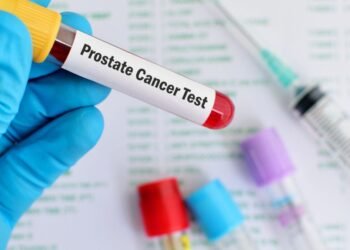
Former UK Prime Minister David Cameron has revealed that he was treated for prostate cancer and is now publicly calling for a targeted screening programme to help detect the disease earlier. Cameron, aged 59, disclosed that a routine prostate-specific antigen (PSA) test revealed elevated levels of a protein associated with prostate cancer, which led him to undergo a biopsy confirming the diagnosis.
Cameron described receiving the diagnosis as a profoundly unsettling experience, explaining that the moment the doctor uttered the words “you have prostate cancer,” he immediately felt the gravity of the situation. “You always hope for the best. You have a high PSA score – that’s probably nothing. You have an MRI scan with a few black marks on it. You think, ‘Ah, that’s probably OK.’ But when the biopsy comes back, and it says you have got prostate cancer, you always dread hearing those words,” Cameron told the Times.

The former Conservative party leader credited his wife, Samantha Cameron, for urging him to take the test, following a radio interview in which Soho House founder Nick Jones discussed his own prostate cancer diagnosis. Encouraged by this example, Cameron underwent the necessary tests, ultimately revealing that he had early-stage prostate cancer. He received focal therapy, a treatment method that targets cancer cells with electrical pulses while sparing surrounding tissue, and reported a successful recovery from the procedure.
In his public disclosure, Cameron emphasised the importance of early detection and urged the government to introduce a targeted prostate cancer screening programme for men at higher risk. He explained that men generally tend to postpone medical appointments, often avoiding discussions about their own health, which can result in cancers being detected at later stages. “I want to, as it were, come out. I want to add my name to the long list of people calling for a targeted screening programme. We need to make it easier for men to be tested and to act on their health concerns,” Cameron stated.
Prostate cancer is the most common cancer in men in the UK, with approximately 55,000 new cases diagnosed each year. Despite its prevalence, there is currently no national screening programme due to concerns over the accuracy of PSA tests and the risk of overdiagnosis. However, Cameron’s disclosure comes at a crucial moment, coinciding with the launch of the Transform Project, a major trial investigating the most effective prostate cancer screening methods. The study aims to compare these newer techniques with existing NHS diagnostic procedures, which currently rely on PSA testing and biopsies, with the goal of improving early detection and saving lives.
The Transform Project is funded in partnership between the NHS, the National Institute for Health and Care Research, which has committed £16 million, and the charity Prostate Cancer UK, which is contributing the remaining funding. Cameron highlighted that his experience demonstrates the life-saving potential of early testing and screening, particularly for men who may otherwise remain unaware of the disease until it reaches an advanced stage.
Chiara De Biase, director of health services, equity, and improvement at Prostate Cancer UK, welcomed Cameron’s announcement. “We’re glad to hear that David Cameron found his prostate cancer at an early stage and had successful treatment. His willingness to share his story is helping raise vital awareness of this disease, which is completely curable if found early. Men’s lives should not be left to chance,” she said. De Biase emphasised that in the UK alone, 12,000 men die each year from prostate cancer, making early diagnosis essential.
Cameron reflected on the emotional and psychological impact of being diagnosed with a serious illness, noting that the initial anxiety was quickly replaced by determination to take decisive action. “When the doctor first told me, you think, ‘Oh no, he’s going to say it. He’s going to say it. Oh God, he said it.’ But immediately, you understand the importance of moving quickly, listening to medical advice, and taking every opportunity to manage the disease effectively,” he explained.
Cameron’s call for targeted screening is also driven by concern for men at higher risk, including those from certain ethnic backgrounds and working-class communities. Evidence suggests that black men in the UK face a higher incidence of aggressive prostate cancer, while men from lower-income areas often experience delayed diagnosis due to fewer interactions with healthcare services. Cameron stressed that a more systematic and accessible screening programme could save thousands of lives by ensuring earlier detection and intervention.
The former prime minister resigned as the leader of the Conservative Party and MP for Witney in 2016, following the Brexit referendum. In 2023, he was appointed as foreign secretary by Prime Minister Rishi Sunak and was granted a life peerage, taking his seat in the House of Lords. He noted that public figures discussing personal health challenges can play an important role in encouraging wider awareness and responsible healthcare engagement among men, a demographic historically reluctant to seek preventative care.
The announcement also coincides with recent developments in the NHS’s approach to prostate cancer detection. The UK National Screening Committee is currently reviewing the latest evidence on screening and may announce decisions in the near future regarding the introduction of routine testing for at-risk men. Cameron believes that sharing his story publicly can create momentum for this policy change, potentially saving lives for men who might otherwise remain undiagnosed until it is too late.

Experts have praised Cameron for using his platform to raise awareness. Dr. Emma Curtis, a leading urologist, said, “Hearing public figures openly discuss prostate cancer can dramatically improve early diagnosis rates. Men are less likely to discuss their health issues, and campaigns like this can encourage more people to take action.”
Cameron concluded by reiterating his belief in the critical importance of screening and early intervention. He urged men to be proactive about their health, stressing that detection at an early stage greatly increases the chances of successful treatment. His advocacy aligns with broader public health campaigns seeking to reduce preventable deaths and ensure men are informed about the risks and symptoms of prostate cancer.
The Transform Project, NHS initiatives, and Cameron’s personal example collectively highlight the urgent need for more systematic approaches to prostate cancer detection. As discussions continue in the UK regarding the implementation of targeted screening, Cameron’s disclosure may serve as a pivotal moment in reshaping national attitudes toward men’s health and preventative care.
Related News:
 Mother dies after black market weight loss injection
 Young Woman Missed 13 Times by GPs Before Bowel Cancer Diagnosis
 Hospice Cuts Raise Alarm Across England Amid Funding Crisis
 Experts Warn on Home Birth Risks, Call for Skilled Midwives
 Experts Urge Legal Right to Timely Cancer Care
 NHS Takes Over Nuffield Hospital in ‘Windfall’ for London Care
 North Sea oil workers must lose weight or face job loss
 Crisis charity to become landlord amid UK housing emergency
 No link found between paracetamol in pregnancy and autism
 UK Disability Pay Gap Means Millions Work for Free From Today
 Shouting Works Best to Deter Gulls, UK Study Finds
 Reeves rejects £1bn plea for NHS redundancy payouts
 NHS trust fined after woman takes life in mental health unit
 Leading doctors issue warning amid ‘bad’ flu season
 New Campaign Trains Vets to Spot Farmers’ Health Risks
 ‘Traumatic Wait’: Northern Ireland Women Face Breast Cancer Delays
 Coffins Now Too Large to Cremate Amid Rising Obesity Crisis
 Five-Year-Old Dies After Rare Tonsil Surgery Complication
 Fibromyalgia Patients Struggle as NHS Fails to Provide Care
 More Patients Now Contacting GPs Online, Data Shows
 The Ketamine Crisis in the UK is a Silent Epidemic Leaving Users with Lifelong Pain
 Woman Warned She Might Need Leg Amputation to Survive After Liquid Brazilian Butt Lift
 Alarming rise in abusive teen relationships in the UK sparks urgent warnings
 Inquest Finds Agency Worker Failings Led to Unlawful Death of Vulnerable 14-Year-Old
 Shocking Rise in Children’s Exposure to Violent Online Pornography Raises Alarm
 Why E-Bikes and E-Scooters Are Making Streets a ‘Nightmare’ for Blind People
 Norfolk Hospital Ranked Worst in England as NHS League Tables Return
 More Than Half of UK Births Now Involve Medical Intervention
 One in Three GPs in England Do Not Work in NHS, Raising Concerns Over Access to Care
 UK Doctors Guilty of Sexual Misconduct Continue Practising Amid Weak Sanctions, Research Finds
 Heavy Drinkers Lead Growth in Non-Alcoholic and Low-Alcohol Market
 Starmer Unveils Plan for NHS “Online Hospital” to Tackle Waiting Lists
 Majority of UK Men Would Opt for Prostate Cancer Screening, Survey Finds
 Ambulance Worker Fired After Flinging Amputee from Wheelchair and Offering Bribe
 Women Challenge Meta Over Targeted Ads After Miscarriage
 Mum’s Final Wish: Donating Her Body to Science
 UK Woman Becomes Longest Survivor of Heart-Lung Transplant
£18 Prostate Cancer Test Could Save Thousands of Lives
Pregnant Women in England Face Rising Risk of Severe Birth Injury
UK Woman Becomes Longest Survivor of Heart-Lung Transplant
£18 Prostate Cancer Test Could Save Thousands of Lives
Pregnant Women in England Face Rising Risk of Severe Birth Injury
 One in 12 Secondary Pupils Sent to Isolation Weekly
 M&S and Morrisons Lead Christmas Supermarket Taste Test
 UK Health Leaders Push for Urgent Tobacco & Vape Bill
 Peterborough Mosques Tighten Security After Attack
 UK Woman Loses Child Benefit After Booking Flight She Never Took
 Celebrities and Charities Demand UK Government Act on Child Poverty
 UK launches search for first-ever ‘town of culture’ to highlight overlooked areas
 Children to Learn Local History in Major Curriculum Overhaul
 The Lowry Hotel: Manchester’s Iconic Five-Star Retreat
 Prince William Plants Trees with Brazil’s Nature Heroes
 Greta Thunberg Backs Student Facing UK Visa Revocation
 Kent village told to remove flags before Christmas lights go up
 Patients to Test Health at Home to Ease NHS Winter Pressure
 London’s Childlessness Crisis: Schools Closing as Families Shrink
 Newcastle United Lifts Ban on Fan Over Gender-Critical Views
 Jailed UK climate protesters face extremist-style restrictions
 How to get help when a child goes missing – call 999 urgently
 ‘Reckless’ cuts to victims’ services will cost more than they save
 UK toy market enjoys bumper year as ‘kidults’ fuel demand
 Politics latest: Starmer ‘will fight any leadership coup’ as Streeting denies attempt to oust Labour PM
 PM Condemns Leaks, Vows Loyalty to Ministers and Stability
 Son Reveals UK Couple in Iran Resort to Hunger Strike for Help
 Working-Class Men with Prostate Cancer Left Behind by NHS
 Senator John Fetterman Hospitalized After Fall from Heart Flare-Up, Keeps Sense of Humor
 Mum Calls for New Licence Rules After Teen Road Death
 Stroke Patient Mistaken for Drunk, Care Delayed
 Mother Watches in Horror as Teen Daughter Dies on Tracks
 Van Dwellers Face Eviction After Park Misuse Sparks Outcry
 Commuters warned as yellow snow and ice alert hits Northern Ireland
 Healthy Habits in Your 30s That Boost Life in Your 70s
 Woman Meets Boy Whose Life She Saved with Kidney
 Kate Forbes: Motherhood Harder Than Politics
 NHS paediatric leave parents waiting months for answers
 Labour MP claims devolution bill is ‘blatant discrimination’ against Cornwall
 Vicki Fears Losing Motability Car
 Planned Palestinian Flag Raising at Belfast City Hall Faces Delay Amid Legal Concerns
 Delhi’s Toxic Air Crisis Leaves Children Sick and Vulnerable
 Machynlleth High Street Left Without Christmas Lights
 Search underway for British man overboard off Tenerife
 “Enough is Enough”: Local MP Vows to Fight Rainham Quarry Plans
 Virgin Media Fined £23.8m Over Telecare Safety Failures