Published: 09 December 2025. The English Chronicle Desk. The English Chronicle Online.
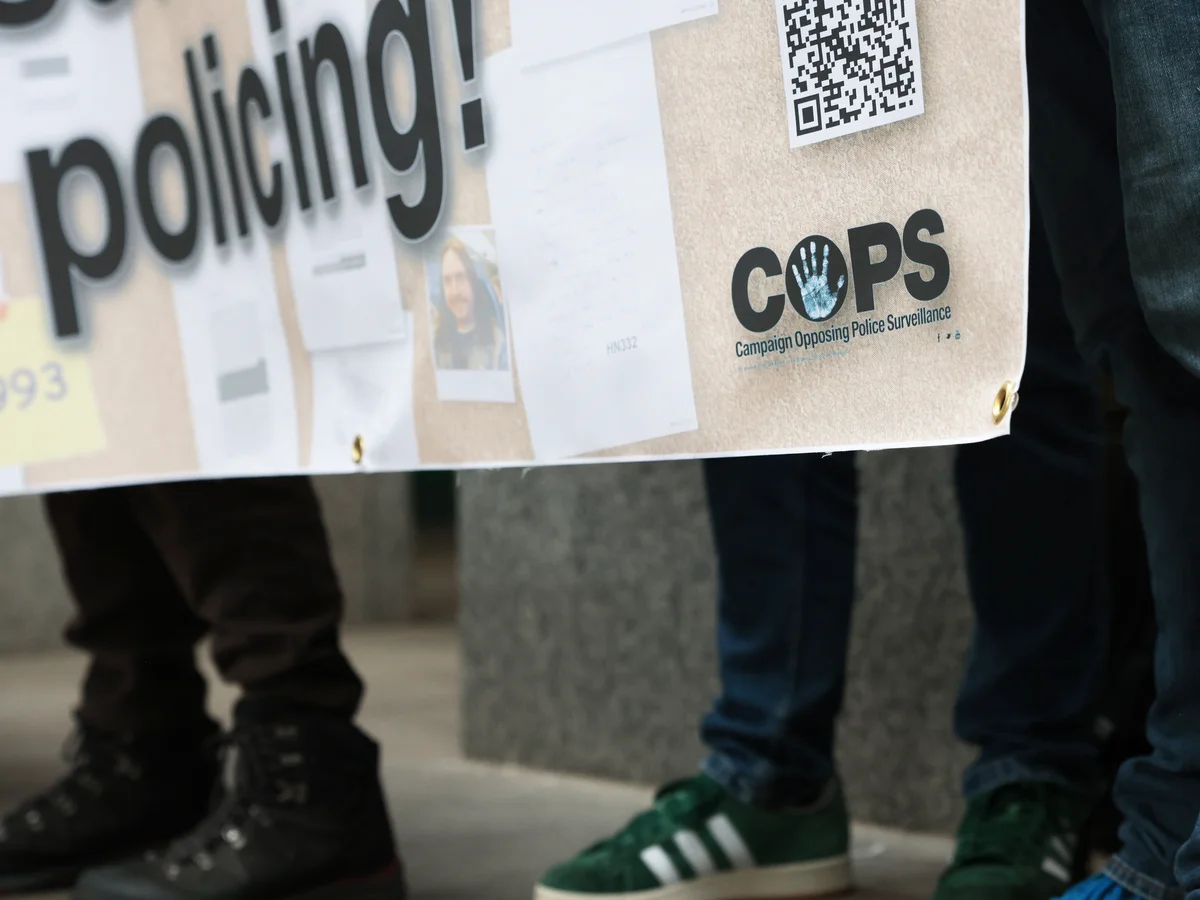
The latest hearing of the long-running spycops inquiry has brought a disturbing account to the forefront, as a woman deceived into a prolonged relationship by an undercover police officer described behaviour she believes revealed deep and troubling “sadistic tendencies.” Her testimony delivered a painful narrative about trust, manipulation and institutional failings that spanned years, leaving lasting damage and raising fresh questions about the culture surrounding covert policing in the United Kingdom. The evidence centred on her relationship with Mark Jenner, a former Special Demonstration Squad officer who infiltrated several political groups during the late 1990s and led a personal double life that remained hidden until her persistent investigation uncovered his real identity after many years.
The woman, known publicly as Alison, recounted how she met Jenner in the mid-1990s, when she was an active participant in left-leaning campaigns focused on anti-fascist work and social justice causes. Her testimony painted a vivid picture of a relationship built on apparent affection and shared values, while concealing a professional mission designed to infiltrate activist networks. She explained how Jenner entered her life with confidence and charm, forming bonds with her friends and family while embedding himself in her social world with remarkable ease. She believed deeply in the authenticity of their partnership, seeing him as the person with whom she planned a future and hoped to raise children.

Throughout the period between 1995 and 2000, Jenner lived with her in Hackney, fully immersed in her household and functioning as a committed long-term partner. He accompanied her to holidays abroad and attended intimate family events, including weddings and a funeral, which strengthened the illusion of a shared life. She described how his integration into her daily routines felt natural and reassuring, which made the eventual discovery of his true identity far more devastating. It emerged later that Jenner had a wife and children with whom he continued to live when not in his undercover role, a fact completely hidden from Alison throughout their relationship.
When she reached her mid-thirties in 1998, she began discussing her desire to have a child, believing the relationship represented a stable and loving foundation for parenthood. Jenner expressed agreement initially, suggesting he wanted the same outcome but preferred to delay the decision. As time passed, he grew increasingly evasive, an evasion she later understood as calculated manipulation used to extend his deployment while managing her emotional expectations. She persuaded him to attend counselling, hoping that professional support might help them address their differing timelines and create a clear path forward. Instead, she endured continuous uncertainty as he repeatedly stalled conversations, creating a cycle of hope and disappointment that caused great emotional strain.
Her testimony included painful reflections about how his behaviour during this period revealed what she called “a sadistic streak.” She found it incomprehensible that someone could knowingly create such emotional turmoil for reasons tied to operational objectives rather than personal truth. She described the distress caused by his long pattern of delays, the confusion created by his shifting behaviour and the grief that emerged when she eventually realised his position had never been genuine. The inquiry heard her describe these actions as deeply manipulative, showing disregard for the emotional safety of someone who trusted him wholeheartedly.
In 2000, Jenner abruptly withdrew from her life, claiming to be suffering a mental breakdown, which he suggested made continued contact impossible. She became increasingly worried, fearing he might harm himself, and attempted to support him through what she believed was a genuine crisis. The inquiry has since shown that feigned breakdowns were a common method used by undercover officers to exit their roles without raising suspicion among those they infiltrated. She said the tactic was “absolutely shameful,” particularly because it exploited her concern for his wellbeing at a moment when she believed he was vulnerable and suicidal. His disappearance left her with unanswered questions and an overwhelming sense of abandonment that lingered for years.
Suspicion began to grow soon after he vanished, as she noticed inconsistencies in the stories he had told during their relationship. Her professional and political involvement had sharpened her critical thinking, and she undertook what she described as “obsessive” research to uncover the truth. She spent thousands of hours searching for clues, consulting records and piecing together details from memory. These efforts took a tremendous emotional toll and brought her into what she called “very dark” years shaped by uncertainty and grief. Eventually, after almost a decade, she succeeded in confirming that Jenner had been an undercover police officer assigned to monitor political groups rather than the man she had believed him to be.
Her evidence highlighted the lengths undercover officers went to in order to preserve their fabricated identities and the lack of oversight that allowed these practices to continue for decades. Jenner himself received a formal commendation from senior officers for his deployment, an achievement that stood in stark contrast to the emotional devastation experienced by those deceived by his methods. The inquiry is investigating how approximately 139 officers infiltrated thousands of groups between the late 1960s and 2010, with intimate relationships emerging as a recurring and deeply troubling pattern. At least fifty women are now known to have been drawn into intimate relationships with officers who maintained secret professional lives and loyal ties to the policing organisations they served.

One of the most contentious issues explored in the inquiry is whether the use of intimate relationships formed an unofficial tool for gathering intelligence or emerged from a culture of insufficient supervision that enabled officers to act with considerable autonomy. Alison argued that the lack of scrutiny allowed officers like Jenner to make personal choices that caused serious long-term harm without ever facing consequences. She suggested that some behaviour was shaped by more than operational pressures, describing traits she believed reflected personal tendencies that were incompatible with ethical policing.
Her testimony forms an important part of a growing archive of accounts that reveal the emotional, psychological and social damage caused by covert policing practices during this period. While the inquiry continues to assess policy failures and operational systems, it is also attempting to understand the personal impact of these long-running deceptions. Alison expressed a desire for the inquiry to produce meaningful structural change and ensure future covert operations cannot replicate the abuses experienced by her and many other women. She emphasised the need for accountability, transparency and stronger protections to prevent the misuse of power within undercover units.
Her determination to expose the truth, despite years of emotional hardship, remains central to her narrative. Today her evidence stands not only as an account of personal betrayal but also as a powerful reminder of the consequences of unrestricted covert policing. The inquiry’s final conclusions are expected to shape new guidelines for future operations while acknowledging the suffering endured by those misled in the name of public order and national security.
Related News:
 Tragedy in County Fermanagh: Woman and Two Children Named as Victims in Northern Ireland Shooting
 Tasers Introduced in UK Prisons to Combat Rising Violence and Protect Staff
 Terror Probe Launched After Man Allegedly Shouts “Allahu Akbar” and “Death to Trump” on EasyJet Flight
 Southport Stabbing Survivor Speaks Out: ‘I Thought I Was Going to Die’
 Targeted Attack in Bury Sparks Murder Investigation as Community Awaits Justice
 Man Remanded After Children Fall Ill at Leicestershire Summer Camp in Shocking Child Cruelty Case
 Two Decades Without Justice: The Lingering Shadow of Lucy Hargreaves’ Murder and the Hunt for Kevin Parle
 Tragedy in Cambridge: Two Arrested Over Fatal Assault of International Student
 UK Government Unveils Tough Crackdown on Social Media Ads Promoting Illegal Channel Crossings
 Hunt Intensifies for Southport Riot Suspects as Police Release Full List of 40 Still at Large
 AI Revolutionises Grooming Gang Investigations as Police Target Cold Cases Across England and Wales
 Mind the Grab’: Bold Campaign Launched on Oxford Street to Combat Phone Theft
 Police Prepare for Potential Disorder as Far-Right Groups Promote Anti-Migrant Protests Across England
 Mass Arrests in London as Protest Defies Ban on Palestine Action
 FBI and NSPCC Sound Alarm Over Alarming Surge in Child Sextortion Cases Online
 Mass Arrests at London Protest Draw Amnesty International Criticism
 English Backpacker Pleads Guilty to Causing Death of Perth Father in Drunken E-Scooter Crash
 Appalling Rise in Pharmacy Crimes: Staff Face Increasing Theft and Aggression
 Alarming rise in abusive teen relationships in the UK sparks urgent warnings
 Police Advised to Disclose Ethnicity of Suspects in High-Profile Cases
 Shock and Anger as Child Sexual Exploitation Victims Excluded from Government’s Violence Against Women Strategy
 Dream Dog Scam: Woman Loses £500 to Fake Online Breeder’
 Mother of Olivia Pratt-Korbel Issues Powerful Gun Crime Plea
Liverpool Anti-Gang Initiative Strengthens Public Confidence in Police
Mother of Olivia Pratt-Korbel Issues Powerful Gun Crime Plea
Liverpool Anti-Gang Initiative Strengthens Public Confidence in Police
 Merseyside Police Helicopter Crew Cleared After Low-Altitude Pursuit of Suspect
 Akinwale Arobieke Found Dead at Liverpool Home
 Survivor of Minneapolis School Shooting Identified as 13-Year-Old Endre Gunter, Recovering After Surgery
 UK Police Face ‘Chronic Pressure’ Amid Surge in Protests Over Asylum and Gaza
 UK Mobile Retailers Lock Doors Amid Surge in Organised Phone Thefts
Met Police Prepared for Mass Arrests as Palestine Action Protest Approaches
UK Mobile Retailers Lock Doors Amid Surge in Organised Phone Thefts
Met Police Prepared for Mass Arrests as Palestine Action Protest Approaches
 Madeleine McCann Case: German Woman at Centre of Hit-and-Run Theory Speaks Out
 Peter Mandelson Referred to Jeffrey Epstein as ‘My Best Pal’ in 50th Birthday Letter
 UK Launches Major Crackdown on Networks Profiting from Online Child Sexual Abuse
 Prime Suspect in Madeleine McCann Case Declines Metropolitan Police Interview Ahead of German Prison Release
 New Evidence Reveals More Missed Opportunities to Prevent Southport Attack
 Teenager in Critical Condition Following Shooting Outside Wembley Stadium
 Metropolitan Police Considers Requiring Officers to Declare Freemasonry Membership
 Police Appeal for Witnesses After Woman Raped in Oxfordshire Churchyard
 Six Minutes of Terror: How Manchester Synagogue Attack Unfolded
 No Evidence Found to Substantiate Alleged Rape in Oxfordshire Churchyard, Police Confirm
 Stephen Lawrence’s Father Demands Justice Before Killer’s Parole
 Starmer Condemns 7 October Student Protests as ‘Un-British’
 Massive London Poundland Fire Engulfs High Street
 Cooper Unveils £4m Cyber Plan Against Russian Hackers
 Ambulance Worker Fired After Flinging Amputee from Wheelchair and Offering Bribe
 Madeleine McCann Detectives to Testify Against Woman Accused of Stalking the Family
 Paedophile Singer Ian Watkins Dies After Prison Attack
 Ian Watkins Killed in Prison; Ex-Girlfriend Speaks Out
 UK Charities Warn Rising Hate Threatens Staff Safety
DNA Test Confirms Alleged Stalker Is Not Madeleine McCann
UK Charities Warn Rising Hate Threatens Staff Safety
DNA Test Confirms Alleged Stalker Is Not Madeleine McCann
 Campaigners Call for CPS Review After Woman’s Suicide
 Lisbon Transport Board Resigns After Deadly Funicular Crash
 Hugely Wasted Opportunity’ UK Grooming Gangs Inquiry
 Peterborough Mosques Tighten Security After Attack
 Five More Prisoners Freed by Mistake in Essex Week
 Nearly 48,000 Zombie Knives Removed from UK Streets in a Year
 Afghan man charged with murder after west London knife attack
 Mass Stabbing on Doncaster to London Train Leaves Ten Injured
 FBI Director Kash Patel Defends Girlfriend Amid Government Jet Claims
 Trump Speaks on Prince Andrew’s Royal Scandal Fallout
 French Taxi Driver Cleared in David Lammy Theft Case After Fare Dispute
 UK Bans Fake Numbers: Scammers Lose Their Trick
 Just Stop Oil Protesters Convicted Amid Climate Defence Row
 Met Police Culture Makes Racial Harm ‘Inevitable’
 British Grandmother to Return Home After Death Sentence in Bali
 Jailed UK climate protesters face extremist-style restrictions
 How to get help when a child goes missing – call 999 urgently
 ‘Reckless’ cuts to victims’ services will cost more than they save
 Madeleine McCann Suspect Forced into Woodland Hideout After Release
 New review urges UK to repatriate Shamima Begum, others from Syria
 Victims’ commissioner Baroness Newlove dies aged 63
 ‘Fever Pitch’ Screaming: Red Flags Before Sara Sharif’s Death
 Criminal Gangs Pose as Truckers to Hijack UK Supply Chains
 UK Candidate Moved to Safe House After Election Threats
 Paralegal Fired After Exposé on Illegal Worker Scam
 Mother Watches in Horror as Teen Daughter Dies on Tracks
 Serial Rapist and Former Cop Found Guilty Again
 Police Name Woman Who Died in Swindon as Murder Probe Continues
 Swindon Counsellor Dies; Teen Arrested and Released
 Sudanese Family Vows to Stay After Racist Graffiti