Published: 31st July 2025 | The English Chronicle Online
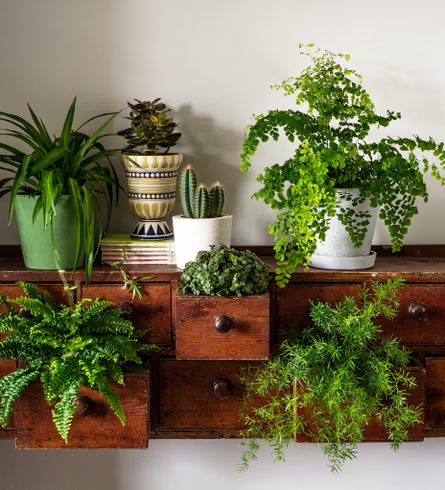
As Britain continues to grapple with a persistently hot summer, many households are searching for cost-effective and environmentally friendly ways to cool down their living spaces. While air conditioning units offer the most direct route to comfort, an increasingly popular, subtle alternative has emerged: the humble houseplant. Across the country, residents are embracing greenery not just for its aesthetic charm but for its ability to make indoor environments feel cooler, fresher, and healthier.
This botanical phenomenon is driven by a natural process called transpiration—a mechanism by which plants release moisture into the air, much like how humans sweat. Chris Bonnett, founder of GardeningExpress.co.uk, explains the science behind this green cooling method: “Plants ‘sweat’ like us. They take in water through their roots, send it to their leaves, and release it as vapour through tiny pores. This process is called transpiration. Similar to how sweat cools our skin, the vapour from the plants cools the air around them.”

Although houseplants will not rival the dramatic cooling effect of mechanical air conditioning systems, they can noticeably improve the atmosphere of a room. By adding moisture back into dry air and reducing stuffiness, they serve as gentle, natural humidifiers, contributing to a more pleasant and breathable home environment. This blend of botanical function and visual appeal has made certain houseplants the stars of summer interior design.
One such standout is the Areca Palm. Known for its high transpiration rate, the plant releases significant moisture into its surroundings, improving air humidity and circulation. Native to the tropics, the areca palm thrives in indoor conditions with minimal sunlight and requires little upkeep. Its feathery fronds lend an exotic feel to any space, making it both a practical and decorative addition to the home.
Another favourite among plant enthusiasts is the Boston Fern. Valued for its ability to purify the air and emit large volumes of moisture, this plant excels in humid environments such as bathrooms and kitchens. Though it demands a bit more attention—regular misting and high humidity being key—it rewards owners with lush, cascading foliage that can transform even the plainest corner into a verdant retreat.
For those who prefer a more low-maintenance solution, Aloe Vera offers a unique blend of simplicity and functionality. It requires minimal watering and flourishes in sunlight, making it ideal for windowsills or countertops. Beyond its modest demands, aloe vera brings additional summer-specific benefits: its soothing gel can be used to treat sunburns and minor skin irritations, adding medicinal value to its ornamental appeal.
Similarly easy to care for is the Rubber Plant. With its broad, glossy leaves, this plant acts as a natural humidifier and makes a bold visual statement in any room. Its resilient nature allows it to thrive with limited attention, and it adapts well to indoor environments, making it a top choice for both novice and seasoned plant owners.
Completing this indoor oasis is the elegant Peace Lily. Adorned with cream-coloured blossoms, the peace lily is celebrated not just for its beauty but for its air-purifying qualities. It functions well in various light conditions, is easy to maintain, and blooms intermittently throughout the year. Its understated presence brings serenity to living rooms, bedrooms, and offices alike.

The rising popularity of houseplants this summer reflects a broader shift in lifestyle and environmental consciousness. As people seek natural ways to adapt to extreme weather without increasing their energy footprint, these leafy companions are playing a quiet yet vital role. They refresh our air, beautify our homes, and reconnect us with nature—qualities that feel especially vital during this sweltering season.
While no plant can entirely replace the function of an air conditioner, the collective effect of well-placed greenery can transform a home from overheated to harmonious. In a season defined by heat, houseplants have become more than decoration; they are now a symbol of cool, sustainable living in modern Britain.
Related News:
 Post Office Scandal Compensation Tops £1 Billion as Victims Finally See Justice
 Ageless Energy: How Life After 40 Is Sparking a New Era of Vitality and Innovation
 The Ketamine Crisis in the UK is a Silent Epidemic Leaving Users with Lifelong Pain
 Wethersfield Controversy Deepens as Asylum Seeker Numbers Set to Surge by 50%
 The Fight for Trans Safety Is a Fight for Everyone’s Safety — MPs Must Debate This Crucial Issue
 Prince Harry Cleared of Bullying Allegations Amid Charity Dispute Fallout
 My Husband Won’t Stop Playing with Lego and It’s Driving Me Nuts
 ‘I’m Trying to Cut Down My Alcohol Intake and This 99p Low-Calorie Drink Converted Me’
 Woman Warned She Might Need Leg Amputation to Survive After Liquid Brazilian Butt Lift
 Beyond the Veil: Woman Who ‘Died’ for Eight Minutes Says Death is an Illusion
 Russell T Davies Warns of Declining UK Gay Rights Amid Rise of Reform UK and Trump Influence
 Alarming rise in abusive teen relationships in the UK sparks urgent warnings
 Inquest Finds Agency Worker Failings Led to Unlawful Death of Vulnerable 14-Year-Old
 Shocking Rise in Children’s Exposure to Violent Online Pornography Raises Alarm
 EuroMillions Record-Breaking £210m Jackpot Won by Lucky Lottery Ticket Holder
 Calls Grow for a Complete Ban on Smacking as Public Opinion Shifts
 Human Remains Discovered in Lancashire May Be Those of Children, Police Say
 Veterinarian of Six Years Shares Funniest and Weirdest Pet Names That Left Owners and the Internet – in Stitches
 Akinwale Arobieke Found Dead at Liverpool Home
 Tragedy Strikes Britain’s Richest Divorcee as Boyfriend Dies Just Four Years After £350m Breakup
 Why E-Bikes and E-Scooters Are Making Streets a ‘Nightmare’ for Blind People
 UK Warned It’s on Course to Fail in Efforts to Wipe Out Bovine TB
 UK Retail Sales Rise in August, but Tax Concerns Loom Over Festive Period
 Norfolk Hospital Ranked Worst in England as NHS League Tables Return
 Weatherwatch: From Astrology to Modern Meteorology
 More Than Half of UK Births Now Involve Medical Intervention
 UK Wage Growth Remains High, But Cost of Living Pressures Bite
 UK Doctors Guilty of Sexual Misconduct Continue Practising Amid Weak Sanctions, Research Finds
 Zarah Sultana Seeks Legal Action After Bitter Clash with Jeremy Corbyn Over Party Membership Funds
 Canadian Officials Find TikTok Fails to Adequately Protect Children’s Data
 Patricia Crowther, Known as UK’s Oldest Witch, Dies Aged 97
 Starmer Unveils Plan for NHS “Online Hospital” to Tackle Waiting Lists
 A Third of EU Citizens in UK Report Discrimination by Public Bodies Post-Brexit
 Marks & Spencer Staff to Work on Boxing Day for First Time in Five Years Amid Cost-Cutting Measures
 Beloved Actress Dame Patricia Routledge Dies Aged 96
 UK households brace for October benefit payments and rising energy costs amid cost-of-living pressures
 Jilly Cooper: The Bonkbuster Queen Who Redefined Romantic Fiction
 Celebrity Traitors First Look: A Star-Studded Highland Adventure That Hooks from the Start
 Women Challenge Meta Over Targeted Ads After Miscarriage
 £18 Prostate Cancer Test Could Save Thousands of Lives
 Pregnant Women in England Face Rising Risk of Severe Birth Injury
 King urges faster action on climate change initiatives
 One in 12 Secondary Pupils Sent to Isolation Weekly
 WW2 Pilot’s Long-Lost Crash Site Unearthed in Essex
 UK Health Leaders Push for Urgent Tobacco & Vape Bill
 Hospice Cuts Raise Alarm Across England Amid Funding Crisis
 UK Woman Loses Child Benefit After Booking Flight She Never Took
 Mass Stabbing on Doncaster to London Train Leaves Ten Injured
 Children to Learn Local History in Major Curriculum Overhaul
 The Lowry Hotel: Manchester’s Iconic Five-Star Retreat
 Prince William Plants Trees with Brazil’s Nature Heroes
 Greta Thunberg Backs Student Facing UK Visa Revocation
 Earl of Yarmouth Faces £1.3m Legal Bill Over Family Estate
 Jailed UK climate protesters face extremist-style restrictions
 How to get help when a child goes missing – call 999 urgently
 ‘Reckless’ cuts to victims’ services will cost more than they save
 UK Faces Arctic Blast as Polar Vortex Disruption Brings Heavy Snow
 WASPI Women May Get Second Chance at Pension Redress
 Politics latest: Starmer ‘will fight any leadership coup’ as Streeting denies attempt to oust Labour PM
 Son Reveals UK Couple in Iran Resort to Hunger Strike for Help
 New weather warning issued with risk of flooding
 Working-Class Men with Prostate Cancer Left Behind by NHS
 Mum Calls for New Licence Rules After Teen Road Death
 £1 Breakfast Club Brings Parents Together in Sheffield
 Mother Watches in Horror as Teen Daughter Dies on Tracks
 Agency Workers Vote to Join Picket Lines Amid Dispute
 Seven Countries, One Winner: Europe’s Best Christmas Market
 ‘Traumatic Wait’: Northern Ireland Women Face Breast Cancer Delays
 Commuters warned as yellow snow and ice alert hits Northern Ireland
 Healthy Habits in Your 30s That Boost Life in Your 70s
 Coffins Now Too Large to Cremate Amid Rising Obesity Crisis
 Labour MP claims devolution bill is ‘blatant discrimination’ against Cornwall
 Vicki Fears Losing Motability Car
 Delhi’s Toxic Air Crisis Leaves Children Sick and Vulnerable
 Fibromyalgia Patients Struggle as NHS Fails to Provide Care
 Scotland Gains 33 New Towns – Life in Growing Communities
 Search underway for British man overboard off Tenerife
 “Enough is Enough”: Local MP Vows to Fight Rainham Quarry Plans
 Virgin Media Fined £23.8m Over Telecare Safety Failures
 Pavarotti statue frozen in Italian ice rink sparks backlash