
Published: 12 August — The English Chronicle Desk
Violence against nurses working in Accident and Emergency (A&E) departments across England has surged dramatically over the past six years, according to newly released NHS figures. The data reveals a 91% increase in violent incidents against nursing staff, rising from 2,122 cases in 2019 to 4,054 in 2024. Much of this increase has been linked to patients’ frustration over long waiting times and systemic pressures within emergency care settings.
Nurses have been subjected to a range of assaults, including being punched, spat at, and even threatened with acid attacks. Some have faced the terrifying experience of having guns pointed at them. These distressing realities were highlighted by the Royal College of Nursing (RCN), which secured the figures through freedom of information requests to NHS trusts across England.

Professor Nicola Ranger, General Secretary of the RCN, described the situation as “an ugly truth behind shocking figures,” emphasising that the rising violence is a symptom of broader systemic failures in the NHS. She underlined that every single incident is unacceptable and that frontline staff are being put under immense strain through no fault of their own.
Accounts from frontline nurses paint a grim picture of working conditions. Rachelle McCarthy, a charge nurse in the East Midlands, recalled being punched in the face by an agitated patient. Senior sister Sarah Tappy from east London recounted a harrowing incident in which a patient knocked her unconscious with a punch to the head. Across the south-west of England, nurses have reported being pinned against walls and suffering assaults to sensitive areas of the body.
The rising violence is mirrored by the increasing number of long waits patients face in A&E departments. Hospitals such as Southmead in Bristol saw attacks on staff rise from 83 in 2019 to 152 last year. Manchester Royal Infirmary’s incidents doubled from 39 to 79, while Maidstone hospital in Kent experienced a sharp rise from 13 to 89 attacks.
Daniel Elkeles, CEO of NHS Providers, expressed deep concern about the findings. He stressed the vital importance of ensuring NHS staff have safe and respectful workplaces free from threats and intimidation. Elkeles acknowledged that long delays in treatment contribute to patient frustration but reassured that efforts to reduce waiting times are ongoing.
The RCN has called for urgent government intervention to address the growing violence, linking it closely to the broader challenges of overcrowded hospitals, widespread “corridor care,” and persistent nursing shortages. A separate analysis by the union also revealed a staggering increase in the number of patients waiting over 12 hours in A&E, a figure that has multiplied twentyfold since 2019.
To combat the rising threat, many hospitals have bolstered security by increasing personnel, providing stab-proof vests to clinical staff, and installing additional CCTV coverage. However, Rebecca Smith, director of system and social partnership at the NHS Confederation, warned that the near doubling of attacks is “deeply worrying” and underlined that violence at work severely impacts staff wellbeing, retention, and the quality of patient care.
The figures reflect only reported incidents at the largest A&E units of NHS trusts, suggesting the true scale of violence may be even higher. The most recent NHS staff survey revealed that one in seven workers experienced physical violence in the past year, highlighting the widespread nature of the issue.

Duncan Burton, Chief Nursing Officer for England, condemned the violence as “totally unacceptable” and urged NHS staff to report all incidents to enable appropriate legal action. Health Secretary Wes Streeting expressed his outrage, affirming that nurses deserve to work free from intimidation and violence and pledging that perpetrators would face the full force of the law.
As pressures mount on emergency services, the harrowing accounts of assaulted nurses bring urgent attention to the need for systemic reforms to protect the NHS workforce and improve patient care environments across the country.
Related News:
 Concerns Mount Over Accuracy of At-Home Health Tests as Study Calls for Stricter Regulation
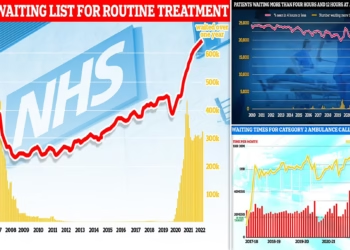 NHS Under Pressure: Waiting Times Soar as Staffing Crisis Deepens
 The Ketamine Crisis in the UK is a Silent Epidemic Leaving Users with Lifelong Pain
 UK Launches World-First Gonorrhoea Vaccine Amid Record Infection Surge
 Woman Warned She Might Need Leg Amputation to Survive After Liquid Brazilian Butt Lift
 AI Tools Used by English Councils Found to Downplay Women’s Health Issues, Raising Concerns Over Gender Bias in Care
 Cats Develop Dementia Similarly to Humans, Study Finds
 Appalling Rise in Pharmacy Crimes: Staff Face Increasing Theft and Aggression
 England’s Waterways Used for Recreation Far Exceed Official Records, New Data Shows
 Alarming rise in abusive teen relationships in the UK sparks urgent warnings
 Learner Drivers to Face CPR and Defibrillator Questions in New Theory Tests
 Breakthrough Clinical Trial Lets 12-Year-Old Boy with Rare Skin Disorder Play Football
 Inquest Finds Agency Worker Failings Led to Unlawful Death of Vulnerable 14-Year-Old
 UK Patients Face Steep Price Rise for Weight-Loss Drug Mounjaro
 Shocking Rise in Children’s Exposure to Violent Online Pornography Raises Alarm
 Baby Food Manufacturers Given 18 Months to Improve Nutrition and Labelling
 Martha’s Rule Now Fully Implemented Across All Acute Hospitals in England
 Why E-Bikes and E-Scooters Are Making Streets a ‘Nightmare’ for Blind People
 Council Proposes Limits on Ice Cream Van Music and Parking in South Cambridgeshire
 Millions in the UK at Higher Risk of Heart Failure and Stroke Due to Air Pollution, Study Warns
 Norfolk Hospital Ranked Worst in England as NHS League Tables Return
 NHS Trials £100 Blood Test That Could Revolutionise Alzheimer’s Diagnosis
 More Than Half of UK Births Now Involve Medical Intervention
 UK Graduates in Healthcare Report Highest Satisfaction with Degree Choices
 NHS ‘Toxic Culture’ Risks Harm to Mothers and Babies, Health Leader Warns
 First Group of Children from Gaza Arrive in UK for Life-Saving NHS Treatment
UK Doctors Guilty of Sexual Misconduct Continue Practising Amid Weak Sanctions, Research Finds
First Group of Children from Gaza Arrive in UK for Life-Saving NHS Treatment
UK Doctors Guilty of Sexual Misconduct Continue Practising Amid Weak Sanctions, Research Finds
 Private Psychology Costs Surge in UK as Practitioners Turn Away Clients Amid Record Demand
 Heavy Drinkers Lead Growth in Non-Alcoholic and Low-Alcohol Market
 Omeprazole Alert: NHS Issues Guidance on Safe Use for Heartburn and Indigestion
 Labour Announces Pay Boost and New Negotiating Body to Address England’s Care Sector Crisis
 Starmer Unveils Plan for NHS “Online Hospital” to Tackle Waiting Lists
 Tragic Death Strikes Half-Marathon in Stoke-on-Trent: Runner Dies Shortly After Crossing Finish Line
 Call to Allow ‘Safe and Effective’ At-Home Abortions Up to 12 Weeks in the UK
 One in four UK residents fear a loved one drinks excessively as addiction concerns rise
 Eligibility Confusion Over COVID Vaccination Leaves Pharmacies Struggling Across the UK
 Majority of UK Men Would Opt for Prostate Cancer Screening, Survey Finds
 Scientists Announce First Potentially Accurate Blood Test for Chronic Fatigue Syndrome
One in Three UK Workers Call in Sick After Work Drinks as Cultural Pressures Persist, Survey Finds
Scientists Announce First Potentially Accurate Blood Test for Chronic Fatigue Syndrome
One in Three UK Workers Call in Sick After Work Drinks as Cultural Pressures Persist, Survey Finds
 NHS Facilities Staff Vote to Strike Over Pay Discrimination
 NHS May Pay 25% More for Medicines Amid US Drug Talks
 Survey Shows Most GPs Rushing Appointments
 NHS Staff Strike Over £30m Pay Discrimination Claim
 Ambulance Worker Fired After Flinging Amputee from Wheelchair and Offering Bribe
 Women Challenge Meta Over Targeted Ads After Miscarriage
 Mum’s Final Wish: Donating Her Body to Science
 Genetic Tests May Predict Return of Blood Cancer
 UK Woman Becomes Longest Survivor of Heart-Lung Transplant
£18 Prostate Cancer Test Could Save Thousands of Lives
UK Woman Becomes Longest Survivor of Heart-Lung Transplant
£18 Prostate Cancer Test Could Save Thousands of Lives
 UK Vets May Be Forced to Publish Prices After CMA Probe
 Thousands in the UK sue Johnson & Johnson over alleged talcum powder, linked to cancer
 Pregnant Women in England Face Rising Risk of Severe Birth Injury
 ‘Game-Changing’ HIV Prevention Jab Set for NHS Approval
 Ranking Antidepressants by Physical Side Effects Revealed
 One in 12 Secondary Pupils Sent to Isolation Weekly
 UK Health Leaders Push for Urgent Tobacco & Vape Bill
 Man Trapped in Quicksand Rescued in Dramatic Coastal Rescue
 Hospice Cuts Raise Alarm Across England Amid Funding Crisis
Morning-After Pill Now Free Across England’s Pharmacies
Hospice Cuts Raise Alarm Across England Amid Funding Crisis
Morning-After Pill Now Free Across England’s Pharmacies
 How Bringing Forests Into Preschools Boosts Children’s Health
 The diet that can significantly ease symptoms of IBS
 Celebrities and Charities Demand UK Government Act on Child Poverty
 Experts Warn on Home Birth Risks, Call for Skilled Midwives
 Experts Urge Legal Right to Timely Cancer Care
 London’s Childlessness Crisis: Schools Closing as Families Shrink
 North Sea oil workers must lose weight or face job loss
 Crisis charity to become landlord amid UK housing emergency
No link found between paracetamol in pregnancy and autism
Crisis charity to become landlord amid UK housing emergency
No link found between paracetamol in pregnancy and autism
 UK Disability Pay Gap Means Millions Work for Free From Today
 Leading doctors issue warning amid ‘bad’ flu season
 UK Centres Used Risky Heart Pump Despite Safety Fears
 Reeves Rejects £1bn NHS Payout Plea from Streeting
 UK launches major AI drive to fight deadly superbugs
 ‘Traumatic Wait’: Northern Ireland Women Face Breast Cancer Delays
 Welsh Government Christmas 2020 Lockdown Criticised
 Coffins Now Too Large to Cremate Amid Rising Obesity Crisis
 NHS paediatric leave parents waiting months for answers
 Catherine urges end to stigma around addiction
 Fibromyalgia Patients Struggle as NHS Fails to Provide Care
 “Enough is Enough”: Local MP Vows to Fight Rainham Quarry Plans