Published: 29 April 2026. The English Chronicle Desk. The English Chronicle Online.
The European Union has issued urgent warnings to nations across south-east Asia today. Officials are asking these governments to avoid sourcing vital oil supplies from Russia. This plea comes as the region faces severe fuel shortages caused by the Middle East war. European foreign policy chief Kaja Kallas addressed this issue after meeting with Asean ministers. She urged the leaders to consider the broader geopolitical impact of their energy decisions. Kallas stated that purchasing Russian oil provides funds for the ongoing conflict in Ukraine. Despite these clear warnings from Brussels, many nations in the region seem to be ignoring them. Countries across south-east Asia are actively seeking new deals with Moscow to plug gaps. They are struggling to manage rising energy prices and critical shortages of essential agricultural fertiliser. The Middle East conflict has disrupted traditional supply chains that the region relies upon heavily. Consequently, many governments feel compelled to secure energy stability regardless of the western pressure.
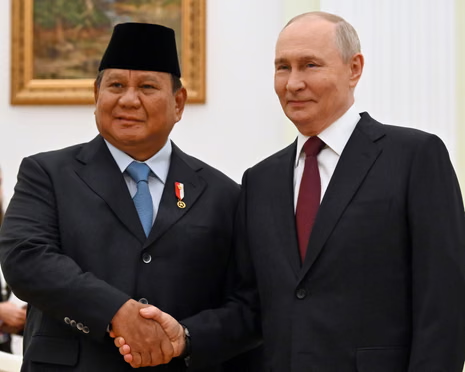
Indonesia confirmed plans last week to import nearly one hundred fifty million barrels of crude. This decision followed a high-profile meeting between President Prabowo Subianto and leader Vladimir Putin. The Philippines has also shifted its strategy, receiving a significant shipment of Russian oil recently. This marks the first such import for the nation in over five years of trade. Thailand is now reportedly in deep negotiations to purchase large quantities of Russian fertiliser. Meanwhile, Vietnam is accelerating a pre-war agreement to build a major nuclear power facility. These developments indicate that the crisis is driving rapid changes in regional energy policies. Russia is currently enjoying a significant economic windfall due to these shifting global alliances. High energy prices have allowed Moscow to generate substantial profits despite heavy western sanctions. This success supports the Kremlin’s narrative that western isolation attempts have ultimately failed to work. The influx of deals raises questions about Russia’s long-term influence across this strategic region.

Public sentiment in many south-east Asian nations appears surprisingly favourable toward Moscow and its leadership. Recent polling suggests that the 2022 invasion of Ukraine has not dampened regional public support. A 2024 survey by the Economist showed that half of respondents in Indonesia wanted Russia. Similarly, many citizens in Vietnam expressed strong support for the Russian position in the war. A 2025 study by the Pew Research Center yielded even more revealing data about attitudes. It found that a clear majority of Indonesians held a positive view of the Russian nation. This figure notably exceeded the level of support recorded for the United States during polling. Experts suggest that Vladimir Putin is often perceived as a strong, traditionalist leader abroad. His macho public persona resonates with various political factions found across the south-east Asian region. Ian Storey from the ISEAS-Yusof Ishak Institute has studied the Kremlin’s growing pivot toward Asia.
Storey notes that Russia maintains deep historical ties with communist nations such as Vietnam and Laos. The Russian government is also viewed as being friendly toward many Muslim-majority nations today. This perspective stems largely from Russia’s public support for the Palestinian cause in regional discourse. Older conflicts, such as the Soviet intervention in Afghanistan, have largely faded from public memory. However, analysts caution that there are still clear limits to Russia’s influence in this area. The United States and China maintain far greater economic and military power within the region. Russia’s heavy dependence on China also creates hesitation for nations involved in maritime territorial disputes. These countries must carefully balance their need for energy with long-term regional security concerns. Military procurement remains a sensitive area where Russia’s relationship with China causes significant regional alarm.
The United States recently paused specific sanctions on Russian oil to help global supply chains. This waiver was originally introduced in March to help ease prices in the global market. Washington extended the policy for thirty days in mid-April due to intense regional pressure. Officials from the Philippines and India were among those pushing for continued access to supply. Future decisions from Washington regarding these sanctions will surely influence the appetite for Russian oil. Energy sovereignty has become a primary focus for many leaders during this difficult global period. Governments are now actively reassessing their relationships to ensure future stability and energy security. Russia is positioning itself as a reliable partner for food and energy in this crisis. This is particularly appealing for developing nations facing severe inflationary pressure on their domestic economies.

Nuclear energy represents a specific sector where Russia hopes to achieve deeper strategic inroads soon. Russia is already a dominant player in the global market for civil nuclear power technology. It has signed various contracts with Myanmar and Vietnam to provide expertise and necessary infrastructure. However, Moscow faces stiff competition from other global players vying for these lucrative long-term partnerships. The current conflict has certainly provided Russia with a unique opportunity to promote its stability. Indonesia views these new energy agreements as a clear signal of its non-alignment policy. The move suggests to the west that Jakarta will not simply follow American foreign policy. These deals also serve to counter domestic critics who oppose closer ties with the United States. President Prabowo recently joined a controversial peace board, drawing criticism from some local political groups.
Russia values Indonesia’s influential voice in international forums like the UN and the G20 group. Moscow frequently relies on these platforms to push the narrative that Ukraine is a western issue. This diplomatic alignment helps Russia maintain its legitimacy despite the ongoing intense international sanctions regime. A joint commemorative summit between Russia and Asean is scheduled for June in Kazan city. This meeting will mark thirty-five years of diplomatic relations between the two separate regional powers. Analysts believe the summit serves as a massive photo opportunity for the Russian leadership team. Even if no major economic deals are signed, the event provides symbolic proof of friendship. It demonstrates that Russia still maintains significant diplomatic connections despite the current global geopolitical climate. The region remains a vital theater for testing the limits of western diplomatic influence today.
Related News:
 Capitol Attack Anniversary Sparks Deep Political Divide
 Saudi Officials Report Zubaidi Flee Before Yemen Peace Talks
 UK Targets in New York Bomb Threat Hoax: Man Jailed
 Gambia Supreme Court Hears Case to Overturn FGM Ban
 Trump targets Iran trade with 25% tariff warning
 US Senate rejects resolution limiting Trump military powers
 Gulf states warn Trump Iran strikes risk wider Middle East war
 Machado Trump medal gesture reshapes Venezuela power struggle
 Greenland defence seen as shared Nato duty amid troop arrivals
 Geopolitical football: Iran, Trump and the World Cup clash
 Canada-China trade gains momentum in new strategic partnership
 Trump Receives Machado’s Nobel Medal in White House Meeting
 Syria President Declares Victory as Ceasefire Reached with SDF
 US Considers Asylum for British Jews Amid Rising Antisemitism
 Trump slams UK ‘stupidity’ over Chagos Islands, eyes Greenland takeover
 Shinzo Abe’s killer receives life sentence in Japan
 China General Under Investigation Amid Leadership Purge
 Philippines ferry disaster leaves 15 dead, dozens missing
 Cambridge Faces Scrutiny Over Arms Investment Transparency
 Epstein UAE Emails Shake British Royal Andrew’s Legacy
 Christchurch gunman seeks to vacate guilty plea
 Liberal Fallout: Taylor Challenge Casts Shadow Over Sussan Ley’s Leadership
 Infantino Faces Russia Threat and Trump Concerns at Uefa Congress
 Concerns rise for Canberra boy amid Iran detention fears
 Caribbean Leaders Urge Dialogue Amid US Oil Embargo on Cuba
 Ukraine Sends Drone Experts to Defend US Bases in Jordan
 Abramovich Chelsea Sale Cash Faces Jersey Probe
 Yvette Cooper: UK Must Follow Principles, Not US Pressure
 Slovenia Election: A Nation at a Crossroads
 Jury Rules Meta and YouTube Liable for Addictive Design
 Saudi Arabia Urging US to Keep Up Iran Attacks
 Trump Softens Cuba Oil Stance as Russian Tanker Nears
 The Woman Guarding Earth From the Threat of Asteroids
 IMF Predicts Global Economic Crisis Due to Gulf Unrest
 California Defies Trump With Strict New AI Standards
 Germany Grapples With AI Abuse Following TV Star Scandal
 Exiled Tycoon Warns of New Russian Attacks on UK Soil
 Labor Under Fire Over Stalled University Fee Reform
 LA 2028: Millions of Affordable Olympic Tickets Announced
 Trump Slams Europe as Transatlantic Tensions Boil Over
 Inside the Deceptive Machine: A Former Producer Speaks Out
 Italy Faces Third Successive World Cup Absence After Loss
 Starmer Urges Ambitious EU Ties Amid Middle East Conflict
 Spain Faces Backlash Over Xenophobic Chants in Egypt Draw
 A Global Voice For Justice: Stephen Lewis Dies At Age 88
 Trump Issues Stark Warning After Strike On Iran’s Largest Bridge
 Hope and Fear as Iranians Flee Across the Turkish Border
 Tragic End to Outback Search as Floods Claim a Life
 Ben Roberts-Smith Arrested Over Alleged War Crimes
 Reform UK Pledges To Halt Visas Over Reparations Demands
 US and Iran Agree to Two-Week Provisional Ceasefire
 Starmer visits Gulf as US and Iran agree ceasefire
 Gaza Child Arrives in UK for Life-Changing Care
 Israel Defies Ceasefire as Lebanon Operations Persist
 Pakistan Brokers Historic Peace Deal Amid Rising Tensions
 UK Holds Firm on Strait of Hormuz Amid Trump Pressure
 Rory McIlroy Eyes New Horizons After Masters Defence
 Trump Signals Hope for New Iran Talks as Ceasefire Fades
 Reeves Slams Trump Over Iran War Lack Of Exit Plan
 US and Iran Pursue Extension of Ceasefire via Pakistan
 Trump’s Islamabad Gamble: The High Stakes of a New Iran Deal
 Wall Street Hits Historic High Amid Hopes for Iranian Peace
 Ian Katz to Step Down as Channel 4 Content Chief
 Middle East Conflict Risks UK Food Supply Chains This Summer
 The General’s Gambit: Pakistan’s New Role in Global Peace
 England Eye Landmark 500th Game Glory in Iceland
 Mexico, Spain and Brazil call for Cuba dialogue amid crisis
 US Forces Seize Iranian Ship Near Hormuz Blockade
 Pakistan’s Ambitious Bid for Middle East Peace
 Trump Starts $166bn Tariff Refund Process
 Israeli Soldiers Jailed Over Vandalism of Lebanese Statue
 Trump Weighs Sending Afghan Allies to the Congo
 Timor-Leste Faces Tough Questions Over Resort Proposal
 Pentagon Shakes Up Navy Leadership Amid Hormuz Blockade
 Trump Threatens UK With Big Tariff Over Tech Tax
 Prominent Voices Challenge Palestine Action Ban
 Security Scrutiny After Washington Shooting Incident
 Stalled Diplomacy: Middle East Peace Efforts Reach Deadlock
 Merz Criticises US Approach in Iran Conflict
 UK Envoy Sparks Controversy Over Special Relationship Claims