Published: 11 May 2026. The English Chronicle Desk. The English Chronicle Online.
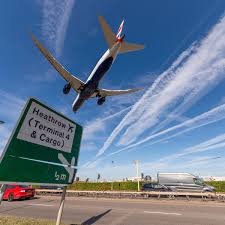
The global aviation landscape is currently facing a period of intense and unpredictable transformation. London Heathrow Airport has reported a noticeable decline in passenger numbers throughout the past month. This shift comes as the escalating conflict in the Middle East impacts international travel habits. Approximately six million seven hundred thousand travellers passed through the major UK hub during April. This figure represents a five percent decrease when compared to the same period last year. Airport officials attribute this downturn directly to the ongoing war involving Iran and Israel. Many passengers are choosing to delay or cancel their trips due to regional instability. Short term adjustments to travel plans have become a common theme for many global families. Despite the overall drop, a surprising trend has emerged within the airport transfer sector. The number of passengers transiting through London for onward flights rose by ten percent. This surge suggests that travellers are actively rerouting their journeys to Asia and Oceania. Many are now avoiding traditional rival hubs located within the Gulf regional flight corridors. Dubai and Doha have long served as the primary gateways for long haul global travel. However, the current geopolitical climate is forcing a significant shift in these established flight patterns.
The conflict has triggered widespread disruption across the entire global civil aviation infrastructure today. Flight cancellations and significant delays are becoming more frequent for many international airline operators. Journey times have increased as pilots navigate around restricted or hazardous regional air spaces. These logistical hurdles are creating a ripple effect throughout the interconnected world of travel. Concerns are also mounting regarding a potential energy crisis linked to the ongoing hostilities. The blockade of the Strait of Hormuz has created a bottleneck for global shipping. This strategic waterway is essential for the transport of oil to the Western world. Experts warn that this situation could lead to severe fuel shortages this summer. Higher ticket prices are expected to follow as airlines grapple with rising operating costs. Thomas Woldbye, the chief executive of Heathrow, remains cautiously optimistic about the current situation. He stated that underlying demand for travel remains resilient despite the various external pressures. Woldbye also confirmed that current fuel supplies at the airport are currently considered stable. While April was weaker than last year, it was the busiest month of 2026. The airport management team plans to review its yearly passenger forecast in the coming weeks.
Growing uncertainty over jet fuel supplies is a primary concern for the entire industry. Prices recently averaged one hundred and eighty one dollars per barrel for many providers. This figure is roughly double the average price recorded during the previous calendar year. The effective closure of the Strait of Hormuz is the main driver of inflation. Over twenty percent of the world’s oil supply normally passes through this narrow channel. Airlines are now forced to find ways to manage these rapidly escalating fuel expenses. The parent company of British Airways recently addressed these significant financial challenges publicly. They anticipate a hit of nearly two billion euros in fuel costs this year. To recover this money, the company will likely implement various revenue management actions. This strategy often involves increasing fares for passengers during the busy summer peak season. Travelers are now facing a difficult choice between high costs and their holiday dreams. The industry is watching the situation in the Middle East with a heavy heart. Every day of conflict adds more pressure to an already fragile global economy. Global leaders are being urged to find a peaceful resolution to the current war.
The fear of fuel shortages has been further compounded by recent legislative changes. UK airlines successfully lobbied for the right to cancel flights without losing airport slots. This rule change provides carriers with more flexibility during times of extreme fuel volatility. However, it also creates more uncertainty for passengers who have already booked their flights. Some reports suggest that airlines are now beginning to adjust their summer pricing strategies. They are attempting to prevent a significant delay in bookings by offering lower fares. Analysis shows that prices for many popular Mediterranean routes have actually started to fall. For twenty seven of the top fifty routes, fares decreased during the last month. This trend suggests a desperate attempt to stimulate demand despite the rising fuel costs. The balance between maintaining profit margins and attracting customers is becoming increasingly delicate now. Travelers are encouraged to stay informed about their flight status and fuel surcharges. Many holidaymakers are looking for deals while staying cautious about the regional security situation. The coming months will be a critical test for the UK aviation sector. Heathrow remains a vital link for the country despite these many complex global challenges. Security and stability will be the key factors for a recovery in passenger numbers. The English Chronicle will continue to monitor this developing story for our loyal readers. Industry experts believe that the long term outlook for travel remains fundamentally strong today. However, the path to stability is currently blocked by the shadow of international conflict. For now, the world watches the Middle East and hopes for a return to peace.
Related News:
 Capitol Attack Anniversary Sparks Deep Political Divide
 Saudi Officials Report Zubaidi Flee Before Yemen Peace Talks
 UK Targets in New York Bomb Threat Hoax: Man Jailed
 Gambia Supreme Court Hears Case to Overturn FGM Ban
 Trump targets Iran trade with 25% tariff warning
 US Senate rejects resolution limiting Trump military powers
 Gulf states warn Trump Iran strikes risk wider Middle East war
 Machado Trump medal gesture reshapes Venezuela power struggle
 Greenland defence seen as shared Nato duty amid troop arrivals
 Geopolitical football: Iran, Trump and the World Cup clash
 Canada-China trade gains momentum in new strategic partnership
 Trump Receives Machado’s Nobel Medal in White House Meeting
 Syria President Declares Victory as Ceasefire Reached with SDF
 Shinzo Abe’s killer receives life sentence in Japan
 China General Under Investigation Amid Leadership Purge
 Philippines ferry disaster leaves 15 dead, dozens missing
 Cambridge Faces Scrutiny Over Arms Investment Transparency
 Epstein UAE Emails Shake British Royal Andrew’s Legacy
 Christchurch gunman seeks to vacate guilty plea
 Infantino Faces Russia Threat and Trump Concerns at Uefa Congress
 Concerns rise for Canberra boy amid Iran detention fears
 Ukraine Sends Drone Experts to Defend US Bases in Jordan
 Abramovich Chelsea Sale Cash Faces Jersey Probe
 Yvette Cooper: UK Must Follow Principles, Not US Pressure
 Slovenia Election: A Nation at a Crossroads
 Jury Rules Meta and YouTube Liable for Addictive Design
 Saudi Arabia Urging US to Keep Up Iran Attacks
 Trump Softens Cuba Oil Stance as Russian Tanker Nears
 The Woman Guarding Earth From the Threat of Asteroids
 IMF Predicts Global Economic Crisis Due to Gulf Unrest
 California Defies Trump With Strict New AI Standards
 Germany Grapples With AI Abuse Following TV Star Scandal
 Exiled Tycoon Warns of New Russian Attacks on UK Soil
 Labor Under Fire Over Stalled University Fee Reform
 LA 2028: Millions of Affordable Olympic Tickets Announced
 Trump Slams Europe as Transatlantic Tensions Boil Over
 Inside the Deceptive Machine: A Former Producer Speaks Out
 Italy Faces Third Successive World Cup Absence After Loss
 Starmer Urges Ambitious EU Ties Amid Middle East Conflict
 Spain Faces Backlash Over Xenophobic Chants in Egypt Draw
 A Global Voice For Justice: Stephen Lewis Dies At Age 88
 Trump Issues Stark Warning After Strike On Iran’s Largest Bridge
 Hope and Fear as Iranians Flee Across the Turkish Border
 Tragic End to Outback Search as Floods Claim a Life
 Ben Roberts-Smith Arrested Over Alleged War Crimes
 Reform UK Pledges To Halt Visas Over Reparations Demands
 US and Iran Agree to Two-Week Provisional Ceasefire
 Starmer visits Gulf as US and Iran agree ceasefire
 Gaza Child Arrives in UK for Life-Changing Care
 Israel Defies Ceasefire as Lebanon Operations Persist
 Pakistan Brokers Historic Peace Deal Amid Rising Tensions
 UK Holds Firm on Strait of Hormuz Amid Trump Pressure
 Trump Signals Hope for New Iran Talks as Ceasefire Fades
 Reeves Slams Trump Over Iran War Lack Of Exit Plan
 US and Iran Pursue Extension of Ceasefire via Pakistan
 Trump’s Islamabad Gamble: The High Stakes of a New Iran Deal
 Ian Katz to Step Down as Channel 4 Content Chief
 The General’s Gambit: Pakistan’s New Role in Global Peace
 Mexico, Spain and Brazil call for Cuba dialogue amid crisis
 Pakistan’s Ambitious Bid for Middle East Peace
 Trump Starts $166bn Tariff Refund Process
 Israeli Soldiers Jailed Over Vandalism of Lebanese Statue
 Trump Weighs Sending Afghan Allies to the Congo
 Timor-Leste Faces Tough Questions Over Resort Proposal
 Pentagon Shakes Up Navy Leadership Amid Hormuz Blockade
 Trump Threatens UK With Big Tariff Over Tech Tax
 Prominent Voices Challenge Palestine Action Ban
 Security Scrutiny After Washington Shooting Incident
 Merz Criticises US Approach in Iran Conflict
 UK Envoy Sparks Controversy Over Special Relationship Claims
 Ukraine Urges UK to Seize Russian Oil Tankers
 US Calls Australia Media Law “Foreign Extortion”
 The Billionaire’s Secretary and the £1m Fraud
 Questions Remain Over The Tragic Bondi Massacre
 Ukraine strikes Tuapse as oil disaster worsens
 Brewing Tension: Taiwan Baristas Rebrand for World Stage
 Security Failures and the Road to the Bondi Inquiry
 Tensions Emerge in Netanyahu-Trump Alliance
 Mission to the World’s Edge: A Heroic Rescue in Tristan
 US Passengers Repatriated Following Cruise Virus Outbreak