Published: 26 May 2026. The English Chronicle Desk. The English Chronicle Online.
The international community faces a severe test as a highly dangerous virus spreads rapidly. A critical health crisis is unfolding across the heart of the African continent right now. The World Health Organization issued a stark warning regarding the current situation this week. Officials state that the aggressive epidemic is moving much faster than containment teams can deploy. The crisis centers on the eastern regions of the Democratic Republic of Congo today. Health workers are struggling to contain the pathogen under incredibly difficult field conditions daily. Neighbors of the massive central African nation face an immediate and growing threat now.
Dr Tedros Adhanom Ghebreyesus expressed deep concern during a major regional summit on Monday. The director-general spoke directly to leaders gathered for an emergency African Union conference online. He stated openly that the current epidemic is outrunning our collective medical response efforts. The global health chief urged surrounding nations to prepare their borders for potential cases. He announced that the suspected death toll has already reached two hundred and twenty. Dr Tedros is traveling to the impacted zones immediately to assess the situation firsthand. He will be joined by the executive director of the health emergencies programme.
The high-level delegation intends to review containment strategies directly with local medical leadership teams. Dr Chikwe Ihekweazu will provide expert guidance on managing the dangerous regional health emergency. Their urgent journey comes at a time of extreme tension inside the democratic republic. Violent community resistance is severely hindering the work of dedicated medical teams on site. Local populations in the affected provinces have repeatedly targeted vital healthcare facilities recently. These dangerous security incidents are creating major setbacks for international humanitarian organizations operating there.
The center of the current viral outbreak is located inside volatile Ituri province. Residents of a major regional town launched multiple coordinated assaults on a hospital. The local medical director confirmed that the general referral facility suffered immense damage. Unidentified individuals targeted isolation tents erected by the respected charity Médecins Sans Frontières. The attackers set fire to the specialized structures where infected individuals received care. Eighteen patients fled into the surrounding community during the chaotic scene that followed. This mass escape has triggered immense fear among regional public health tracking teams.
The targeted hospital faced four successive waves of aggression the very next day. Angry youths were mobilized by relatives of a prominent local religious figure recently. The influential spiritual leader had unfortunately succumbed to the deadly viral infection hours earlier. Seven additional patients escaped from the facility during the second day of rioting. Local police forces and national soldiers intervened quickly to restore basic public order. One patient in critical condition tragically died while attempting to flee his bed. The individual was suffering from severe internal bleeding when the violence broke out.
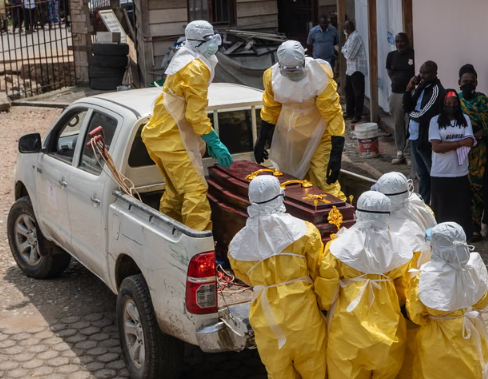
The perpetrators of the violence demanded the immediate release of deceased victims’ bodies. They wanted to conduct traditional funeral services against strict medical safety protocols on site. A similar violent incident occurred in another community near the city of Bunia. A large crowd set fire to a specialized treatment center last Thursday. This attack happened after officials refused to release a body to family members. The management of deceased patients remains an incredibly sensitive issue across the region. Local authorities must handle all burials carefully to ensure complete containment of disease.
Traditional burial practices often involve the close washing and touching of deceased relatives. These deep cultural customs unfortunately drive the rapid transmission of the deadly virus. The bodily fluids of victims remain highly contagious for days after physical death. Public health campaigns are trying to educate families about these severe biological risks. Many communities resist these modern guidelines due to deep mistrust of government institutions. This cultural divide creates a perfect environment for the pathogen to multiply undetected. Medical teams must balance cultural sensitivity with strict infection control measures every day.
The global health agency previously designated the crisis a public health emergency. This rare designation signifies an event that threatens international security across multiple borders. The declaration followed reports of over three hundred suspected infections within the country. The virus has also claimed lives outside the democratic republic in recent weeks. Neighboring Uganda confirmed that the pathogen has successfully crossed its sovereign border recently. Health officials in Kampala announced two additional infections among frontline medical workers this week. This development brings the total number of confirmed cases in Uganda to seven.
The two newly infected individuals are employed by a private urban healthcare facility. The capital city of Kampala is now on high alert following this announcement. The health ministry issued an official statement urging extreme vigilance among all citizens. The current outbreak is uniquely dangerous because of the specific viral strain involved. Scientists have identified the pathogen as the rare Bundibugyo species of ebolavirus today. This specific variant currently has no approved pharmaceutical treatments or preventative vaccines available. Medical teams must rely entirely on supportive care and strict isolation tactics.
Several major population centers have emerged as dangerous hotspots for the current transmission. The affected zones include regional commercial hubs and heavily populated gold mining sectors. Longstanding ethnic conflict between local militias complicates the medical response in these areas. The Hema and Lendu groups have fought over valuable resources for decades. This ongoing violence has claimed more than fifty thousand lives since the nineties. The presence of armed rebels makes entering these zones incredibly dangerous for doctors. Containment teams require armed military escorts just to deliver basic medical supplies safely.
Infections have also appeared in major cities controlled by various rebel factions currently. The virus was detected in Butembo and the strategic border city of Goma. Cases have also been reported in Bukavu within the South Kivu province. Dr Tedros emphasized that extreme regional insecurity makes tracking cases nearly impossible now. The complete lack of a preventative vaccine removes a critical tool from responders. Global health agencies are working around the clock to develop effective intervention strategies. The situation requires immense international cooperation to prevent a wider continental health catastrophe.
Related News:
 Hospice Cuts Raise Alarm Across England Amid Funding Crisis
 Celebrities and Charities Demand UK Government Act on Child Poverty
 Patients to Test Health at Home to Ease NHS Winter Pressure
 London’s Childlessness Crisis: Schools Closing as Families Shrink
 Shouting Works Best to Deter Gulls, UK Study Finds
 Reeves rejects £1bn plea for NHS redundancy payouts
 Working-Class Men with Prostate Cancer Left Behind by NHS
 Senator John Fetterman Hospitalized After Fall from Heart Flare-Up, Keeps Sense of Humor
 New AI tool could cut wasted efforts in organ transplants
 Stroke Patient Mistaken for Drunk, Care Delayed
 ‘Traumatic Wait’: Northern Ireland Women Face Breast Cancer Delays
 Healthy Habits in Your 30s That Boost Life in Your 70s
 Scottish Families Take Legal Action Over School CO Leak
 Coffins Now Too Large to Cremate Amid Rising Obesity Crisis
 Vicki Fears Losing Motability Car
 Delhi’s Toxic Air Crisis Leaves Children Sick and Vulnerable
 Five-Year-Old Dies After Rare Tonsil Surgery Complication
 Fibromyalgia Patients Struggle as NHS Fails to Provide Care
 More Patients Now Contacting GPs Online, Data Shows
 Kenya Signs $2.5bn Health Deal with US Amid Data Concerns
 Children to Receive Home Vaccines as England Acts
 Childhood Hypertension Sparks Urgent UK Testing Calls
 UK Enforces Junk Food Ad Ban Before 9pm
 Patients Collapsing in NHS Corridors, Watchdog Warns
 Google Removes Some AI Health Summaries Over Safety Concerns
 Polycrisis Anxiety Leaves Many Feeling Trapped in the Present
 UK Mothers Overloaded: Mental Health Pressures Worsen
 Small risk warning raised over weight-loss jabs in UK review
 Streeting moves on doctor pay to end strike dispute
 Autistic Girls Often Missed in Childhood Diagnoses, Study Finds
 UK reports baby formula toxin poisoning cases across the country
 Most Statin Side-Effects Are Not Caused by Drugs, Study Confirms
 UK, US Medics Barred from Gaza Amid Rising Aid Concerns
 Chikungunya Spread in Europe Climbs as Climate Warms
 Placenta Accreta Warning as Hunt Urges Action
 Half of Britons Avoid GP When Ill, Survey Reveals Growing Concern
 The rise of rejection sensitive dysphoria: How it shapes lives
 Sudden Blindness 2,000 Miles from Home – Alone and Penniless
 NHS Maternity Units Cover Up Harmful Childbirth Errors
 Weight-loss drugs may transform heart attack recovery
 Zorevunersen Breakthrough for Dravet Syndrome
 Cancer Death Rate in Britain Falls by Nearly a Third
 New Zealand Covid Response Praised Despite Lingering Scars
 Taking Multivitamins Daily Could Slightly Slow Ageing, Study Finds
 Canada Plasma Deaths Raise Safety Concerns After Two Donors Die
 ‘Drinking from a Fetid Pond’: Superbug Genes in Lough Neagh
 UK Biobank Health Data Leaks Raise Privacy Concerns
 NHS Plans to Cut Overseas Workers Labeled Overambitious
 Palantir Boss Defends NHS Deal Amid Government Break Clause
 Reformer Pilates Boom Sparks Surge in Injuries, Experts Warn
 Unions Raise Concerns Over Doctors’ Pay Dispute
 Blue Badge Surge Prompts Calls for Urgent Fraud Crackdown
 Private Profits From NHS Contracts Spark Urgent National Debate
 Crisis in NHS Surgery Scheduling Hits Patients Hard
 Britain’s Health Decline: A Growing National Concern
 New Scan Offers Hope for Faster Endometriosis Diagnosis
 New AI Tool To Target Obesity Risk And Transform NHS Care
 WHO approves first malaria drug for babies
 Hantavirus Cruise: Britons Face 45-Day Isolation Order
 Barrister Criticises Trial After Suicide Case Verdict
 Crisis in the Canary Islands as Cruise Ship Evacuated
 UK Experts Urge Four-Day Week to Combat National Obesity
 Cruisers Face Perth Quarantine After Hantavirus Outbreak
 Wes Streeting faces narrow road to Labour members’ favour
 French Patient Told Hantavirus Was Just Anxiety
 NHS Drug Deal Faces Legal Threat Over US Trade Agreement
 Maldives Cave Diving Tragedy Raises Safety Alarm
 Pope Meets Families in Italy Toxic Waste Zone
 Ben Proud Defends Enhanced Games Participation
 Record Spending Highlights Growing Crisis In National Health Service
 NHS to Tell Minor A&E Patients to Return Later
 Clean Air Initiatives Spark Major Fall in London Hospital Admissions
 NHS Urges Investigation For Irregular Periods
 Deadly H5 Bird Flu Reaches Australia’s East Coast
 UK Heatwaves Ignite Crisis of Sleep and Public Safety
 Arizona Toddler Found Alive in Hospital Cold Room
 Trump Immigration Cuts Threaten US Caregiver Stability
 UK Schools Struggle as Classrooms Top 40C
 London Tube Heat Reaches Dangerous Levels
 Weight-Loss Drugs Offer Food Savings Mainly to High Earners