
Published: 09 June 2026. The English Chronicle Desk. The English Chronicle Online.
The inner sanctum of the British government is currently experiencing profound and visible internal strain. A protracted and bitter row over the new national defence investment plan has erupted fiercely. Whitehall sources indicate that this internal standoff has severely damaged crucial relationships within the cabinet. This dispute represents some of the most intense infighting since Labour took political control. Senior ministers are now hurriedly putting the final finishing touches to this controversial strategy. The comprehensive plan is expected to be published formally within the next few weeks. Government departments have finally agreed to cut their capital budgets by one per cent. This collective reduction will directly fund the necessary increases in our national military spending.
Supporters suggest that Keir Starmer remains highly determined to secure this specific policy legacy. The prime minister wants this plan finalised before any potential leadership transition takes place. Speculation suggests the Greater Manchester mayor Andy Burnham could replace him quite soon. However, months of bitter institutional disputes have already taken a heavy toll on unity. The Ministry of Defence, the Treasury, and Number Ten have clashed repeatedly over funding. Insiders report that senior government members are openly trading harsh accusations with each other. One prominent Whitehall official described the entire administrative process as a complete regulatory mess. The official noted that defence chiefs initially claimed their original plans were fully costed. They insisted to colleagues that no extra cash would be required for implementation.
The Ministry of Defence then infuriated cabinet colleagues by requesting billions of pounds more. This sudden reversal created massive resentment across several key spending departments of government. The Treasury subsequently refused to budge on the matter for an extended period. This rigid stance dragged the entire decision-making process out for much longer than necessary. On Monday, the official spokesperson for the prime minister attempted to calm public concern. The spokesperson stated that Starmer is determined to get this complex investment plan right. The government aims to deliver the best possible equipment to our frontline forces. This strategic plan also intends to invest in and steadily grow the wider economy.
The prime minister previously agreed to increase total defence spending to a higher level. Last February, he committed to reaching two point five per cent of GDP. He genuinely believed this increase would fund all promises made in the review. The strategic defence review was being actively worked on during that particular period. That comprehensive review was eventually published in June alongside the wider government spending review. The cross-government spending review initially confirmed nearly twenty billion pounds extra for defence. This substantial funding was intended to support the military over the next five years. Within a few months, however, defence officials realised this was completely insufficient. They unexpectedly stated they would need another twenty-eight billion pounds very soon.
This additional money was required to cover commitments made within the defence review. One government source expressed deep frustration regarding how these two reviews were conducted. The Ministry of Defence conducted its review parallel to the Treasury spending review. This alignment was specifically designed to avoid this exact scenario from occurring at all. Another source noted that the Ministry of Defence has a terrible spending record. It is incredibly galling to be asked for more cash so quickly. The defence secretary John Healey initially requested about eighteen billion pounds from the Treasury. Chancellor Rachel Reeves firmly refused to sign off on that high amount. She resisted any funding above twelve billion pounds for a number of weeks.
The prime minister eventually placed heavy pressure on the chancellor to find a compromise. Starmer urged Reeves to agree to an additional spending package of fifteen billion. This compromise is funded in part by other departments cutting their capital budgets. Most departments are facing a budget reduction of approximately one per cent overall. The energy and transport departments have agreed to absorb even larger budget cuts. This is because their specific capital budgets are relatively high compared to others. However, transport secretary Heidi Alexander successfully lobbied the chancellor during these intense negotiations. She protected vital spending earmarked for new local buses and national train networks. Her efforts also successfully shielded the high-speed rail project known as HS2.
In return for agreeing this funding, the Treasury will take direct control. They will oversee a highly expensive, multibillion-pound fighter jet development programme. The chancellor remains deeply frustrated about having to cut several key growth projects. She believed the original military promises were already fully costed and entirely sustainable. Allies of John Healey defend his actions by pointing to escalating global conflicts. These international crises have naturally led to much greater demands on his department. They cite Starmer’s firm commitments to the international coalition of the willing in Ukraine. Potential new maritime missions in the strategic Strait of Hormuz have also increased costs. These factors combined to push military financial requirements well beyond their original limits.
An official spokesperson for the Ministry of Defence released a brief reassuring statement. The defence investment plan will deliver the best technology to our frontline forces. It will do so at speed while investing directly in the British economy. Senior government officials now claim they are closer than ever to a signing. The long-delayed plan should be finalised and approved by all parties very soon. The prime minister has promised to announce this plan before the next summit. This major Nato summit is scheduled to take place early next month. Whether this announcement can heal the deep fractures within the cabinet remains unseen. The political fallout from this intense budget battle could linger for a long time.
Related News:
 Green Party Surges Past Labour in Latest UK Poll
 Trump’s UK Ambassador Urges North Sea Drilling to Strengthen US Ties
 French Taxi Driver Cleared in David Lammy Theft Case After Fare Dispute
 Millionaires group urge Reeves to introduce wealth tax to ‘lift kids out of poverty’
 Starmer Faces Growing Dissent as Labour MPs Weigh Leadership Challenge
 Reeves rejects £1bn plea for NHS redundancy payouts
 PM Condemns Leaks, Vows Loyalty to Ministers and Stability
 Major Rent Reform Ends No-Fault Evictions in England
 Peers Flood Assisted Dying Bill with 942 Amendments
 Most Tories Expect to Support a Farage-Led Government
 Labour MP claims devolution bill is ‘blatant discrimination’ against Cornwall
 Millions Face Higher Taxes Under Reeves New Budget
 Starmer Says Labour’s Economic Plan Needs Years to Deliver
 Culture secretary to review Telegraph takeover by Daily Mail owner
 UK Government Borrowing Drops to £11.6bn in December
 Labour Blocks Burnham as Party Rift Deepens Ahead of Polls
 Andy Burnham and the Labour Rift Over Power and Leadership
 Huge mistake: Labour blocks Burnham from byelection bid
 Artificial intelligence will cost jobs, admits Liz Kendall
 Labour targets Greens on drugs in Gorton Denton byelection
 Greens nominate Hannah Spencer for Gorton and Denton byelection
 Mandelson Faces Police Inquiry Over Epstein Leak
 Starmer Condemns ‘Depraved’ Russian Strikes on Ukraine
 Labour Thinktank Row Deepens Over Journalist Probe Claims
 Morgan McSweeney downfall shocks Labour leadership
 Cabinet Secretary Shake-Up Triggers Due Diligence Warning
 Starmer Faces Inquiry Calls Over Thinktank Probe
 Royal Mail Delivery Crisis Deepens Amid Weather Chaos
 UK shelves £110m border project amid trade strain
 Farage Unveils Reform UK Frontbench Team
 California Democrats Vow Trump Reckoning
 Trump Tariffs Threat Spark UK and EU Alarm
 Wales Approves Assisted Dying Bill Consent
 UK EU Trade Reset Gains Public Backing
 Green Party Stuns Labour in Gorton and Denton Byelection
 Corbyn Leads Your Party in Coordinated Left-Flank Strategy
 Labour Together scandal sparks clean break vow
 Asylum Seekers to Work After Year-Long Wait
 Starmer Row as Greens Demand Apology
 Proposed Law Leaves Gap for Children of Convicted Paedophiles
 Gordon Brown urges court for crimes against children
 Starmer Praised for Stance on Trump and Iran Conflict
 Inquiry into HMRC child benefit errors launched by NAO
 NHS Plans to Cut Overseas Workers Labeled Overambitious
 Farage Faces Backlash Over Crypto Cameo Endorsements
 Army Probes Apache Flyover at Kid Rock’s Nashville Estate
 Relationship with Trump may be beyond repair, Starmer warned
 Unions Raise Concerns Over Doctors’ Pay Dispute
 UK Government Poised to Revive Stalled Hillsborough Law
 UK Stands Firm on Falklands Amid US Rift
 Welsh Labour Faces Potential Historic Election Defeat
 Starmer Survives Mandelson Rebellion
 Silent Tracks: Rail Line Without Passengers
 Major test for Labour as polls open in Great Britain
 Labour Members Doubt Starmer Future as Burnham Leads Poll
 Reform UK Faces Crisis as Newly Elected Councillors Resign
 Farage Faces New Questions Over Private Helicopter Use
 Keir Starmer Struggles to Secure His Grip on Downing Street
 Farage Faces Standards Probe Over Cash Property Purchase
 Green Party Makerfield Candidate Resigns Over Posts
 Secret Role of UK Security Services in Troubles Amnesty Law
 Farage and Reform UK Reshape British Politics
 Starmer Leadership Under Pressure After Setbacks
 Minister Criticises Police Guidance Amid Southampton Protests
 Makerfield Voters Demand Real Change as Election Looms
 The Hidden Crisis Eroding Trust in British Communities
 Deepfake Abuse on X Sparks Safety Concerns for Dissidents
 Modernising the Military: Carns Demands Urgent Procurement Reform
 UK Ministers Lobby Trump Over Under-16s Social Media Ban
 Starmer Resolves to Fight Burnham in Leadership Battle
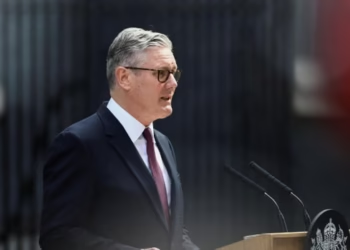 Starmer Resigns as Prime Minister Amid Internal Pressure
 MP Warning: Northern Rail Risks Repeating HS2 Failures
 Hollie Ridley to Step Down as Labour General Secretary
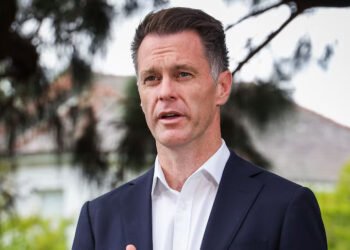 New South Wales Premier Chris Minns Signals Tough Road Ahead for Labor
 Jarvis Urges Burnham to Secure 3.5% Defence Spending
 Farage Warns Sky News Following Financial Inquiry
 Reform UK Finances Face Deep NCA Probe
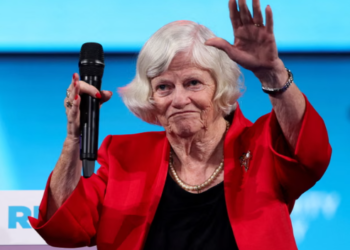 Ann Widdecombe, Formidable Political Figure, Dies at 78
 Treasury Reform Urged After Tragic Loss
 Sadiq Khan Backs Call for Maximum UK Work Heat Limit