Published: 21 August ‘2025. The English Chronicle Desk. The English Chronicle Online.
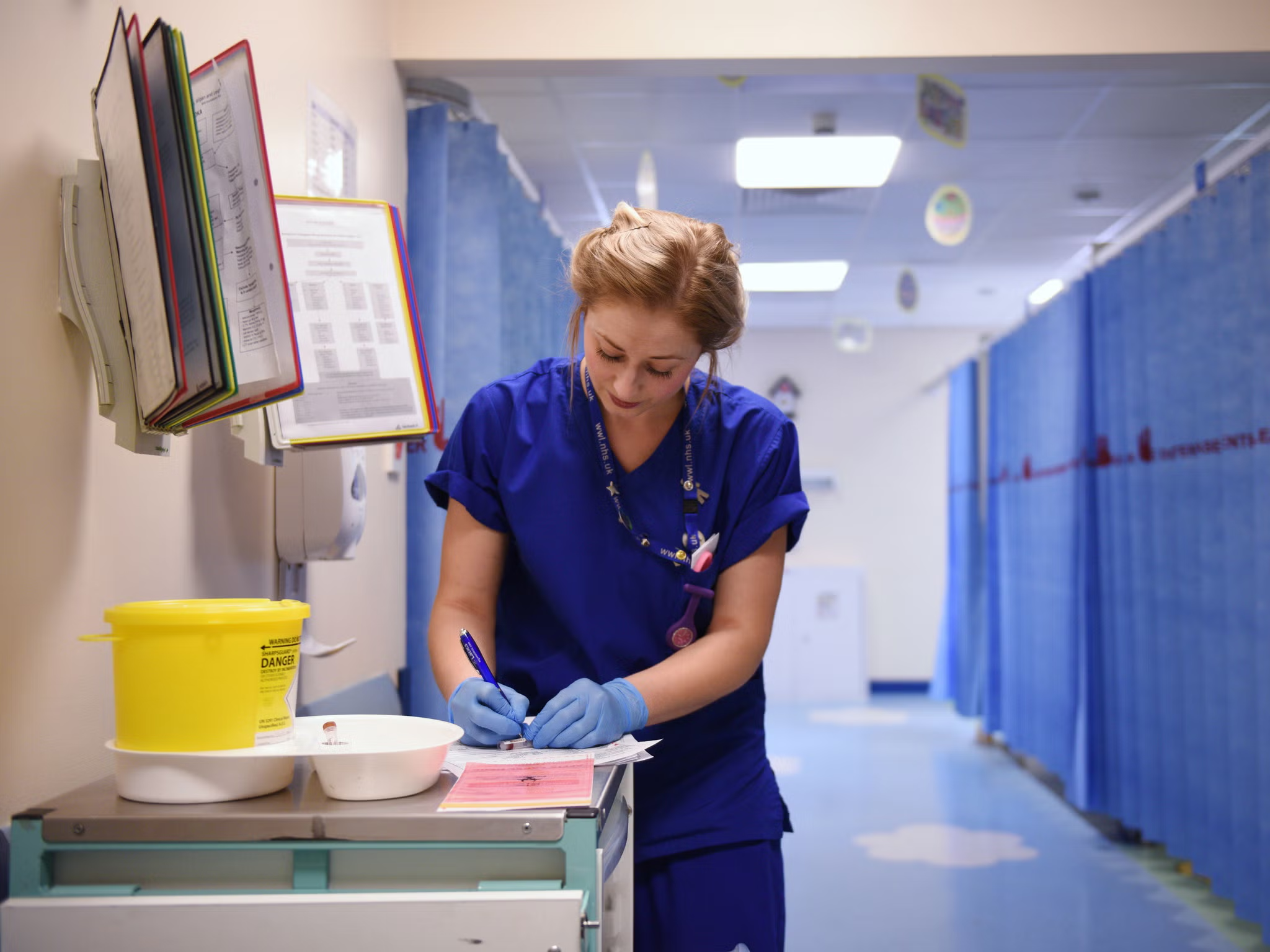
Emergency departments across the NHS are facing an unprecedented surge in patients seeking urgent care due to hunger, according to recent analyses of national health data. Over the past five years, admissions linked directly to lack of food have more than tripled, rising by nearly 219 percent between 2018-19 and 2023-24, as rising food prices and poverty levels placed increasing strain on households across England.
Experts have long warned that the UK’s cost-of-living crisis is driving families into deepening hardship, forcing some parents to go without food so that their children can eat. Food bank use has soared to record levels, and charities continue to report worrying trends of adults and children skipping meals. The NHS figures provide a stark numerical reflection of these social pressures, highlighting how hunger is increasingly translating into urgent medical needs.

In 2018-19, only 70 patients required emergency treatment due to hunger, but by 2023-24, that figure had risen to 230, demonstrating a 218.5 percent increase. Paula Lingard of the ID Band Company, which conducted the NHS data analysis, described the rise as “particularly concerning,” noting that it underscores the growing food insecurity in England. She emphasized that ensuring basic nutrition must be recognized as a central component of public health strategies, alongside traditional medical care.
Beyond hunger-related admissions, the NHS data also reveals significant increases in other emergency care causes. Adverse reactions to standard medical procedures saw the largest absolute rise in numbers, climbing from 40,881 cases to 103,295 over the five-year period, a 144.9 percent increase. Environmental pollution-related illnesses produced the second-highest proportional growth, with patient numbers tripling from 16 to 48. Surgical errors similarly increased sharply, with emergency interventions rising 179.9 percent, from 1,418 patients in 2018-19 to 4,094 in 2023-24. Cardiovascular equipment failures more than doubled during the same period, from 325 to 775 cases.
Meanwhile, some categories of emergency admissions declined. Cases of self-harm, particularly deliberate drug overdoses, fell by nearly half, from 12,298 to 6,499, while gun and rifle injuries dropped from 56 incidents to just 17. These reductions indicate a mixed pattern across the spectrum of urgent medical needs, contrasting sharply with the rise in poverty-related and procedural admissions.
The Resolution Foundation has highlighted that the outlook for UK living standards remains bleak for much of the 2020s, predicting that this could become the first decade in modern history with no meaningful improvement in disposable incomes. Analysts argue that the spike in hunger-related emergency care is a direct symptom of these broader socio-economic pressures.

A spokesperson for the Department for Health and Social Care described the situation as “utterly unacceptable,” emphasizing that no one should have to enter a hospital because they lack food. The spokesperson pointed to government interventions, including the introduction of free breakfast clubs in primary schools and the extension of free school meals to an additional half a million children, aimed at addressing nutritional needs. Additionally, changes to Universal Credit are set to provide a £420 boost to over a million of the poorest households, as part of efforts to alleviate poverty and improve public health outcomes.
The rising numbers of hunger-driven A&E admissions offer a stark reminder that socio-economic crises can quickly manifest in the healthcare system, affecting not only overall well-being but also placing unprecedented pressure on hospitals. Health experts continue to stress the urgent need for coordinated strategies that combine social support, nutritional interventions, and accessible healthcare to protect vulnerable populations.
Related News:
 UK Graduates in Healthcare Report Highest Satisfaction with Degree Choices
 Celebrities and Charities Demand UK Government Act on Child Poverty
 Crisis charity to become landlord amid UK housing emergency
 Reeves Rejects £1bn NHS Payout Plea from Streeting
 Concerns Mount Over Accuracy of At-Home Health Tests as Study Calls for Stricter Regulation
 The Ketamine Crisis in the UK is a Silent Epidemic Leaving Users with Lifelong Pain
 UK Economy Defies Expectations with Stronger-than-Predicted Growth in Second Quarter
 Rayner Faces Scrutiny as Taxpayer Costs for Trade Union Reps Soar Under Her Watch
 Chancellor Faces Mounting Pressure Amid “Impossible Trilemma” Over Tax Rises
 Woman Warned She Might Need Leg Amputation to Survive After Liquid Brazilian Butt Lift
 AI Tools Used by English Councils Found to Downplay Women’s Health Issues, Raising Concerns Over Gender Bias in Care
 UK Jobs Market Faces Strain as Employers Cut Bonuses and Hiring Amid Economic Slowdown
 Cats Develop Dementia Similarly to Humans, Study Finds
 Money Problem: ‘My husband is freelance and in hospital – how can I make sure we don’t lose our home?’
 Alarming rise in abusive teen relationships in the UK sparks urgent warnings
 Inquest Finds Agency Worker Failings Led to Unlawful Death of Vulnerable 14-Year-Old
 Larger Families Could Gain Thousands if Labour Ends Two-Child Benefit Cap
 Shocking Rise in Children’s Exposure to Violent Online Pornography Raises Alarm
 Inflation Latest: Cost of Living Expected to Rise Again in Key Figures Released Today
 Baby Food Manufacturers Given 18 Months to Improve Nutrition and Labelling
 Why E-Bikes and E-Scooters Are Making Streets a ‘Nightmare’ for Blind People
 Retail Sales See Uptick Amid Errors and Delays as ONS Faces Scrutiny
 UK House Prices Hit Record £299,331 as Market Shows Steady Growth
 Millions in the UK at Higher Risk of Heart Failure and Stroke Due to Air Pollution, Study Warns
 UK Retail Sales Rise in August, but Tax Concerns Loom Over Festive Period
 Norfolk Hospital Ranked Worst in England as NHS League Tables Return
 NHS Trials £100 Blood Test That Could Revolutionise Alzheimer’s Diagnosis
 More Than Half of UK Births Now Involve Medical Intervention
 NHS ‘Toxic Culture’ Risks Harm to Mothers and Babies, Health Leader Warns
 UK Labour Market Shows Signs of Cooling as Wage Growth Slows and Redundancies Rise
 UK Wage Growth Remains High, But Cost of Living Pressures Bite
 Privatisation of UK Industries Exacerbates Cost of Living Crisis, Warns Green Party Leader
UK Doctors Guilty of Sexual Misconduct Continue Practising Amid Weak Sanctions, Research Finds
Privatisation of UK Industries Exacerbates Cost of Living Crisis, Warns Green Party Leader
UK Doctors Guilty of Sexual Misconduct Continue Practising Amid Weak Sanctions, Research Finds
 Dagenham Left in Limbo After Smithfield and Billingsgate Market Relocation Cancelled
 Vodafone Franchisees Sound Alarm: Mental Health Toll of Commission Cuts Revealed Years Before £120m Court Battle
 Heavy Drinkers Lead Growth in Non-Alcoholic and Low-Alcohol Market
 UK Government Backs Return of International Rail Travel to Kent Stations
 Omeprazole Alert: NHS Issues Guidance on Safe Use for Heartburn and Indigestion
 UK Employment Bill Set to Grant Millions Greater Job Security, Thinktank Analysis Finds
 AstraZeneca to List on New York Stock Exchange While Retaining London Ties
 Retailers Warn Tax Rises Could Prolong Inflation as Shop Prices Climb
 Starmer Unveils Plan for NHS “Online Hospital” to Tackle Waiting Lists
 Marks & Spencer Staff to Work on Boxing Day for First Time in Five Years Amid Cost-Cutting Measures
 UK households brace for October benefit payments and rising energy costs amid cost-of-living pressures
 Delivery Apps Could Double the Cost of Your Groceries, Warns Consumer Watchdog
 Eligibility Confusion Over COVID Vaccination Leaves Pharmacies Struggling Across the UK
 Majority of UK Men Would Opt for Prostate Cancer Screening, Survey Finds
 Survey Shows Most GPs Rushing Appointments
 Ambulance Worker Fired After Flinging Amputee from Wheelchair and Offering Bribe
 Women Challenge Meta Over Targeted Ads After Miscarriage
 Mum’s Final Wish: Donating Her Body to Science
 Genetic Tests May Predict Return of Blood Cancer
 UK Woman Becomes Longest Survivor of Heart-Lung Transplant
£18 Prostate Cancer Test Could Save Thousands of Lives
UK Woman Becomes Longest Survivor of Heart-Lung Transplant
£18 Prostate Cancer Test Could Save Thousands of Lives
 Rachel Reeves Signals Tax Rises, Spending Cuts Ahead
 Thousands in the UK sue Johnson & Johnson over alleged talcum powder, linked to cancer
 Pregnant Women in England Face Rising Risk of Severe Birth Injury
 ‘Game-Changing’ HIV Prevention Jab Set for NHS Approval
 One in 12 Secondary Pupils Sent to Isolation Weekly
 November 2025 Benefit and Pension Payment Dates Announced
 Lotto result jackpot draw halted due to technical glitch
 UK Health Leaders Push for Urgent Tobacco & Vape Bill
 Man Trapped in Quicksand Rescued in Dramatic Coastal Rescue
 Hospice Cuts Raise Alarm Across England Amid Funding Crisis
 Green Party Surges Past Labour in Latest UK Poll
 Experts Warn on Home Birth Risks, Call for Skilled Midwives
 Tony Blair think tank warns Rachel Reeves must cut taxes if manifesto broken
 MPs Press Rachel Reeves to Hike Gambling Taxes
 London’s Childlessness Crisis: Schools Closing as Families Shrink
 Global markets drop amid tech sell-off and China slowdown
 UK launches major AI drive to fight deadly superbugs
 ‘Traumatic Wait’: Northern Ireland Women Face Breast Cancer Delays
 PM Highlights UK Business at G20 in South Africa
 Mossmorran Plant Closure Hits Cowdenbeath Hard
 Welsh Government Christmas 2020 Lockdown Criticised
 Coffins Now Too Large to Cremate Amid Rising Obesity Crisis
 NHS paediatric leave parents waiting months for answers
 Fibromyalgia Patients Struggle as NHS Fails to Provide Care
 “Enough is Enough”: Local MP Vows to Fight Rainham Quarry Plans
 Rising Water Bills Lift Troubled Thames Back to Profit