Published: 24 July 2026 | The English Chronicle Desk | The English Chronicle Online
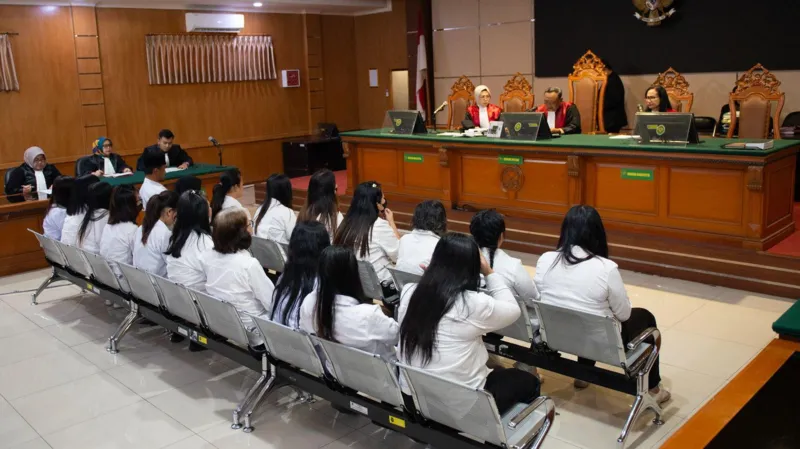
The discovery of Indonesian babies trafficked to Singapore has exposed a deeply troubling international child trafficking network and raised urgent questions about what happens next for the young victims caught in a crime that crossed borders and left families searching for justice.
The babies, who were allegedly taken from vulnerable families in Indonesia and transferred illegally to Singapore, are now at the centre of complex legal, humanitarian and welfare decisions. Authorities and child protection organisations face the difficult task of determining their identities, reconnecting them with biological families where possible and ensuring they receive long-term care and protection.
The case has highlighted the challenges involved in tackling modern child trafficking, particularly when victims are moved between countries with different legal systems and child protection frameworks.

Investigators believe the trafficking operation exploited families facing economic hardship and limited access to information, using deception and illegal arrangements to move infants across borders. The alleged network reportedly involved individuals who facilitated the transfer of babies from Indonesia to Singapore, where questions remain over how the children were registered, cared for and monitored.
Child trafficking experts say cases involving infants are especially complex because victims are often too young to provide any information about their origins. Unlike older children who may remember details about their families or communities, babies depend entirely on authorities and social workers to reconstruct their identities.
The first priority after rescuing trafficked children is usually immediate safety.
Authorities must ensure that the children receive medical examinations, psychological support and stable temporary care while investigations continue. Specialists say avoiding further disruption is essential because infants require consistent emotional and physical support during early development.
The legal process surrounding the children’s future can be complicated. Officials must establish whether the babies were separated from their biological parents through illegal adoption arrangements, outright abduction or other forms of exploitation. Each situation requires careful investigation before decisions can be made about custody, repatriation or alternative care.
For families in Indonesia, the search for answers has been filled with pain and uncertainty. Some parents may have spent months or years believing their children were lost forever, while others may have been misled by individuals promising financial assistance or better opportunities for their babies.
Human trafficking networks often target vulnerable communities by exploiting poverty, lack of education and limited access to government services. Criminal groups may present illegal adoption schemes as legitimate opportunities, convincing parents that their children will receive better lives elsewhere.
However, child protection experts stress that international adoption must always follow strict legal procedures designed to protect both children and biological families. When those safeguards are bypassed, children can become victims of exploitation rather than beneficiaries of a new home.
Singaporean authorities face the challenge of determining the children’s legal status and ensuring their welfare while cooperating with Indonesian officials. Cross-border cases require close coordination between police, immigration authorities, courts and child protection agencies.
The situation also raises questions about how trafficking networks were able to operate across international borders.
Experts say traffickers often rely on weaknesses in documentation systems, gaps between agencies and the desperation of families facing difficult economic circumstances. They may use forged documents, false identities or misleading information to move children without attracting immediate attention.
The investigation into the trafficking network is expected to examine everyone involved, including intermediaries, recruiters and anyone who may have benefited financially from the illegal transfers.
Authorities are also likely to investigate whether there were failures in oversight that allowed the children to leave Indonesia and enter Singapore without proper safeguards.
International child rights organisations have repeatedly warned that babies and young children are among the most vulnerable victims of trafficking. Because they cannot protect themselves or communicate their experiences, they depend entirely on adults and institutions to defend their rights.
The United Nations and other global organisations have identified child trafficking as a serious human rights violation, involving not only physical exploitation but also the loss of identity, family connections and basic protections.
For the rescued children, the road ahead will involve more than legal decisions. Experts say their emotional wellbeing must remain at the centre of all actions taken by authorities.
Even infants can experience the effects of separation, instability and disrupted caregiving environments. Child development specialists emphasise the importance of creating secure attachments and providing consistent care while long-term arrangements are decided.
If biological families are identified and determined to be safe environments, reunification may become the preferred outcome. However, authorities must carefully assess each case to ensure children are not returned to situations where they could face further harm.
Where reunification is impossible, alternative care arrangements may be considered, including placement with relatives, foster families or other approved caregivers.
The process requires balancing the child’s right to family connections with the need for safety and stability.
Legal experts say these cases often involve difficult ethical questions. While parents generally have fundamental rights, those rights can become complicated when criminal networks have interfered with family relationships or when documentation is unclear.
Authorities must also consider the children’s nationality and citizenship status. Because the babies crossed international borders through alleged illegal means, determining their official identity may require extensive documentation and cooperation between governments.
The case has prompted renewed calls for stronger protections against child trafficking in Southeast Asia.
The region has experienced previous cases involving illegal adoption networks, forced labour and exploitation of vulnerable children. Experts argue that governments must improve information sharing, strengthen border controls and increase support for families at risk.
Prevention remains one of the most effective tools against trafficking. Social programmes that support vulnerable parents, improve access to healthcare and provide accurate information about adoption procedures can reduce the opportunities exploited by criminal networks.
Community awareness is also considered essential. Families who understand the risks of unofficial adoption arrangements and suspicious offers are less likely to become targets of traffickers.
For Indonesia and Singapore, the current case represents a test of regional cooperation. Both countries must work together not only to prosecute those responsible but also to protect the children whose lives were disrupted by the alleged trafficking operation.
The investigation may take time, but child welfare organisations say the focus must remain on the victims rather than only the criminals involved.

Each child represents an individual story, a family connection and a future that must be protected. While authorities work to uncover the truth behind the trafficking network, the immediate responsibility is ensuring that the babies receive care, stability and the opportunity to grow up safely.
The case serves as a reminder that child trafficking is not only a criminal issue but a humanitarian crisis that can affect generations. Behind every investigation file are children whose identities, families and futures depend on decisions made by governments, courts and communities.
As legal proceedings continue, families wait for answers, and child protection workers continue their efforts, the central question remains: how can these children be given the secure and loving future they were denied at the beginning of their lives?
Related News:
 Man on Trial for Rape That Led to Andrew Malkinson’s Wrongful Jailing
 Undercover officer deceived women with ‘grotesque and cruel’ lies, spycops inquiry told
 Expert in Letby Trial Failed to Disclose Hospital Probe
 Epstein Used Modelling Agent to Recruit Girls, BBC Told
 Utah Bereavement Author Convicted in Husband’s Poisoning Case
 Children’s Author Convicted in Husband Poisoning Case
 Justice Served: Nine Indian Cops Sentenced to Death for Custodial Murder
 Prevent Failings Exposed After Southport Attack
 Ben Roberts-Smith Denies War Crime Allegations in First Statement
 Police Suspect Help in Missing Alice Springs Girl Case
 FBI Links Brown University Shooting to Long-Term Grievances
 US Charges Sinaloa Governor in Major Cartel Case
 Cartel crackdown raises fears of fresh violence
 Barrister Criticises Trial After Suicide Case Verdict
 China mine blast death toll rises to 90
 Australia Seizes Illegal Insects Worth $200K
 Bondi Points to Blanche Over Epstein File Release
 Man Arrested 22 Years After Leeds Teen Murder
 Teen Among Arrests at Nowak Protest as Three Charged
 Six More to Appear in Court Over Henry Nowak Protest Arrests
 Watchdog Says MI5 Knew Agent’s Violent Misogynistic Views
 Erika Kirk Faces Husband’s Alleged Killer in Court
 Democrats Urge Maine Senate Candidate to Leave Race
 Ukrainian Suspect Alters Account in Monaco Murder Case
 Murder Probe Continues After Arrest Release
 New Footage Revives Peter Falconio Mystery
 Bangkok Bar Fire Kills 27, Leaves Eight Critically Injured
 Uncle of Man Arrested in Ann Widdecombe Investigation Says Family Was Left ‘Shocked’ by News
 Northern Ireland Family of Three Shot Dead in Maguiresbridge Home Incident
 Targeted Attack in Bury Sparks Murder Investigation as Community Awaits Justice
 Man Remanded After Children Fall Ill at Leicestershire Summer Camp in Shocking Child Cruelty Case
 Merseyside Police Helicopter Crew Cleared After Low-Altitude Pursuit of Suspect
 UK Launches Major Crackdown on Networks Profiting from Online Child Sexual Abuse
 No Evidence Found to Substantiate Alleged Rape in Oxfordshire Churchyard, Police Confirm
 French Taxi Driver Cleared in David Lammy Theft Case After Fare Dispute
 Just Stop Oil Protesters Convicted Amid Climate Defence Row
 Serial Rapist and Former Cop Found Guilty Again
 Man Denies Stealing Bronze Age Gold from Museum
 Runaway Driver Caught by DNA Evidence
 Woman Jailed for Life After Killing E-Bike Rider in Tragic Mistaken Identity Case
 Police Doubt Fugitive Dezi Freeman Survived Bushland
 How Dark Web Agent Spotted Bedroom Wall Clue to Rescue Girl from Years of Harm
 Nine Arrested in France Over Death of Far‑Right Student
 Epstein Eyed Record Label Investment to Access Women, Files Suggest
 Fly-Tippers to Be Hunted by ‘Drone Squad’ in Crackdown from the Sky
 Duterte Refuses to Attend ICC Pre-Trial Hearing Over ‘Drug War’ Case
 Rape Accused Had Fight With Man in Alley, Court Told
 Suspects in Lisa Dorrian Case Released on Bail
 Driver Jailed Over Fatal Water Treatment Tank Crash
 Calls Grow to Remove Billboard Following Lyra McKee Graffiti
 Nepal Holds First General Election Since Gen Z Protests Toppled Government
 Labour MP’s Partner Arrested on Suspicion of Spying for China
 Police Scotland Pays £8m Compensation to Staff
 Armed police incident closes major road
 Scots Man Convicted in Dirty Money Case After DNA Found on Cash
 After Mugabe: Family Feuds and Legal Battles
 Liverpool Shooting Horror as Girl, 17, Shot in Legs in ‘Targeted Attack’
 Mandelson’s Phone Messages Requested in Files Release
 Families Tortured by Authorities During Investigations Inquiry Told
 Two Men Bailed Following Arson Attack on Jewish Charity Ambulances
 Watchdog Probes Police Handling of Andrew Tate Abuse Claims
 Police Hunt Bike-Riding Gunman After Man Shot Dead Near Euston
 “The Monster of Hull”: Funeral Director Admits to Preventing 30 Burials and Stealing Charity Cash
 The Fallen Icon: Ben Roberts-Smith Charged with Five War-Crime Murders
 Heartbreak in Bournemouth: The Tragic Death of James Blanch
 Rebranded or Reclaimed? Seized Tate Assets to Fund Domestic Abuse Support
 The Gilgo Beach Case: Heuermann Expected to Plead Guilty to Eighth Victim
 California fireworks blast: murder charges filed in case
 Misconduct Inquiry Launched Over Fatal Schoolgirl Crash Response
 Rat Poison Found in Baby Food Sparks Major Recall Row
 A Crime of Pure Hatred’: Court Hears Harrowing Details of Racially Aggravated Rape in Bristol
 ‘A Sacred Space Shattered’: Two Found Guilty in London Church Drive-By Murder Trial
 Justice and Deceit: High Court Convicts Woman in Hong Kong Blackmail Plot
 Tragedy in the Red Centre: Outback Search Ends in Discovery of Missing Girl’s Body
 Florida Surgeon ‘Devastated’ Over Fatal Surgery Error
 Immigration Judges Fear Pressure in Trump Era
 Zelensky Invites Putin to Direct Peace Talks
 Bear Escapes Factory Through Open Window
 Three-Year-Old Boy Attacked by Crocodile at Zoo as Man Released on Bail
 Police Rule Out Political Motive in Widdecombe Killing