Published: 27 August 2025. The English Chronicle Desk
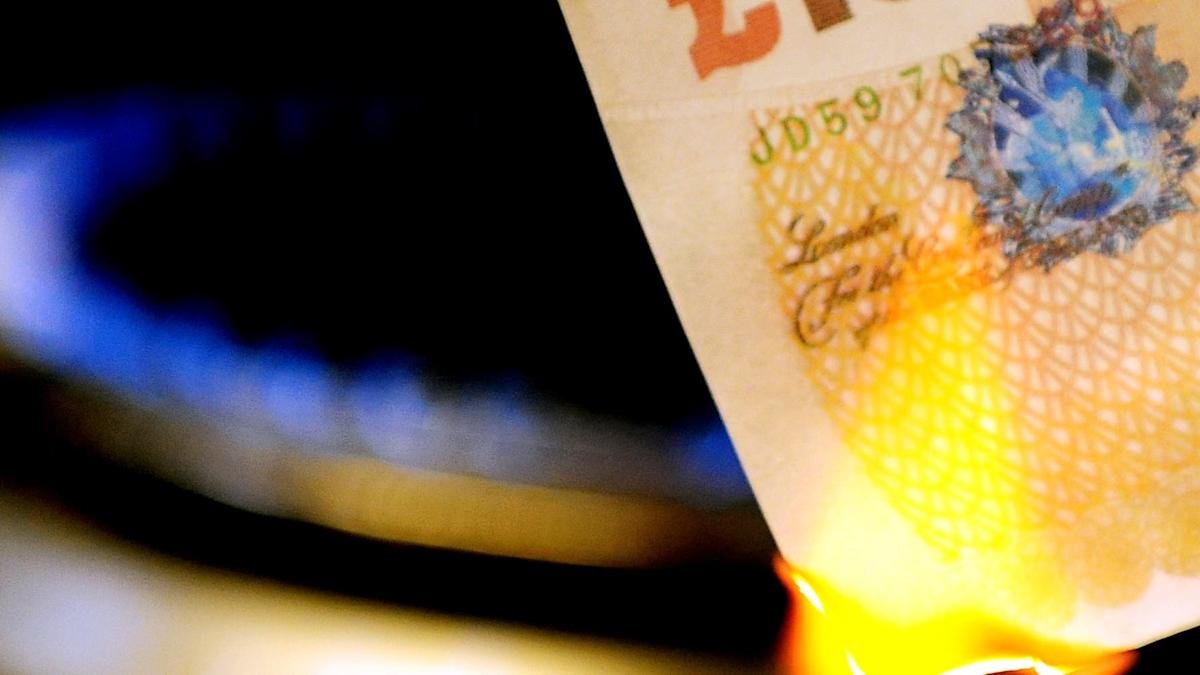
Millions of households across Britain are bracing for another winter of costly energy bills after regulator Ofgem announced that gas and electricity prices will increase by more than initially predicted. The adjustment, which will take effect from the start of October, sets the annual energy bill for an average household at £1,755 – a rise of £35 compared with the current price cap.
Although the increase of 2% may appear modest, campaigners warn it will nevertheless add further strain on families already struggling with high living costs and persistent energy debt. Analysts had anticipated a smaller rise, but Ofgem said the hike reflects not only movements in wholesale energy markets but also the higher-than-expected cost of balancing the energy network and funding government-backed support measures for vulnerable households.

The energy price cap, which covers around 28 million homes in England, Scotland and Wales, sets the maximum price suppliers can charge per unit of gas and electricity. While it does not dictate the total bill, which depends on individual consumption, households can broadly estimate the impact by adding an extra £2 for every £100 currently spent on annual energy costs.
The latest rise comes as British families continue to feel the squeeze of wider price pressures. According to the British Retail Consortium, food prices are climbing at their fastest pace since February last year, with staples such as butter, eggs, and chocolate seeing particularly sharp increases. Campaigners fear that the combination of higher grocery and utility bills will deepen financial hardship, particularly in low-income households.
Ofgem’s announcement also brings changes to standing charges – the fixed daily fees that consumers must pay regardless of usage. Standing charges will rise by 4% for electricity and by 14% for gas, with the latter jumping from 29p to 34p per day. These charges have long been a point of contention among consumer groups, who argue that they disproportionately affect households that use less energy.

To help cushion the blow, the government has expanded the £150 Warm Home Discount for those on means-tested benefits, scrapping previous eligibility conditions related to property size. While this provides relief for millions, the cost of the scheme will be spread across all billpayers through higher standing charges. Energy minister Michael Shanks defended the policy, insisting it was a vital step to protect the most vulnerable during what is expected to be another challenging winter. He also reiterated the government’s long-term ambition to increase domestic clean energy production as a way of stabilising future prices.
Consumer group Which? has advised households to review the market for fixed-rate deals, warning, however, that some tariffs include hefty exit fees which may wipe out potential savings. Ofgem reported that more than a third of households are now on fixed deals, describing this as a sign of a “healthier market.” Tim Jarvis, Ofgem’s director general of markets, acknowledged the financial pain households are experiencing but noted that those paying by direct debit could still reduce costs compared with households paying by standard credit or prepayment meters.
Despite these measures, campaign groups insist that the reality remains grim. The End Fuel Poverty Coalition estimates that households are still grappling with around £4 billion in accumulated energy debt from previous years of soaring prices. Its coordinator, Simon Francis, said: “This rise means yet another winter of high bills, with the average family still paying hundreds of pounds more than just a few years ago.”
In communities across the UK, local organisations are stepping in to bridge the gap. At Parc Primary School in the Rhondda Valley, staff have partnered with the Fuel Bank Foundation charity to issue vouchers to struggling families. Leanne Gough, the school’s family engagement officer, described the sense of desperation among parents. “We’ve got a high level of need, and people are really struggling, not only with fuel but with life in general. Sometimes you issue a fuel bank voucher and you can see the relief on their face, but it is short-term. People are proud, so it takes a lot for them to come and ask.”
Meanwhile, political debate has intensified over the issue. Opposition parties accused the government of failing to shield consumers from escalating costs. The Conservatives argued that the rise in bills stemmed from policy failures rather than external factors. Liberal Democrat leader Ed Davey went further, describing the increase as “the last thing families and pensioners needed this winter,” and urging ministers to provide greater targeted assistance.

As the new cap comes into force from October for a three-month period, households will once again be confronted with the uneasy reality of Britain’s fragile energy landscape. For many, the price hike represents not just another increase in bills, but yet another reminder of the ongoing struggle to keep homes warm and essentials affordable during a period of stubbornly high living costs.
Related News:
 UK Must Act with Courage and Clarity on Israel-Palestine Conflict, Says Foreign Affairs Committee Report
 The Ketamine Crisis in the UK is a Silent Epidemic Leaving Users with Lifelong Pain
 London Set to Honour Euro 2025 Champions as Lionesses Take Victory Parade Through the Capital
 Targeted Attack in Bury Sparks Murder Investigation as Community Awaits Justice
 Princess of Wales Launches Animated Video Series to Support Early Childhood Development
 Heartbreak in the New Forest as Shetland Ponies Vanish, Community on Edge
 Radioactive Leak at UK’s Nuclear Warhead Base Sparks Outcry Over Safety and Secrecy
 Fire Contained at Edinburgh’s Arthur’s Seat After Overnight Battle by Firefighters
 Premier League Supercomputer Predicts Tough Season for Man Utd Amid Three-Team Title Battle
 Mystery Wallaby Spotted on Norfolk-Suffolk Border Sparks Police Appeal
 UK Weather: Heat Alerts Extended as Temperatures Set to Reach 30°C This Weekend
 Terence Stamp, ’60s British Film Legend and Star of Superman, Dies at 87
 Chancellor Rachel Reeves Pushes for Sweeping Changes to Environmental Protections to Accelerate Development
 Inflation Latest: Cost of Living Expected to Rise Again in Key Figures Released Today
 Merseyside Police Helicopter Crew Cleared After Low-Altitude Pursuit of Suspect
 Is the UK Ready to Put Boots on the Ground in Ukraine? Assessing Military Capacity and Challenges
 Reform Voices Alarm as UK Asylum Figures Reveal Growing Hotel Crisis Amid Channel Crossings Surge
 Education Leaders Call for End to Compulsory GCSE Resits in English and Maths
 Police Scotland Spends £500,000 Compensating Officers Over Trump Visit
 Britain’s Migration Challenge: Rising Asylum Numbers and Hotel Pressures
 Elon Musk Sparks New Controversy by Backing Tommy Robinson Amid Farage Feud
 Grimsby Stun Manchester United in Dramatic Penalty Shootout
 Rachel Reeves’s Budget Advisor Proposes Sweeping Tax Hikes: What Could Hit Households Next
 Guardiola Admits City ‘Forgot to Play’ After Shock Defeat to Brighton
 Why E-Bikes and E-Scooters Are Making Streets a ‘Nightmare’ for Blind People
 Retail Sales See Uptick Amid Errors and Delays as ONS Faces Scrutiny
 British Couple Among 16 Killed in Lisbon Funicular Tragedy
 Millions in the UK at Higher Risk of Heart Failure and Stroke Due to Air Pollution, Study Warns
 UK Retail Sales Rise in August, but Tax Concerns Loom Over Festive Period
 UK Launches Major Crackdown on Networks Profiting from Online Child Sexual Abuse
 UK Rejoining EU ‘Unlikely in My Lifetime,’ Says Starmer’s Europe Reset Negotiator
 UK Graduates in Healthcare Report Highest Satisfaction with Degree Choices
 Prime Suspect in Madeleine McCann Case Declines Metropolitan Police Interview Ahead of German Prison Release
 ‘Unite the Kingdom’ Rally Sparks Fears of Far-Right Normalisation Among Minority Britons
 Growing Crisis in UK Schools: One in Three Parents Seek Special Needs Assessments
 Thousands Gather in London to Protest Donald Trump’s Second UK State Visit
 Zarah Sultana Seeks Legal Action After Bitter Clash with Jeremy Corbyn Over Party Membership Funds
 Watchdog, Cornflakes and Courage: Remembering John Stapleton, a Broadcaster Who Did It All
 Top Andy Burnham Ally Launches Fierce Critique of Starmer Ahead of Labour Conference
 Mahmood Pledges Reform of Modern Slavery Laws After Court Blocks Deportation Appeal
 UK Government Backs Return of International Rail Travel to Kent Stations
 Arsenal VS Newcastle Hearts with Dramatic Late Turnaround at St James’ Park
 Ed Miliband Urges Labour to Confront Billionaire-Backed Opposition to Net Zero Goals
 A Third of EU Citizens in UK Report Discrimination by Public Bodies Post-Brexit
 Wetherspoon vows to keep prices low amid soaring energy and tax costs
 Teacher Permanently Banned After Slapping Pupil Over Classroom Incident
 Digital ID Plans Ignite Debate Over £600m Treasury Tax Boost and Privacy Concerns
 Millions in the UK at Risk of Cyber-Attacks as Microsoft Ends Windows 10 Updates, Warns Which?
 Public Trust in SNP Hits Historic Low Amid NHS Concerns
 Yvette Cooper Backs Digital ID Plan for UK Teens
 Strictly Celebs Starstruck as Cynthia Erivo Shines
 Ian Watkins Killed in Prison; Ex-Girlfriend Speaks Out
 Johnson Suggests Mandelson Linked to China Spy Controversy
 Ministry of Justice fails to file £11bn in spending receipts
 Rachel Reeves signals welfare reform ahead of key budget
 Reform UK candidate fined £19,000 after using AI-generated cases to challenge election
 Harry and Meghan join global AI leaders urging superintelligence ban
 William Steps Up Over Prince Andrew Palace Response
 Hospice Cuts Raise Alarm Across England Amid Funding Crisis
 Green Party Surges Past Labour in Latest UK Poll
 Zarah Sultana Launches Party to Change Politics
 Children to Learn Local History in Major Curriculum Overhaul
 Granit Xhaka Rescue Earns Everton Draw at Sunderland
 Prince William Plants Trees with Brazil’s Nature Heroes
 Just Stop Oil Protesters Convicted Amid Climate Defence Row
 King Charles to Lead Nation in Remembrance Sunday Service
 How to get help when a child goes missing – call 999 urgently
 Starmer Faces Growing Dissent as Labour MPs Weigh Leadership Challenge
 Son Reveals UK Couple in Iran Resort to Hunger Strike for Help
 Valve Opens the Door for Android Games on Steam
 Peers Flood Assisted Dying Bill with 942 Amendments
 Former Lion Heskey Warns of Shortage of England Strikers
 Mother Watches in Horror as Teen Daughter Dies on Tracks
 ‘Traumatic Wait’: Northern Ireland Women Face Breast Cancer Delays
 Serial Rapist and Former Cop Found Guilty Again
 Most Tories Expect to Support a Farage-Led Government
 Bill Murray Terrified Wes Anderson but Became His Closest Collaborator
 Karen Carney Stuns on Blackpool Week, Deserves Strictly Final
 Fibromyalgia Patients Struggle as NHS Fails to Provide Care
 Virgin Media Fined £23.8m Over Telecare Safety Failures