Published: 25 September 2025. The English Chronicle Desk
Labour’s uneasy relationship with the financial markets has once again been thrown into sharp relief, as party figures wrestle with competing visions of Britain’s economic future and simmering tensions over Sir Keir Starmer’s leadership. While Starmer himself has faced accusations of indecisiveness, what some within Labour are now demanding risks plunging the party into deeper turmoil, with proposals that critics describe as both economically reckless and politically naïve.
For decades, the Labour left has viewed financial markets with suspicion, seeing them as the last obstacle to sweeping social reform and the pursuit of a more interventionist, socialist vision of government. To these critics, the bond markets in particular represent an unaccountable force dictating limits on spending and curbing governments’ ambitions. Yet to many economists and investors, the bond market is not an enemy but a reality check, a mechanism that signals how far public borrowing can stretch before fiscal credibility collapses.
The controversy has sharpened in recent weeks as Chancellor Rachel Reeves attempts to stabilise Labour’s economic narrative against a backdrop of soaring government debt and fragile investor confidence. Britain is already set to borrow at least £150 billion this year, with forecasts suggesting that figure could climb to £200 billion if growth stagnates further. Alongside this, the Treasury must refinance another £150 billion in existing debt due to mature. The sheer scale of these commitments has left Britain more dependent than ever on the willingness of global investors to continue buying UK bonds.

It is precisely this dependence that Labour’s critics say the party cannot afford to underestimate. Yet Andy Burnham, the Mayor of Greater Manchester and one of the most prominent voices on the party’s left, has added fuel to the fire by publicly suggesting Britain should “get beyond this thing of being in hock to the bond markets.” In an interview with the New Statesman, Burnham unveiled proposals for an additional £40 billion in borrowing, earmarked for a vast programme of council housing construction.
For many grassroots Labour members, the pledge was a rallying cry: bold, populist, and aimed at addressing the housing crisis that continues to blight communities across the country. But to economists and critics within Labour’s own ranks, it smacked of fiscal fantasy. The argument is simple: Britain already faces punishing borrowing costs, with international investors charging the UK higher interest rates than almost any other major Western economy. Some analysts describe this as the so-called “moron premium,” a legacy of last year’s bond market turmoil under Liz Truss, when reckless promises of unfunded tax cuts caused sterling to crash and borrowing costs to soar.
To push Britain’s debt burden further, critics argue, would risk a repeat of that chaos on an even more dangerous scale. “We’re already walking a tightrope,” one financial analyst noted. “Another £40 billion in borrowing, without a credible repayment plan, would send a disastrous message to investors. It’s exactly the kind of brinkmanship the markets punish.”
Burnham, however, appears undeterred. His remarks were widely interpreted as a pitch for national leadership, aimed at restive Labour MPs who believe Starmer has failed to offer the boldness or clarity needed to revive the party’s fortunes. The Manchester Mayor accused Starmer of being “divisive” and lacking the vision necessary to lead Britain through crisis. “We need wholesale change,” Burnham insisted, echoing comments he has made throughout the summer that hint at his wider ambitions.
The political gamble is clear. By tapping into frustration among Labour activists who feel betrayed by the party’s cautious fiscal stance, Burnham positions himself as the champion of bold reform. Yet by doing so, he risks alarming investors and reinforcing fears that Labour is not ready to govern responsibly. In the eyes of many, this represents the party’s fundamental dilemma: how to reconcile the demands of its base with the unforgiving constraints of global finance.
Rachel Reeves has been at pains to signal prudence, repeatedly stressing her commitment to fiscal discipline and warning colleagues that stability must come before new spending promises. Yet her task has grown harder as figures like Burnham openly challenge that orthodoxy. For Starmer, caught between his Chancellor’s cautious realism and Burnham’s populist appeal, the stakes could hardly be higher.
What makes the debate particularly volatile is the memory of recent history. Liz Truss’s premiership collapsed after just weeks in office when markets rebelled against her plans to borrow and spend without restraint. Bond yields spiked, mortgage rates soared, and the Conservative Party’s reputation for economic management was shredded almost overnight. Labour had hoped to benefit from that implosion, casting itself as the sober alternative. But now, with Burnham’s comments dominating headlines, questions are being asked about whether Labour risks walking down a similar path.
Critics say that Burnham’s stance amounts to little more than blaming creditors when the bills arrive—a tactic familiar to anyone drowning in debt but unconvincing as national economic policy. Far from freeing Britain from dependence on financial markets, they argue, his plan would deepen that dependence by increasing reliance on foreign capital. In this view, markets are not villains but lifelines, ensuring Britain can continue to finance its public services in the absence of sufficient domestic growth.
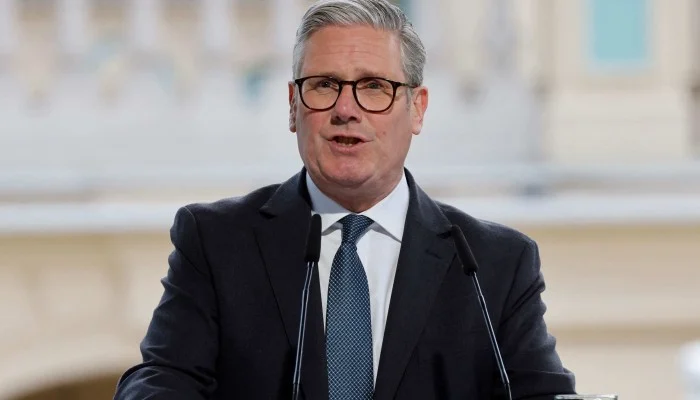
For Starmer, the timing could hardly be worse. His leadership is already under scrutiny, with murmurs of discontent spreading through the Labour ranks. Burnham’s willingness to openly position himself as an alternative voice has only heightened speculation about potential succession battles. Many Labour MPs quietly acknowledge that Burnham retains significant grassroots popularity and, with his northern base, offers a political contrast to Starmer’s London-centric image.
Yet beneath the political theatre lies a stark economic reality. Britain’s fiscal outlook is strained, growth remains sluggish, and global investors are watching closely. The last thing the country can afford, many argue, is another experiment in economic brinkmanship. “The markets are the final guardrail,” one commentator observed. “Remove them, and there is nothing left to stop us driving straight off the cliff.”
Whether Starmer can hold his party together in the face of such competing pressures remains uncertain. What is clear, however, is that Labour’s debate over borrowing and spending has become a proxy for the wider struggle over its future direction. Burnham’s bold rhetoric may inspire activists, but unless it is tempered by economic realism, it risks deepening the perception that Labour is not yet ready to govern responsibly.

As the debate rages, one lesson from the recent past looms large: markets may be faceless and unforgiving, but they are not easily ignored. For Starmer and Reeves, steering Labour away from fiscal recklessness may prove their greatest challenge. For Burnham, betting that defiance will bring political reward could either cement his leadership ambitions or doom them to the same fate as Liz Truss’s ill-fated experiment.
Related News:
 UK Must Act with Courage and Clarity on Israel-Palestine Conflict, Says Foreign Affairs Committee Report
 Tasers Introduced in UK Prisons to Combat Rising Violence and Protect Staff
 Wethersfield Controversy Deepens as Asylum Seeker Numbers Set to Surge by 50%
 Chancellor Faces Mounting Pressure Amid “Impossible Trilemma” Over Tax Rises
 Radioactive Leak at UK’s Nuclear Warhead Base Sparks Outcry Over Safety and Secrecy
 Mass Arrests in London as Protest Defies Ban on Palestine Action
 Mutual Inconvenience: Why Alaska Was Chosen for the Trump-Putin Summit on Ukraine
 Russell T Davies Warns of Declining UK Gay Rights Amid Rise of Reform UK and Trump Influence
 UK Government Expands ‘Deport Now, Appeal Later’ Policy to 23 Countries
 Farage Accuses PM of ‘Democratic Disparity’ in House of Lords Representation
 Chancellor Rachel Reeves Pushes for Sweeping Changes to Environmental Protections to Accelerate Development
 Larger Families Could Gain Thousands if Labour Ends Two-Child Benefit Cap
 Is the UK Ready to Put Boots on the Ground in Ukraine? Assessing Military Capacity and Challenges
 Ory Councils Urged to Challenge Asylum Hotels After Epping Ruling
 Palestine Action Ban Protesters Plan Tactic to Overwhelm Police at Next London Demonstration
 Police Scotland Spends £500,000 Compensating Officers Over Trump Visit
 Britain’s Migration Challenge: Rising Asylum Numbers and Hotel Pressures
 Elon Musk Sparks New Controversy by Backing Tommy Robinson Amid Farage Feud
 Polanski’s Rise Signals a Shift in British Political Landscape
 Urgent Action Needed on Windrush Compensation as Survivors Speak of “Waiting to Die”
 Tanni Grey-Thompson Faces Abuse Over Opposition to Assisted Dying Bill
 Protests Expected as Israeli Arms Firms Join Global Defence Trade Fair in London
 Are Britain’s Unions Turning Against the Workers They Once Represented?
 TfL Invites RMT to Resume Talks as London Tube Strikes End
 UK Rejoining EU ‘Unlikely in My Lifetime,’ Says Starmer’s Europe Reset Negotiator
 ‘Unite the Kingdom’ Rally Sparks Fears of Far-Right Normalisation Among Minority Britons
 France Proposes Ceiling on UK Role in €150bn EU Defence Fund
 Thousands Gather in London to Protest Donald Trump’s Second UK State Visit
 Zarah Sultana Seeks Legal Action After Bitter Clash with Jeremy Corbyn Over Party Membership Funds
 Nigel Farage Unveils Controversial Immigration and Welfare Plans at Reform UK Press Conference
 Top Andy Burnham Ally Launches Fierce Critique of Starmer Ahead of Labour Conference
 Mahmood Pledges Reform of Modern Slavery Laws After Court Blocks Deportation Appeal
 It Changed My View’: Campaign Encourages Pupils in Deprived Areas to Consider University
 UK Fighter Jet Purchase Could Breach Nuclear Treaty, Warns CND
 Migrants in UK May Need to Contribute or Face Removal, Home Secretary Signals
 Ed Miliband Urges Labour to Confront Billionaire-Backed Opposition to Net Zero Goals
 A Third of EU Citizens in UK Report Discrimination by Public Bodies Post-Brexit
 Senior Tories Condemn Badenoch’s Vow to Repeal Climate Change Act as Catastrophic
 Home Secretary condemns Gaza protests after Manchester synagogue attack as “un-British”
 Digital ID Plans Ignite Debate Over £600m Treasury Tax Boost and Privacy Concerns
 Robert Jenrick Reiterates Controversial Comments on Birmingham’s Integration as Backlash Grows
 Public Trust in SNP Hits Historic Low Amid NHS Concerns
 Yvette Cooper Backs Digital ID Plan for UK Teens
 Starmer Faces Backlash Over Downing Street Shake-Up and Progressive Exodus
 Johnson Suggests Mandelson Linked to China Spy Controversy
 Ministry of Justice fails to file £11bn in spending receipts
 Witness statements reveal the CPS China spy row collapse in the UK
 Rachel Reeves signals welfare reform ahead of key budget
 Starmer pledges to claw back Baroness Michelle Mone’s Covid contract millions
 Reform UK candidate fined £19,000 after using AI-generated cases to challenge election
 The debate over England’s compulsory reading test for 13-year-olds
 Hermer to face questions on alleged China spy case intervention
 Kosovo agrees to host Britain’s refused asylum seekers
 William Steps Up Over Prince Andrew Palace Response
 UK Health Leaders Push for Urgent Tobacco & Vape Bill
 How the Royal Navy Can’t Stop the Channel Boats
 British Woman in Iran ‘Losing Hope’ Amid Ongoing Detention
 Johnson Approved China’s London ‘Super-Embassy’ in 2018
 BBC Journalist Held and Interrogated in Vietnam
 Green Party Surges Past Labour in Latest UK Poll
 Celebrities and Charities Demand UK Government Act on Child Poverty
 Zarah Sultana Launches Party to Change Politics
 FBI Director Kash Patel Defends Girlfriend Amid Government Jet Claims
 ‘Reckless’ cuts to victims’ services will cost more than they save
 Starmer Faces Growing Dissent as Labour MPs Weigh Leadership Challenge
 Politics latest: Starmer ‘will fight any leadership coup’ as Streeting denies attempt to oust Labour PM
 Pressure Mounts on Starmer to Sack Chief of Staff Over Briefing Row
 Peers Flood Assisted Dying Bill with 942 Amendments
 England’s Special Needs Support Faces Breaking Point
 MoD warned over Excel risks before Afghan data breach
 Labour Faces Historic Decline in Wales
 PM Highlights UK Business at G20 in South Africa
 Kate Forbes: Motherhood Harder Than Politics
 Most Tories Expect to Support a Farage-Led Government
 Labour MP claims devolution bill is ‘blatant discrimination’ against Cornwall
 Millions Face Higher Taxes Under Reeves New Budget
 Peers Get Extra Time to Debate Assisted Dying Bill
 “Enough is Enough”: Local MP Vows to Fight Rainham Quarry Plans
 Met officers ordered to declare Freemason links
 Culture secretary to review Telegraph takeover by Daily Mail owner