Published: 08 October 2025. The English Chronicle Online.
A new survey has revealed that the majority of men in the United Kingdom would attend prostate cancer screening if invited by the NHS, highlighting growing public support for a national testing programme. The research, conducted by Healthwatch England and encompassing 3,575 adults, found that eight in ten men aged over 18 would accept an NHS check for prostate cancer, the most common form of the disease in men.
The findings arrive amid calls from The Telegraph and other health campaigners for a dedicated prostate cancer screening programme that would target high-risk groups, including men over 50, black men, and those with a family history of the disease. Currently, men over 50 who do not exhibit symptoms can request a blood test from their GP, but there is no routine invitation system in place. NHS guidance instructs GPs not to proactively offer testing unless men present symptoms, leaving a significant portion of at-risk men without timely access to screening.

Healthwatch England’s survey also found that the willingness to undergo screening increases with age. Among men aged 65 to 74, nine in ten expressed readiness to attend an NHS check, underscoring a clear demand for earlier detection and preventative measures in the population most likely to be affected. The think tank emphasised that the Government has so far neglected to consult men on a national testing programme as part of its “men’s health strategy,” urging policymakers to incorporate public opinion alongside expert medical guidance in their decision-making.
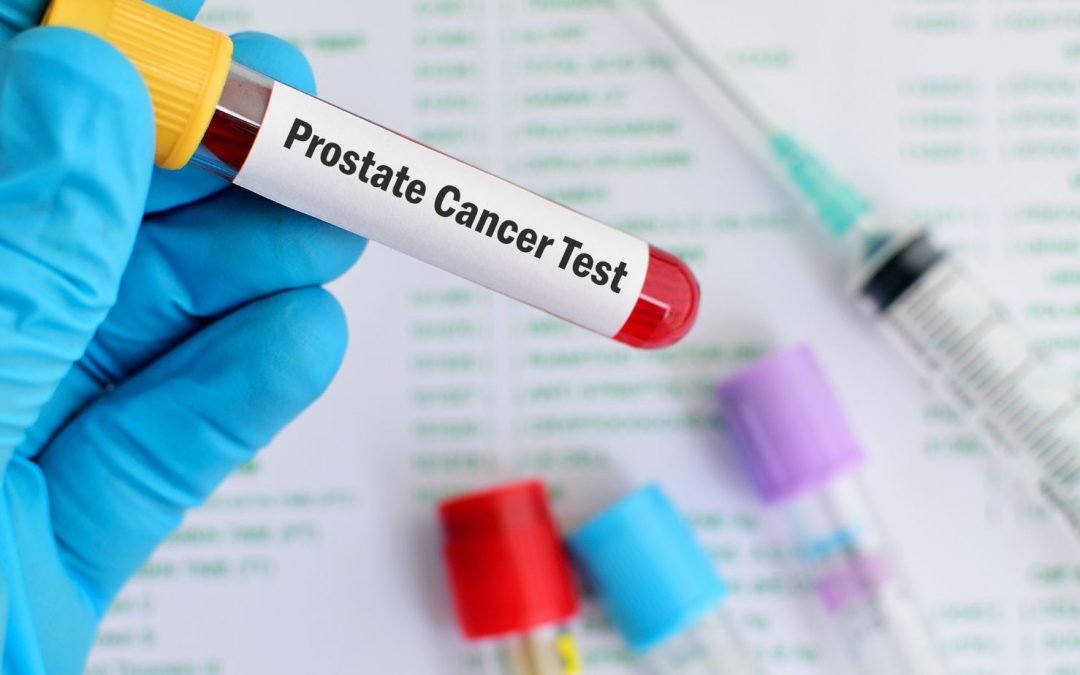
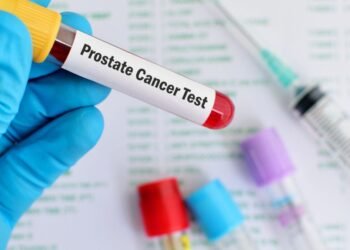
Prostate cancer testing typically begins with a PSA (prostate-specific antigen) blood test, which measures the amount of a protein produced by the prostate gland. In many cases, further diagnostic procedures such as MRI scans and biopsies are required to confirm a diagnosis before any treatment is initiated. While these tests are essential for detecting potentially life-threatening conditions, critics caution that PSA testing can sometimes lead to overdiagnosis and unnecessary treatments, which may carry their own risks and side effects.
Health Secretary Wes Streeting has publicly endorsed the principle of a prostate cancer screening programme, noting that around 55,000 men are diagnosed with the disease each year in the UK. However, he stressed that any implementation would be “guided by the evidence,” and the National Screening Committee has been tasked with reviewing available options. A formal decision on whether to introduce routine screening for prostate cancer is expected in November.
The survey’s results reveal significant variations in risk awareness and demand among different demographic groups. For example, 81% of black men surveyed indicated that they would attend an NHS check, an important consideration given that black men are twice as likely to develop prostate cancer compared to other groups. The research also examined whether men aged 50 and over had previously requested a PSA test. Approximately 36% had made a request, though 7% of those were denied access, while the remainder had never sought testing.
Prostate cancer remains a significant public health concern. Around one in eight men will be diagnosed with the disease, most often after the age of 50. Despite advances in detection and treatment, more than 10,000 men die from prostate cancer each year in the UK. Early diagnosis dramatically increases survival rates, making the case for routine screening even more compelling.
Advocates argue that introducing a national screening programme could save thousands of lives each year by identifying cases at an earlier, more treatable stage. They point to the success of existing NHS cancer screening programmes, including breast, cervical, and bowel cancer, as a model for early detection initiatives that improve outcomes and reduce long-term healthcare costs.
Critics of routine PSA testing caution that widespread screening must be carefully managed to avoid overdiagnosis and unnecessary medical interventions. They argue that alongside screening, men should receive comprehensive guidance and follow-up care to ensure that any detected abnormalities are assessed appropriately and treated only when medically necessary.

The survey results and ongoing discussions about prostate cancer screening highlight a broader need for increased awareness of men’s health issues in the UK. Public health experts emphasise that, alongside routine medical check-ups, lifestyle interventions such as diet, exercise, and regular monitoring of prostate health can play a key role in prevention and early detection.
With public support clearly evident and expert bodies reviewing the available evidence, the coming months will be critical in determining whether the NHS introduces a national programme that routinely invites men for prostate cancer screening. Health campaigners hope that by incorporating both scientific evidence and patient perspectives, policymakers will implement measures that could significantly reduce the burden of this common and potentially deadly disease.
Related News:
 Alarming rise in abusive teen relationships in the UK sparks urgent warnings
 Breakthrough Clinical Trial Lets 12-Year-Old Boy with Rare Skin Disorder Play Football
 Expanded Access to Health Diagnostics in England Now Available Beyond Standard Hours
 Shocking Rise in Children’s Exposure to Violent Online Pornography Raises Alarm
 UK Doctors Guilty of Sexual Misconduct Continue Practising Amid Weak Sanctions, Research Finds
 Ambulance Worker Fired After Flinging Amputee from Wheelchair and Offering Bribe
 UK Woman Becomes Longest Survivor of Heart-Lung Transplant
 Thousands in the UK sue Johnson & Johnson over alleged talcum powder, linked to cancer
 Mother dies after black market weight loss injection
 Young Woman Missed 13 Times by GPs Before Bowel Cancer Diagnosis
 Experts Warn on Home Birth Risks, Call for Skilled Midwives
 Experts Urge Legal Right to Timely Cancer Care
 North Sea oil workers must lose weight or face job loss
 No link found between paracetamol in pregnancy and autism
 Leading doctors issue warning amid ‘bad’ flu season
 Coffins Now Too Large to Cremate Amid Rising Obesity Crisis
 The Ketamine Crisis in the UK is a Silent Epidemic Leaving Users with Lifelong Pain
 MPs Warn Thousands Still Face Poverty Despite Labour’s Welfare Reform Retreat
 UK Launches World-First Gonorrhoea Vaccine Amid Record Infection Surge
 Mind the Grab’: Bold Campaign Launched on Oxford Street to Combat Phone Theft
 Woman Warned She Might Need Leg Amputation to Survive After Liquid Brazilian Butt Lift
 FBI and NSPCC Sound Alarm Over Alarming Surge in Child Sextortion Cases Online
 AI Tools Used by English Councils Found to Downplay Women’s Health Issues, Raising Concerns Over Gender Bias in Care
 Appalling Rise in Pharmacy Crimes: Staff Face Increasing Theft and Aggression
 Inquest Finds Agency Worker Failings Led to Unlawful Death of Vulnerable 14-Year-Old
 Akinwale Arobieke Found Dead at Liverpool Home
 Why E-Bikes and E-Scooters Are Making Streets a ‘Nightmare’ for Blind People
 Norfolk Hospital Ranked Worst in England as NHS League Tables Return
 Britain’s Butterfly Numbers Rebound but Remain Average
 More Than Half of UK Births Now Involve Medical Intervention
 NHS ‘Toxic Culture’ Risks Harm to Mothers and Babies, Health Leader Warns
 Systemic Racism in Maternity Care Continues to Endanger Black Women in England, MPs Warn
 One in Three GPs in England Do Not Work in NHS, Raising Concerns Over Access to Care
 Persistent Offenders Owe Over £700m in Ulez Fines as TfL Cracks Down on Evasion
 Northern Ireland Faces Fears of Prolonged Race Riot “Permacrisis”
 Zarah Sultana Seeks Legal Action After Bitter Clash with Jeremy Corbyn Over Party Membership Funds
 Anti-Immigration Protesters and Counter-Protesters Clash in Glasgow
 Heavy Drinkers Lead Growth in Non-Alcoholic and Low-Alcohol Market
 Omeprazole Alert: NHS Issues Guidance on Safe Use for Heartburn and Indigestion
 Police Appeal for Witnesses After Woman Raped in Oxfordshire Churchyard
 Starmer Unveils Plan for NHS “Online Hospital” to Tackle Waiting Lists
 Tragic Death Strikes Half-Marathon in Stoke-on-Trent: Runner Dies Shortly After Crossing Finish Line
 Eligibility Confusion Over COVID Vaccination Leaves Pharmacies Struggling Across the UK
 Scientists Announce First Potentially Accurate Blood Test for Chronic Fatigue Syndrome
 One in Three UK Workers Call in Sick After Work Drinks as Cultural Pressures Persist, Survey Finds
 NHS Facilities Staff Vote to Strike Over Pay Discrimination
 Cooper Unveils £4m Cyber Plan Against Russian Hackers
 Survey Shows Most GPs Rushing Appointments
 Madeleine McCann Detectives to Testify Against Woman Accused of Stalking the Family
 Women Challenge Meta Over Targeted Ads After Miscarriage
 Mum’s Final Wish: Donating Her Body to Science
 Genetic Tests May Predict Return of Blood Cancer
 £18 Prostate Cancer Test Could Save Thousands of Lives
Pregnant Women in England Face Rising Risk of Severe Birth Injury
£18 Prostate Cancer Test Could Save Thousands of Lives
Pregnant Women in England Face Rising Risk of Severe Birth Injury
 ‘Game-Changing’ HIV Prevention Jab Set for NHS Approval
 Runners’ records at risk as Garmin goes to war with Strava
 One in 12 Secondary Pupils Sent to Isolation Weekly
 UK Health Leaders Push for Urgent Tobacco & Vape Bill
 Man Trapped in Quicksand Rescued in Dramatic Coastal Rescue
 Hospice Cuts Raise Alarm Across England Amid Funding Crisis
 Mass Stabbing on Doncaster to London Train Leaves Ten Injured
 British Grandmother to Return Home After Death Sentence in Bali
 Jailed UK climate protesters face extremist-style restrictions
 Boris Johnson accused of undermining BBC leadership
 Crisis charity to become landlord amid UK housing emergency
 How to get help when a child goes missing – call 999 urgently
 ‘Reckless’ cuts to victims’ services will cost more than they save
 NHS frontline staff forced to cover gaps as managers remain scarce
 Victims’ commissioner Baroness Newlove dies aged 63
Working-Class Men with Prostate Cancer Left Behind by NHS
Victims’ commissioner Baroness Newlove dies aged 63
Working-Class Men with Prostate Cancer Left Behind by NHS
 Mum Calls for New Licence Rules After Teen Road Death
 Mother Watches in Horror as Teen Daughter Dies on Tracks
 UK launches major AI drive to fight deadly superbugs
 ‘Traumatic Wait’: Northern Ireland Women Face Breast Cancer Delays
 Healthy Habits in Your 30s That Boost Life in Your 70s
 NHS paediatric leave parents waiting months for answers
 DWP to Reassess Hundreds of Thousands in Carer Allowance Scandal
 Fibromyalgia Patients Struggle as NHS Fails to Provide Care
 “Enough is Enough”: Local MP Vows to Fight Rainham Quarry Plans
 Ministers to back regulation of England’s funeral industry