Published: 13 October 2025. The English Chronicle Desk. The English Chronicle Online
Millions of UK households have been urged to take early action ahead of the colder months, as British Gas warns that most people will switch on their heating systems by the end of October. The energy provider highlighted that last winter alone, over 1.2 million customers required engineer call-outs to repair broken boilers and restore essential heating and hot water services, underscoring the importance of preparation.
While some households turn their heating on during the first cold snap in September, company data indicates that most residents wait until late October or until temperatures consistently fall below 9 °C for four consecutive days. Sunny Solanky, a British Gas service and repair engineer, explained that this timing often exposes issues with boilers that have lain dormant throughout the warmer months. “Now that summer is behind us, many people will be thinking about turning their heating back on for the first time since last winter, and that’s often when unwanted issues can appear,” he said.

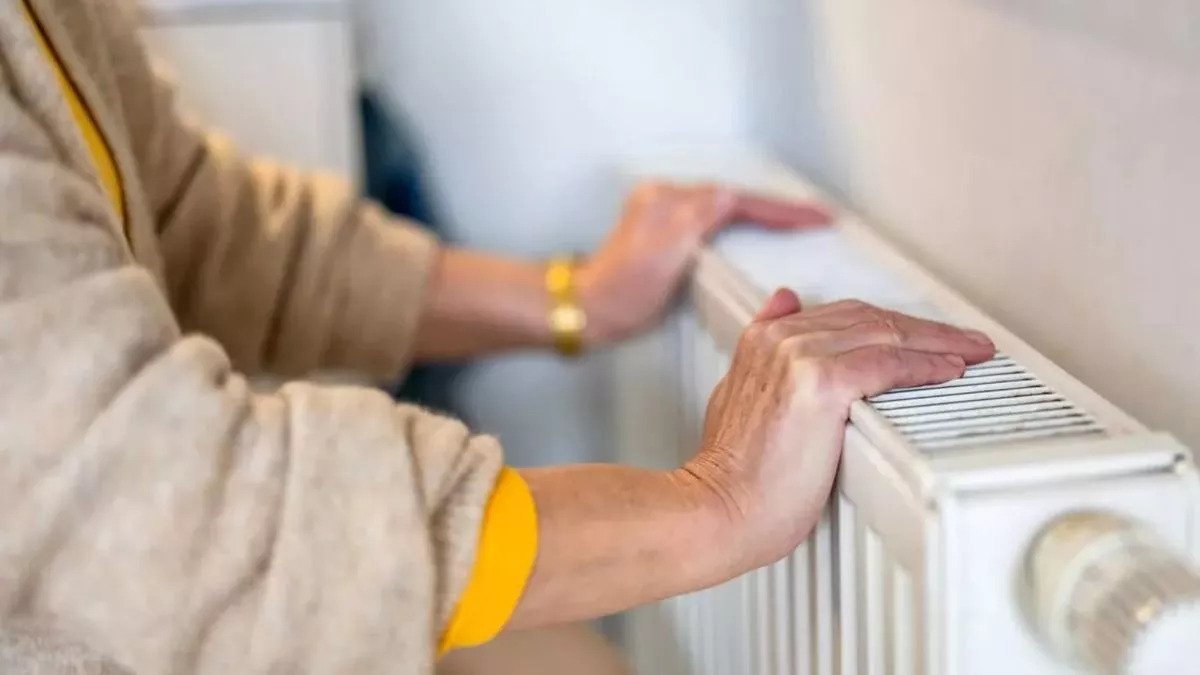
Solanky emphasised that maintaining a boiler in good working order is essential for a smooth start to the heating season, but simple adjustments around the home can also significantly improve comfort and energy efficiency. Among the key recommendations is bleeding radiators, a task necessary when the top of a radiator feels cooler than the bottom, suggesting trapped air is preventing heat circulation. The process involves using a radiator key to gently open the valve at the top, allowing air to escape before securely closing it again.
Households are also advised to seal windows and doors using self-adhesive foam strips around frames, draught excluders beneath doors, keyhole covers, and letterbox brushes to prevent cold air from entering the home. Ensuring that heavy furniture does not block radiators, using thicker curtains, and laying rugs on bare floors can further help retain heat, while adopting a “zonal heating” approach by avoiding warming rooms that are not in use can reduce energy waste.
Pipe insulation is another critical step, as unprotected pipes can crack or burst when water inside freezes. British Gas recommends keeping thermostats set between 18 °C and 21 °C to maintain comfort while avoiding unnecessary costs. The company notes that lowering the thermostat by just one degree can reduce heating bills by around 10 per cent, saving the average household approximately £75 per year.
Solanky also encouraged households to programme their heating systems efficiently. “Scheduling your heating to switch on about 15 minutes before you get up and to turn off half an hour before bedtime ensures your home is warm when needed and reduces wasted energy,” he said. Such simple measures, alongside boiler maintenance and proper insulation, can dramatically improve both comfort and cost-efficiency throughout the winter months.
British Gas’ warning comes as energy bills continue to be a major concern for many households in the UK, particularly following recent years of high inflation and rising costs in the energy sector. With temperatures expected to drop steadily over the coming weeks, the company is urging residents to prepare their heating systems early to avoid last-minute disruptions and emergency repairs.
Beyond mechanical preparation, the advice also includes practical tips for household energy management. For instance, closing doors to unused rooms, avoiding placing furniture in front of radiators, and covering bare floors with rugs can all help reduce heat loss. Draught-proofing homes not only keeps residents warmer but also contributes to energy efficiency, reducing unnecessary expenditure.
Experts say that many of these steps are quick and inexpensive but can prevent larger problems and costs later in the season. British Gas encourages customers to carry out checks on their boilers, including ensuring pressure levels are correct, inspecting for leaks, and arranging professional servicing if necessary. Regular servicing can help detect faults before they become serious and can extend the life of the boiler, saving households from unexpected outages.
For households reliant on older boilers or central heating systems, early intervention is particularly important. Engineers frequently report that boiler failures occur when systems are first turned on after months of inactivity, often due to corrosion, airlocks, or minor leaks that worsen over time. By performing simple maintenance tasks such as bleeding radiators, checking thermostats, and ensuring pipes are insulated, homeowners can reduce the likelihood of costly call-outs.
The importance of preparation is further emphasised by seasonal patterns in energy usage. Historically, peak demand in the UK occurs during late October and November, when households collectively begin heating their homes more consistently. This surge can strain energy systems and, if equipment fails, lead to delays in emergency repairs due to high demand. By acting early, residents not only protect their own comfort but also help reduce pressure on the wider energy network.

British Gas’ campaign also highlights the broader benefits of proactive energy management. Simple behavioural changes, such as adjusting thermostats and only heating occupied rooms, not only save money but also contribute to reducing household carbon footprints. In combination with insulation improvements, these actions can make homes warmer, more energy-efficient, and more resilient during prolonged periods of cold weather.
The company’s advice aligns with recommendations from other energy providers and consumer groups, which stress the importance of early winter preparation to prevent avoidable breakdowns and protect vulnerable populations. For households with elderly residents or young children, ensuring that heating systems are fully functional is particularly critical, as exposure to prolonged cold can have serious health consequences.
British Gas encourages households to check all aspects of their heating systems well ahead of the coldest months, including thermostats, radiators, and boiler components. Scheduling a professional service, preparing pipes for freezing temperatures, and adopting energy-saving practices can collectively help prevent discomfort, costly repairs, and higher energy bills.
As the UK approaches late October, the message from British Gas is clear: households should not wait until the first frost to check their heating. Early preparation ensures that homes remain warm and safe throughout the winter, protects against sudden breakdowns, and allows residents to manage energy costs effectively. By following these straightforward steps, families can face the colder months with confidence and comfort.
Related News:
 Concerns Mount Over Accuracy of At-Home Health Tests as Study Calls for Stricter Regulation
 NHS Under Pressure: Waiting Times Soar as Staffing Crisis Deepens
 The Ketamine Crisis in the UK is a Silent Epidemic Leaving Users with Lifelong Pain
 UK Launches World-First Gonorrhoea Vaccine Amid Record Infection Surge
 Woman Warned She Might Need Leg Amputation to Survive After Liquid Brazilian Butt Lift
 AI Tools Used by English Councils Found to Downplay Women’s Health Issues, Raising Concerns Over Gender Bias in Care
 None of Us Feel Safe’: Violence Against A&E Nurses Nearly Doubles as Waiting Times Soar
 Cats Develop Dementia Similarly to Humans, Study Finds
 Appalling Rise in Pharmacy Crimes: Staff Face Increasing Theft and Aggression
 Alarming rise in abusive teen relationships in the UK sparks urgent warnings
 Learner Drivers to Face CPR and Defibrillator Questions in New Theory Tests
 Inquest Finds Agency Worker Failings Led to Unlawful Death of Vulnerable 14-Year-Old
 UK Patients Face Steep Price Rise for Weight-Loss Drug Mounjaro
 Shocking Rise in Children’s Exposure to Violent Online Pornography Raises Alarm
 Baby Food Manufacturers Given 18 Months to Improve Nutrition and Labelling
 Martha’s Rule Now Fully Implemented Across All Acute Hospitals in England
 Why E-Bikes and E-Scooters Are Making Streets a ‘Nightmare’ for Blind People
 Millions in the UK at Higher Risk of Heart Failure and Stroke Due to Air Pollution, Study Warns
 Norfolk Hospital Ranked Worst in England as NHS League Tables Return
 NHS Trials £100 Blood Test That Could Revolutionise Alzheimer’s Diagnosis
 More Than Half of UK Births Now Involve Medical Intervention
 UK Graduates in Healthcare Report Highest Satisfaction with Degree Choices
 NHS ‘Toxic Culture’ Risks Harm to Mothers and Babies, Health Leader Warns
 Systemic Racism in Maternity Care Continues to Endanger Black Women in England, MPs Warn
 One in Three GPs in England Do Not Work in NHS, Raising Concerns Over Access to Care
UK Doctors Guilty of Sexual Misconduct Continue Practising Amid Weak Sanctions, Research Finds
One in Three GPs in England Do Not Work in NHS, Raising Concerns Over Access to Care
UK Doctors Guilty of Sexual Misconduct Continue Practising Amid Weak Sanctions, Research Finds
 Private Psychology Costs Surge in UK as Practitioners Turn Away Clients Amid Record Demand
 Heavy Drinkers Lead Growth in Non-Alcoholic and Low-Alcohol Market
 Omeprazole Alert: NHS Issues Guidance on Safe Use for Heartburn and Indigestion
 Labour Announces Pay Boost and New Negotiating Body to Address England’s Care Sector Crisis
 Starmer Unveils Plan for NHS “Online Hospital” to Tackle Waiting Lists
 Tragic Death Strikes Half-Marathon in Stoke-on-Trent: Runner Dies Shortly After Crossing Finish Line
 Call to Allow ‘Safe and Effective’ At-Home Abortions Up to 12 Weeks in the UK
 One in four UK residents fear a loved one drinks excessively as addiction concerns rise
 Questions Remain as Rugby Legend Lewis Moody Faces Motor Neurone Disease Diagnosis
 Eligibility Confusion Over COVID Vaccination Leaves Pharmacies Struggling Across the UK
 Majority of UK Men Would Opt for Prostate Cancer Screening, Survey Finds
 Scientists Announce First Potentially Accurate Blood Test for Chronic Fatigue Syndrome
One in Three UK Workers Call in Sick After Work Drinks as Cultural Pressures Persist, Survey Finds
Scientists Announce First Potentially Accurate Blood Test for Chronic Fatigue Syndrome
One in Three UK Workers Call in Sick After Work Drinks as Cultural Pressures Persist, Survey Finds
 NHS Facilities Staff Vote to Strike Over Pay Discrimination
 NHS May Pay 25% More for Medicines Amid US Drug Talks
 Survey Shows Most GPs Rushing Appointments
 NHS Staff Strike Over £30m Pay Discrimination Claim
 Ambulance Worker Fired After Flinging Amputee from Wheelchair and Offering Bribe
 Women Challenge Meta Over Targeted Ads After Miscarriage
 Mum’s Final Wish: Donating Her Body to Science
 Genetic Tests May Predict Return of Blood Cancer
 UK Woman Becomes Longest Survivor of Heart-Lung Transplant
£18 Prostate Cancer Test Could Save Thousands of Lives
UK Woman Becomes Longest Survivor of Heart-Lung Transplant
£18 Prostate Cancer Test Could Save Thousands of Lives
 UK Vets May Be Forced to Publish Prices After CMA Probe
 Thousands in the UK sue Johnson & Johnson over alleged talcum powder, linked to cancer
 Pregnant Women in England Face Rising Risk of Severe Birth Injury
 ‘Game-Changing’ HIV Prevention Jab Set for NHS Approval
 Ranking Antidepressants by Physical Side Effects Revealed
 One in 12 Secondary Pupils Sent to Isolation Weekly
 UK Health Leaders Push for Urgent Tobacco & Vape Bill
 Man Trapped in Quicksand Rescued in Dramatic Coastal Rescue
 Hospice Cuts Raise Alarm Across England Amid Funding Crisis
Morning-After Pill Now Free Across England’s Pharmacies
Hospice Cuts Raise Alarm Across England Amid Funding Crisis
Morning-After Pill Now Free Across England’s Pharmacies
 How Bringing Forests Into Preschools Boosts Children’s Health
 The diet that can significantly ease symptoms of IBS
 Celebrities and Charities Demand UK Government Act on Child Poverty
 Experts Warn on Home Birth Risks, Call for Skilled Midwives
 Experts Urge Legal Right to Timely Cancer Care
 London’s Childlessness Crisis: Schools Closing as Families Shrink
 North Sea oil workers must lose weight or face job loss
 Crisis charity to become landlord amid UK housing emergency
No link found between paracetamol in pregnancy and autism
Crisis charity to become landlord amid UK housing emergency
No link found between paracetamol in pregnancy and autism
 UK Disability Pay Gap Means Millions Work for Free From Today
 Leading doctors issue warning amid ‘bad’ flu season
 UK Centres Used Risky Heart Pump Despite Safety Fears
 Reeves Rejects £1bn NHS Payout Plea from Streeting
 UK launches major AI drive to fight deadly superbugs
 ‘Traumatic Wait’: Northern Ireland Women Face Breast Cancer Delays
 Welsh Government Christmas 2020 Lockdown Criticised
 Coffins Now Too Large to Cremate Amid Rising Obesity Crisis
 NHS paediatric leave parents waiting months for answers
 Catherine urges end to stigma around addiction
 Fibromyalgia Patients Struggle as NHS Fails to Provide Care
 “Enough is Enough”: Local MP Vows to Fight Rainham Quarry Plans