Published: 01 April 2026. The English Chronicle Desk. The English Chronicle Online.
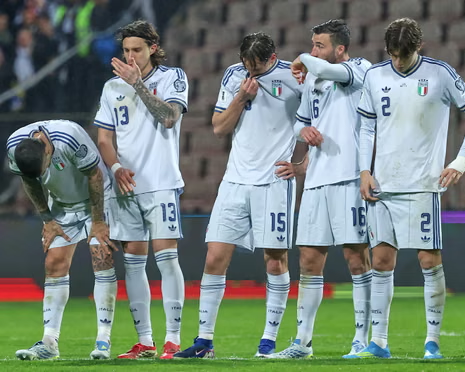
The echoing silence in the Italian dressing room spoke volumes of a tragedy once unthinkable. Italy has missed a third consecutive World Cup following a heartbreaking defeat to Bosnia and Herzegovina. This latest failure marks a dark era for the nation that owns four prestigious world titles. The Italian apocalypse has shifted from a rare shock to a recurring nightmare for the fans. Memories of the 2018 Swedish defeat and the 2022 Macedonian strike still haunt the national psyche. Now the Bosnian sun rises over the ruins of another failed Italian qualifying campaign for 2026. This shootout loss confirms that an entire generation of Italian stars will never see world stages.
The atmosphere in Zenica was electric as the home side pursued a historic maiden tournament berth. Bosnia and Herzegovina played with a fierce intensity that eventually wore down the stubborn Italian defense. Despite an early lead from Moise Kean, the visitors struggled to contain the relentless Bosnian attacks. Sergej Barbarez guided his men with a tactical bravery that often left the Italians looking lost. The hosts dictated the tempo of the game and dominated the shot count with surprising ease. They demonstrated a level of technical proficiency that matched their superior hunger for a global victory. Italy relied on deep defending and sporadic counters to survive the pressure of the first half.
Statistical analysis of the match reveals a staggering disparity between the two competing European nations. Before the half-time whistle blew, the hosts had registered eleven shots to Italy’s meager two. This dominance was amplified when Alessandro Bastoni received a red card for a desperate last-man foul. The dismissal forced Gennaro Gattuso to sacrifice offensive power for a defensive shape that lacked cohesion. Even with ten men, the Azzurri attempted to cling to their narrow and fragile lead. However, the weight of the Bosnian pressure finally told in the final ten minutes of play. Haris Tabakovic found the net in the seventy-ninth minute to send the home crowd into raptures.
Historical Context of the Italian Decline
The decline of the Italian national team is a phenomenon that baffles many footballing experts today. Since winning the World Cup in 2006, the nation has struggled in every subsequent qualification cycle. Statistics show that Italy has failed to qualify for 75% of World Cups held since 2014. This is a dramatic fall for a team that once defined the art of defensive mastery. The financial investment in the Italian top flight has not translated into consistent international success lately. Many analysts point toward a lack of youth development within the domestic academy systems across Italy. Only 35% of players in Serie A are currently eligible for the Italian national selection.

Gennaro Gattuso cut a lonely figure on the touchline as the reality of defeat set in. He apologized to the nation for what he described as an incredibly difficult result to digest. The manager praised his players for their heart but acknowledged the gravity of the sporting failure. This result follows a pattern of inefficiency that has plagued the team for nearly a decade now. It is the third time since 2017 that a playoff match has ended in Italian tears. Fans are now questioning the systemic issues that lead to such consistent underperformance on big nights. The word apocalypse is being used again by journalists to describe this persistent and painful state.
The demographic shift in Italian football has also been a topic of much discussion among supporters. Younger fans have grown up without ever seeing their team compete in a World Cup knockout. This disconnect threatens the cultural significance of the sport within a traditionally football-mad European country. Statistics from local sports authorities suggest a 15% drop in youth football registration since 2018. If the national team cannot inspire the next generation, the talent pool may continue to shrink. The emotional toll of these repeated failures is evident in the faces of the traveling supporters. They watched in disbelief as their team crumbled under the pressure of a penalty shootout once.
The Rise of Bosnian Football Excellence
In stark contrast, the Bosnian team is celebrating a golden moment in their relatively young history. This victory represents more than just a game for a nation with a complex sporting past. They showed immense resilience to recover from an early goal scored by the clinical Moise Kean. The hosts converted four out of four penalties to secure their place in the 2026 tournament. This success is built on a foundation of players competing in the top five European leagues. Approximately 80% of the Bosnian squad now plays at the highest levels of club football abroad. Their physical fitness was tested after playing two consecutive matches that went into extra time periods.
The performance of Ermedin Demirovic and Amar Memic provided a constant threat on the Italian flanks. Memic was particularly effective, providing the cross that led to the crucial equalizer late in play. The Bosnian midfield controlled the ball for 58% of the match, an impressive feat against Italy. They refused to be intimidated by the history or the reputation of their legendary blue opponents. Every Bosnian player seemed comfortable on the ball, moving it with a purpose and great speed. Their defensive line remained disciplined even when Kean threatened to double the lead on the break. This victory is a testament to the growth of footballing infrastructure within the Balkan region lately.

The shootout itself was a display of nerves and technical precision from the Bosnian penalty takers. In contrast, the Italians appeared burdened by the heavy weight of their own prestigious footballing history. Francesco Esposito saw his effort fly over the bar, signaling the beginning of the end today. Bryan Cristante then struck the woodwork, leaving the path clear for a historic Bosnian victory celebration. The scenes at the final whistle were ones of pure jubilation for the home side fans. For Italy, it was a familiar walk toward the tunnel of shame and deep national introspection. The 2026 World Cup will proceed without one of its most famous and historic winners.
Future Implications for International Football
The absence of Italy from the world stage will have significant commercial and cultural impacts globally. The World Cup loses a major television audience and a significant amount of traditional fan engagement. Estimates suggest that Italian brands could lose over 100 million pounds in potential marketing revenue opportunities. This trend of major nations missing out highlights the increasing competitiveness of the modern international game. There are no longer any easy matches in the European qualifying groups for the elite teams. Small nations like Bosnia and Herzegovina have closed the gap through better coaching and scouting networks. The global landscape of football is shifting toward a more egalitarian and unpredictable future state.

For the Italian Football Federation, this result will likely trigger another period of intense structural reform. The resignation of top officials is expected as the public demands accountability for this latest disaster. There will be calls for a complete overhaul of how the national team is managed. Questions regarding the selection of veteran players over hungry young talents will dominate the media cycle. The federation must address the fact that Italy is now a spectator on the world stage. It is a humbling reality for a nation that once considered qualification a mere formality. They must find a way to rebuild their identity before the next qualification cycle begins.
As the world prepares for the 2026 tournament, Bosnia and Herzegovina can look forward with pride. They have earned their place among the elite through merit, hard work, and tactical brilliance today. Their journey serves as an inspiration to other smaller nations dreaming of a World Cup spot. Meanwhile, Italy remains trapped in a cycle of disappointment that seems to have no clear end. The sun sets on another Italian campaign, leaving behind a trail of unanswered questions and heartbreak. The beautiful game continues to provide drama, even if it comes at a heavy cost. Italy must now wait until 2030 to potentially taste the magic of a World Cup.
Related News:
 Chaos at Valdebebas: Florentino Pérez Calls for Elections
 Geopolitical football: Iran, Trump and the World Cup clash
 Infantino Faces Russia Threat and Trump Concerns at Uefa Congress
 Bodø/Glimt stun Inter in unforgettable Champions League triumph
 Champions League Thrills as Atalanta and Galatasaray Advance
 Abramovich Chelsea Sale Cash Faces Jersey Probe
 African World Cup Fans Face $15,000 Entry Bond Fee
 Spain Shuts Airspace to US Military Over Iran Conflict
 Teenage Titan: Sooryavanshi Smashes IPL Records
 LA 2028: Millions of Affordable Olympic Tickets Announced
 Turkey End Kosovo Dreams to Secure World Cup Return
 England’s Fragile Evolution Under Thomas Tuchel at Wembley
 Sam Konstas Dropped as Australia Unveils New Contract List
 Spain Faces Backlash Over Xenophobic Chants in Egypt Draw
 Sporting’s New Star Luis Suárez Ready to Sink Arsenal
 Julián Alvarez: The Silent Rise of a Global Football Icon
 Atlético Madrid Outlast Barcelona in Epic European Clash
 England Eye Landmark 500th Game Glory in Iceland
 Frenkie de Jong on Barcelona loyalty and World Cup pain
 Ukraine strikes Tuapse as oil disaster worsens
 Alex Zanardi dies at 59, a symbol of resilience
 Global order shifts amid Trump-era turmoil
 Arteta urges Arsenal to step up in Atlético semi-final
 FIFA Confirms Global Ban for Benfica Star Prestianni
 The Global Battle for Control Over the Women’s Game
 Grand Slam Pay Row Sparks Boycott Threat from Top Players
 Putin Declares Russia Victory at Scaled Victory Day Parade
 Greece Probes Mystery Explosive Drone in Ionian Waters
 World Cup Ticket Price Surge Leaves Many National Teams Stunned
 Rashford Fires Barcelona to Glory in Historic El Clasico
 Romania’s Judicial Crisis: A System Under Siege
 Ancelotti Sets High Bar for Neymar Ahead of World Cup
 UEFA Resists FIFA’s New Red Card Rules for Next Season
 Bernardo Silva Leaves Manchester City After Iconic Era
 Zelenskyy warns over Oreshnik threat as Kyiv hit
 Cannes filmmakers split over AI’s role in cinema
 Former ICC prosecutor condemns US sanctions
 Russia Hits Kyiv With Hypersonic Ballistic Missile
 Afghan Women’s Cricket Dreams Remain Undimmed
 EU Debate Looms Over Restricting New Member Veto Rights
 EU Leadership Gathers in Tivat to Renew Balkan Ties
 Captain in the Spotlight: The Future of England Cricket
 Tension Grips Mexico City Ahead of World Cup Opener
 Violence Tarnish World Cup Opener Outside Azteca Stadium
 World Cup Fury as Iran Coach Slams Fifa and US
 Tuchel’s England Mission Goes Beyond Football Success
 Iran Files Official Fifa Complaint Over World Cup Travel
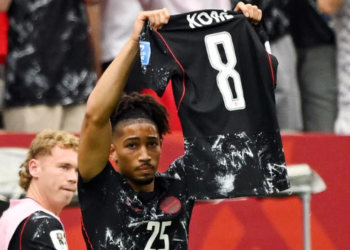 Historic Victory for Canada as They Defeat Nine-Man Qatar
 Heartbreak for Canada as Koné Suffers Horrific Injury
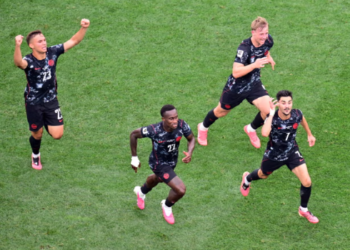 Canada Secure Historic Last 16 Spot with Late Goal
 Monaco Bombing: Oligarch Attack Rocks Safe Principality
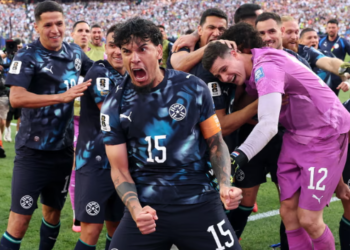 Paraguay Shock Germany in Historic Penalty Shootout
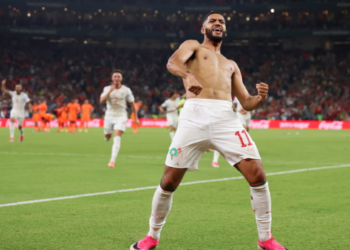 Morocco Beat Dutch in Wild World Cup Penalty Drama
 Airlines Demand Freeze on EU Border System as Chaos Peak Looms
 France Dominate Sweden as Deschamps’ New Era Takes Shape
 Haaland Heroics Send Norway Into Historic Last 16 Knockout
 The Last Stand of English Cricket’s Greatest Partners
 Ramos Sends Portugal into the Last 16
 VAR Drama: Portugal Win in Thriller
 Swiss Star Manzambi Shines in World Cup Victory
 Norway’s Stunning World Cup Victory Over Brazil
 Spanish Late Winner Sends Ronaldo Into Final Sunset
 Belgium Thrashes USA After Red Card Controversy
 Ronaldo Says Farewell to the World Cup Stage
 China’s Football Dream: Can Amateur Leagues Spark Change?
 Egyptian Fury After Argentina World Cup Heartbreak
 England’s Historic Win Over India
 World Cup 2026 Power Rankings: England on the Rise
 Belgium Draws Global Support Before Spain Showdown
 Haaland and Bellingham: A Dortmund Bond Tested
 England and Norway Fans Turn Miami Into World Cup Carnival
 Spain Clinch Final Spot in Masterclass Victory Over France
 A New Era Begins: Spain and Gibraltar Border Fence Falls
 Saka Solidifies Role as Tuchel’s Key England Lieutenant
 Cross-Border Crisis Shatters Fragile Afghan Peace
 Ashley Cole: Finding His Voice and Vision in Italy
 The Burning Lens: An Iranian Artist’s Visual Resistance
 One Nation Candidate’s Surprising Ties to Independents
 Scepticism and tight security as Beijing braces for Trump
 The Battle for Wembley Sparking Unprecedented Legal Warfare