Published: 05 June 2026. The English Chronicle Desk. The English Chronicle Online.
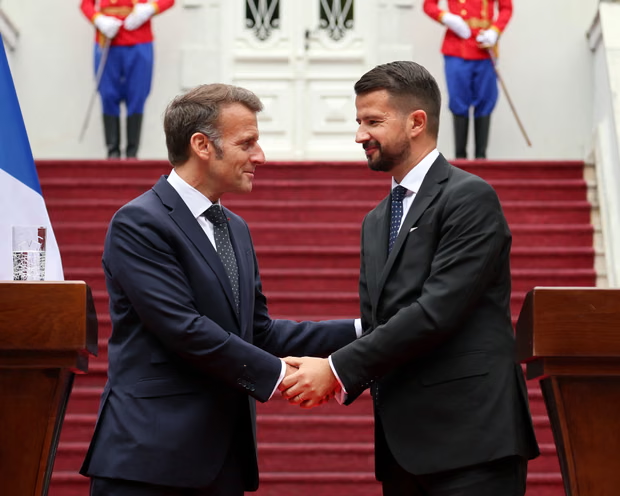
European leaders are gathering today in the scenic coastal resort of Tivat, Montenegro, for a crucial summit. The primary objective is to reassure six western Balkan nations that their future lies within the European Union. This meeting occurs amidst deep internal divisions regarding the speed and method of the bloc’s expansion. More than thirty heads of state are expected to attend this pivotal diplomatic event in Montenegro. Prominent figures like Emmanuel Macron, Friedrich Merz, Giorgia Meloni, and Ursula von der Leyen will lead discussions. Their focus centers on deeper integration of these candidate nations into the single European market. This strategy is viewed as a necessary stepping stone toward achieving full member status.
The geopolitical stakes of this gathering are incredibly high for the entire European continent. European Council President António Costa recently emphasized that the commitment to the region is genuine. He described the enlargement process as a vital geostatistical interest for the European Union. This initiative serves as an investment in peace, stability, and security across Europe. The urgency is heightened as Russia and China actively vie for influence in the Balkans. European leaders recognize the necessity of anchoring these nations firmly within the Western democratic sphere. Failing to engage these neighbors could leave a strategic vacuum that rival powers might exploit. Therefore, the summit represents more than just routine administrative talks about trade policies.
This diplomatic push follows a significant breakthrough regarding the expansion veto from Budapest. Hungary’s new government recently decided to drop its long-standing opposition to Ukraine’s progress. The decision by Péter Magyar marks a major milestone for European diplomatic efforts. It allows Ukraine and Moldova to open crucial negotiations later this month on key chapters. These initial discussions will focus heavily on the rule of law and democratic standards. Both eastern European nations received fast-tracked candidate status following the invasion in 2022. However, this rapid progress has caused noticeable anxiety among the western Balkan states. The European institutions are eager to demonstrate that Balkan nations are not being sidelined.
Among the Balkan candidates, Montenegro currently leads the race toward achieving full European integration. The nation openly hopes to become the twenty-eighth member state by 2028. This ambition has prompted existing members to consider new safeguards for future accessions. Reports suggest that new member states might be denied veto rights for several years. This measure aims to prevent future gridlocks similar to those caused by Viktor Orbán. The former Hungarian leader frequently blocked major European decisions, frustrating his continental partners. By limiting veto powers, Brussels hopes to maintain legislative efficiency as the bloc grows. Albania is currently viewed as the next candidate most likely to achieve accession. However, several European governments still harbor serious doubts regarding Albania’s anti-corruption efforts.
In contrast, the enlargement paths for other regional nations remain complicated by various disputes. The aspirations of North Macedonia, Kosovo, and Bosnia and Herzegovina face persistent domestic obstacles. Meanwhile, Serbia appears to be drifting further away from its European counterparts. Autocratic President Alexander Vučić has consistently cracked down on internal anti-government protests. Furthermore, Belgrade has repeatedly refused to align with European sanctions against the Russian federation. This political stance creates a significant barrier to Serbia’s integration into the Western bloc. The varying speeds of progress highlight the complex political landscape of the Balkan peninsula.
Geopolitical experts note that the war in Ukraine has completely reframed the enlargement debate. Faruk Bašić, a prominent researcher, states the region is no longer considered a peripheral issue. Instead, the western Balkans have transformed into a top strategic priority for Brussels. Previously, the logic dictated that nations must align with values before joining the club. Now, the fast-tracked candidacy of Ukraine has introduced an unprecedented level of geopolitical urgency. The traditional timeline for accession has been altered by the necessity of continental defense. European leaders must now balance strict democratic standards with immediate security requirements.
Despite the public show of unity, deep divisions persist regarding how expansion should proceed. A recent German proposal suggests offering Ukraine an associate membership instead of full integration. This plan would grant representation in European institutions but deny vital voting rights. Berlin views this as a generous offer to accelerate Ukraine’s long journey. However, the proposal has been poorly received in Kyiv and several member states. France, in particular, remains quietly reluctant to endorse rapid expansion without comprehensive internal reforms. The debate highlights the fundamental disagreement on the future structure of the union.
Some diplomats believe the associate membership plan is merely a substitute for real integration. A senior European official warned that such proposals might make full membership nearly impossible. They argue it could decrease the collective will to find permanent structural solutions. While Ukraine’s situation is unique due to wartime destruction, it impacts the Balkans directly. Balkan leaders watch these developments closely to see how rules might change for them. The financial demands of Ukrainian postwar recovery also raise concerns about future funding allocation. Existing candidates worry that vital development resources might be diverted away from their projects.
Nevertheless, official sources insist that substantial progress is quietly being made behind the scenes. Last month, a technical group met to begin drafting Montenegro’s official accession treaty. This concrete step indicates that the machinery of expansion is moving forward steadily. Officials state this development starts a realistic clock ticking for the next entry. It provides tangible evidence that the enlargement process is not completely stalled by bureaucracy. While challenges remain, the bureaucratic framework is adapting to the new geopolitical reality.
Attendees are cautioned not to expect massive announcements from the Tivat summit today. Instead, the immediate focus will center on delivering practical benefits to local citizens. European leaders want to demonstrate that cooperation yields tangible improvements in daily life. One major initiative involves the elimination of mobile roaming charges across the western Balkans. The European Council has already approved the framework to begin these technical negotiations. This policy would mirror the successful internal European market initiative for travelers. Once implemented, it will allow citizens to make calls without facing exorbitant fees.
The roaming initiative is part of a broader economic integration strategy for the region. Several Balkan nations have already joined elements of the single euro payments area. This system harmonizes electronic transactions, allowing seamless payments across various national borders. Consumers can use a single account to conduct business throughout the participating zones. Such economic ties help prepare local markets for the competitive pressures of full membership. By integrating infrastructure first, Brussels hopes to smooth the eventual political transition. The strategy prioritizes practical economic alignment while complex political negotiations continue in parallel.
The Tivat summit represents a critical moment for the future of European expansion. Leaders must balance the urgent need for security with the maintenance of democratic standards. The outcomes of today’s talks will signal the true depth of Europe’s commitment. For the western Balkans, the road to Brussels remains long and filled with obstacles. However, the changing geopolitical landscape has given their ambitions a renewed sense of urgency. The decisions made in Montenegro will shape the political geography of Europe for decades.
Related News:
 Spain Shuts Airspace to US Military Over Iran Conflict
 Italy Faces Third Successive World Cup Absence After Loss
 Spain Faces Backlash Over Xenophobic Chants in Egypt Draw
 Ukraine strikes Tuapse as oil disaster worsens
 Global order shifts amid Trump-era turmoil
 Putin Declares Russia Victory at Scaled Victory Day Parade
 Greece Probes Mystery Explosive Drone in Ionian Waters
 Romania’s Judicial Crisis: A System Under Siege
 Chaos at Valdebebas: Florentino Pérez Calls for Elections
 Zelenskyy warns over Oreshnik threat as Kyiv hit
 Cannes filmmakers split over AI’s role in cinema
 Former ICC prosecutor condemns US sanctions
 Russia Hits Kyiv With Hypersonic Ballistic Missile
 EU Debate Looms Over Restricting New Member Veto Rights
 Saudi Officials Report Zubaidi Flee Before Yemen Peace Talks
 UK Targets in New York Bomb Threat Hoax: Man Jailed
 Gambia Supreme Court Hears Case to Overturn FGM Ban
 Trump targets Iran trade with 25% tariff warning
 US Senate rejects resolution limiting Trump military powers
 Gulf states warn Trump Iran strikes risk wider Middle East war
 Machado Trump medal gesture reshapes Venezuela power struggle
 Geopolitical football: Iran, Trump and the World Cup clash
 EU weighs response amid Greenland tariff crisis with Trump
 Shinzo Abe’s killer receives life sentence in Japan
 EU Says US Ties Have Suffered ‘Big Blow’ After Greenland Crisis
 China General Under Investigation Amid Leadership Purge
 Philippines ferry disaster leaves 15 dead, dozens missing
 Cambridge Faces Scrutiny Over Arms Investment Transparency
 Portugal Election Delivers Socialist Win as Far Right Surges
 Concerns rise for Canberra boy amid Iran detention fears
 Champions League Thrills as Atalanta and Galatasaray Advance
 Ukraine Sends Drone Experts to Defend US Bases in Jordan
 Abramovich Chelsea Sale Cash Faces Jersey Probe
 Yvette Cooper: UK Must Follow Principles, Not US Pressure
 Jury Rules Meta and YouTube Liable for Addictive Design
 The Woman Guarding Earth From the Threat of Asteroids
 Exiled Tycoon Warns of New Russian Attacks on UK Soil
 LA 2028: Millions of Affordable Olympic Tickets Announced
 Trump Slams Europe as Transatlantic Tensions Boil Over
 Inside the Deceptive Machine: A Former Producer Speaks Out
 A Global Voice For Justice: Stephen Lewis Dies At Age 88
 Hope and Fear as Iranians Flee Across the Turkish Border
 Reform UK Pledges To Halt Visas Over Reparations Demands
 US and Iran Agree to Two-Week Provisional Ceasefire
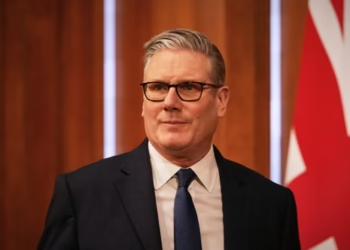 Starmer visits Gulf as US and Iran agree ceasefire
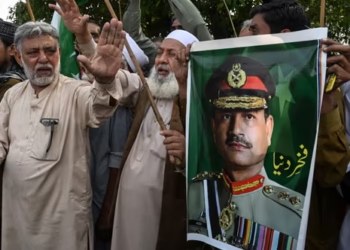 Pakistan Brokers Historic Peace Deal Amid Rising Tensions
 Trump Signals Hope for New Iran Talks as Ceasefire Fades
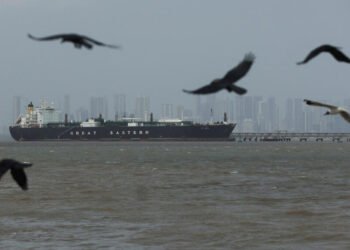 US and Iran Pursue Extension of Ceasefire via Pakistan
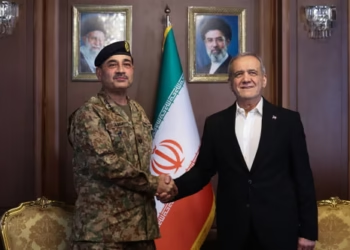 The General’s Gambit: Pakistan’s New Role in Global Peace
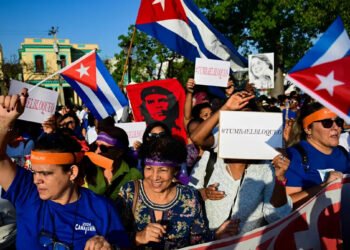 Mexico, Spain and Brazil call for Cuba dialogue amid crisis
 Rat Poison Found in Baby Food Sparks Major Recall Row
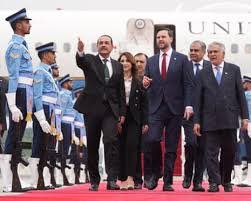 Pakistan’s Ambitious Bid for Middle East Peace
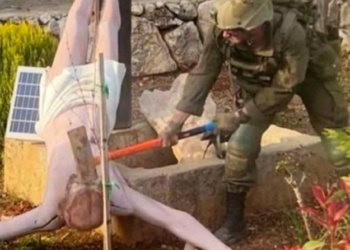 Israeli Soldiers Jailed Over Vandalism of Lebanese Statue
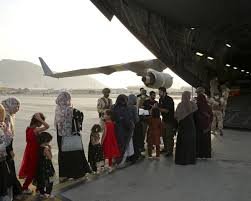 Trump Weighs Sending Afghan Allies to the Congo
 Prominent Voices Challenge Palestine Action Ban
 Merz Criticises US Approach in Iran Conflict
 UK Envoy Sparks Controversy Over Special Relationship Claims
 Ukraine Urges UK to Seize Russian Oil Tankers
 The Billionaire’s Secretary and the £1m Fraud
 Arteta urges Arsenal to step up in Atlético semi-final
 Mission to the World’s Edge: A Heroic Rescue in Tristan
 US and Mexico Face Heatwave as Floods Batter South Africa
 Mexico’s Missing: State Complicity in a Growing Crisis
 French Patient Told Hantavirus Was Just Anxiety
 Putin Signals War End as Russian Momentum Stalls
 Lee Lai Makes History with Landmark Stella Prize Victory
 Philippine Senator Flees After Days Under Senate Siege
 Alberta Separatist Bid Blocked by Canadian Court
 Big Tobacco Under Fire Over Controversial New Ad Campaign
 Court Upholds Landmark Win for Transgender Rights
 Liberal Senator Criticises Immigration Rhetoric
 Senate Moves to Restrict Trump’s War Powers on Iran
 ICC Arrest Warrant Threat Sparks West Bank Retaliation
 Taliban Codifies Strict New Marriage and Divorce Legislation
 Tony Abbott Returns as New Liberal Party President
 Pope Meets Families in Italy Toxic Waste Zone
 Discontent grows around Putin amid war strain
 Trump Diplomacy Faces Hurdles from Tehran to Tbilisi
 Trump Faces Legal Blow Over Global Tariffs
 Washington Brokerage Sparking Hope Amid Regional Firestorms