Published: 22 April 2026. The English Chronicle Desk. The English Chronicle Online.
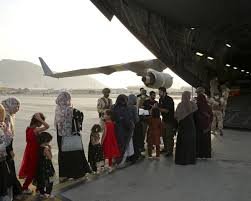
The current administration finds itself navigating a complex and deeply sensitive international challenge. Officials are now considering an unconventional proposal for relocating many vulnerable Afghan citizens. These individuals previously provided essential assistance to United States forces during the conflict. Reports suggest they might be sent to the Democratic Republic of Congo for resettlement. This development follows a notable shift in broader American immigration policy directions. The administration recently halted a specific initiative designed for these loyal allies. That program once allowed those Afghans to apply directly for American resettlement. Now, those individuals face a profound period of uncertainty regarding their futures. This specific group consists of approximately eleven hundred people currently residing elsewhere. They have remained in temporary housing in Qatar for over a year. Their ranks include former interpreters who served alongside American soldiers in combat. The group also features many relatives of current United States military personnel. More than four hundred children are among those caught in this waiting period. The situation carries heavy emotional weight for everyone involved in the ongoing process.

These Afghans were evacuated to Qatar following the final military withdrawal. They sought safety because of their direct support for American military efforts. Returning to Afghanistan now presents an extreme danger to their lives and safety. The Taliban maintains firm control over the nation, leaving these allies exposed. International observers have expressed significant concern regarding their current living situation and prospects. The proposed destination of the Democratic Republic of Congo adds another layer. That nation is currently grappling with its own internal displacement crisis. Millions of people have already been forced from their homes by conflict. The United Nations reports that the displacement figures are remarkably high indeed. Many experts suggest the region is already stretched beyond its current capacity. Adding more individuals to such a volatile area seems highly problematic to critics. Shawn VanDiver, who leads the non-profit group AfghanEvac, has spoken out clearly. He has monitored the situation through connections at the United States State Department. His organization remains deeply committed to finding a safe, permanent home for them.
VanDiver argues that a significant portion of the group remains eligible for America. He suggests that nine hundred of the individuals already meet the strict requirements. For the remaining two hundred, he suggests seeking alternatives to the troubled Congo. The current environment in that African nation is marked by persistent, ongoing violence. He believes the administration should prioritize safety above all other diplomatic or policy considerations. Sending allies to a conflict zone contradicts the goal of protecting their lives. VanDiver highlights the presence of family members belonging to active American troops. He notes that over seven hundred individuals are vulnerable women and children. The logistical solution, he believes, is actually much simpler than officials suggest. He maintains that a small policy shift would allow for rapid processing. The Department of Homeland Security holds the power to admit these specific people. No existing law prevents their entry if the administration chooses to act now. He describes the current standoff as an unnecessary test of human endurance.
The human impact of these policy decisions remains the most pressing concern today. Families continue to wait in limbo, unsure where their next home resides. Each day spent in temporary housing adds further trauma to their long journey. Many children have spent a significant portion of their youth in limbo. The psychological toll on those who aided the American cause is profound indeed. They left everything behind, trusting that their service would be appropriately honored. Many observers believe the United States carries a moral duty toward them. These individuals stood by the military when the need was the greatest. To move them to another volatile region feels like a broken promise. Public awareness of their plight continues to grow across the international community. Various advocacy groups have increased pressure on the administration to act quickly. They want a solution that guarantees permanent safety and stability for these families. The moral imperative to protect allies is viewed as a foundational principle.

The State Department has offered limited comments regarding the ongoing sensitive negotiations. A spokesperson confirmed that they are actively exploring options for voluntary, safe resettlement. They described finding a third country as a positive resolution for everyone involved. The official added that these nationals currently lack a direct pathway here. The administration claims they are prioritizing the safety of both Afghans and Americans. Meanwhile, they remain in routine contact with the residents at the camp. Officials have declined to share specific details due to diplomatic sensitivity constraints. This secrecy makes it difficult for families to understand their eventual long-term path. The lack of transparency only intensifies the anxiety felt by those waiting. They continue to hope for a clear answer regarding their future safety. Every day brings a new cycle of speculation for the families involved. The international community is watching how this delicate situation is finally resolved.
It remains possible that the talks about the Congo will eventually fail. That scenario would leave this group in a continued state of uncertainty. The alternative, returning to Afghanistan, is simply not an option for them. Their history of cooperation makes them targets under the current ruling regime. The international spotlight on their story emphasizes the urgency of the moment. Finding a host nation that can offer true security is the absolute goal. Every stakeholder seems to agree that the current waiting status is untenable. The challenge lies in balancing administrative policy with the urgent human needs. Advocates hope that the administration will reconsider the option of domestic entry. Providing a home in America is seen as the most logical conclusion. It would honor their past service and ensure their long-term protection today. The coming weeks will likely reveal the direction of this difficult story. Everyone involved hopes for a peaceful and humane conclusion for these families. Their resilience through this process has been nothing short of truly remarkable indeed.
Related News:
 Gambia Supreme Court Hears Case to Overturn FGM Ban
 Iran Death Toll Crisis Exposed: Bodies, Mass Graves, and Concealment
 Files Link Andrew to Epstein Dinner After Prison Release
 Thousands Protest ICE in New York Against Trump Deportation Campaign
 Concerns rise for Canberra boy amid Iran detention fears
 Brazilian Politician Brothers Sentenced for Marielle Murder
 Anthony Albanese Must Uphold Rights for All Australians
 Woman Executed in Somalia Sparks Debate on Justice System
 Uganda Crackdown: Two Women Arrested for Public Kissing
 Slovenia Election: A Nation at a Crossroads
 Police Seek Immunity in Indigenous Custody Death Case
 Manila Transport Crisis: Fuel Costs Hit Breaking Point
 UN Warns Israeli Death Penalty Bill Could Be a War Crime
 Spain Faces Backlash Over Xenophobic Chants in Egypt Draw
 A Global Voice For Justice: Stephen Lewis Dies At Age 88
 Artist Sues in Paris Over Israeli Strike Killing Parents
 Canadian Mother and Daughter Released From ICE Detention
 Bondi Nanny Adriana Rivas to Face Extradition to Chile
 Queensland Youth Justice Debate: The Data Behind the Law
 Gaza Child Arrives in UK for Life-Changing Care
 Brisbane Rideshare Driver Faces Serious Assault Charges
 Tragedy in the Channel as Four Lives Lost in Boat Sinking
 Kyiv and Odesa Mourn After Deadly Wave of Russian Strikes
 France Urges Release of Elderly Widow Held by ICE
 Prominent Voices Challenge Palestine Action Ban
 Standoff Over Syria: Australia Defies Trump Repatriation Plea
 Desperation in Odisha: A Brother’s Grim Bank Protest
 Activists allege abuse after Gaza flotilla seizure
 Australia Faces Rising Tide of Modern Antisemitism
 Security Failures and the Road to the Bondi Inquiry
 Mexico’s Missing: State Complicity in a Growing Crisis
 Nobel Laureates Demand Release of Activist Narges Mohammadi
 Plea for Mercy: The Battle to Bring Ahmed al-Doush Home
 Court Upholds Landmark Win for Transgender Rights
 Taliban Codifies Strict New Marriage and Divorce Legislation
 Israeli Strikes in Lebanon Kill 10 Amid Ceasefire Strain
 US judge dismisses Kilmar Abrego Garcia indictment
 Former ICC prosecutor condemns US sanctions
 Trump Faces Legal Blow Over Global Tariffs
 Silenced Stitches: The Cost of Memory in Hong Kong
 Vision Lost Amid the Rubble of Modern Conflict
 Controversial London Property Show Sparks Legal Fury
 US Supreme Court Rejects Trump Attack on Birthright Law
 Gaza Doctor Unrecognisable After Brutal Israeli Detention
 UK Charity Funds Illegal Hebron Settlement Expansion
 Taliban global ties grow as rights fears mount
 Friedman Uninvited From 2024 Adelaide Writers’ Week
 Spoof “Make America Go Away” Caps Rally Denmark Over Greenland
 New Zealand Covid Response Praised Despite Lingering Scars
 Reform UK Pledges To Halt Visas Over Reparations Demands
 US and Iran Agree to Two-Week Provisional Ceasefire
 Israel Defies Ceasefire as Lebanon Operations Persist
 Islamabad Hosts Historic Peace Talks Between Iran and USA
 Trump Signals Hope for New Iran Talks as Ceasefire Fades
 Security Alert Near Israeli Embassy as Police Investigate
 US-Iran Standoff: Will Trump Deploy Ground Troops?
 Investigation: Offshore Loans and Sanctions
 Cross-Border Crisis Shatters Fragile Afghan Peace
 The Burning Lens: An Iranian Artist’s Visual Resistance
 FIFA Confirms Global Ban for Benfica Star Prestianni
 One Nation Candidate’s Surprising Ties to Independents
 Putin Signals War End as Russian Momentum Stalls
 Romania’s Judicial Crisis: A System Under Siege
 Scepticism and tight security as Beijing braces for Trump
 Philippine Senator Flees After Days Under Senate Siege
 Secrecy Down Under: Albanese Faces FoI Scandal
 Tony Abbott Returns as New Liberal Party President
 Discontent grows around Putin amid war strain
 Teaching Machines Right From Wrong in the Digital Age
 Oman Defies US Pressure Over Strategic Strait of Hormuz
 Ex-CIA Agent Accused of $40m Gold Theft and Fake Spy Unit
 Aukus Deal Facing Fierce Backing and Historic Criticism
 Tragic Loss of Australian Sprinter Jemma Stapleton
 Trump Urged to Condemn UFC Fighter Over Obama Slurs
 Russian Tanker Captain Remanded in UK Court After Channel Seizure
 US Military Pacific Boat Strike Kills Three People
 Trump’s Mount Rushmore Speech: A Divisive Anniversary
 Trump Swaps Planes Amid Iran Tensions
 Yemen Accuses Iran of Violating National Sovereignty
 Houthis Strike Saudi Arabia as Middle East Tensions Rise