Published: 05 May 2026. The English Chronicle Desk. The English Chronicle Online
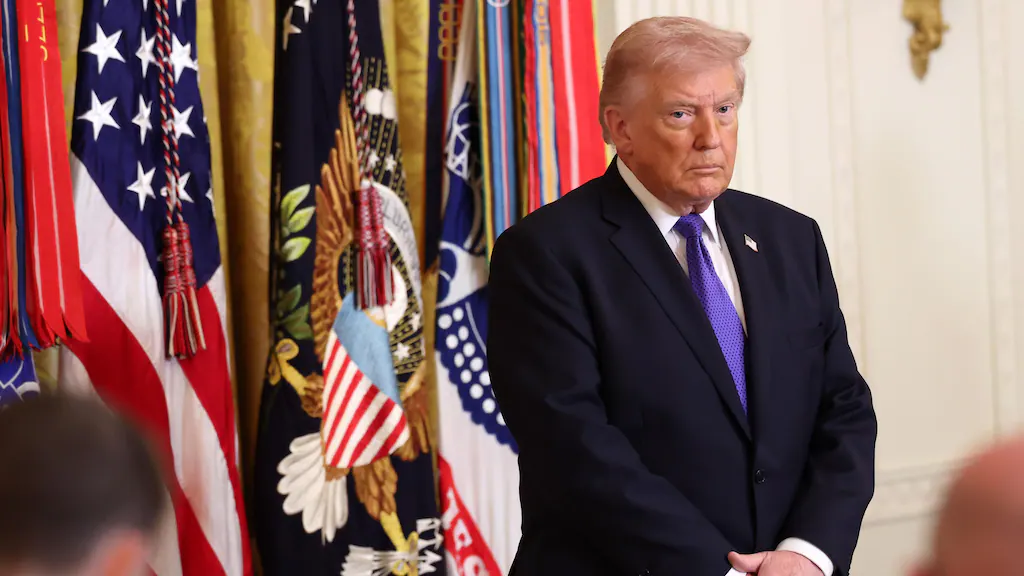
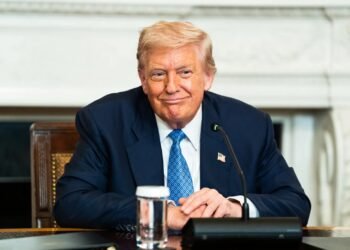
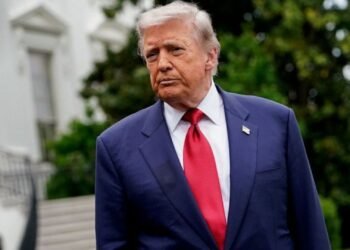
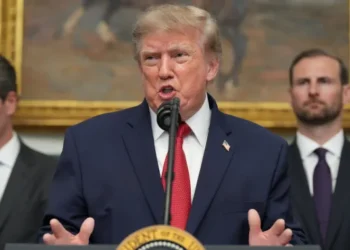
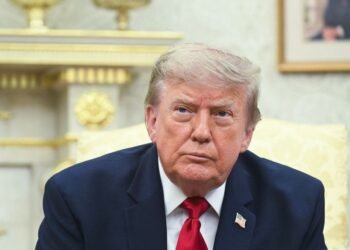
A sharp escalation in Middle East tensions has dominated US political headlines after President Donald Trump issued new warnings to Iran, threatening overwhelming retaliation if American vessels are attacked amid a worsening crisis in the Gulf region. The comments came as the United States launched a large-scale maritime operation aimed at assisting hundreds of ships and thousands of stranded crew members in the Strait of Hormuz, a critical global energy and trade route.
The situation has rapidly intensified over the past week, with reports of naval confrontations, intercepted missiles, and drone activity contributing to fears that the region is once again approaching the brink of open conflict. According to US defence sources, several Iranian small boats were destroyed during recent engagements, while incoming cruise missiles and drones were intercepted. Iranian authorities, however, have strongly denied those claims, insisting their forces did not initiate aggression.
At the centre of the crisis is the Strait of Hormuz, through which around one-fifth of global oil shipments pass. Disruption in the waterway has already led to severe shipping congestion, with more than 800 vessels and an estimated 20,000 sailors reportedly stranded or delayed. The United States says its emergency maritime operation is designed to secure navigation routes and prevent further escalation, but Tehran has accused Washington of militarising the region and escalating tensions unnecessarily.

President Trump’s latest remarks, in which he warned Iran would be “blown off the face of the earth” if it attacked US vessels, have drawn global attention and renewed debate over American foreign policy strategy. His statement echoed earlier comments made in April, when he suggested that widespread destruction could follow if Tehran failed to comply with demands regarding the Strait of Hormuz. Those earlier remarks triggered significant diplomatic backlash from allies and critics alike, who warned that rhetoric of that nature risks further destabilising an already volatile region.
The fragile ceasefire brokered last month with assistance from Pakistan has come under increasing strain as both sides accuse each other of violations. While it temporarily reduced direct hostilities, it failed to fully reopen maritime traffic through the Strait, leaving commercial shipping still heavily disrupted and insurance costs soaring for global carriers.
Beyond the Middle East crisis, the Trump administration has also faced growing scrutiny over its broader international and domestic policy direction. The White House has continued to push what officials describe as a “trade over aid” agenda, pressuring international organisations, including the United Nations, to prioritise economic partnerships that benefit American firms. Critics argue that this approach risks undermining global humanitarian programmes, particularly in regions dependent on foreign assistance.
The administration’s restructuring of USAID has already led to significant layoffs and the absorption of remaining functions into the State Department. Development experts warn that these changes are having a ripple effect across vulnerable regions, potentially reducing access to healthcare, food security programmes, and emergency relief operations worldwide.
Domestically, controversy has also intensified following claims by Agriculture Secretary Brooke Rollins regarding alleged fraud within the Supplemental Nutrition Assistance Program. The administration has suggested that some recipients of food aid may be in possession of luxury assets, including high-end vehicles. However, critics and policy analysts have challenged the evidence behind these claims, arguing that there is no verified data supporting such broad assertions and warning against politicising welfare programmes that support tens of millions of low-income Americans.
In another development drawing political and international attention, US Secretary of State Marco Rubio is scheduled to meet Pope Leo later this week at the Vatican. The meeting comes shortly after President Trump issued a rare public criticism of the pontiff, adding a layer of diplomatic sensitivity to the engagement. The private meeting, set to take place in the Apostolic Palace, is expected to focus on global humanitarian issues, migration, and religious freedom, though neither side has confirmed specific agenda details.
Meanwhile, domestic politics in the United States have also been shaped by electoral developments in Florida, where Governor Ron DeSantis signed a newly redrawn congressional map into law. The revised boundaries significantly alter political districts across major urban areas including Miami, Orlando, and Tampa Bay. Analysts say the changes could have a substantial impact on future congressional elections, potentially strengthening Republican representation in the state, though legal challenges are widely expected.
The issue of electoral redistricting has long been a contentious subject in American politics, with both major parties accused of manipulating district boundaries to gain electoral advantage. The Florida map is likely to become part of a broader national debate on voting fairness and representation as the next election cycle approaches.

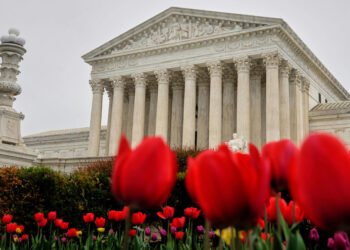
Adding to the legal and policy developments, the Supreme Court of the United States has temporarily reinstated nationwide access to the abortion medication mifepristone, blocking a lower court ruling that threatened to restrict its availability. The drug is widely used in medical abortions across the country and accounts for a significant majority of pregnancy terminations. The decision has been welcomed by reproductive rights advocates, who argue that access to the medication is essential for healthcare autonomy, while opponents continue to challenge its regulatory approval.
The ruling reflects ongoing legal uncertainty surrounding reproductive health policy in the United States, where abortion laws have remained deeply divisive since major changes in federal protections in recent years. The court’s temporary intervention ensures continued access while further legal arguments are considered.
Taken together, the day’s developments highlight a period of heightened political volatility for the United States, spanning international conflict, domestic policy disputes, legal battles, and religious diplomacy. The convergence of these issues underscores the complexity of the Trump administration’s second-term agenda, which continues to face both strong support and intense criticism at home and abroad.
As tensions in the Gulf remain unresolved and global attention remains fixed on the Strait of Hormuz, concerns are growing over the potential for further escalation. With large numbers of commercial vessels still stranded and military activity continuing in the region, diplomatic efforts are expected to intensify in the coming days in an attempt to prevent the crisis from spiralling further.
For now, uncertainty defines both the international and domestic landscape, as Washington navigates a series of overlapping challenges that show little sign of easing in the short term.
Related News:
 Thousands Protest ICE Operations in Nationwide US Day of Action
 US Court Ruling Reshapes Voting Rights Landscape
 US states redraw maps after voting rights ruling
 Judge halts deportation of Yemeni refugees in US
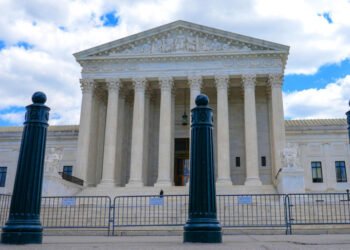 US Court Restores Abortion Pill Access Temporarily
 Trump’s Revenge Drive Deepens GOP Divide
 Former ICC prosecutor condemns US sanctions
 Gunman Killed After White House Security Shootout
 Mystery Grows Over Mitch McConnell’s Health
 China-critical UK academics face ‘extremely heavy’ pressure from Beijing
 US Justice Department Files Lawsuit Against California Over Partisan Voting Maps
 Trump Deploys DHS to Charlotte in Major Arrest Operation
 Congress Approves Release of Epstein Files, Trump Expected to Sign
 Texas Governor Faces Lawsuit From CAIR
 US National Guard Member Killed in DC Shooting
 Trump to Recheck Green Cards from 19 Nations After DC Attack
 Chinese & Japanese Boats Clash Near Disputed Islands
 Putin Meets US Envoy Amid Key Ukraine Peace Talks
 US Defence Chief on Drug Boat Strike: “Did Not See Survivors”
 Trump Escalates Minnesota Immigration Surge Amid Rising Tensions
 Greenland Faces Pivotal Summit Over Arctic Power Struggle
 Trump Threatens Strong Action If Iran Executes Protesters
 Trump Receives Machado’s Nobel Medal in White House Meeting
 EU Says US Ties Have Suffered ‘Big Blow’ After Greenland Crisis
 Trump officials continue false claims after Alex Pretti shooting
 UK and EU Signal Fresh Push for Defence Cooperation Talks
 Partial US Government Shutdown Hits Homeland Security Funding
 Epstein Files Reveal Trump Officials’ Emails with Financier
 Thousands Protest ICE in New York Against Trump Deportation Campaign
 Trump Praises ‘Terrific’ Petro After White House Talks
 Sydney Protest Clash Triggers Police Probe
 Clinton Testimony Erupts in Fiery Exchange
 UK Prepares Aircraft Carrier for Middle East Crisis
 Pete Hegseth Iran War Remarks Spark Alarm
 Queensland Protest Laws Spark Free Speech Backlash
 Trump’s Harsh Rhetoric on Iran Sparks Global Alarm
 Report Says Pezzullo Acted ‘Recklessly’ in Dealings
 Hungary election: Orbán faces biggest test amid scandal
 Suspected Plot Targets Pipeline Before Hungary Vote
 Trump Faces Crisis as Iran Reopens Hormuz Tensions
 Harmeet Dhillon Faces Scrutiny in DOJ Role Debate
 Charles Faces Trump Test in High-Stakes US Visit
 UK Stands Firm on Falklands Amid US Rift
 Trump at Press Dinner Sparks Tension
 US Court Weighs Fate of TPS for Migrants
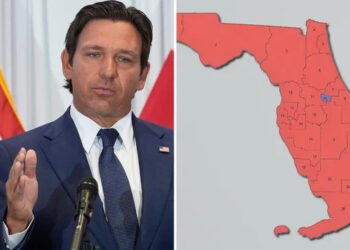 Florida Redistricting Map Sparks Major US Political Battle
 US Voting Rights Ruling Sparks Celebration and Outcry
 Cartel crackdown raises fears of fresh violence
 Trump orders US troop pullout from Germany
 White House Security Case Sparks Political Firestorm
 Trump approval plunges amid Iran war fears
 Giuliani hospitalised in critical condition
 Ohio’s Battle for Trust: Democrats Vying to Flip the Buckeye State
 Trump Threatens UN Budget Cuts as US Pushes ‘Trade Over Aid’ Agenda
 US Supreme Court fast-tracks Voting Rights ruling
 US ‘Narco Boat’ Strikes Draw Global Outcry
 Indiana Republicans Defy Trump in Key Vote Test
 Ohio Primaries Set Stage for Crucial Midterms
 Afghan Families Left in Limbo Face Risk of Deportation
 Tensions Emerge in Netanyahu-Trump Alliance
 US Awaits Iran Reply on New Ceasefire Proposal
 Immigration Judges Fear Pressure in Trump Era
 FDA Chaos Deepens as Trump Eyes Makary Exit
 US green card applicants must apply from abroad, DHS says
 Tulsi Gabbard exits after turbulent intelligence tenure
 Hormuz Talks Near Critical Stage
 Trump Claims Iran Peace Deal Near Completion
 Irish Gangland Figure Fails in Dublin Election Bid
 Prosecutor Proposes Law to Combat Election Deceit
 Trump Weighs Retreat from Controversial $1.8bn Slush Fund
 US Midterm Primaries: Democrats Target Key Republican Seats
 House Curbs Trump’s War Powers in Rare Rebellion
 Le Pen’s Popularity Holds Despite Conviction
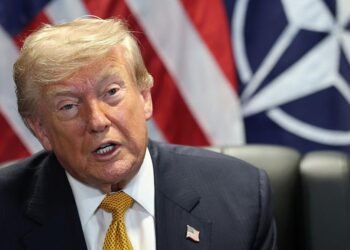 Trump Refuses to Sign Housing Bill, But Law Takes Effect
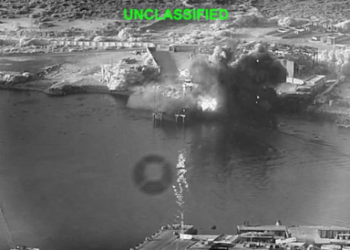 Senate Halts Defense Bill Over Iran Clashes
 Houthis Strike Saudi Arabia as Middle East Tensions Rise
 Trump Orders Signs Criticising Smithsonian Museum
 Is America Ready for an AOC Presidential Run?
 Trump Calls Strait of Hormuz ‘American Territory’
 Trump Faces Iran War Crisis Before Midterm Vote