Published: 07 May 2026. The English Chronicle Desk. The English Chronicle Online.
The landscape of social cohesion in Australia is currently facing an unprecedented and deeply troubling transformation. Recent testimony presented to a landmark royal commission has highlighted a sharp rise in targeted harassment. Jewish citizens across the nation report feeling increasingly isolated within their own professional and social circles. The inquiry has uncovered a series of disturbing incidents occurring in hospitals and corporate offices alike. Many individuals have described a pervasive atmosphere of fear that dictates their daily public interactions. This surge in hostility follows the tragic events that unfolded on 7 October 2023 globally. The testimony suggests that ancient prejudices are being rebranded for a modern and digital-first generation. Experts warn that the social fabric of the country is being tested by these developments. The royal commission serves as a vital platform for documenting these lived experiences of discrimination.
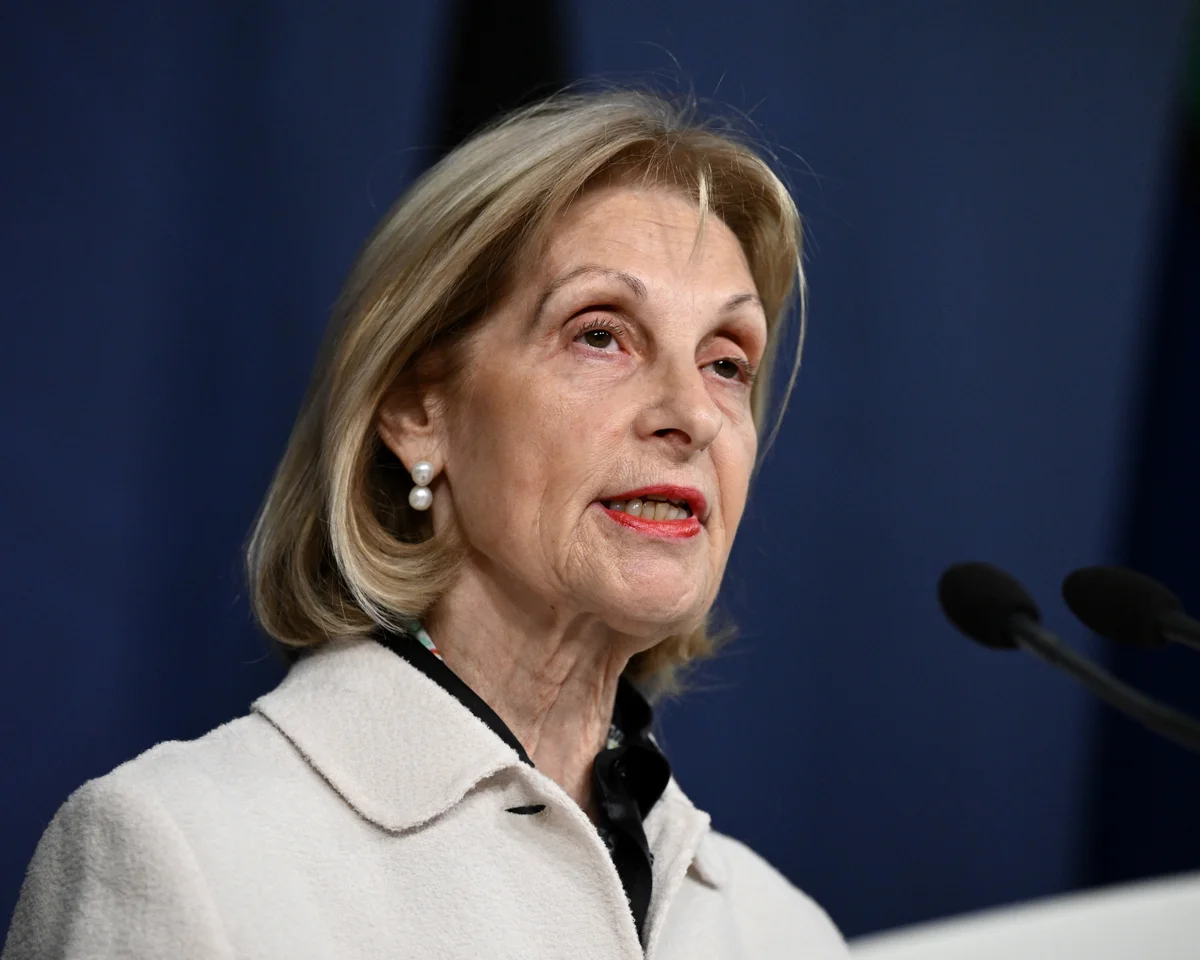
Jillian Segal serves as the Australian government special envoy tasked with combatting this specific hatred. During her evidence, she noted that antisemitism has recently become almost fashionable among younger demographics. This trend is driven largely by social media influencers who shape the views of followers. Many young people now conflate the actions of the Israeli government with all Jewish individuals. Segal identified this specific conflation as the fastest growing form of prejudice within the country. This shift has created a hostile environment in universities and various online community discussion forums. Influencers often simplify complex geopolitical issues into binary narratives for their vast and captive audiences. These digital trends translate into real-world exclusion for many Jewish students and young working professionals. The envoy emphasized that this phenomenon is not merely a collection of isolated social incidents. It represents a systemic shift in how a minority group is perceived and treated daily.

The healthcare sector has also come under intense scrutiny during these recent public commission hearings. A senior nurse manager provided a harrowing account of her experiences within the New South Wales system. Known by the pseudonym AAV, she described a workplace that she now considers fundamentally unsafe. Colleagues allegedly referred to her as Zionist scum while she attempted to perform her duties. She believes the failure of management to intervene has compromised the entire hospital environment. Such professional negligence potentially endangers any staff member coming from a diverse or minority background. The nurse manager shared that she felt forced to hide her cultural and religious identity. She was reportedly told to remove posters of hostages taken during the October 7 attacks. Management suggested these images might offend other staff members or patients within the clinical ward. This directive left her feeling silenced and unsupported during a period of profound personal grief.
In early December 2025, a request to post a Hanukkah greeting was reportedly denied. The hospital media team had previously approved similar messages for the festivals of Diwali and Christmas. This perceived double standard further alienated Jewish staff members who sought simple recognition of their faith. The nurse manager also described a deep-seated fear regarding her own personal medical treatments. She recalled reports of other nurses allegedly threatening to harm Jewish patients in Sydney hospitals. During a scheduled knee surgery, she spent hours imagining various ways she could be targeted. She feared toxic drugs might be put into her IV while she remained unconscious. This level of paralysis and fear is becoming more common among the Jewish patient population. Such stories highlight a breakdown in the basic trust required for a functioning healthcare system. The commission heard that many people are now avoiding necessary medical care due to fear.
The professional world outside of medicine appears to be facing very similar and daunting challenges. A woman using the pseudonym ABM shared a shocking account involving a global Australian-owned company. She claimed her chief executive asked her to adopt a name that sounded less Jewish. This request followed a dispute involving an overseas stakeholder who refused to work with Israelis. Feeling she had no other choice, she altered her email signature and internal directory listings. This act of forced assimilation led to a profound sense of personal and professional shame. She eventually resigned from her position after concluding she could not be herself at work. Her story illustrates the economic pressure some individuals face to hide their true cultural identity. Such incidents suggest that corporate diversity policies may be failing to protect Jewish employees effectively. This testimony has sparked a wider conversation about workplace rights and religious freedom in Australia.
The arts and advocacy sectors have not remained immune to these rising social and political tensions. An Israeli musician spoke of the immense fear he feels while performing for live audiences. He now finds it necessary to warn venues about potential protests before he even arrives. The musician expressed a constant worry that someone in the crowd might carry a weapon. This fear has led him to take an extended break from performing in public spaces. This hiatus has significantly impacted his personal income and his long-term career as an artist. Similarly, Stephanie Cunio, a veteran trade unionist, felt compelled to leave her board member position. She was part of a green advocacy group where younger members challenged the senior leadership. A fellow board member suggested she should leave because the environment had become too difficult. These stories demonstrate how long-standing careers can be derailed by sudden shifts in political sentiment.
The physical landscape of community life has also suffered tangible and devastating losses in recent years. The owners of Lewis’ Continental Kitchen shared the story of their restaurant being burned down. This kosher establishment in Bondi had served as a communal hub for over fifty years. Judith Lewis described the site as a vital centre where people gathered to eat together. The loss of this landmark has been devastating for the local Jewish community in Sydney. The suspected targeted attack destroyed a space that provided both nourishment and a sense of belonging. Such acts of violence send a chilling message to minority groups throughout the entire country. The commission is investigating whether enough was done to prevent such a high-profile target from attack. This incident remains a symbol of the heightened stakes involved in the current social climate. It serves as a reminder of how quickly verbal hostility can escalate into physical destruction.
Clinical psychologist Sarah provided insight into the mental health toll this environment takes on the community. She noted that Jewish Australians are increasingly seeking help to cope with growing public harassment. Even children are asking their parents why they are suddenly being hated by their peers. Academic spaces, once considered bastions of free thought, are now described as being deeply unwelcoming. Sarah herself left a large professional Facebook group after being accused of siding with oppressors. She had simply asked that the group remain focused on psychology rather than Middle Eastern politics. This request for a neutral professional space was met with hostility and eventual social exclusion. Many of her clients report similar experiences of being pushed out of their chosen professions. This isolation can lead to long-term psychological distress and a diminished sense of national belonging. The psychological impact of being perpetually on guard is exhausting for many in the community.

Leading figures in Australian society were initially hesitant to speak out against this rising tide of hate. Jillian Segal suggested that a lack of understanding or fear of social blowback caused this silence. However, she noted that the atmosphere began to change following the tragic Bondi terror attack. Since that event, more leaders have reached out to engage with the Jewish community directly. There is a growing realization that the complaints being made were not exaggerations or isolated. The threats being described are now recognized as real and dangerous for the entire nation. This shift in leadership attitude is seen as a necessary step toward addressing the problem. However, many community members feel that this recognition has arrived far too late for some. The damage to social cohesion may take years or even decades to fully repair. Consistent and firm action from the government is now being demanded by various advocates.
The royal commission continues to gather evidence on how to best protect citizens from targeted hate. The findings will likely shape future legislation regarding workplace discrimination and online hate speech regulations. For now, the Jewish community in Australia remains in a state of high and constant alert. The testimonies heard this week paint a picture of a community under significant and multifaceted pressure. Whether in a hospital, a concert hall, or a restaurant, the sense of safety is gone. The challenge for the broader Australian public is to decide what kind of society they want. A commitment to fairness and responsibility is essential to reverse these deeply concerning social trends. The eyes of the international community are now watching how Australia handles this internal crisis. Achieving a peaceful and inclusive future will require more than just words from those in power. Practical changes in workplace culture and education are urgently needed to restore a sense of security.
Related News:
 Gambia Supreme Court Hears Case to Overturn FGM Ban
 Iran Death Toll Crisis Exposed: Bodies, Mass Graves, and Concealment
 Files Link Andrew to Epstein Dinner After Prison Release
 Thousands Protest ICE in New York Against Trump Deportation Campaign
 Concerns rise for Canberra boy amid Iran detention fears
 Brazilian Politician Brothers Sentenced for Marielle Murder
 Anthony Albanese Must Uphold Rights for All Australians
 Woman Executed in Somalia Sparks Debate on Justice System
 Uganda Crackdown: Two Women Arrested for Public Kissing
 Slovenia Election: A Nation at a Crossroads
 Police Seek Immunity in Indigenous Custody Death Case
 Manila Transport Crisis: Fuel Costs Hit Breaking Point
 UN Warns Israeli Death Penalty Bill Could Be a War Crime
 Spain Faces Backlash Over Xenophobic Chants in Egypt Draw
 A Global Voice For Justice: Stephen Lewis Dies At Age 88
 Artist Sues in Paris Over Israeli Strike Killing Parents
 Canadian Mother and Daughter Released From ICE Detention
 Bondi Nanny Adriana Rivas to Face Extradition to Chile
 Queensland Youth Justice Debate: The Data Behind the Law
 Gaza Child Arrives in UK for Life-Changing Care
 Brisbane Rideshare Driver Faces Serious Assault Charges
 Tragedy in the Channel as Four Lives Lost in Boat Sinking
 Kyiv and Odesa Mourn After Deadly Wave of Russian Strikes
 France Urges Release of Elderly Widow Held by ICE
 Trump Weighs Sending Afghan Allies to the Congo
 Prominent Voices Challenge Palestine Action Ban
 Standoff Over Syria: Australia Defies Trump Repatriation Plea
 Desperation in Odisha: A Brother’s Grim Bank Protest
 Activists allege abuse after Gaza flotilla seizure
 Security Failures and the Road to the Bondi Inquiry
 Mexico’s Missing: State Complicity in a Growing Crisis
 Nobel Laureates Demand Release of Activist Narges Mohammadi
 Plea for Mercy: The Battle to Bring Ahmed al-Doush Home
 Court Upholds Landmark Win for Transgender Rights
 Taliban Codifies Strict New Marriage and Divorce Legislation
 Israeli Strikes in Lebanon Kill 10 Amid Ceasefire Strain
 US judge dismisses Kilmar Abrego Garcia indictment
 Former ICC prosecutor condemns US sanctions
 Trump Faces Legal Blow Over Global Tariffs
 Silenced Stitches: The Cost of Memory in Hong Kong
 Vision Lost Amid the Rubble of Modern Conflict
 Controversial London Property Show Sparks Legal Fury
 US Supreme Court Rejects Trump Attack on Birthright Law
 Gaza Doctor Unrecognisable After Brutal Israeli Detention
 UK Charity Funds Illegal Hebron Settlement Expansion
 Taliban global ties grow as rights fears mount
 Friedman Uninvited From 2024 Adelaide Writers’ Week
 Spoof “Make America Go Away” Caps Rally Denmark Over Greenland
 New Zealand Covid Response Praised Despite Lingering Scars
 Diplomacy on the Brink: Pakistan’s Risky Peace Mission
 Teenage Titan: Sooryavanshi Smashes IPL Records
 Reform UK Pledges To Halt Visas Over Reparations Demands
 US and Iran Agree to Two-Week Provisional Ceasefire
 Israel Defies Ceasefire as Lebanon Operations Persist
 Islamabad Hosts Historic Peace Talks Between Iran and USA
 Trump Signals Hope for New Iran Talks as Ceasefire Fades
 Security Alert Near Israeli Embassy as Police Investigate
 US-Iran Standoff: Will Trump Deploy Ground Troops?
 Investigation Into Anti-Trump Motives After Gala Shooting
 UK Watchdogs Warn Over AI Facial Recognition Oversight
 One Nation Candidate’s Surprising Ties to Independents
 Putin Signals War End as Russian Momentum Stalls
 Romania’s Judicial Crisis: A System Under Siege
 Scepticism and tight security as Beijing braces for Trump
 Philippine Senator Flees After Days Under Senate Siege
 Secrecy Down Under: Albanese Faces FoI Scandal
 Tony Abbott Returns as New Liberal Party President
 Discontent grows around Putin amid war strain
 Teaching Machines Right From Wrong in the Digital Age
 Oman Defies US Pressure Over Strategic Strait of Hormuz
 Ex-CIA Agent Accused of $40m Gold Theft and Fake Spy Unit
 Trump Urged to Condemn UFC Fighter Over Obama Slurs
 US Military Pacific Boat Strike Kills Three People
 Trump’s Mount Rushmore Speech: A Divisive Anniversary
 Trump Swaps Planes Amid Iran Tensions
 Rotterdam Museum Honours Artist With Peanut Butter Floor
 Bangkok Nightclub Blaze Claims 30 Lives Amid Negligence Probe
 Yemen Accuses Iran of Violating National Sovereignty
 Florida Executes One of Its Oldest Death Row Prisoners
 Houthis Strike Saudi Arabia as Middle East Tensions Rise