Published: 13 May 2026. The English Chronicle Desk. The English Chronicle Online.
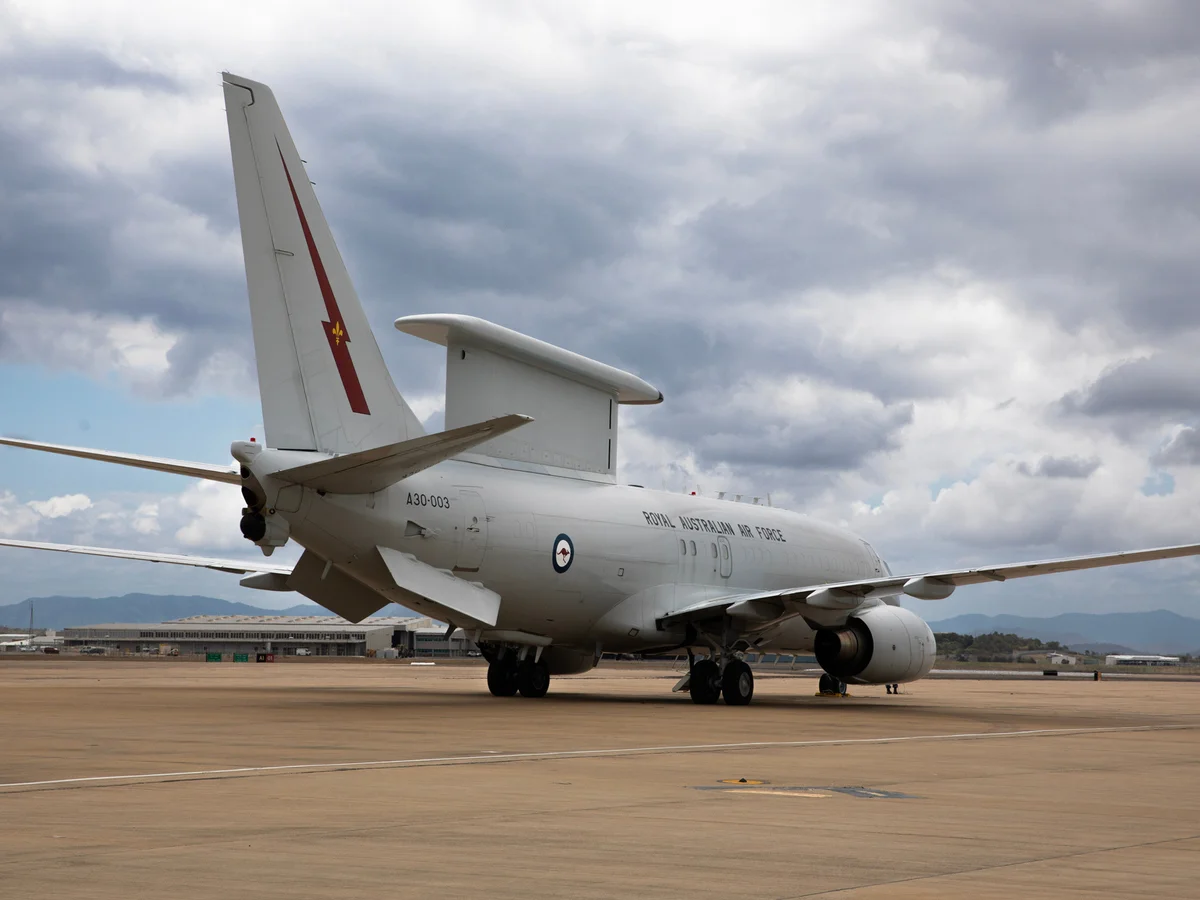
The global community has reached a critical turning point regarding the escalating Middle East crisis. Australia has officially pledged a sophisticated military aircraft to support an urgent international maritime mission. This vital operation aims to reopen the Strait of Hormuz after months of severe disruption. Defence Minister Richard Marles confirmed the commitment following high-level talks with forty other global nations. These leaders gathered to address the blockade which has paralyzed one of the world’s busiest routes. The strategic waterway sits precariously off the Iranian coast and has remained restricted since February. Diplomatic efforts are now merging with military planning to restore the essential flow of commerce. Australia intends to contribute its world-leading E-7A Wedgetail aircraft to this significant defensive effort. This deployment signals a deepening involvement for Canberra within the volatile and shifting regional landscape.
Richard Marles emphasized that Australia remains ready to support this independent and strictly defensive mission. The United Kingdom and France will lead the multinational force once it is fully established. This partnership highlights the enduring security ties between these nations during times of global instability. Marles noted that the collective goal is to support freedom of navigation through the strait. The decision follows intense deliberations about the risks posed to the global rules-based order today. Australia’s contribution is seen as a way to bolster diplomatic and economic capabilities abroad. The minister also told parliament that the government is considering further ways to assist this. Australia continues to talk with British and French allies about additional assets for the mission. This suggests that the current commitment of one aircraft may only be the beginning.
The Wedgetail aircraft is already stationed in the United Arab Emirates since its March arrival. Approximately eighty-five Australian Defence Force personnel currently support the operation of this high-tech surveillance platform. Its initial purpose was to help protect Gulf nations from potential attacks during the conflict. The plane provides crucial intelligence to the Combined Air Operations Centre located within nearby Qatar. Australian officials consistently maintain that the aircraft does not assist in any offensive military strikes. Its role remains focused on monitoring the skies and ensuring regional safety through advanced radar. The deployment was originally scheduled for four weeks but has faced multiple extensions since then. Prime Minister Anthony Albanese previously indicated the aircraft would remain for several more weeks at least. It now appears the Wedgetail will stay in the Middle East for much longer.
Government records show that the mission is becoming a central pillar of Australian foreign policy. Federal budget papers recently allocated millions of dollars for advanced air-to-air missiles for the UAE. These munitions are intended for self-defence as tensions continue to simmer across the entire region. There are reports of secret strikes occurring between regional powers despite the official defensive stance. The Wall Street Journal recently highlighted a major attack on a refinery on Lavan Island. Such incidents have increased the urgency for an international presence to stabilize the shipping lanes. Australia possesses a fleet of several Wedgetail aircraft ready for various global security tasks. However, the specific plane already in the UAE will likely be the one redeployed. Marles believes this platform makes a valuable contribution to securing the essential freedom of navigation.
The impact of the closed strait is being felt far beyond the Middle East. Prolonged conflict in the region creates significant economic risks for the Australian domestic market today. The government aims to shield citizens from the rising costs associated with maritime trade delays. Marles warned that the longer the fighting continues, the more severe these impacts will become. Safeguarding the sea lanes is now viewed as a matter of national economic security. The minister stated that a defensive military mission is required to protect these vital routes. He highlighted how the current volatility exposes the fragile nature of our interconnected world. Disruptions to communication and trade lanes represent a major risk for many island nations. Australia is particularly vulnerable to adversaries who might seek to coerce it through such blockades.
This strategic move comes amidst a significant increase in Australia’s overall national defence spending. The latest budget included a fifty-three billion dollar boost for the military over ten years. This massive investment aims to modernize the force and prepare for future global uncertainties. However, the government has faced domestic criticism for its concurrent cuts to social services. Some citizens are questioning the balance between high military spending and local welfare needs. Ministers have defended these choices by citing the acute pressure on the international order. They argue that a secure world is the foundation for a prosperous and stable society. The commitment to the Strait of Hormuz is a clear demonstration of this philosophy. Australia is choosing to play an active role in maintaining the security of global trade.
The upcoming mission represents a delicate balancing act for the Australian Labor government and allies. They must navigate a complex web of regional rivalries while avoiding further military escalation. By aligning with the United Kingdom and France, Australia seeks a middle path of cooperation. The defensive nature of the mission is being stressed to avoid provoking further hostilities. Nevertheless, the presence of hi-tech military assets carries an inherent risk of being drawn deeper. The international community will be watching closely as the naval and air forces assemble. Success in reopening the strait would provide a much-needed boost to the global economy. It would also reaffirm the power of multinational cooperation in the face of regional chaos. For now, the Australian crew of the Wedgetail prepares for its next critical task.
The aircraft is renowned for its ability to track multiple targets over vast distances simultaneously. This capability is essential for managing the crowded and dangerous airspace above the Persian Gulf. Ensuring that commercial tankers can pass through the strait safely remains the primary objective. The deployment of such a sophisticated asset shows the seriousness of the current situation. Marles remains hopeful that a combination of diplomacy and military presence will yield results. He believes that the global rules-based order must be defended against those who ignore it. The coming weeks will reveal if this multinational effort can achieve its ambitious goals. Australia stands ready to play its part alongside its closest international partners and friends. The eyes of the world are now fixed on the narrow waters of Hormuz.
Related News:
 Capitol Attack Anniversary Sparks Deep Political Divide
 Saudi Officials Report Zubaidi Flee Before Yemen Peace Talks
 UK Targets in New York Bomb Threat Hoax: Man Jailed
 Gambia Supreme Court Hears Case to Overturn FGM Ban
 Trump targets Iran trade with 25% tariff warning
 US Senate rejects resolution limiting Trump military powers
 Gulf states warn Trump Iran strikes risk wider Middle East war
 Machado Trump medal gesture reshapes Venezuela power struggle
 Greenland defence seen as shared Nato duty amid troop arrivals
 Geopolitical football: Iran, Trump and the World Cup clash
 Canada-China trade gains momentum in new strategic partnership
 Syria President Declares Victory as Ceasefire Reached with SDF
 Shinzo Abe’s killer receives life sentence in Japan
 China General Under Investigation Amid Leadership Purge
 Philippines ferry disaster leaves 15 dead, dozens missing
 Cambridge Faces Scrutiny Over Arms Investment Transparency
 Epstein UAE Emails Shake British Royal Andrew’s Legacy
 Christchurch gunman seeks to vacate guilty plea
 Infantino Faces Russia Threat and Trump Concerns at Uefa Congress
 Concerns rise for Canberra boy amid Iran detention fears
 Ukraine Sends Drone Experts to Defend US Bases in Jordan
 Abramovich Chelsea Sale Cash Faces Jersey Probe
 Yvette Cooper: UK Must Follow Principles, Not US Pressure
 Slovenia Election: A Nation at a Crossroads
 Jury Rules Meta and YouTube Liable for Addictive Design
 Saudi Arabia Urging US to Keep Up Iran Attacks
 The Woman Guarding Earth From the Threat of Asteroids
 IMF Predicts Global Economic Crisis Due to Gulf Unrest
 Germany Grapples With AI Abuse Following TV Star Scandal
 Exiled Tycoon Warns of New Russian Attacks on UK Soil
 LA 2028: Millions of Affordable Olympic Tickets Announced
 Trump Slams Europe as Transatlantic Tensions Boil Over
 Inside the Deceptive Machine: A Former Producer Speaks Out
 Italy Faces Third Successive World Cup Absence After Loss
 Spain Faces Backlash Over Xenophobic Chants in Egypt Draw
 A Global Voice For Justice: Stephen Lewis Dies At Age 88
 Hope and Fear as Iranians Flee Across the Turkish Border
 Reform UK Pledges To Halt Visas Over Reparations Demands
 US and Iran Agree to Two-Week Provisional Ceasefire
 Starmer visits Gulf as US and Iran agree ceasefire
 Gaza Child Arrives in UK for Life-Changing Care
 Israel Defies Ceasefire as Lebanon Operations Persist
 Pakistan Brokers Historic Peace Deal Amid Rising Tensions
 UK Holds Firm on Strait of Hormuz Amid Trump Pressure
 Rory McIlroy Eyes New Horizons After Masters Defence
 Trump Signals Hope for New Iran Talks as Ceasefire Fades
 Reeves Slams Trump Over Iran War Lack Of Exit Plan
 US and Iran Pursue Extension of Ceasefire via Pakistan
 Trump’s Islamabad Gamble: The High Stakes of a New Iran Deal
 Ian Katz to Step Down as Channel 4 Content Chief
 The General’s Gambit: Pakistan’s New Role in Global Peace
 Mexico, Spain and Brazil call for Cuba dialogue amid crisis
 Pakistan’s Ambitious Bid for Middle East Peace
 Trump Starts $166bn Tariff Refund Process
 Israeli Soldiers Jailed Over Vandalism of Lebanese Statue
 Trump Weighs Sending Afghan Allies to the Congo
 Timor-Leste Faces Tough Questions Over Resort Proposal
 Pentagon Shakes Up Navy Leadership Amid Hormuz Blockade
 Trump Threatens UK With Big Tariff Over Tech Tax
 Prominent Voices Challenge Palestine Action Ban
 Security Scrutiny After Washington Shooting Incident
 Merz Criticises US Approach in Iran Conflict
 UK Envoy Sparks Controversy Over Special Relationship Claims
 Ukraine Urges UK to Seize Russian Oil Tankers
 US Calls Australia Media Law “Foreign Extortion”
 The Billionaire’s Secretary and the £1m Fraud
 Questions Remain Over The Tragic Bondi Massacre
 Ukraine strikes Tuapse as oil disaster worsens
 Brewing Tension: Taiwan Baristas Rebrand for World Stage
 Security Failures and the Road to the Bondi Inquiry
 Tensions Emerge in Netanyahu-Trump Alliance
 Mission to the World’s Edge: A Heroic Rescue in Tristan
 US Passengers Repatriated Following Cruise Virus Outbreak
 US and Mexico Face Heatwave as Floods Batter South Africa
 Mexico’s Missing: State Complicity in a Growing Crisis
 US Cities See 42% Drop in Canadian Visits Under Trump 2.0
 French Patient Told Hantavirus Was Just Anxiety
 The Long Way Home: Australia’s High-Stakes Virus Mission
 Putin Signals War End as Russian Momentum Stalls
 Romania’s Judicial Crisis: A System Under Siege