Published: 18 May 2026. The English Chronicle Desk. The English Chronicle Online.
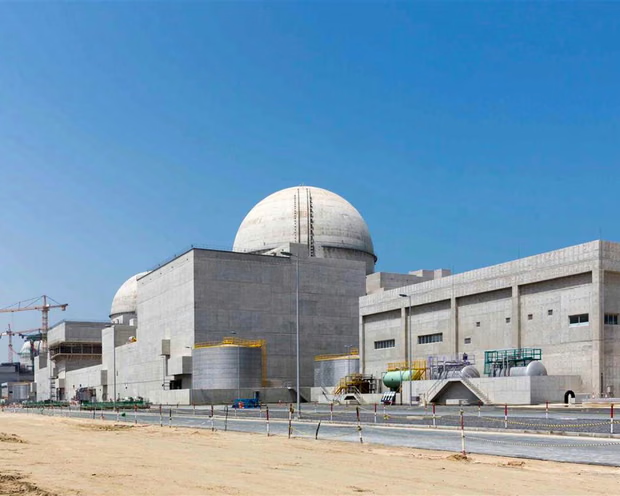
The Middle East faces a precarious moment as regional tensions threaten a delicate ceasefire agreement. A sudden drone strike near a major nuclear facility has shattered weeks of relative calm. The United Arab Emirates officially blamed Iran or its proxy forces for the dangerous escalation. This incident occurred just outside the perimeter of the strategic Barakah nuclear power plant. Officials confirmed the strike caused a significant fire but resulted in no casualties. The nation’s independent nuclear regulator acted quickly to reassure an anxious global audience today. Their official statement confirmed that no radioactive leaks or public safety risks were detected.
However, the timing of this hostile action could not be more critical for diplomats. The region is currently in the sixth week of a fragile ceasefire agreement. Peace talks designed to end the wider Iran war have completely stalled in recent days. Analysts suggest this latest provocation risks plunging the entire volatile region back into open conflict. The international community had hoped the cessation of hostilities would lead to lasting stability. Instead, this latest development has reignited fears of a much larger regional conflagration soon. Both sides appear to be preparing for a potential breakdown of diplomatic channels.
The escalating situation has caught the immediate attention of the United States administration. Donald Trump expressed deep impatience with the current deadlock through his social media platform. The American president issued a stern warning directly to the political leadership in Tehran. He stated that the clock is ticking for Iran to make a move. Trump emphasized that time is of the essence regarding these stalled peace negotiations. His characteristically blunt words have intensified the pressure on an already fragile diplomatic process. Observers believe the American administration is signaling a potential shift toward a harsher policy.
Sources indicate that Washington is actively considering its strategic options regarding the Middle East. Trump reportedly met with his top national security advisers at his Virginia golf course. This weekend meeting focused heavily on the implications of the latest drone strike. Another high-level briefing with the full national security team is scheduled for Tuesday. These consecutive meetings demonstrate the gravity with which the United States views the situation. Diplomatic sources suggest that military options have not been ruled out by Washington. The administration is seeking to project strength while maintaining its commitment to regional allies.
American diplomatic efforts are also being closely coordinated with key figures in the region. Trump conducted a vital telephone conversation with Israeli Prime Minister Benjamin Netanyahu this weekend. Their discussion occurred just before an important meeting of the Israeli security cabinet. The two leaders focused on the interconnected conflicts in Iran, Lebanon, and Gaza. Speculation is mounting within Israel that the broader war could restart very soon. This anxiety grows daily in the absolute absence of any meaningful diplomatic compromise. Israeli military officials are reportedly on high alert following the latest developments.
Meanwhile, the United Arab Emirates is actively rallying regional support for its position. State media reported that the Emirati foreign minister initiated several high-level diplomatic talks. Sheikh Abdullah bin Zayed Al Nahyan contacted multiple leaders across the Gulf region today. These discussions included Saudi Arabia, despite recent strain in their bilateral relationship. Riyadh put aside past differences to issue a swift condemnation of the attack. This display of regional solidarity underscores the shared threat perceived by Gulf monarchies. The coordinated response aims to isolate Tehran diplomatically on the world stage.
The Emirati foreign minister also engaged with international nuclear authorities following the drone strike. He personally informed the director general of the International Atomic Energy Agency about details. Rafael Grossi received a comprehensive briefing regarding the specific location and impact damage. The minister firmly asserted his country’s full right to respond to terrorist attacks. This statement suggests that a military response from the Emirates remains highly possible. The international community is watching closely to see how the nation chooses to retaliate. The potential for a counter-strike has raised alarms in capitals worldwide.
The international nuclear watchdog has reacted with profound concern to the weekend incident. The agency utilized social media to broadcast its official perspective on the strike. Grossi expressed grave concern regarding the military activity near the Barakah facility. He stated unequivocally that any actions threatening nuclear safety are completely unacceptable. The agency emphasized that civilian nuclear infrastructure must be protected during military conflicts. This statement reflects a broader global anxiety about the vulnerability of nuclear installations. International experts are calling for immediate restraint from all parties involved.
The United Arab Emirates has previously demonstrated its willingness to use military force. The nation has retaliated for past Iranian attacks targeting its vital oil infrastructure. Emirati airstrikes have previously hit several sensitive facilities located inside Iranian territory. Throughout this conflict, the nation has significantly strengthened its strategic partnership with Israel. This alliance has transformed the geopolitical landscape of the modern Middle East. The Emirates has emerged as the most hawkish of the Gulf states. Their leadership consistently advocates for decisive military action against the Tehran government.
New technical details regarding the specific nature of the attack are emerging today. The Emirati defence ministry disclosed that three distinct drones entered their national airspace. These unmanned aerial vehicles reportedly approached the country from the western border direction. Air defence systems monitored the incoming targets as they breached the national perimeter. One drone successfully bypassed defenses to strike an external electrical generator facility. The impact occurred just outside the secure inner perimeter of the power plant. The specific location was identified within the geographically remote Al Dhafra area.
Military investigators are currently working at the site to analyze the drone wreckage. The defence ministry confirmed that comprehensive investigations are actively ongoing at this hour. Experts are analyzing debris to determine the exact origin of the sophisticated aircraft. Official updates will be shared with the public as the investigation concludes successfully. Experts believe the findings could provide definitive proof of external state sponsorship. The results will likely dictate the scale and nature of the Emirati response. Security has been significantly tightened around all critical infrastructure assets nationwide.
Senior political figures in the Emirates are expressing their outrage over the incident. Anwar Gargash, a prominent presidential adviser, shared his strong perspective on social media. He made it entirely clear that Iran or its proxies were responsible. Gargash labeled the deliberate targeting of the clean energy facility a dangerous escalation. He argued that the strike represents a dark scene violating international laws. The adviser accused the perpetrators of showing complete disregard for innocent civilian lives. His strong rhetoric reflects the growing anger within the Emirati political establishment.
The international community now watches the Middle East with a sense of dread. The failure of peace talks has left a dangerous vacuum in diplomacy. This latest strike near a nuclear facility has raised the stakes dramatically. A single miscalculation could trigger a devastating conflict affecting global energy markets. The coming days will test the resilience of international diplomacy under pressure. Citizens across the region can only hope for a peaceful resolution to this crisis. However, the path forward appears increasingly fraught with geopolitical peril and uncertainty.
Related News:
 Middle East Flights Halted After Iran Strikes
 US Iran Operation: Sixth Service Member Killed
 Hezbollah Anger Erupts as War Returns to Beirut
 Gaza Siege Deepens as Iran War Escalates
 Riyadh Drone Attack Escalates Regional War
 Middle East attacks intensify as Trump rejects Iran talks
 Iran-Iraq border airstrikes spark new tensions
 Iran-Iraq Border Strikes Spark New Front Fears
 Iran-Backed Militias Escalate Attacks Across Middle East
 UK Prepares Aircraft Carrier for Middle East Crisis
 Mojtaba Khamenei Chosen as Iran’s New Supreme Leader
 Tehran Oil Depot Strikes Darken City With Toxic Smoke
 Seventh US Service Member Killed in Iran Conflict Identified
 Mojtaba Khamenei Supporters Rally as Iranians Fear Repression
 Tehran Strikes Mark War’s Most Devastating Night
 Iran Defiance Grows Amid US-Israel War Pressure
 Hormuz Crisis Sparks Global Oil Market Fears
 Iranian Exile Factions Seek US Backing for Iran’s Future
 US-Israeli Strategy Shifts to Plan B in Iran War
 Injured Mojtaba Khamenei Elevated as Iran Leader
 US Missile Strike on Iran School Sparks Global Shock
 Iran Gulf attacks escalate as ships and airports targeted
 Iran Conflict: Trump’s Uncertain Path and Diplomatic Off-Ramp
 Ancient Heritage Sites Damaged in Recent Airstrikes
 Tehran Diary: Dark Days Under Relentless Bombardment
 British Tourist Charged Over Dubai Missile Strike Video
 Gaza Detainee Abuse: Israel Drops Charges Against Soldiers
 Trump Iran War Stance Hardens as Conflict Widens
 Lebanon Ground Campaign Raises Occupation Fears
 Gulf Tensions Rise as Iran Alleges Covert Support
 Kabul hospital strike sparks deadly blame row
 Iran Threatens Total Destruction of Mideast Energy Grid
 Ghalibaf Iran: Survivor Emerges in Shifting Power Game
 Gulf Distrust Grows Over Rumoured US-Iran Peace Talks
 WHO Warns of Health Crisis Unfolding in Middle East
 Saudi Arabia Urging US to Keep Up Iran Attacks
 Iranian President’s Son Shares Wartime Hopes and Fears
 Iran Warns of US Ground Assault Amid Rising War Tension
 MAGA Anxiety and the Iran War: A Movement Divided at CPAC
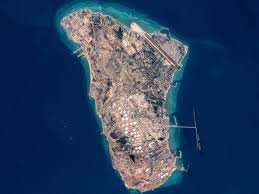 Trump Threatens Iran With Total Infrastructure Destruction
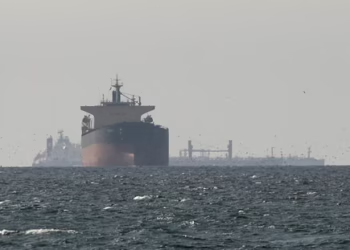 Iran Drone Strike Hits Kuwaiti Oil Tanker in Dubai Port
 Albanese to Address Nation as War Sparks Economic Crisis
 Death, displacement and military duties: children plunged into crisis
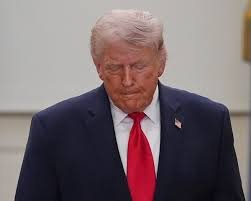 Trump’s Six-Week Iranian War: The High Cost of Ignorance
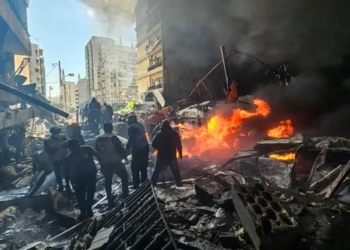 Beirut Under Fire: Massive Israeli Strikes Shaking Lebanon
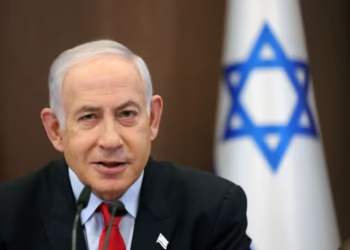 Middle East Analysis: The Cost of a Fragile Peace
 Lebanon Must Join Ceasefire to Prevent Escalation, Says Cooper
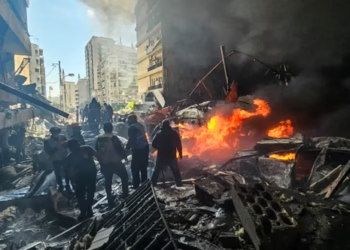 Israel Launches Massive Airstrikes Across Lebanon
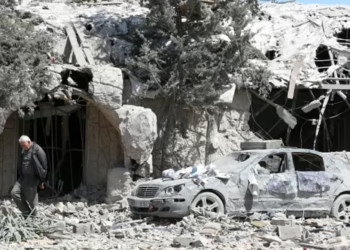 Netanyahu Vows Continued Lebanon Strikes Amid Peace Talks
 Iran Crisis Tests Trump’s Global Leadership
 US and Iran Pursue Extension of Ceasefire via Pakistan
 Uncertain Peace: Tehran Residents Face a Ruined Capital
 Aid Crisis Grows as Hormuz War Disrupts Supply
 Trump likens US Navy actions to ‘pirates’
 Global order shifts amid Trump-era turmoil
 Middle East Crisis Escalates as Oil Routes Shake Markets
 Tensions Emerge in Netanyahu-Trump Alliance
 Trump Rejects Tehran Peace Plan as Regional Truce Crumbles
 Netanyahu Calls Early Election Amid Coalition Turmoil
 Tensions Flare as Israeli Nationalists March in Jerusalem
 Global Flotilla Intercepted in International Waters
 Israeli Strikes in Lebanon Kill 10 Amid Ceasefire Strain
 Hunger increasingly weaponised in global conflicts
 Former ICC prosecutor condemns US sanctions
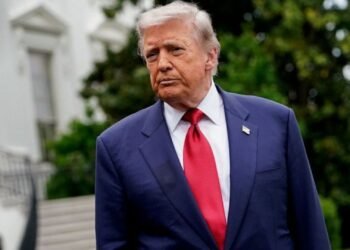 Trump Claims Iran Peace Deal Near Completion
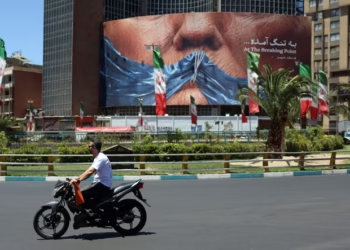 US Strikes Iranian Sites Amid Shaky Ceasefire Talks
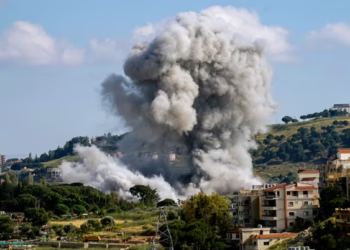 Israel Intensifies Lebanon Strikes to Crush Hezbollah
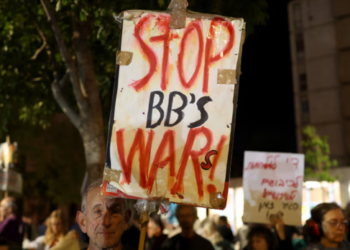 Trump’s Iran Deal Plan Sparks Intense Alarm Across Israel
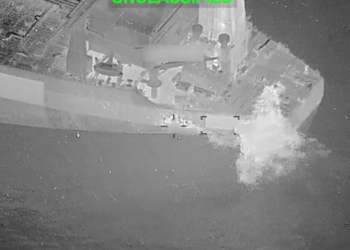 US and Iran Trade Fresh Strikes, Threatening Ceasefire
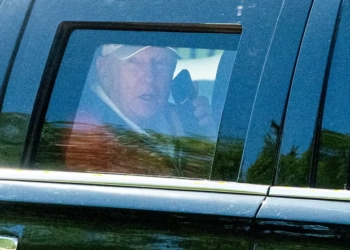 Trump Confronts Netanyahu in Explosive Beirut Phone Call
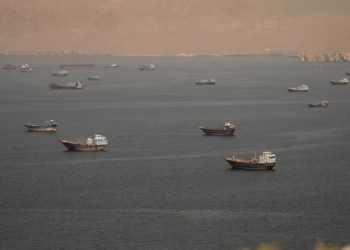 Iran To Propose New Shipping Fees In Strait Of Hormuz
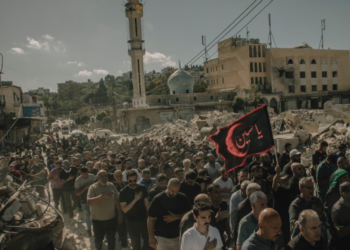 Grief and Devotion Amidst the Rubble of Nabatieh
 High Drama in Tehran Over Secret Nuclear Letters
 Houthis Strike Saudi Arabia as Middle East Tensions Rise
 ‘Extinct’ Antelope Returns to Sahara, Bringing Hope
 Irish Beach Tragedy: Irish Drown at Whitehaven Beach in Australia
 UK and US Drop in Global Corruption Index Rankings
 Canberra Poster Seizure Sparks Free Speech Row
 Jacinda Ardern Move Sparks Kiwi Reflection
 Yemen Accuses Iran of Violating National Sovereignty