Published: 19 May 2026. The English Chronicle Desk. The English Chronicle Online.
The landscape of Middle Eastern geopolitics shifted dramatically on Monday afternoon following an unexpected declaration from Washington regarding military action. Donald Trump claimed he postponed a series of major air operations after receiving a fresh diplomatic proposal from Tehran. This sudden announcement has injected a fragile sense of hope into a region heavily scarred by conflict. However, seasoned diplomats remain deeply skeptical about the true prospects for a lasting peace agreement. The United States president utilized his preferred social media platforms to broadcast this sudden shift in policy. He asserted that a comprehensive deal to end the war definitively was now within reach. Despite his characteristic optimism, independent observers note that tangible breakthroughs remain elusive on the ground. The broader negotiations have been stalled for weeks with few signs of genuine diplomatic consensus.
A precarious ceasefire has managed to suppress the worst of the violence across the region. This temporary truce followed six weeks of intense US-Israeli airstrikes and subsequent Iranian retaliation. Progress toward a permanent settlement has been remarkably slow since Trump declared the ceasefire failing. Recent reports from Israeli media outlets even suggested that a resumption of hostilities was entirely imminent. The president altered that narrative by announcing a temporary suspension of planned military movements. Trump stated that leaders from several Gulf nations explicitly requested this brief diplomatic window. They urged the White House to halt an attack scheduled for Tuesday morning instead. The administration complied with these requests to allow negotiators a final opportunity to talk.
According to Washington, the leaders of Qatar, Saudi Arabia, and the United Arab Emirates intervened. They approached the American government with optimism regarding a potentially acceptable resolution for all sides. The primary objective for the United States remains preventing Iran from obtaining any nuclear weapons. Trump indicated that the proposed terms might finally satisfy American security requirements in the region. He simultaneously issued a stern warning to military commanders regarding the suspension of operations. The president ordered forces to remain prepared for a large-scale assault at a moment’s notice. This dual approach underscores the deep lack of trust that defines American relations with Tehran. The threat of overwhelming military force continues to loom over these delicate diplomatic discussions.
The diplomatic movement gained momentum as Iran’s foreign military spokesperson confirmed a new proposal existed. Esmail Baghaei stated that the official text had been transmitted to Washington via Pakistan. Islamabad has consistently acted as a key mediator between the two warring nations during this crisis. Reports emerging from the Pakistani capital, however, presented a much more pessimistic view of the situation. Sources in Islamabad told Reuters that both sides frequently change their baseline negotiating demands. They warned that time is rapidly running out to secure a meaningful diplomatic compromise. This internal contradiction highlights the immense difficulty of navigating these complex international security negotiations.
Other regional officials offered slightly more encouraging details regarding the substance of the Iranian proposal. Tehran has reportedly reiterated several major concessions to secure an easing of military pressure. These terms include a long-term suspension of its controversial domestic nuclear development programme. Furthermore, Iran has offered to transfer its existing highly enriched uranium stores to Russia. The proposal also outlines a phased reopening of the economically vital Strait of Hormuz. This strategic waterway has been a central flashpoint throughout the duration of the conflict. Such concessions represent a notable shift from the previously uncompromising stance maintained by Iranian leadership.
Further complicating the narrative, the semi-official Tasnim news agency published additional details on Monday. Citing an anonymous source close to the Iranian negotiating team, it claimed a major victory. The outlet reported that Washington agreed to waive sanctions on Iranian oil exports temporarily. This waiver would theoretically remain active throughout the duration of the current negotiation period. Independent international journalism sources have not yet verified these specific economic claims by Tehran. The entire negotiation process has been heavily defined by conflicting and often misleading public statements. All participating parties appear to be using the media to shape public perceptions to advantage.
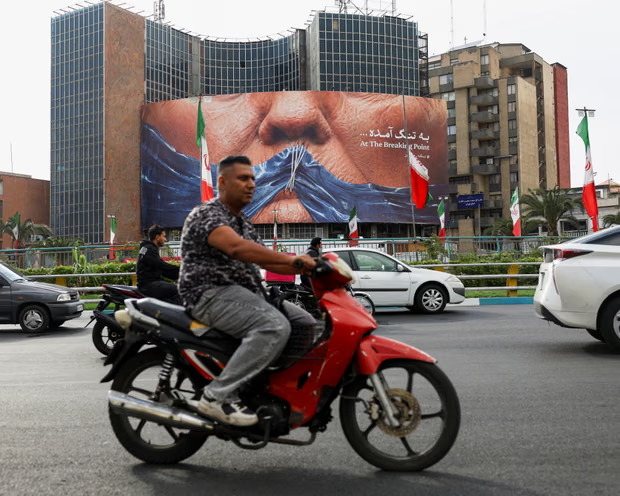
Domestic rhetoric within Iran remains fiercely defiant despite the apparent progress being made in private. The Islamic Revolutionary Guard Corps issued a provocative threat concerning regional internet infrastructure on Monday. The military branch threatened to impose strict permit requirements on submarine cables crossing the strait. Other Iranian officials insisted the waterway would remain permanently under direct Iranian maritime management. This management plan implies that Tehran intends to levy tolls on passing international commercial shipping. Washington has repeatedly stated that any restriction on free navigation is entirely unacceptable to them. This public positioning suggests that core disagreements over regional sovereignty remain unresolved by negotiators.
The Iranian foreign ministry emphasized that its military forces are fully prepared for any escalation. Baghaei addressed a televised press conference to reassure the domestic population of their defensive readiness. He stated that Tehran knows exactly how to respond to any aggressive foreign military mistakes. Meanwhile, reports from American media indicated that Trump was still considering all available military options. Axios reported the president would meet national security advisers on Tuesday to review active options. This meeting suggests the administration is maintaining maximum pressure while public discussions continue in Washington.
Trump later struck a much more conciliatory tone during a public White House event. He described the latest diplomatic communications from the Middle East as a very positive development. The president reiterated his belief that a final deal was close to being finalized safely. This agreement would theoretically ensure that Iran never develops a functional nuclear weapon in future. Tehran has consistently denied that it ever intended to pursue military applications for nuclear technology. Trump expressed hope that a resolution could be achieved without resorting to further bombing. The desire to avoid an expensive and protracted war appears to influence American policy.
The broader conflict continues to inflict a heavy toll despite the reduction in airstrikes. Hostile drones have been launched from Iranian territory toward various nations in the Persian Gulf. These attacks specifically target countries that host active United States military installations and personnel. One such drone strike caused a significant fire at a civilian nuclear facility. This dangerous incident occurred within the United Arab Emirates according to local government officials. Saudi Arabia also reported that its air defense forces successfully intercepted three separate drones. These persistent drone operations demonstrate that the underlying regional security crisis remains highly volatile.
Iran intensified its military actions against the United Arab Emirates earlier this current month. This escalation followed Trump’s announcement of a specialized international naval mission in the gulf. The mission was designed to forcibly reopen the closed shipping lanes of the strait. The president ultimately suspended that naval operation after only forty-eight hours of active deployment. Political analysts suggest the overall conflict has reached a complicated and dangerous strategic deadlock. Both nations face immense domestic pressure to bring the damaging war to an end quickly. Neither side possesses sufficient incentives to make the painful concessions required for a deal.
Trump faces significant domestic political pressure ahead of the upcoming legislative midterm elections this November. Current polling suggests these elections could go poorly for his Republican party across America. The president held extensive talks with Chinese President Xi Jinping last week in Beijing. Trump failed to secure any firm commitment from China to help resolve the conflict. White House officials are increasingly worried about the political fallout of this foreign policy gamble. The conflict has caused volatile fluctuations in domestic fuel prices for ordinary American consumers. Voters appear much more concerned with the cost of living than foreign military engagements.
The economic reality inside Iran is similarly dire as the international conflict continues to drag. The country is experiencing a deepening economic crisis and widespread destruction of vital infrastructure. Local inflation is soaring rapidly, causing immense hardship for the general population of the nation. Some internal officials fear a major surge in popular discontent against the ruling regime. The Human Rights Activists News Agency has documented thousands of arrests since February. Many citizens face severe charges related to espionage and communicating with foreign media entities. There is also growing international alarm over a sudden spike in state-sanctioned executions. These severe internal measures indicate a government deeply frightened of domestic political instability during wartime.
Related News:
 Capitol Attack Anniversary Sparks Deep Political Divide
 Saudi Officials Report Zubaidi Flee Before Yemen Peace Talks
 UK Targets in New York Bomb Threat Hoax: Man Jailed
 Gambia Supreme Court Hears Case to Overturn FGM Ban
 Trump targets Iran trade with 25% tariff warning
 US Senate rejects resolution limiting Trump military powers
 Gulf states warn Trump Iran strikes risk wider Middle East war
 Machado Trump medal gesture reshapes Venezuela power struggle
 Greenland defence seen as shared Nato duty amid troop arrivals
 Geopolitical football: Iran, Trump and the World Cup clash
 Canada-China trade gains momentum in new strategic partnership
 Syria President Declares Victory as Ceasefire Reached with SDF
 Shinzo Abe’s killer receives life sentence in Japan
 China General Under Investigation Amid Leadership Purge
 Philippines ferry disaster leaves 15 dead, dozens missing
 Cambridge Faces Scrutiny Over Arms Investment Transparency
 Epstein UAE Emails Shake British Royal Andrew’s Legacy
 Christchurch gunman seeks to vacate guilty plea
 Infantino Faces Russia Threat and Trump Concerns at Uefa Congress
 Concerns rise for Canberra boy amid Iran detention fears
 Ukraine Sends Drone Experts to Defend US Bases in Jordan
 Abramovich Chelsea Sale Cash Faces Jersey Probe
 Yvette Cooper: UK Must Follow Principles, Not US Pressure
 Jury Rules Meta and YouTube Liable for Addictive Design
 Saudi Arabia Urging US to Keep Up Iran Attacks
 The Woman Guarding Earth From the Threat of Asteroids
 IMF Predicts Global Economic Crisis Due to Gulf Unrest
 Germany Grapples With AI Abuse Following TV Star Scandal
 Exiled Tycoon Warns of New Russian Attacks on UK Soil
 LA 2028: Millions of Affordable Olympic Tickets Announced
 Trump Slams Europe as Transatlantic Tensions Boil Over
 Inside the Deceptive Machine: A Former Producer Speaks Out
 Italy Faces Third Successive World Cup Absence After Loss
 Spain Faces Backlash Over Xenophobic Chants in Egypt Draw
 A Global Voice For Justice: Stephen Lewis Dies At Age 88
 Hope and Fear as Iranians Flee Across the Turkish Border
 Reform UK Pledges To Halt Visas Over Reparations Demands
 US and Iran Agree to Two-Week Provisional Ceasefire
 Starmer visits Gulf as US and Iran agree ceasefire
 Gaza Child Arrives in UK for Life-Changing Care
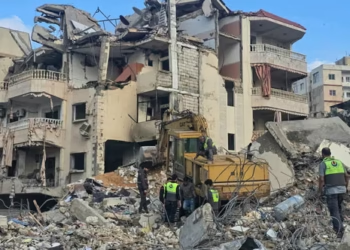 Israel Defies Ceasefire as Lebanon Operations Persist
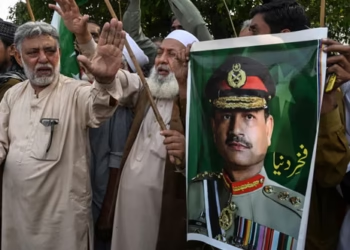 Pakistan Brokers Historic Peace Deal Amid Rising Tensions
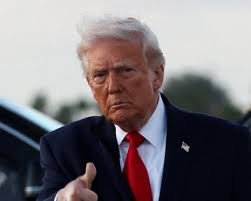 UK Holds Firm on Strait of Hormuz Amid Trump Pressure
 Trump Signals Hope for New Iran Talks as Ceasefire Fades
 Reeves Slams Trump Over Iran War Lack Of Exit Plan
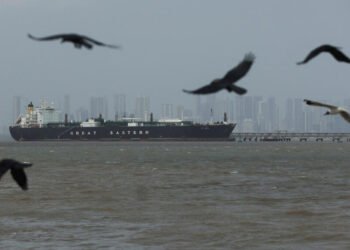 US and Iran Pursue Extension of Ceasefire via Pakistan
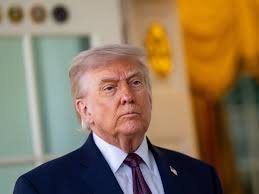 Trump’s Islamabad Gamble: The High Stakes of a New Iran Deal
 Ian Katz to Step Down as Channel 4 Content Chief
 The General’s Gambit: Pakistan’s New Role in Global Peace
 Mexico, Spain and Brazil call for Cuba dialogue amid crisis
 Pakistan’s Ambitious Bid for Middle East Peace
 Trump Starts $166bn Tariff Refund Process
 Israeli Soldiers Jailed Over Vandalism of Lebanese Statue
 Trump Weighs Sending Afghan Allies to the Congo
 Pentagon Shakes Up Navy Leadership Amid Hormuz Blockade
 Trump Threatens UK With Big Tariff Over Tech Tax
 Prominent Voices Challenge Palestine Action Ban
 Security Scrutiny After Washington Shooting Incident
 Merz Criticises US Approach in Iran Conflict
 UK Envoy Sparks Controversy Over Special Relationship Claims
 Ukraine Urges UK to Seize Russian Oil Tankers
 US Calls Australia Media Law “Foreign Extortion”
 The Billionaire’s Secretary and the £1m Fraud
 Ukraine strikes Tuapse as oil disaster worsens
 Brewing Tension: Taiwan Baristas Rebrand for World Stage
 Tensions Emerge in Netanyahu-Trump Alliance
 Mission to the World’s Edge: A Heroic Rescue in Tristan
 US and Mexico Face Heatwave as Floods Batter South Africa
 Mexico’s Missing: State Complicity in a Growing Crisis
 French Patient Told Hantavirus Was Just Anxiety
 The Long Way Home: Australia’s High-Stakes Virus Mission
 Putin Signals War End as Russian Momentum Stalls
 Romania’s Judicial Crisis: A System Under Siege
 Lee Lai Makes History with Landmark Stella Prize Victory
 Philippine Senator Flees After Days Under Senate Siege
 Alberta Separatist Bid Blocked by Canadian Court
 Canadian Court Blocks Alberta Independence Referendum Bid
 Big Tobacco Under Fire Over Controversial New Ad Campaign
 Bolsonaro Son Tape Scandal Sparks Massive Brazil Backlash
 Court Upholds Landmark Win for Transgender Rights