Published: 23 May 2026. The English Chronicle Desk. The English Chronicle Online
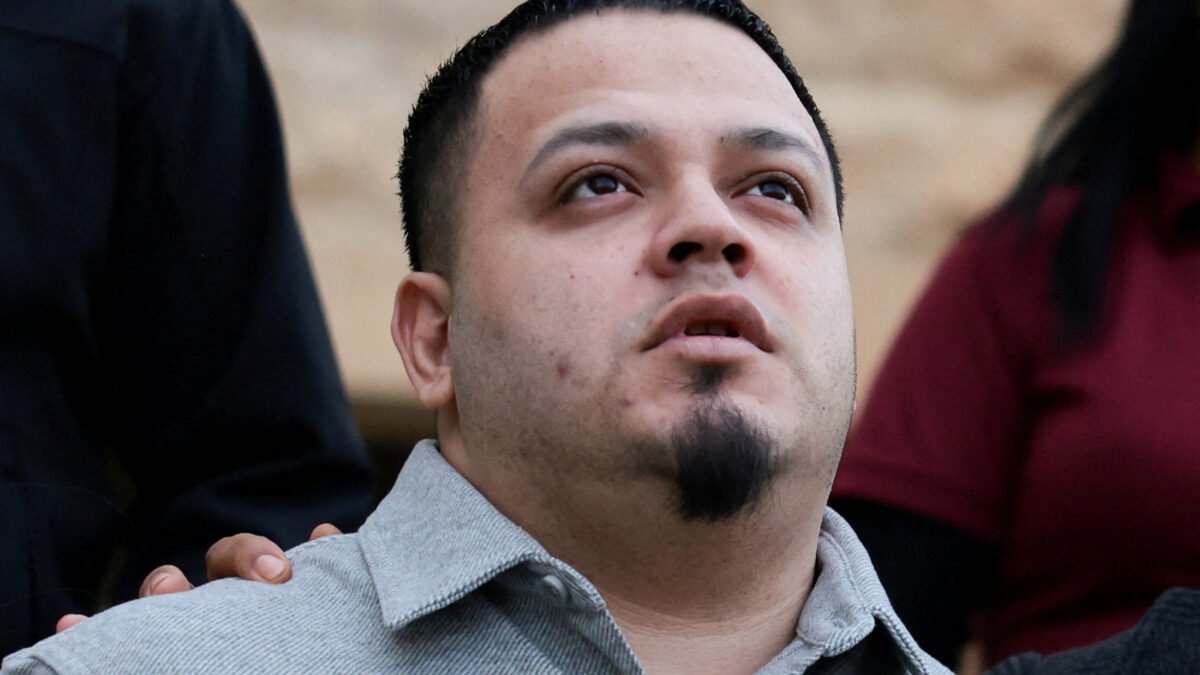
A federal judge in the United States has dismissed criminal charges against Kilmar Ábrego García, ruling that prosecutors under the administration of Donald Trump likely would not have pursued the case if he had not challenged his controversial deportation.
The decision marks a significant development in a long-running legal and political dispute centred on immigration enforcement, due process, and allegations of retaliatory prosecution. The ruling was issued by Judge Waverly David Crenshaw Jr, who found that the circumstances surrounding the indictment raised strong concerns of “presumptive vindictiveness”, even if they did not meet the highest legal threshold for proving actual bias.
Ábrego García, who originally left El Salvador as a teenager fleeing gang threats, became a high-profile figure in US immigration debates after being deported in March 2025 to the controversial detention facility known as the CECOT prison. His removal came despite earlier court orders restricting deportation actions linked to potential persecution risks.

According to court records, Ábrego García had lived in the US for several years without authorisation, working in construction and building a family life in Maryland. His legal team, supported by the immigrant advocacy group We Are Casa, argued that the criminal case brought against him was not based on new evidence but instead emerged after he challenged his deportation in court.
The indictment accused him of human smuggling based on a 2022 traffic stop in Tennessee. Prosecutors later brought him back to the United States after his deportation to face the charges, further intensifying scrutiny of the government’s handling of the case.
In his ruling, Judge Crenshaw said the timing and context of the prosecution, combined with internal communications and statements from senior justice officials, suggested that the case may have been influenced by retaliatory motives. While he stopped short of concluding there was proven misconduct, he said the evidence undermined the integrity of the prosecution.
Ábrego García’s lawyers had consistently argued that the charges were politically motivated and designed to punish him for legally challenging his deportation. They described the case as part of a broader pattern of aggressive enforcement tactics during the Trump administration’s immigration crackdown.
Supporters of Ábrego García welcomed the dismissal as a major victory for immigrant rights and due process protections. In a statement, advocates said the ruling exposed weaknesses in how immigration enforcement decisions can intersect with criminal prosecutions, particularly in politically sensitive cases.
The case also reignited debate over the use of high-security foreign detention facilities, including the Cecot prison in El Salvador, where rights groups have raised concerns about conditions and alleged abuses. Human rights observers have argued that deportations to such facilities risk violating international protections, especially when individuals have pending legal appeals.
Judge Crenshaw’s decision highlighted internal justice department oversight of the prosecution, including involvement from senior officials during the case review process. He noted that while “vindictive intent” is rarely proven directly in court, the surrounding circumstances in this case were sufficient to warrant dismissal.
The ruling is expected to have wider implications for future immigration-related prosecutions in the United States, particularly in cases where defendants argue that legal action was triggered by their resistance to deportation orders.

Government representatives have not yet confirmed whether they will appeal the decision. However, immigration policy experts suggest the case could influence how prosecutors handle similar files involving deportation disputes and subsequent criminal charges.
For Ábrego García, the dismissal represents a pivotal moment in a legal battle that has spanned several years and multiple jurisdictions. While the ruling removes the immediate criminal threat, broader questions about his immigration status and future remain unresolved.
As the political and legal debate continues, the case stands as a reminder of the tensions between immigration enforcement, judicial oversight, and allegations of politicised prosecution in the United States.
Related News:
 Files Link Andrew to Epstein Dinner After Prison Release
 Former ICC prosecutor condemns US sanctions
 Emails Show Epstein Funded Mandelson’s Husband After Jail
 Thousands Protest ICE Operations in Nationwide US Day of Action
 Thousands Protest ICE in New York Against Trump Deportation Campaign
 Swalwell Faces Pressure to Quit Governor Race
 Harmeet Dhillon Faces Scrutiny in DOJ Role Debate
 US Charges Sinaloa Governor in Major Cartel Case
 Judge halts deportation of Yemeni refugees in US
 Immigration Judges Fear Pressure in Trump Era
 US green card applicants must apply from abroad, DHS says
 Tulsi Gabbard exits after turbulent intelligence tenure
 Gunman Killed After White House Security Shootout
 Trump Weighs Retreat from Controversial $1.8bn Slush Fund
 It’s time to come clean on the China spy case
 French Taxi Driver Cleared in David Lammy Theft Case After Fare Dispute
 Met Police Culture Makes Racial Harm ‘Inevitable’
 Remaining rebel Labour MPs have whip restored
 South African Detained After Neo-Nazi Rally in Australia
 Trump Signs Bill Releasing Justice Department Files on Epstein
 Trump Slams Democrats With ‘Seditious’ Death Claim
 US National Guard Member Killed in DC Shooting
 Franklin Turtle, Sabrina Carpenter Slam US Social Media Use
 Trump Receives Machado’s Nobel Medal in White House Meeting
 Trump officials continue false claims after Alex Pretti shooting
 Partial US Government Shutdown Hits Homeland Security Funding
 Epstein Files Reveal Trump Officials’ Emails with Financier
 Brazilian Politician Brothers Sentenced for Marielle Murder
 A Global Voice For Justice: Stephen Lewis Dies At Age 88
 The Moral Crisis Looming Within the American Chain of Command
 Melania Trump Epstein remarks spark survivor backlash
 Mass Arrests at London Palestine Protest Spark Debate
 Trump Signals Hope for New Iran Talks as Ceasefire Fades
 GOP Senator Criticizes Trump’s Feud With Pope Leo XIV
 Trump at Press Dinner Sparks Tension
 US Labor Department in turmoil after secretary resigns
 Investigation Into Anti-Trump Motives After Gala Shooting
 Trump DOJ Targets James Comey Again
 US Court Weighs Fate of TPS for Migrants
 Police Suspect Help in Missing Alice Springs Girl Case
 Florida Redistricting Map Sparks Major US Political Battle
 USS Gerald R Ford Ends Record Naval Deployment
 US Voting Rights Ruling Sparks Celebration and Outcry
 FBI Links Brown University Shooting to Long-Term Grievances
 US Court Ruling Reshapes Voting Rights Landscape
 Cartel crackdown raises fears of fresh violence
 US states redraw maps after voting rights ruling
 Trump orders US troop pullout from Germany
 Activists allege abuse after Gaza flotilla seizure
 Asylum deal sparks fears over Syria deportations
 UK may ban protests amid rising antisemitism fears
 White House Security Case Sparks Political Firestorm
 Trump warns Iran as Middle East tensions surge again
 US Supreme Court fast-tracks Voting Rights ruling
 US ‘Narco Boat’ Strikes Draw Global Outcry
 Indiana Republicans Defy Trump in Key Vote Test
 Afghan Families Left in Limbo Face Risk of Deportation
 Tensions Emerge in Netanyahu-Trump Alliance
 FDA Chaos Deepens as Trump Eyes Makary Exit
 Israeli Strikes in Lebanon Kill 10 Amid Ceasefire Strain
 China mine blast death toll rises to 90
 Ebola outbreak in DRC overwhelms health system as cases surge
 Trump’s Revenge Drive Deepens GOP Divide
 Victim says non-custodial rape sentence ‘rock in my face’
 Irish Gangland Figure Fails in Dublin Election Bid
 DeSantis’s ‘Alligator Alcatraz’ Faces Final Shutdown
 Prosecutor Proposes Law to Combat Election Deceit
 US Supreme Court Blocks Trump Bid to End Birthright Rights
 Trump’s Mount Rushmore Speech: A Divisive Anniversary
 Murder Probe Continues After Arrest Release
 Ukraine Creates Long-Range Strike Command
 Dreyfus Statue Finally Gets Permanent Paris Home
 Mystery Grows Over Mitch McConnell’s Health
 Trump Refuses to Sign Housing Bill, But Law Takes Effect
 House Democrats Divided Over Israel Military Funding Bid
 Houthis Strike Saudi Arabia as Middle East Tensions Rise
 Trump Orders Signs Criticising Smithsonian Museum
 Pradhan Resigns Amid Protests
 Taliban global ties grow as rights fears mount
 Israeli Strike in Southern Lebanon Kills Seven