Published: 23 May 2026. The English Chronicle Desk. The English Chronicle Online.
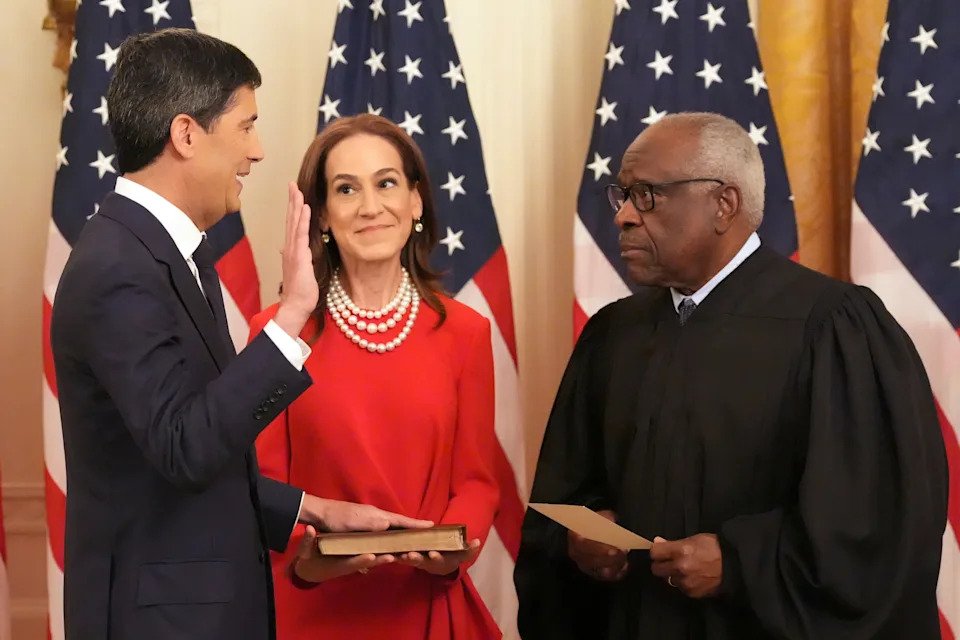
Former Wall Street banker Kevin Warsh has officially been sworn in as chair of the Federal Reserve, taking control of America’s most powerful monetary institution at a moment of rising economic anxiety and deep political division in the United States.
Warsh’s appointment comes as the administration of Donald Trump faces mounting public criticism over inflation, interest rates, and the rising cost of living. The leadership transition is expected to reshape the direction of US monetary policy at a time when households are struggling with higher fuel prices, elevated inflation, and weakening consumer confidence.
The former Federal Reserve governor succeeds Jerome Powell, whose tenure was marked by repeated clashes with the White House over interest rate policy. Powell had previously warned that aggressive fiscal expansion and geopolitical instability were contributing to inflationary pressure, while resisting political calls for rapid rate cuts.

Warsh, long considered an ally of Trump’s economic vision, was formally sworn in during a White House ceremony attended by senior political and judicial figures. His appointment has already sparked intense debate over the independence of the Federal Reserve, an institution traditionally insulated from direct political influence.
In his remarks following the swearing-in, Warsh pledged to lead a “reform-oriented” central bank focused on controlling inflation while supporting economic growth. He said the Fed would aim to improve real wages and strengthen long-term financial stability, signalling a potentially more politically responsive approach to monetary policy.
However, his appointment has been met with criticism from Democratic lawmakers and economic analysts who warn that the central bank’s independence could be undermined. Senator Elizabeth Warren described the decision as politically motivated, arguing that Warsh’s close ties to Trump raise concerns about whether future monetary decisions will prioritise economic data or political objectives.
The Federal Reserve now faces a complex economic environment. Inflation in the United States has remained elevated, with recent figures showing persistent price pressures across housing, energy, and food sectors. Fuel prices in particular have surged, adding to public frustration as households head into a period of reduced purchasing power.
Economic surveys indicate that confidence in the US economy has fallen to its lowest level in several years. Nearly half of Americans describe current conditions as poor, while only a small minority view the economy as strong. These figures reflect growing dissatisfaction with the administration’s handling of inflation and broader fiscal policy.
Much of the political backlash has centred on the intersection of economic policy and foreign affairs. Analysts note that ongoing geopolitical tensions, including the US-Israel conflict involving Iran, have contributed to rising energy costs and increased market uncertainty. These pressures have complicated the Fed’s policy decisions, particularly regarding interest rate adjustments.
Warsh now enters office facing immediate expectations to address inflation without triggering a slowdown in growth. Investors are watching closely for signals on whether the new Fed chair will prioritise aggressive rate cuts or maintain a cautious stance to avoid further price instability.
Financial markets reacted cautiously to the announcement, with traders weighing the potential for policy shifts that could impact borrowing costs and investment conditions. Some analysts suggest that a more politically aligned Federal Reserve could introduce short-term market volatility, even if it results in faster policy decisions.
Critics of the appointment argue that Trump’s public pressure on the Fed raises questions about institutional independence. The president has repeatedly criticised previous leadership for failing to reduce interest rates quickly enough, while calling for monetary policy to better support economic expansion.
Supporters of Warsh, however, argue that his experience in both government and Wall Street positions him to navigate complex economic challenges. They point to his previous tenure at the Federal Reserve, where he worked during periods of financial instability, as evidence of his capability to manage turbulent conditions.
The broader economic context remains uncertain. Inflation, while stabilising in some sectors, continues to erode household incomes. Consumer spending remains uneven, with higher-income households maintaining stability while lower-income families face increased financial strain.
Public opinion polls suggest that dissatisfaction with the administration’s economic strategy is widespread. Many voters believe that current policy priorities are misaligned with everyday financial concerns, particularly affordability and cost-of-living pressures.
At the same time, the Federal Reserve is under scrutiny for how it balances its dual mandate: controlling inflation while supporting employment. Warsh’s leadership will likely determine how aggressively the central bank responds to these competing goals.
Within the administration, officials have defended the appointment, arguing that fresh leadership at the Fed is necessary to restore confidence and accelerate economic recovery. They maintain that inflation can be brought under control while maintaining growth if policy is executed effectively.

Yet economists remain divided on the outlook. Some warn that rapid rate cuts could reignite inflationary pressures, while others argue that prolonged tight monetary policy risks pushing the economy into recession. The Federal Reserve’s next policy meetings are expected to be closely watched as markets search for direction.
Warsh’s tenure begins at a pivotal moment not only for monetary policy but also for political stability. With public dissatisfaction rising and economic indicators sending mixed signals, the new Fed chair will face pressure from all sides: the White House, financial markets, and ordinary Americans struggling with rising costs.
As the United States navigates this uncertain period, the Federal Reserve’s independence—and its ability to act without political interference—will remain at the centre of national debate.
Related News:
 Government Unveils Northern Powerhouse Rail Plans
 Trump Fed bid heads to Supreme Court
 Sanders Condemns Billionaire ‘Greed’ in California Tax Debate
 UK Doubles Steel Tariffs to 50% to Protect Domestic Plants
 Can Congress Stop US Sports Teams From Moving Cities?
 Iron Worker Challenges Trump Loyalist in Ohio
 Trump Faces Crisis as Iran Reopens Hormuz Tensions
 US Labor Department in turmoil after secretary resigns
 BBC News Faces Deep Cuts in 2,000 Job Plan
 Trump likens US Navy actions to ‘pirates’
 Trump approval plunges amid Iran war fears
 Ohio’s Battle for Trust: Democrats Vying to Flip the Buckeye State
 Trump Threatens UN Budget Cuts as US Pushes ‘Trade Over Aid’ Agenda
 US Awaits Iran Reply on New Ceasefire Proposal
 US green card applicants must apply from abroad, DHS says
 Hormuz Talks Near Critical Stage
 UK Pushes for New EU Goods Trade Deal
 Reeves Fights to Keep Treasury Role Amid Labour Turmoil
 Albanese Defends Tax Reforms Amid Emotional Speech
 Trump Claims Iran Peace Deal Near Completion
 Trump Refuses to Sign Housing Bill, But Law Takes Effect
 Trump’s UK Ambassador Urges North Sea Drilling to Strengthen US Ties
 Millionaires group urge Reeves to introduce wealth tax to ‘lift kids out of poverty’
 Canada Passes Carney’s First Budget in Tight Parliamentary Vote
 PM Highlights UK Business at G20 in South Africa
 US National Guard Member Killed in DC Shooting
 India’s Labour Law Overhaul Sparks Fierce Debate
 Starmer Says Labour’s Economic Plan Needs Years to Deliver
 Trump press secretary attacks reporter over ICE question
 Kyrsten Sinema Faces High-Profile Lawsuit Over Marriage Interference
 Starmer Plans UK-China Visit Amid Business and Diplomatic Goals
 UK Government Borrowing Drops to £11.6bn in December
 Partial US Government Shutdown Hits Homeland Security Funding
 Thousands Protest ICE Operations in Nationwide US Day of Action
 Epstein Files Reveal Trump Officials’ Emails with Financier
 Sinema payment row deepens after $9,000 transfer claim
 EU Signals Open Mind on UK Customs Union Talks
 Nurses’ families fear breakup under UK immigration crackdown
 UK shelves £110m border project amid trade strain
 California Democrats Vow Trump Reckoning
 Trump’s Surgeon General Pick Evades Vaccine Questions
 Reeves Must Back Defence Plan or Face Dismissal, Says Unite Chief
 Adelaide University Faces Backlash Over Event Cancellation
 Verdant report: Doge of the Left could save £30bn
 Trump to Deploy “God Squad” Over Gulf Wildlife Protections
 Unions Raise Concerns Over Doctors’ Pay Dispute
 Melania Trump Epstein remarks spark survivor backlash
 Trump Signals Hope for New Iran Talks as Ceasefire Fades
 US Catholics Caught Between President and the Pope
 GOP Senator Criticizes Trump’s Feud With Pope Leo XIV
 UK Stands Firm on Falklands Amid US Rift
 Investigation Into Anti-Trump Motives After Gala Shooting
 Trump Defiant After Washington Hotel Shooting
 Identity Revealed: Suspected Washington Gunman Named
 Albanese Rejects Gas Export Tax Push
 Capitalism ‘Suicidal’, Warns Petro at Climate Summit
 Oil Prices Surge Above $120 Amid Iran Blockade Fears
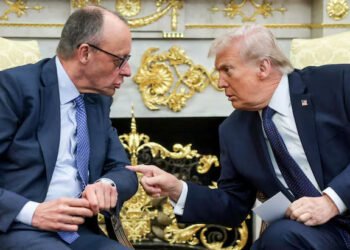 Trump orders US troop pullout from Germany
 Judge halts deportation of Yemeni refugees in US
 Silent Tracks: Rail Line Without Passengers
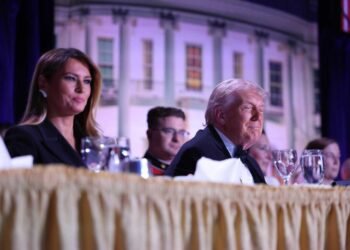 White House Security Case Sparks Political Firestorm
 Tough Fiscal Realities Await Next Scottish Government
 Government Subsidy Keeps Jaguar Land Rover Production Firmly Within British Borders
 US ‘Narco Boat’ Strikes Draw Global Outcry
 Afghan Families Left in Limbo Face Risk of Deportation
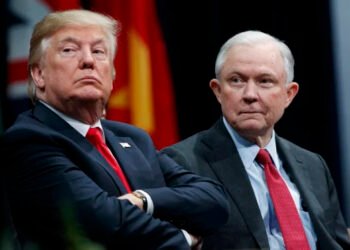 Immigration Judges Fear Pressure in Trump Era
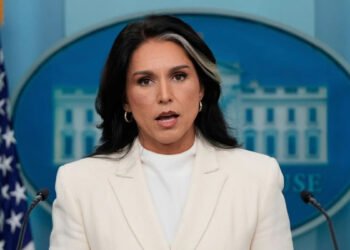 Tulsi Gabbard exits after turbulent intelligence tenure
 Victoria Labor Launches Apprenticeship Expansion Plan
 UK Urged to Build EU Rejoin Consensus, Says Miliband
 Discontent grows around Putin amid war strain
 DeSantis’s ‘Alligator Alcatraz’ Faces Final Shutdown
 Nationwide Faces Governance Scrutiny Ahead of AGM
 Prosecutor Proposes Law to Combat Election Deceit
 Hungary Targets Oligarchs with Proposed Landmark Wealth Tax
 House Curbs Trump’s War Powers in Rare Rebellion
 Andy Burnham Enlists Economic Heavyweights for Leadership Bid
 US Courts Back Trump on Park Signage Removals
 Trump’s Mount Rushmore Speech: A Divisive Anniversary
 Ukraine Creates Long-Range Strike Command
 Houthis Strike Saudi Arabia as Middle East Tensions Rise