Published: 24 May 2026. The English Chronicle Desk. The English Chronicle Online.
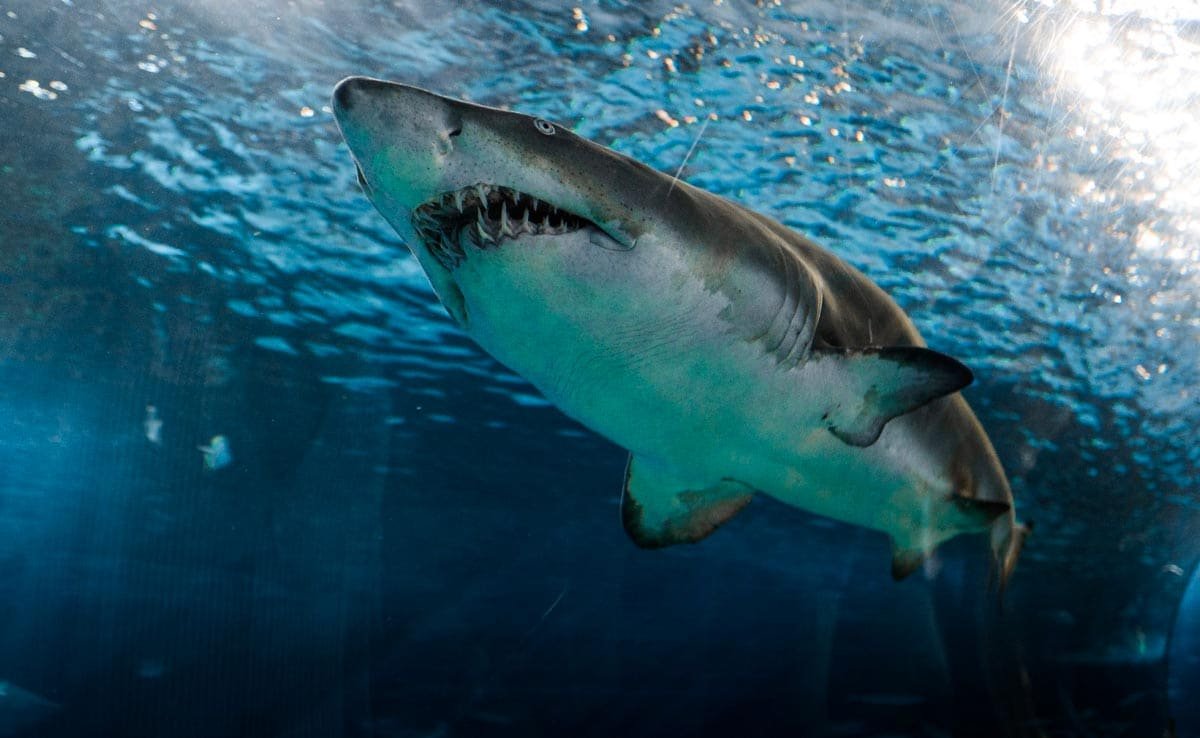
A 39-year-old man has died following a shark attack on the Great Barrier Reef in far north Queensland, Australian authorities confirmed, in what has become the latest fatal marine incident along the country’s coastline.
The attack occurred near Kennedy Shoal, a shallow reef area located approximately 50 kilometres offshore between Cairns and Townsville. The location is widely known among recreational fishers and divers for its rich marine environment and active reef ecosystems.
Emergency services were alerted shortly before midday after reports emerged that a man had been attacked while fishing in the area. Rescue teams responded quickly and the victim was transported back to the Hull River Heads boat ramp near the town of Tully in critical condition.
Despite emergency efforts, the man later died from his injuries after being brought ashore. Queensland Police confirmed that a report would be prepared for the coroner following what authorities described as a sudden and non-suspicious death.

Officials have not yet identified the species of shark involved in the attack. Marine experts note that several shark species inhabit waters surrounding the Great Barrier Reef, including bull sharks and tiger sharks, both of which are known to frequent coastal reef systems in Queensland. Great white sharks are also present in Australian waters, though they are considered less common in the warmer tropical regions of the reef.
The fatal incident has once again drawn attention to the risks associated with recreational activities in Australia’s marine environments, particularly in areas where shark populations are naturally active. Although shark attacks remain statistically rare, experts say encounters can occur in reef systems, offshore shoals and coastal fishing areas where food sources attract predatory marine life.
Kennedy Shoal and surrounding reef areas are popular destinations for boating, fishing and diving tourism, attracting visitors from across Australia and overseas. Marine tourism operators in Queensland have long promoted the region’s biodiversity and coral ecosystems, though safety warnings regarding marine wildlife remain standard practice for offshore activities.
Authorities have not indicated whether additional patrols or temporary advisories will be issued following the attack. Investigations are expected to examine the circumstances surrounding the incident, including environmental conditions and activity in the area at the time.
The latest tragedy follows another fatal shark attack reported in Western Australia only days earlier, where a man died after being attacked near Rottnest Island off the coast of Perth. That incident renewed national discussion about marine safety and shark monitoring measures across Australia’s coastal regions.
Australia records a relatively small number of fatal shark attacks each year compared with the millions of people who enter the ocean annually. However, attacks often attract significant public attention due to the country’s strong beach culture and extensive coastline.
Marine biologists stress that sharks play a vital role in maintaining ocean ecosystems and caution against responses that could harm conservation efforts. Instead, experts continue to advocate for improved monitoring systems, public awareness campaigns and the use of modern technology such as drone surveillance and shark detection networks to reduce risk.

Queensland authorities have invested in several shark management and safety initiatives over recent years, including aerial patrols, tagged shark tracking systems and public alert programs designed to inform swimmers, fishers and boaters about potential hazards.
The Great Barrier Reef, recognised as one of the world’s largest and most significant coral reef systems, remains a major global tourism destination and ecological landmark. Stretching along the Queensland coastline, it supports diverse marine life and contributes significantly to Australia’s tourism economy.
While fatal shark attacks remain uncommon, incidents such as this serve as a reminder of the unpredictable nature of ocean environments and the importance of caution during offshore recreational activities.
As investigations continue, tributes are expected to emerge for the victim, while authorities work to determine further details surrounding the circumstances of the attack.
Related News:
 Escobar’s Hippos May Be Moved to India Zoo
 Search Intensifies for Missing Hiker on WA Bibbulmun Track
 Olympus Awaits Unesco Heritage Recognition
 ‘Extinct’ Antelope Returns to Sahara, Bringing Hope
 Japan Prepares for Kashiwazaki Restart After Fukushima Legacy
 Sydney Shark Attack Surge Shocks Australia Beaches
 Half the World’s Largest Cities Face Rising Water Stress
 The Sound of Mayhem’: Terror and Loss at Mount Maunganui
 Andrew Hastie Emerges as Leadership Rival to Ley
 Record-Breaking Heat Looms Over South-East Australia as Catastrophic Fire Risk Escalates
 Reindeer Deaths Rise as Finnish Herders Blame Border Wolves
 How Sandhill Ashes Rebuilt a Bushfire-Hit Rural Community
 Death Valley Blooms Signal Potential Superbloom Year
 Greenpeace $345m Ruling Sparks Appeal Battle
 Middle East Airspace Crisis Strands Thousands
 Musk’s xAI Permit Sparks Fury Over Power Plant Expansion
 The Truth Behind Rising Energy Costs and Fossil Fuel Myths
 Extreme Weather: Europe Shivers as Cyclone Narelle Hits
 Trump to Deploy “God Squad” Over Gulf Wildlife Protections
 EU Biometric Border Checks Delayed for UK Travellers
 Tragic End to Outback Search as Floods Claim a Life
 Governments Fail Murray-Darling River Projects
 Capitalism ‘Suicidal’, Warns Petro at Climate Summit
 Two Dead in Adelaide Airport Plane Crash Fire
 Border Chaos: UK Travellers Face Massive EU Delays
 Record May Heat to Cold Front in Eastern Australia
 Ukraine strikes Tuapse as oil disaster worsens
 Bad Weather Threatens Hantavirus Cruise Ship Evacuation
 One Nation Stuns Australia With Historic Farrer Win
 Australia Welcomes the Iconic Michelin Guide
 France Quarantines Cruise Ship After Suspected Virus Death
 UN Faces Crucial Vote on Landmark ICJ Climate Ruling
 Essex valley emerges as rising English wine hub
 Hope for mountain bongos returns to Kenya
 Thailand Tightens Visa Rules to Curb Tourist Misbehavior
 NSW Prosecutors Charge Labor Officials Over Campaign Funds
 China Storms Claim Fifteen Lives in Tragic Surge
 England and Norway Fans Turn Miami Into World Cup Carnival
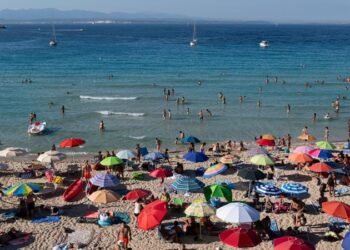 Italy’s Beach Lunch Ban Sparks Holiday Backlash
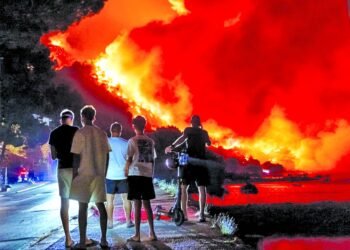 Wildfires rage across Europe as hundreds arrested in France
 BBC to Apologise Over Edited Trump Speech Amid Backlash
 Britain deploys RAF specialists to assist Belgium with drone threats
 Greene Pushes Epstein Files Amid Trump Fallout
 December Run-Off in Chile as Election Produces No Winner
 Zelenskyy Signs Fighter Jet Deal Amid Russian Drone Attacks
 Shadow Fleet at Sea: Europe’s Battle Against Illicit Oil Shipping
 Tiny Curacao Makes History as Smallest Nation to Reach World Cup
 US Suspends Afghan Immigration After White House Shooting
 Georgians Defy Government Crackdown After Year of Protests
 Irish Beach Tragedy: Irish Drown at Whitehaven Beach in Australia
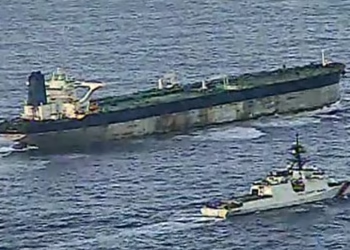 Sanctioned oil tankers sail Channel amid Russia scrutiny
 PM pushes urgent hate speech and gun laws after Bondi terror attack
 Judi Dench Champions Fight to Save London’s Green Spaces
 UK and US Drop in Global Corruption Index Rankings
 Canberra Poster Seizure Sparks Free Speech Row
 Jacinda Ardern Move Sparks Kiwi Reflection
 Kelly Wilkinson Inquest Reveals Bail Failure
 Injured Mojtaba Khamenei Elevated as Iran Leader
 The Kill Line: A Shifting Vision of the American Dream
 Family of Alleged Bondi Gunman Seeks Name Suppression
 Air Canada CEO Faces Outcry Over Recent Language Misstep
 Asia Turns Back to Coal Amid Middle East Energy Crisis
 Relationship with Trump may be beyond repair, Starmer warned
 Trump’s Six-Week Iranian War: The High Cost of Ignorance
 Battle of Britain Tower to House Tourists and Bats
 Artemis II Returns After Historic Moon Flyby
 Trump Brokers Landmark Lebanon Ceasefire Amid Regional Hopes
 Ben Roberts-Smith Denies War Crime Allegations in First Statement
 RFU Backs Borthwick Despite England’s Poor Six Nations
 EU Deal May Force UK Ban on Cancer-Linked Weedkiller
 Infantino Defends Soaring World Cup 2026 Ticket Costs
 Trump Announces 3-Day Russia–Ukraine Ceasefire Deal
 Trump Rejects Tehran Peace Plan as Regional Truce Crumbles
 Fear and Betrayal: The Chilling Case of Kouri Richins
 Britain’s Quest to Crown Its Ultimate Butterfly Superstar
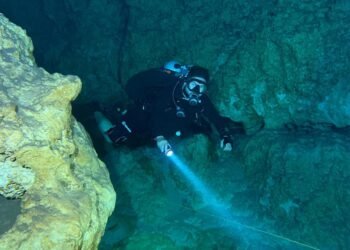 Maldives Cave Diving Tragedy Raises Safety Alarm
 Aukus Deal Facing Fierce Backing and Historic Criticism
 US Courts Back Trump on Park Signage Removals
 Britain’s Mini Fan Craze Sparks Major Waste Crisis
 Houthis Strike Saudi Arabia as Middle East Tensions Rise