Published: 26 May 2026. The English Chronicle Desk. The English Chronicle Online.
The delicate ceasefire in the Middle East has suffered a profound and visible collapse today. Israeli forces have aggressively escalated their military operations across vast regions of southern Lebanon. Prime Minister Benjamin Netanyahu openly declared a fierce mandate to completely dismantle all Hezbollah operations. This dramatic surge in violence marks a devastating breakdown of an already fragile truce. Both factions are now engaging in near-daily combat operations across the volatile border area. The surrounding international community watches with growing anxiety as full-scale warfare threatens to erupt.
Hezbollah responded to the latest Israeli advances by launching several coordinated military strikes on Monday. The militant group targeted three separate army barracks and an active northern military outpost. Representatives from Hezbollah claimed these operations were direct retaliation for ongoing Israeli truce violations. Their tactical strikes utilized sophisticated drone technology to penetrate deep into Israeli-controlled territory. These continuous exchanges have effectively neutralized the peace agreement established just weeks ago. Residents on both sides of the border now face the grim reality of renewed warfare.
The sudden escalation heavily complicates broader diplomatic efforts currently taking place across the globe. Hopes for a comprehensive agreement between the United States and Iran are rapidly fading. Officials in Tehran blamed inconsistent American foreign policy for the recent breakdown in talks. They also pointed directly to disruptive Israeli political interference as a primary diplomatic obstacle. Finding a peaceful resolution under these highly volatile conditions has proven exceptionally difficult today. International mediators are struggling to find common ground amid the rising regional body count.
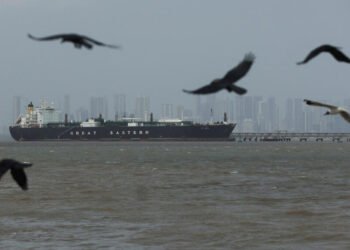
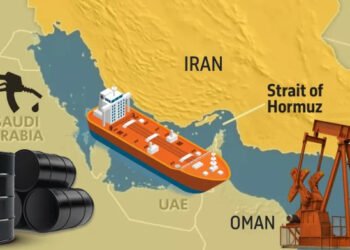
Iranian foreign ministry spokesperson Esmail Baghaei addressed these growing geopolitical tensions during a press briefing. He explicitly discussed the future management of the highly strategic Strait of Hormuz waterway. Baghaei stated that maritime administration remains a bilateral matter for Iran and Oman alone. The proposed regulatory framework involves essential service fees rather than standard commercial transit tolls. This strategic declaration highlights Iran’s desire to maintain tight control over vital global shipping lanes. Meanwhile, the localized conflict in Lebanon continues to deteriorate at an alarming rate.
In the quiet, early hours of Tuesday, Hezbollah executed another wave of coordinated assaults. The group officially claimed responsibility for launching four separate drone strikes against Shomera barracks. Additional aerial attacks rapidly targeted two separate military bases located within adjacent northern towns. A fortified military outpost in Misgav Am was also struck during the midday offensive. These precise strikes occurred at incredibly short intervals to overwhelm localized air defense systems. The sheer speed of the attacks indicates a highly organized and prepared military resistance.
The broader conflict between Israel and Hezbollah initially erupted on the second of March. A formal ceasefire agreement subsequently came into effect on the seventeenth day of April. However, this diplomatic arrangement failed to stop the continuous exchange of deadly cross-border fire. Both military forces have consistently accused the other side of initiating aggressive hostile actions. The persistent instability highlights the immense difficulty of enforcing peace without international peacekeeping troops. Consequently, the brief period of relative calm has vanished into regular daily combat.
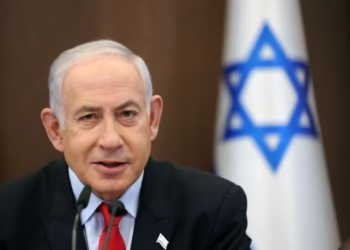
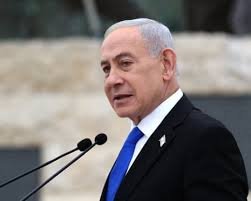
Prime Minister Netanyahu delivered a firm, televised video statement via his official Telegram channel. The Israeli leader explicitly ordered an immediate, aggressive acceleration of all active military operations. He acknowledged that Hezbollah was successfully utilizing advanced fiber-optic drones during recent border skirmishes. However, Netanyahu assured citizens that specialized technical teams are actively developing effective defensive countermeasures. He promised to significantly increase Israel’s total firepower to completely crush the enemy forces. This uncompromising political rhetoric suggests that a diplomatic compromise is currently highly unlikely.
Following the Prime Minister’s public call for escalation, widespread panic gripped the local population. An Agence France-Presse correspondent witnessed hundreds of frightened residents rapidly fleeing their homes today. Families hastily packed their belongings to escape the vulnerable southern suburbs of Beirut. This particular urban area has long been recognized as a prominent Hezbollah stronghold. The mass exodus reflects the deep civilian fear of imminent and devastating aerial bombardment. Streets once filled with daily commerce are now clogged with traffic heading north.
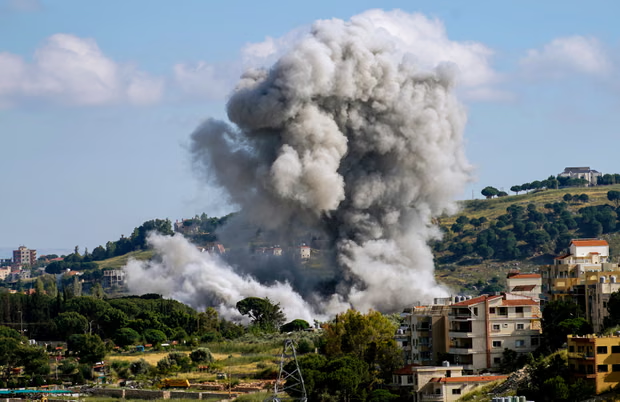
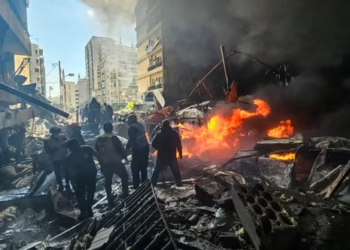
The Israeli Air Force carried out successive, heavy strikes across the eastern Bekaa Valley. According to Lebanon’s National News Agency, these targeted aerial bombardments began late Monday evening. The explosions lit up the night sky and caused substantial damage to infrastructure. Earlier that same day, dozens of Israeli missiles struck various southern towns and villages. These initial strikes tragically killed three individuals traveling on cars and a motorcycle. The rising civilian death toll continues to spark intense condemnation from international humanitarian groups.
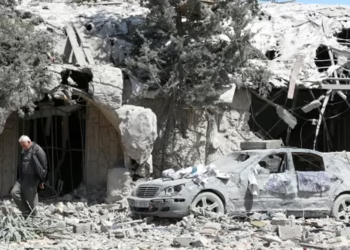
Subsequent Israeli airstrikes focused intensely on several towns surrounding the historic city of Tyre. These destructive attacks followed urgent military evacuation orders issued for ten distinct Lebanese villages. Israel justified the forced displacement by accusing Hezbollah of hiding weapons inside civilian sectors. The military claimed these actions were necessary to neutralize immediate threats to Israeli citizens. However, local authorities argue that the evacuation orders cause unlawful, mass civilian displacement. The ancient coastal region now sits directly on the front line of this war.
Hezbollah has routinely deployed explosive drones against Israeli defense forces operating within Lebanon. These unmanned aerial vehicles have also regularly crossed the official border to hit targets. Monday’s extensive operations demonstrated the group’s sustained capability to launch deep penetration strikes. The ongoing use of advanced drone technology presents a unique challenge for Israel’s military. It allows Hezbollah to strike fortified positions without risking the lives of infantry. This asymmetric warfare keeps the entire northern border region in a state of high alert.
The human cost of this prolonged conflict has reached truly staggering proportions this month. According to official Lebanese health authorities, over three thousand one hundred people have died. This collective casualty count has accumulated steadily since the initial outbreak of fighting in March. The majority of these recorded fatalities have occurred within southern Lebanese border communities. Thousands more have sustained severe injuries or lost their livelihoods due to the bombing. Humanitarian organizations warn that a major health crisis is unfolding within the nation.
The Israeli military also released a somber update regarding their own recent casualties. Officials confirmed that an Israeli soldier was killed during active combat in southern Lebanon. This latest casualty brings the total number of military deaths to twenty-three since March. Additionally, one civilian contractor has lost their life due to the ongoing border violence. While these numbers are lower than Lebanese losses, they still fuel intense domestic debate. The Israeli public remains deeply concerned about the safety of troops deployed abroad.
Two prominent far-right Israeli ministers have loudly demanded a massive expansion of the war. Finance Minister Bezalel Smotrich emphasized the urgent need to eliminate the drone threat entirely. Smotrich, who resides in a West Bank settlement, shared his aggressive views via Telegram. National Security Minister Itamar Ben Gvir similarly called for a swift return to intense warfare. Ben Gvir openly advocated for taking permanent military control of additional Lebanese territory. Their influential political stances place immense pressure on Netanyahu to avoid any peaceful compromises.
Related News:
 Middle East Flights Halted After Iran Strikes
 US Iran Operation: Sixth Service Member Killed
 Hezbollah Anger Erupts as War Returns to Beirut
 Gaza Siege Deepens as Iran War Escalates
 Riyadh Drone Attack Escalates Regional War
 Middle East attacks intensify as Trump rejects Iran talks
 Iran-Iraq border airstrikes spark new tensions
 Iran-Iraq Border Strikes Spark New Front Fears
 Iran-Backed Militias Escalate Attacks Across Middle East
 UK Prepares Aircraft Carrier for Middle East Crisis
 Mojtaba Khamenei Chosen as Iran’s New Supreme Leader
 Tehran Oil Depot Strikes Darken City With Toxic Smoke
 Seventh US Service Member Killed in Iran Conflict Identified
 Mojtaba Khamenei Supporters Rally as Iranians Fear Repression
 Tehran Strikes Mark War’s Most Devastating Night
 Iran Defiance Grows Amid US-Israel War Pressure
 Hormuz Crisis Sparks Global Oil Market Fears
 Iranian Exile Factions Seek US Backing for Iran’s Future
 US-Israeli Strategy Shifts to Plan B in Iran War
 Injured Mojtaba Khamenei Elevated as Iran Leader
 US Missile Strike on Iran School Sparks Global Shock
 Iran Gulf attacks escalate as ships and airports targeted
 Iran Conflict: Trump’s Uncertain Path and Diplomatic Off-Ramp
 Ancient Heritage Sites Damaged in Recent Airstrikes
 Tehran Diary: Dark Days Under Relentless Bombardment
 British Tourist Charged Over Dubai Missile Strike Video
 Gaza Detainee Abuse: Israel Drops Charges Against Soldiers
 Trump Iran War Stance Hardens as Conflict Widens
 Lebanon Ground Campaign Raises Occupation Fears
 Gulf Tensions Rise as Iran Alleges Covert Support
 Kabul hospital strike sparks deadly blame row
 Iran Threatens Total Destruction of Mideast Energy Grid
 Ghalibaf Iran: Survivor Emerges in Shifting Power Game
 Gulf Distrust Grows Over Rumoured US-Iran Peace Talks
 WHO Warns of Health Crisis Unfolding in Middle East
 Saudi Arabia Urging US to Keep Up Iran Attacks
 Iranian President’s Son Shares Wartime Hopes and Fears
 Iran Warns of US Ground Assault Amid Rising War Tension
 MAGA Anxiety and the Iran War: A Movement Divided at CPAC
 Trump Threatens Iran With Total Infrastructure Destruction
 Iran Drone Strike Hits Kuwaiti Oil Tanker in Dubai Port
 Albanese to Address Nation as War Sparks Economic Crisis
 Death, displacement and military duties: children plunged into crisis
 Trump’s Six-Week Iranian War: The High Cost of Ignorance
 Beirut Under Fire: Massive Israeli Strikes Shaking Lebanon
 Middle East Analysis: The Cost of a Fragile Peace
 Lebanon Must Join Ceasefire to Prevent Escalation, Says Cooper
 Israel Launches Massive Airstrikes Across Lebanon
 Netanyahu Vows Continued Lebanon Strikes Amid Peace Talks
 Iran Crisis Tests Trump’s Global Leadership
 US and Iran Pursue Extension of Ceasefire via Pakistan
 Uncertain Peace: Tehran Residents Face a Ruined Capital
 Aid Crisis Grows as Hormuz War Disrupts Supply
 Trump likens US Navy actions to ‘pirates’
 Global order shifts amid Trump-era turmoil
 Middle East Crisis Escalates as Oil Routes Shake Markets
 Tensions Emerge in Netanyahu-Trump Alliance
 Trump Rejects Tehran Peace Plan as Regional Truce Crumbles
 Netanyahu Calls Early Election Amid Coalition Turmoil
 Tensions Flare as Israeli Nationalists March in Jerusalem
 Gulf Crisis Deepens After Drone Attack Near Nuclear Facility
 Global Flotilla Intercepted in International Waters
 Israeli Strikes in Lebanon Kill 10 Amid Ceasefire Strain
 Hunger increasingly weaponised in global conflicts
 Former ICC prosecutor condemns US sanctions
 Trump Claims Iran Peace Deal Near Completion
 US Strikes Iranian Sites Amid Shaky Ceasefire Talks
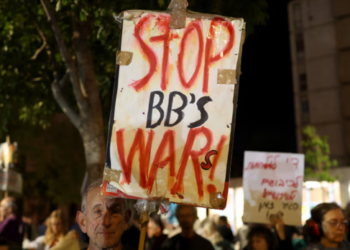 Trump’s Iran Deal Plan Sparks Intense Alarm Across Israel
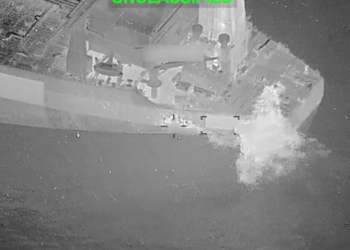 US and Iran Trade Fresh Strikes, Threatening Ceasefire
 Trump Confronts Netanyahu in Explosive Beirut Phone Call
 Iran To Propose New Shipping Fees In Strait Of Hormuz
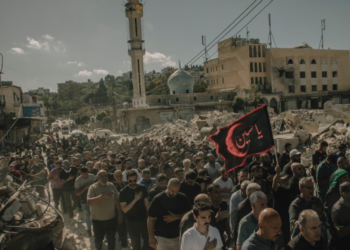 Grief and Devotion Amidst the Rubble of Nabatieh
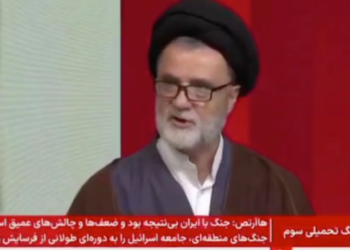 High Drama in Tehran Over Secret Nuclear Letters
 Houthis Strike Saudi Arabia as Middle East Tensions Rise
 BBC to Apologise Over Edited Trump Speech Amid Backlash
 Greene Pushes Epstein Files Amid Trump Fallout
 Zelenskyy Signs Fighter Jet Deal Amid Russian Drone Attacks
 Shadow Fleet at Sea: Europe’s Battle Against Illicit Oil Shipping
 US Suspends Afghan Immigration After White House Shooting
 RFU Backs Borthwick Despite England’s Poor Six Nations