Published: 02 June 2026. The English Chronicle Desk. The English Chronicle Online.
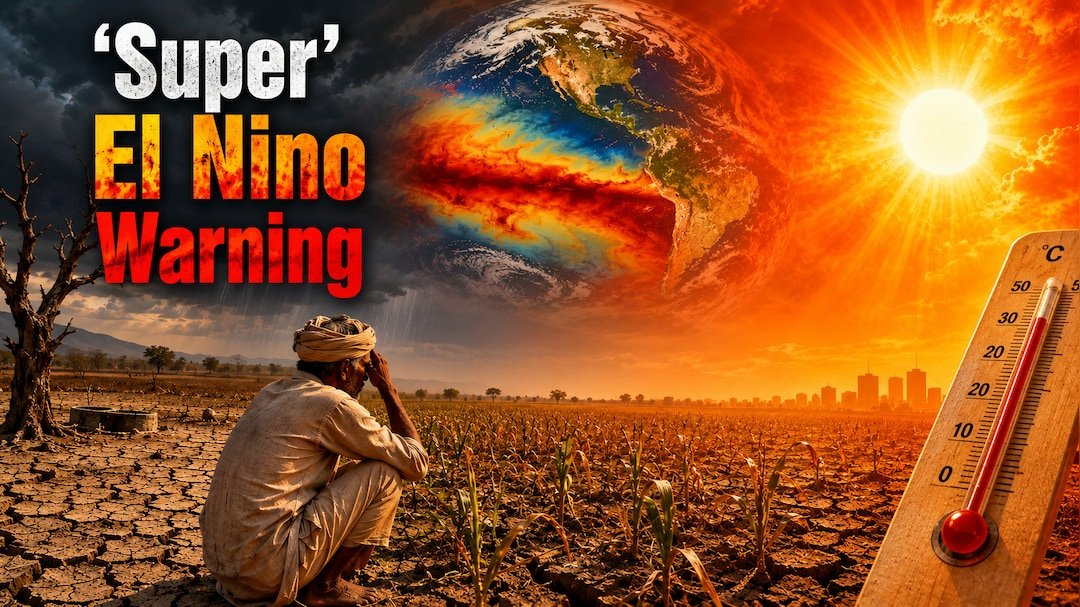
The global community has been placed on high alert as the United Nations warns of the imminent return of El Niño, a powerful natural weather phenomenon known for supercharging climate extremes and driving up global temperatures. According to the World Meteorological Organization (WMO), there is now an 80% probability that El Niño conditions will materialize before September, with a staggering 90% likelihood that the pattern will persist through at least November. This cyclical shift in the ocean and atmosphere, which occurs every few years and typically lasts between nine and twelve months, is expected to be at least moderate in strength, with many scientific models suggesting the potential for a particularly intense event. António Guterres, the UN secretary general, has issued a grave assessment, urging the world to view this development as an urgent climate wake-up call that will undoubtedly pour fuel on the already blazing fire of a warming planet.

The mechanics of El Niño are rooted in the Pacific Ocean, where trade winds that typically push warm surface waters toward the west weaken or reverse direction. This shift allows surface waters in the central and eastern Pacific to warm significantly, creating a cascade of atmospheric changes that reverberate across the globe. Because each El Niño event is distinct, the specific regional impacts can vary, yet historical patterns provide a blueprint of what to expect. Generally, these events are associated with heavier-than-average rainfall in parts of South America, the southern United States, the Horn of Africa, and Central Asia. Conversely, the phenomenon often brings drier, more arid conditions to Central America, the Caribbean, northern South America, Australia, Indonesia, and various parts of South Asia. Furthermore, the elevated sea surface temperatures in the Pacific tend to fuel hurricane activity in that region while, conversely, hindering their formation within the Atlantic basin.
The implications of this transition are magnified by the fact that the planet is already experiencing the consequences of long-term climate breakdown. The most recent El Niño, which occurred in 2023-2024, was one of the five strongest on record and served as a major contributor to the record-breaking heat seen throughout 2024. The prospect of another such event surfacing so soon has alarmed the scientific community. Experts note that unusually high temperatures are already being forecast for nearly every corner of the planet over the next three months. This warmth, combined with the volatility of the weather systems, heightens the probability of extreme rain and drought events that threaten to disrupt everything from agricultural production to public health infrastructure.
Food security is a primary concern for international observers. Experts from organizations like the Energy & Climate Intelligence Unit have expressed deep anxiety regarding the impact of the coming El Niño on global food supplies. The agricultural sector is already under immense strain from the compounding effects of climate change and ongoing global supply chain disruptions. The volatility anticipated during this upcoming cycle could prove devastating for smallholder farmers and presents a genuine threat to life for the most vulnerable populations. As weather patterns become more erratic, the predictability required for successful crop yields diminishes, potentially leading to shortages and further inflation in the costs of essential goods.
The announcement by the WMO follows an unusually hot May in Western Europe, where temperature records were toppled across the United Kingdom and Ireland. Recent collaborative warnings from the WMO and the UK Met Office suggest that a record-breaking hot year for the globe is now almost a statistical certainty before the end of the decade. The expected return of El Niño is likely to accelerate this timeline, with scientists projecting that such records could be broken as soon as 2027. This context underscores the necessity of framing El Niño not as an isolated natural oddity, but as an exacerbating force that interacts with human-driven climate change to destabilize the systems upon which society depends.
In response to these projections, Secretary General Guterres has called for a radical and immediate shift in climate policy. He argues that the only effective response is climate action commensurate with the scale of the crisis. This includes ending the global addiction to fossil fuels, aggressively accelerating the transition to renewable energy sources, and providing robust protection for the most vulnerable nations who often suffer the most from climate-related disasters. Furthermore, he emphasized the critical importance of delivering early warning systems to all populations, ensuring that even the most isolated communities have the lead time necessary to prepare for the inevitable arrival of extreme weather.
The WMO has been careful to manage terminology, declining to use the label “super El Niño,” despite the high intensity predicted by many models. Officials stress that this is because the event falls outside of the official classification system, emphasizing the importance of sticking to established scientific definitions to avoid unnecessary public panic. Nevertheless, the underlying reality remains unchanged: the atmosphere and oceans are currently consistent with the rapid development of a significant El Niño event. The sea surface temperatures in key reference areas of the Pacific have been trending upward since late April, bolstered by unusually warm subsurface conditions that act as a primary engine for the phenomenon’s growth.

As the world prepares for this shift, the narrative remains focused on resilience and adaptation. While the cyclical nature of El Niño is a well-understood phenomenon, its interaction with an increasingly warmer, human-modified climate has created a new, more dangerous paradigm. The impacts of this event will likely travel further, cross borders with greater speed, and exert unprecedented pressure on global resources. Whether through the lens of agriculture, disaster management, or public policy, the return of El Niño serves as a stark reminder of the interconnectedness of our global climate and the urgent, collective responsibility to address the drivers of the warming world. The coming months will be a crucial test of the world’s ability to respond to these extremes and protect those who are most at risk from the brewing storm.
Related News:
 Chornobyl Still at Risk 40 Years After Disaster
 Doomsday Clock Nears Midnight Amid Global Crises
 Britain deploys RAF specialists to assist Belgium with drone threats
 Night after night, Belgium is on high alert.
 Hitler’s DNA Confirms He Truly Had Only One Testicle
 Ukraine to Get 100 French Rafale Jets in Historic Deal
 Poll Reveals China Leads World in Trusting AI Technology
 US Clears Nvidia AI Chip Sales to China in Policy Shift
 UK New Car Discounts Near £6,000 as Prices Are Slashed
 Ocean Warming Drives Massive Marine Life Loss, Study Warns
 Anthropic AI Refuses Pentagon’s Safety Demand
 Social Media Trial: Woman Says Addiction Began at Six
 Brady Tkachuk Denies AI Video Claims After Olympic Gold
 Musk’s xAI Permit Sparks Fury Over Power Plant Expansion
 The Kill Line: A Shifting Vision of the American Dream
 Iran Social Media Strategy Shifts to Information War
 ABC Staff Strike Over Pay and AI Concerns
 Cluster Strikes Test Israel’s Missile Defences
 Artemis II: Humanity Returns to the Moon After Decades
 ‘The frontline is like Terminator’: Ukraine’s fighting robots
 Artemis II astronauts capture Earth en route to the Moon
 Apple at 50: Three Products That Changed How We Live
 Moldova River Crisis Exposes War’s Hidden Cost
 Heavier SUVs Accelerate Britain’s Pothole Crisis
 Artemis II Returns After Historic Moon Flyby
 Canadian astronaut French words ease language row
 RAF Typhoons scrambled amid Russian drone threat near Nato
 Older Than Dinosaurs: Secrets of Mayfly Dance Revealed
 Capitalism ‘Suicidal’, Warns Petro at Climate Summit
 Coalition pushes fossil fuel phaseout plan
 Record May Heat to Cold Front in Eastern Australia
 Germany to Return Rare Irritator Dinosaur Skull to Brazil
 Canadian Fiddler Sues Google Over AI Defamation Claim
 Norway Doubles Down on Oil and Gas for Europe Energy Security
 Musk v OpenAI Trial: The Battle for the Soul of AI
 China mine blast death toll rises to 90
 Ebola outbreak in DRC overwhelms health system as cases surge
 Pope Meets Families in Italy Toxic Waste Zone
 UK rejects EV charging VAT cut amid Treasury clash
 Germany Summons Chinese Envoy Over Russian Troop Training
 Sydney Records Hottest June Since 1859 as Expert Warns New High a ‘Signature’ of Global Warming
 Venezuela Quake Death Toll Surpasses 4,000
 Olympus Awaits Unesco Heritage Recognition
 Wildfires Force Mass Evacuations in France And Spain
 Powerful 7.7-Magnitude Earthquake Hits Eastern Indonesia
 London’s 2026 ‘Great Stink’ Raises Sewer Concerns
 Wildfires rage across Europe as hundreds arrested in France
 Gen Z turns to BirdTok for a gentler digital escape
 UK Bans Fake Numbers: Scammers Lose Their Trick
 Vibe coding’ named Collins dictionary’s word of the year
 BBC to Apologise Over Edited Trump Speech Amid Backlash
 Greene Pushes Epstein Files Amid Trump Fallout
 Zelenskyy Signs Fighter Jet Deal Amid Russian Drone Attacks
 Sundar Pichai Cautions on AI Hype and Market Risks
 Shadow Fleet at Sea: Europe’s Battle Against Illicit Oil Shipping
 US Suspends Afghan Immigration After White House Shooting
 ‘Extinct’ Antelope Returns to Sahara, Bringing Hope
 Irish Beach Tragedy: Irish Drown at Whitehaven Beach in Australia
 ABC Facebook Page Briefly Hacked, Adult Photos Posted
 Meta trial over child exploitation claims begins
 UK and US Drop in Global Corruption Index Rankings
 Canberra Poster Seizure Sparks Free Speech Row
 Stewart Brand on Musk, Bezos and a Life of Long Thinking
 Jacinda Ardern Move Sparks Kiwi Reflection
 Middle East Airspace Crisis Strands Thousands
 Kelly Wilkinson Inquest Reveals Bail Failure
 Injured Mojtaba Khamenei Elevated as Iran Leader
 Air Canada CEO Faces Outcry Over Recent Language Misstep
 Extreme Weather: Europe Shivers as Cyclone Narelle Hits
 Asia Turns Back to Coal Amid Middle East Energy Crisis
 Relationship with Trump may be beyond repair, Starmer warned
 Trump’s Six-Week Iranian War: The High Cost of Ignorance
 Trump Brokers Landmark Lebanon Ceasefire Amid Regional Hopes
 Ben Roberts-Smith Denies War Crime Allegations in First Statement
 RFU Backs Borthwick Despite England’s Poor Six Nations
 Trump Rejects Tehran Peace Plan as Regional Truce Crumbles
 Maldives Cave Diving Tragedy Raises Safety Alarm
 Stolen Mobiles Could Soon Become Useless Bricks
 UK Schools Struggle as Classrooms Top 40C
 Houthis Strike Saudi Arabia as Middle East Tensions Rise