Published: 16 June 2026. The English Chronicle Desk. The English Chronicle Online.
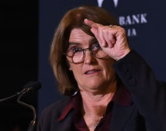
The Reserve Bank of Australia has chosen to maintain its official cash rate at 4.35%. This significant decision followed a critical meeting of the central bank board on Tuesday afternoon. Mortgage holders across the nation will find very little comfort in this latest financial update. Households are already feeling immense pressure from three consecutive interest rate hikes earlier this year. The central bank remains highly cautious about the stubborn trajectory of consumer prices nationwide. Governor Michele Bullock explicitly warned that borrowing costs could still increase in coming months. Policymakers are prepared to act decisively if inflation fails to return to targets.
The primary inflation rate is still rising much too quickly for economic comfort. The central bank needs to ensure that cost pressures ease for ordinary citizens. Another interest rate increase definitely remains on the table for the near future. The board is monitoring a complex array of domestic and international economic factors. Tight labor markets and persistent service costs are keeping the central bank highly alert. Officials want to see clear evidence that spending is slowing down sustainably.
The monetary policy committee wants to avoid pushing the domestic economy into recession. Their main goal is to slow demand enough to curb stubborn inflation safely. The governor stated that the board is not alarmed by recent employment data. The national unemployment rate has ticked up slightly to a level of 4.5%. This shift suggests the extremely tight jobs market is finally starting to cool. However, labor conditions still remain relatively robust compared to historical baseline averages. The broader economy is expected to avoid a severe contraction during this cycle.
Geopolitical developments have complicated the global economic landscape for major central banks everywhere. A potential peace deal involving Iran could help stabilize global energy markets significantly. Lower oil prices would certainly prevent inflation from becoming supercharged in the future. However, Australia faces deep internal inflation problems that existed before the Middle East conflict. These domestic pressures will persist even if global supply chains normalize completely soon. The central bank must address core local demand to achieve true price stability.
Prominent economic experts believe the central bank had no choice but to wait. Waiting allows policymakers to observe how much further the local economy slows down. It also provides time to see if international oil supplies stabilize as hoped. Another interest rate hike later this year remains a very distinct possibility. Different sectors of the financial market reacted with varying degrees of certainty. Traders are adjusting their portfolios based on the latest tone from the bank.
Financial markets continue to price in a strong chance of another hike. Investors see a 55% probability of a rate increase by December this year. Major banking institutions remain divided on the future path of official interest rates. Analysts at Westpac still predict a formal rate increase occurring this August. Meanwhile, currency and stock traders viewed the announcement with a bit more optimism. They began betting that further interest rate hikes had become less likely now.
The local currency fell slightly against the American dollar following the formal announcement. The Australian dollar dipped from 70.54 US cents down to 70.49 US cents. Conversely, the local sharemarket experienced a modest boost after the rate pause news. The benchmark index rose from 8,890 points up to 8,914 points during trading. This positive movement reflected brief relief among equity investors across the financial sector. The market is highly sensitive to any rhetoric coming from the central bank.
Other major banking institutions are maintaining a different perspective on the rate outlook. Commonwealth Bank and Australia and New Zealand Banking Group see a different path. Both institutions believe that official interest rates have finally reached their absolute peak. They project that the central bank will begin cutting rates early next year. Economists noted the governor offered a balanced perspective on a cooling domestic economy. The board did not even discuss raising rates during their Tuesday meeting.
The decision to hold the cash rate steady was entirely unanimous this time. This unanimity indicates a shared view on current economic risks among board members. Household spending is slowing significantly under the weight of previous rate increases. Many businesses are now expressing uncertainty about their future pricing power in stores. They are finding it increasingly difficult to pass higher costs onto cash-strapped consumers. This shifting business behavior is a critical part of lowering excess aggregate demand.
Economic activity across the country was already slowing down early this year. Consumers have dramatically pulled back on non-essential spending over the past months. Households barely increased discretionary purchases during the three months leading up to March. Instead, families cut back on savings to afford vital everyday living essentials. Rocketing costs for electricity and fuel have forced difficult choices on average households. This sharp drop in consumer confidence is affecting the wider retail sector.
Slower consumer spending caused real economic growth to falter during the first quarter. Gross domestic product growth slowed down dramatically to just 0.3% for the period. This represents a steep decline from the 0.9% growth recorded previously. The economic slowdown highlights the dual challenges currently facing the central bank board. Policymakers must balance fighting inflation against the risk of stalling economic growth. The impact of prior interest rate decisions is still flowing through the community.
The financial burden on typical homeowners has increased dramatically over the past year. An owner-occupier with an average new mortgage faces significantly higher monthly bills. For a typical loan of $745,000, the standard variable rate sits around 6%. The rate hikes implemented this year have caused monthly repayments to soar. Homeowners have watched their monthly commitments jump from $4,114 up to $4,467. This massive increase has stripped hundreds of dollars from flexible household budgets.
A fourth interest rate hike in August would create even more stress. Another increase would add an extra $120 to average monthly mortgage bills. Families are experiencing real anxiety as they try to balance their monthly accounts. Many households have completely exhausted the financial cushions built up during the pandemic. Refinancing options are becoming harder to secure for borrowers with low equity. The property market is showing signs of cooling under this immense strain.
The national treasurer welcomed the central bank decision to pause interest rates today. Speaking to reporters, he acknowledged the ongoing difficulties facing many Australian families. He noted that the pause does not make daily life any easier. However, the decision fortunately does not make financial conditions any harder for now. The government is attempting to implement targeted relief without adding to inflation. Public officials remain hopeful that cost pressures will moderate before the year ends.
The coming months will provide vital data on the direction of inflation. The central bank will scrutinize employment figures and quarterly retail sales very closely. International trade dynamics will also play a major role in future policy decisions. For now, citizens must navigate a high interest rate environment with caution. The road to economic stability remains long and filled with significant challenges. All eyes will look toward the next central bank meeting in August.
Related News:
 Reeves Faces Setback as Labour May Miss Homes Target
 Kate Winslet to Narrate Film Highlighting King’s Environmental Mission
 Trump’s UK Ambassador Urges North Sea Drilling to Strengthen US Ties
 UK Bans Fake Numbers: Scammers Lose Their Trick
 Vibe coding’ named Collins dictionary’s word of the year
BBC to Apologise Over Edited Trump Speech Amid Backlash
Vibe coding’ named Collins dictionary’s word of the year
BBC to Apologise Over Edited Trump Speech Amid Backlash
 Millionaires group urge Reeves to introduce wealth tax to ‘lift kids out of poverty’
 Reeves rejects £1bn plea for NHS redundancy payouts
 PM Condemns Leaks, Vows Loyalty to Ministers and Stability
 Phillipson Accused of Appeasing Unions by Diluting EBacc
 Saka Solidifies Role as Tuchel’s Key England Lieutenant
 Greene Pushes Epstein Files Amid Trump Fallout
 Zelenskyy Signs Fighter Jet Deal Amid Russian Drone Attacks
 Sundar Pichai Cautions on AI Hype and Market Risks
 Shadow Fleet at Sea: Europe’s Battle Against Illicit Oil Shipping
 Snow and Ice Cause Travel Chaos in North Yorkshire
 Director Michael Caton-Jones Reflects on Career and Beginnings
 Inside the Helpline Protecting Missing Children in the UK
 PlayStation PS5 Deals Hit Lowest Prices Ahead of Black Friday
 US Suspends Afghan Immigration After White House Shooting
 Five-Year-Old Dies After Rare Tonsil Surgery Complication
 Starmer Says Labour’s Economic Plan Needs Years to Deliver
 ‘Extinct’ Antelope Returns to Sahara, Bringing Hope
 IndiGo Cancels Hundreds of Flights Amid Pilot Shortages
 Young Britons Face Heaviest Burden from Ageing Population, Lords Warn
 U‑Turn on Farmers’ Inheritance Tax Sparks Political Firestorm
 Aston Villa Remain Arsenal’s Key Obstacle in Title Pursuit
 Irish Beach Tragedy: Irish Drown at Whitehaven Beach in Australia
 Starmer Faces Parliamentary Battles Over UK-EU ‘Reset’ Plan
 Met Police Vetting Failures Let Serial Rapists Remain
 Federal Immigration Shift: Officers Leave Louisiana for Minneapolis
 Fatal Bolton Taxi Crash Claims Three Teens and Driver
 Australia grants Asio powers to designate hate groups under new laws
 Friedman Uninvited From 2024 Adelaide Writers’ Week
 US and Iran Agree to Two-Week Provisional Ceasefire
 Battle of Britain Tower to House Tourists and Bats
 The Challenger: Will Péter Magyar End the Orbán Era?
 UK Government Poised to Revive Stalled Hillsborough Law
 Democrats Move to Impeach Defense Secretary Pete Hegseth
 Security Alert Near Israeli Embassy as Police Investigate
 Ben Roberts-Smith Denies War Crime Allegations in First Statement
 Home Office Faces Legal Risks Over Asylum Hotel Living
 US-Iran Standoff: Will Trump Deploy Ground Troops?
 Crisis in NHS Surgery Scheduling Hits Patients Hard
 Investigation Into Anti-Trump Motives After Gala Shooting
 Dubai Assets Linked to Sudan’s RSF Militia Exposed
 Blue Badge Abuse: The Rising Tide of Public Hostility
 Tragedy Strikes at Parafield Airport
 Scott Parker Leaves Burnley After Premier League Drop
 Silent Tracks: Rail Line Without Passengers
 Arteta urges Arsenal to step up in Atlético semi-final
 RFU Backs Borthwick Despite England’s Poor Six Nations
 Major test for Labour as polls open in Great Britain
 High-Profile Murder Trial Begins for Ian Watkins Death
 Trump Rejects Tehran Peace Plan as Regional Truce Crumbles
 Wes Streeting faces narrow road to Labour members’ favour
 Keir Starmer Struggles to Secure His Grip on Downing Street
 Trump and Xi Convene in Beijing for Historic High-Stakes Summit
 Farage Faces Standards Probe Over Cash Property Purchase
 Closing the Gap: UK Pensions Commission Demands Action
 Reality TV Under Scrutiny Following Serious Allegations
 UK Eases Russian Oil Sanctions as Fuel Costs Soar
 Alice Capsey Sparks England Win With Brilliant Fifty
 Maldives Cave Diving Tragedy Raises Safety Alarm
 Russian Electronic Attack Targets UK Defence Chief Jet
 UK Shoppers Face Prolonged Price Rises At Tills
 Tube Strike Brings Capital to a Standstill Over Shift Disputes
 Makerfield Voters Demand Real Change as Election Looms
 Man City Threaten Legal Action Over Haaland Real Madrid Shirt
 Celestial Waltz: Venus and Jupiter Meet at Twilight
 Abbott Signals Bold Strategy Change For Australian Right
 Ryanair Faces Probe Over Mandatory Family Seating Fees
 Britain’s Crowning Butterfly Takes the Nation by Storm
 Fifa Official Under Investigation Over Hand Gesture Controversy
 Trump Urged to Condemn UFC Fighter Over Obama Slurs
 The Fear Gap: Why Europe Feels Less Safe Than It Is
 US Military Pacific Boat Strike Kills Three People
 Dettol Apologises for ‘Toxic Men’ Advert Backlash in China
 UK Care Crisis: Row Explodes Over New Visa Settlement Rules
 Sainsbury’s Boss Optimistic As Grocery Inflation Eases