Published: 04 July 2026. The English Chronicle Desk. The English Chronicle online.
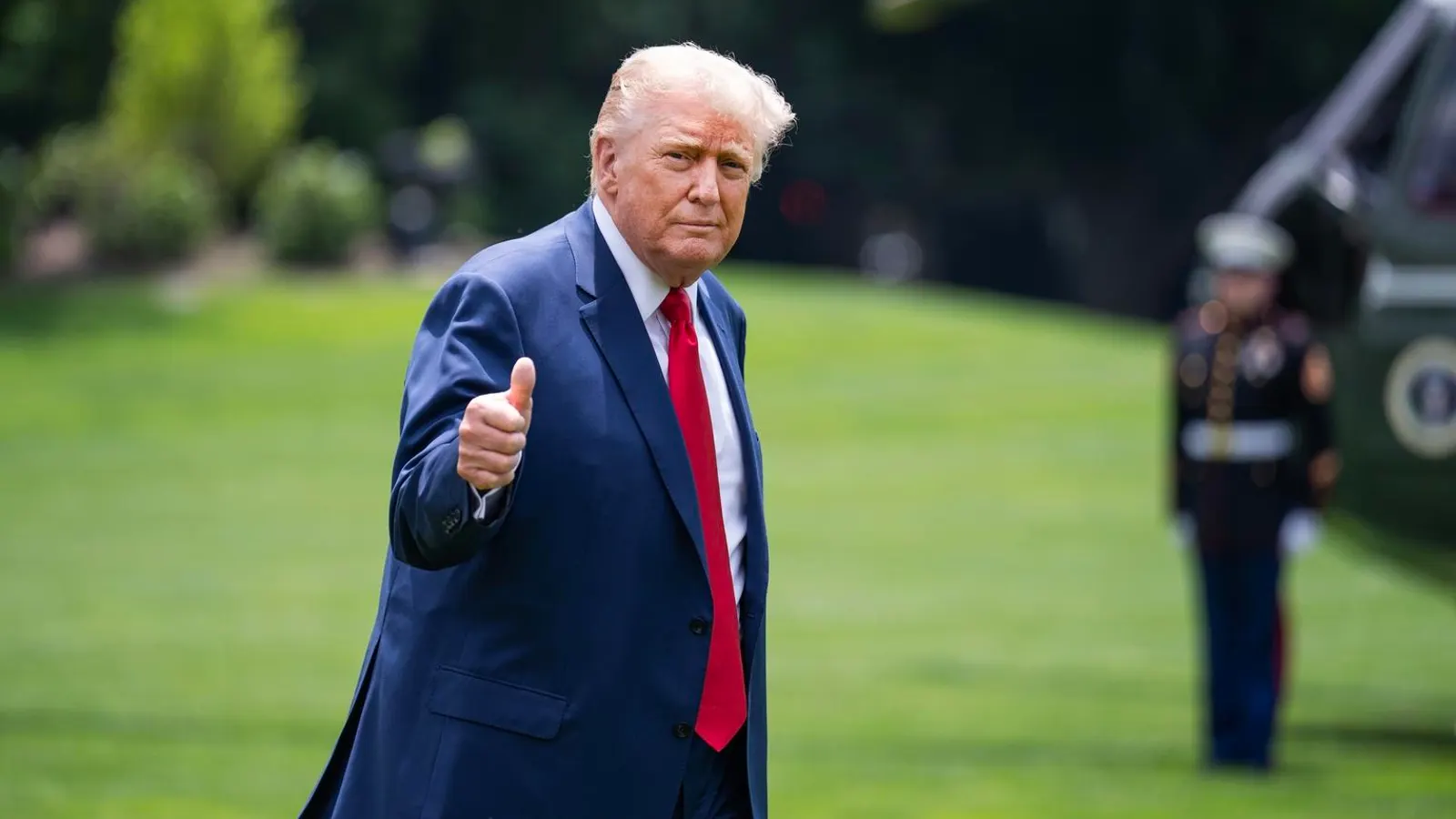
In a landmark policy shift coinciding with the nation’s 250th anniversary celebrations, the United States has officially launched the “Trump Accounts”—a novel investment vehicle designed to foster long-term wealth for American youth. Authorized under the legislative framework of the “One Big Beautiful Bill Act,” these custodial investment accounts are set to become a cornerstone of the administration’s domestic agenda. The program offers a unique opportunity for parents and guardians to secure their children’s financial futures by utilizing a tax-advantaged framework that links directly to the performance of major Wall Street indices. As the nation marks its semiquincentennial, the debut of these accounts is being positioned as both a patriotic milestone and a strategic economic initiative aimed at supporting the next generation of American citizens.

The eligibility criteria for the program are structured to provide significant early-life advantages. Children born between January 2025 and December 2028 are entitled to a one-time, government-funded seed contribution of $1,000, effectively kick-starting their investment journey. This federal injection is intended to be a foundational asset, with accounts remaining under the stewardship of parents or guardians until the beneficiary reaches the age of 18. Upon reaching adulthood, the individuals gain full control of the accumulated funds, which can be deployed for key life milestones such as pursuing higher education, purchasing a primary residence, or launching a new business venture. This long-term horizon reflects the administration’s focus on encouraging market participation from a young age, providing children with the benefits of compounding interest and exposure to the growth of the American economy.
Beyond the initial federal contribution, the program is designed to be highly inclusive and scalable. Families, friends, and even employers are permitted to make annual contributions of up to $5,000 per child, allowing for a collaborative approach to wealth building. To streamline management, the U.S. Treasury has partnered with major financial institutions, with deposits defaulting into low-cost index funds—such as those tracking the S&P 500—managed by industry giants like State Street, BlackRock, and Vanguard. The operational ease of the program is further bolstered by a dedicated mobile application, developed by the Bank of New York Mellon and Robinhood, which aims to make investment tracking accessible and transparent for families across the country. The initiative has also garnered significant private-sector support, with notable philanthropists like Michael and Susan Dell pledging billions to provide additional seed funding for children in lower-income communities, ensuring that the benefits of the program extend across diverse socioeconomic backgrounds.
The launch of the Trump Accounts arrives at a pivotal political juncture, as the administration prepares for the upcoming midterm elections. While the government emphasizes the long-term wealth-building potential of the accounts, the initiative has become a central point of discussion regarding the broader health of the national economy. With voters expressing ongoing concern over inflationary pressures and cost-of-living challenges, the administration is leaning heavily on the success of this program to demonstrate its commitment to working families. By branding the initiative after the president and aligning its rollout with the Independence Day celebrations, the White House is seeking to solidify the accounts as a signature achievement of the current term.

Despite the positive reception from some quarters, the program has also sparked a broader national conversation about the intersection of politics, finance, and the role of the state in personal savings. As millions of accounts go live, analysts are closely watching to see how the inclusion of Wall Street-backed funds will perform in the long term and whether the program will succeed in bridging the wealth gap for the younger generation. The Treasury Department remains confident, however, that by institutionalizing the savings habit and providing immediate market access, the Trump Accounts will serve as a lasting legacy that empowers millions of American families to build a more secure and prosperous future. The initiative stands as a bold, if ambitious, experiment in public-private partnership, with the potential to fundamentally redefine how young Americans engage with the financial markets.
Related News:
 Spirit Airlines shuts down after 34 years amid crisis
 Trump Refuses to Sign Housing Bill, But Law Takes Effect
 Government Unveils Northern Powerhouse Rail Plans
 Trump Fed bid heads to Supreme Court
 Sanders Condemns Billionaire ‘Greed’ in California Tax Debate
 Global markets face turmoil as Hormuz crisis deepens
 Wealthy Britons Flee Gulf War but Avoid UK Taxes
 UniCredit’s Bold Move to Reshape European Banking
 UK Wage Growth Slows as Jobs Market Holds Firm
 Oil and Gas Prices Surge Amid Iran-Israel Attacks on Gasfields
 Can Congress Stop US Sports Teams From Moving Cities?
 City Firms See Sharpest Fortune Reversal in Thirty Years
 Student Loan Interest May Rise Despite 6% Cap
 Iron Worker Challenges Trump Loyalist in Ohio
 Carmakers Face £3bn Gap in UK Loan Payout Scandal
 US Labor Department in turmoil after secretary resigns
 Albanese Rejects Gas Export Tax Push
 $13bn World Cup Set to Break All Revenue Records
 BBC News Faces Deep Cuts in 2,000 Job Plan
 New UK advice scheme to boost savings and investing
 Trump’s Approval Hits Record Low Amid Economic Crisis
 Trump approval plunges amid Iran war fears
 Trump Threatens UN Budget Cuts as US Pushes ‘Trade Over Aid’ Agenda
 City & Guilds Faces Governance Crisis Over Sale
 US Awaits Iran Reply on New Ceasefire Proposal
 US Senate Moves to Confirm Kevin Warsh as Fed Chair
 Trump: Preventing Nuclear Iran Is ‘The Only Thing That Matters’
 Kevin Warsh sworn in as Fed chair amid economic backlash
 Hormuz Talks Near Critical Stage
 Reeves Fights to Keep Treasury Role Amid Labour Turmoil
 UK rejects EV charging VAT cut amid Treasury clash
 Nationwide Faces Governance Scrutiny Ahead of AGM
 Hungary Targets Oligarchs with Proposed Landmark Wealth Tax
 Is JD Vance the Ultimate Fall Guy for Trump’s Shaky Iran Deal?
 Severn Trent CEO Reward Package Doubled Despite Public Anger
 Apollo Launches £5.7bn Bid for Aviation Giant easyJet
 Weight-Loss Drugs Transform Fashion Shopping Habits
 EasyJet Takeover Sparks Fears Over Passengers’ Future
 Weight-Loss Drugs Offer Food Savings Mainly to High Earners
 Reeves Faces Setback as Labour May Miss Homes Target
 Trump’s UK Ambassador Urges North Sea Drilling to Strengthen US Ties
 Ryanair Chief UK Economy ‘Doomed’ Under Labour
 M&S Profits More Than Halve After Cyber-Attack
 Millionaires group urge Reeves to introduce wealth tax to ‘lift kids out of poverty’
 From Lego to Pokémon: How Adults Are Driving UK Toy Market Growth
 Starmer Says Labour’s Economic Plan Needs Years to Deliver
 Starmer Faces Parliamentary Battles Over UK-EU ‘Reset’ Plan
 Federal Immigration Shift: Officers Leave Louisiana for Minneapolis
 Trump press secretary attacks reporter over ICE question
 ScottishPower Tops List of Worst UK Energy Suppliers
 Partial US Government Shutdown Hits Homeland Security Funding
 BT Names New Openreach Chief Amid Major Fibre Expansion
 UK Unemployment Rate Climbs to 5.2% Peak
 New Poll Reveals Reform UK Stance on British Citizenship
 Farage Faces Backlash Over Crypto Cameo Endorsements
 Rising Costs Force Families to Rethink Days Out
 US and Iran Agree to Two-Week Provisional Ceasefire
 Trump Signals Hope for New Iran Talks as Ceasefire Fades
 Central Bank Chiefs Hold Crisis Simulation in Washington
 UK Staycations Rise as Travel Fears Grow
 Former Brexit Chief Calls for Rejoining the EU
 Investigation Into Anti-Trump Motives After Gala Shooting
 Silent Tracks: Rail Line Without Passengers
 DeepMind Staff Vote to Unionize Over US Military Contract
 High Stakes in Beijing as Trump and Xi Meet Amid Global Turmoil
 Fear and Betrayal: The Chilling Case of Kouri Richins
 Trump and Xi Convene in Beijing for Historic High-Stakes Summit
 UK Eases Russian Oil Sanctions as Fuel Costs Soar
 Mid-Year Surge to Push Average Annual Bills Beyond £1,900
 Trump’s Grip on the GOP Tested in Texas Senate Battle
 Tube Strike Brings Capital to a Standstill Over Shift Disputes
 No Brutal EV Price War For British Motorists
 Gas Prices Fall Below $4 Following US-Iran Peace Deal
 EU Slashes Steel Quotas But Grants UK Favourable Rates
 Trump Faces Backlash Over $2bn Earnings Since Return
 AOC Backs El-Sayed in Tight Michigan Senate Primary
 Starling Bank Trims Jobs for AI Future
 US Airman Avoids British Court in Indecent Exposure Case
 Florida Executes One of Its Oldest Death Row Prisoners
 Houthis Strike Saudi Arabia as Middle East Tensions Rise