Published: 09 July 2026. The English Chronicle Desk. The English Chronicle Online.
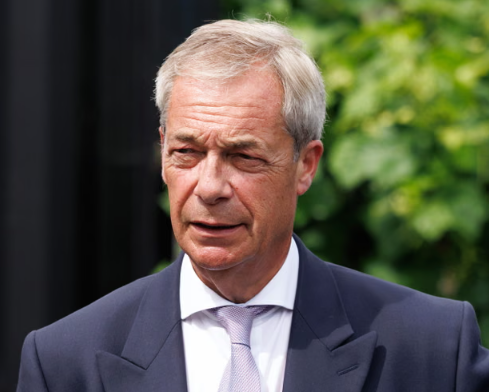
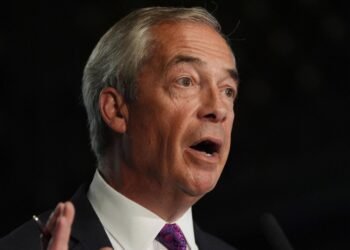
The political landscape across the United Kingdom remains in a state of constant flux today. Reform UK activists now face a difficult choice regarding their upcoming campaign priorities this summer. Party leadership recently issued a direct call to divert resources away from the Manchester race. This sudden strategic pivot involves moving support toward Nigel Farage’s own contested seat in Clacton. A message sent via WhatsApp to party members clearly outlined these new urgent campaign expectations. The directive asks volunteers to travel nearly two hundred and fifty miles for this vital effort. Activists are encouraged to sign up immediately to support the leader in this coastal constituency. This shift comes as a surprise to many members working within the Greater Manchester region.
Reform UK had initially hoped for a massive political victory within the northern metropolitan area. The party performed exceptionally well across the region during the recent local elections held earlier. Securing over one hundred seats gave them significant momentum heading into the upcoming mayoral contest race. Many observers believed they posed a genuine threat to Labour in this important heartland territory. However, the atmosphere has changed drastically following recent developments regarding the party leader’s own seat. Nigel Farage announced his resignation from the position he has held since the last general election. He framed this move as a bold challenge against the established political order in this country. His decision to trigger a snap by-election in Clacton caught many political analysts off guard.
The strategic shift has sparked intense debate among party members currently working on the ground level. Some internal sources described the move as a desperate attempt to protect their embattled leader’s future. These critics argue that abandoning the Manchester campaign suggests a lack of confidence in their candidate. Sian Astley, a well-known local businesswoman and television personality, remains the official party candidate in Manchester. Diverting her team of dedicated campaigners away from her race sends a very confusing public message. Some local councillors feel this decision compromises their chance to challenge for the prestigious mayoral role. The move has also fueled existing concerns regarding the party’s internal culture and campaign management.
Labour’s candidate Bev Craig is now widely considered the frontrunner for the massive Manchester mayoral contest. This upcoming vote on the thirtieth of July represents the largest by-election in modern British history. Labour officials have acknowledged that the challenge posed by Reform UK remains very real and present. The local election results from eight weeks ago were described as a cataclysmic moment for Labour. Losing over one hundred councillors left the party reeling in many of their former northern strongholds. Areas like Wigan and Tameside experienced significant shifts toward Reform UK throughout that particular election cycle. Despite this, the current strategic pivot suggests Reform might be struggling to maintain momentum across multiple fronts.
The situation in Clacton remains contentious as political rivals have chosen to boycott the entire process. Mainstream parties describe the contest as a vanity project rather than a serious democratic political exercise. Conservative leader Kemi Badenoch labeled the situation as nothing more than a fake by-election this week. Meanwhile, Labour spokespeople have referred to the entire event as a circus for public attention seeking. Only a few minor candidates like Count Binface have confirmed their intention to stand against the leader. The Liberal Democrats have also distanced themselves from the contest by calling it a vanity project. This lack of credible opposition makes the contest feel unusual to many seasoned political observers today.
Nigel Farage continues to frame this fight as a battle between the people and the political establishment. However, his decision to trigger this vote has clearly backfired with his own regional campaign teams. The logistical challenge of moving activists across the country in such short notice is truly immense. Branch officers are currently tasked with coordinating this difficult transition while maintaining morale among the volunteers. Many dedicated members feel torn between their local obligations and the national party’s shifting core priorities. This internal friction could have lasting impacts on the party’s ability to mobilize voters effectively soon. The upcoming weeks will prove crucial for determining the success of this high stakes strategic gamble.
Voters in Greater Manchester are left wondering how these national shifts will impact their local political choices. The mayoral by-election remains a focal point for national media attention during this quiet summer period. Meanwhile, the contest in Clacton is scheduled to take place just one week after the Manchester vote. This timeline places immense pressure on the party’s limited resources and its core base of active volunteers. Success in both locations seems unlikely given the current distribution of energy and party personnel resources. The coming month will undoubtedly test the organizational capacity of the relatively young Reform UK party. Observers will be watching closely to see if this bet ultimately pays off for the party leadership.
The political climate in the United Kingdom seems more unpredictable than it has been in many years. Voters are witnessing a series of complex maneuvers that reflect deep tensions within the modern political system. Whether these movements translate into actual electoral gains remains a question for the coming weeks ahead. The residents of Manchester and Clacton now find themselves at the center of a very dramatic season. Political parties are clearly testing new strategies to capture the attention of a changing national electorate. These by-elections serve as a barometer for the broader sentiment across the entire British voting public. Every vote cast in the final days of July and early August will carry significant political weight.
As the campaign trail intensifies, both candidates and activists must navigate these turbulent waters with extreme focus. Professionalism and clear communication will determine who manages to reach their target audience before the polls open. The stakes for Reform UK are particularly high as they seek to establish themselves as a serious parliamentary force. Success could signal a permanent shift in how minor parties approach national and local election cycles hereafter. Failure, however, might lead to questions about the long-term viability of their current leadership and strategy. The English Chronicle will continue to provide detailed updates as these important stories develop further next week. Our dedicated reporting team remains committed to bringing you the latest news from across the entire United Kingdom.
Related News:
 Green Party Surges Past Labour in Latest UK Poll
 Trump’s UK Ambassador Urges North Sea Drilling to Strengthen US Ties
 French Taxi Driver Cleared in David Lammy Theft Case After Fare Dispute
 Millionaires group urge Reeves to introduce wealth tax to ‘lift kids out of poverty’
 Starmer Faces Growing Dissent as Labour MPs Weigh Leadership Challenge
 Reeves rejects £1bn plea for NHS redundancy payouts
 PM Condemns Leaks, Vows Loyalty to Ministers and Stability
 Major Rent Reform Ends No-Fault Evictions in England
 Peers Flood Assisted Dying Bill with 942 Amendments
 Most Tories Expect to Support a Farage-Led Government
 Labour MP claims devolution bill is ‘blatant discrimination’ against Cornwall
 Millions Face Higher Taxes Under Reeves New Budget
 Starmer Says Labour’s Economic Plan Needs Years to Deliver
 Culture secretary to review Telegraph takeover by Daily Mail owner
 UK Government Borrowing Drops to £11.6bn in December
 Labour Blocks Burnham as Party Rift Deepens Ahead of Polls
 Andy Burnham and the Labour Rift Over Power and Leadership
 Huge mistake: Labour blocks Burnham from byelection bid
 Artificial intelligence will cost jobs, admits Liz Kendall
 Labour targets Greens on drugs in Gorton Denton byelection
 Greens nominate Hannah Spencer for Gorton and Denton byelection
 Mandelson Faces Police Inquiry Over Epstein Leak
 Starmer Condemns ‘Depraved’ Russian Strikes on Ukraine
 Labour Thinktank Row Deepens Over Journalist Probe Claims
 Morgan McSweeney downfall shocks Labour leadership
 Labour Lord Doyle Apologises Over Paedophile Ties in Political Storm
 Cabinet Secretary Shake-Up Triggers Due Diligence Warning
 Starmer Faces Inquiry Calls Over Thinktank Probe
 Royal Mail Delivery Crisis Deepens Amid Weather Chaos
 UK shelves £110m border project amid trade strain
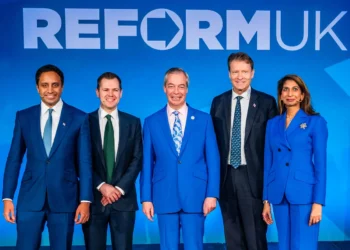 Farage Unveils Reform UK Frontbench Team
 California Democrats Vow Trump Reckoning
 Trump Tariffs Threat Spark UK and EU Alarm
 Wales Approves Assisted Dying Bill Consent
 UK EU Trade Reset Gains Public Backing
 Green Party Stuns Labour in Gorton and Denton Byelection
 Corbyn Leads Your Party in Coordinated Left-Flank Strategy
 Labour Together scandal sparks clean break vow
 Asylum Seekers to Work After Year-Long Wait
 Starmer Row as Greens Demand Apology
 Proposed Law Leaves Gap for Children of Convicted Paedophiles
 Gordon Brown urges court for crimes against children
 Starmer Praised for Stance on Trump and Iran Conflict
 Inquiry into HMRC child benefit errors launched by NAO
 NHS Plans to Cut Overseas Workers Labeled Overambitious
 Farage Faces Backlash Over Crypto Cameo Endorsements
 Army Probes Apache Flyover at Kid Rock’s Nashville Estate
 Relationship with Trump may be beyond repair, Starmer warned
 Unions Raise Concerns Over Doctors’ Pay Dispute
 UK Government Poised to Revive Stalled Hillsborough Law
 UK Stands Firm on Falklands Amid US Rift
 Welsh Labour Faces Potential Historic Election Defeat
 Starmer Survives Mandelson Rebellion
 Silent Tracks: Rail Line Without Passengers
 Major test for Labour as polls open in Great Britain
 Labour Members Doubt Starmer Future as Burnham Leads Poll
 Reform UK Faces Crisis as Newly Elected Councillors Resign
 Farage Faces New Questions Over Private Helicopter Use
 Keir Starmer Struggles to Secure His Grip on Downing Street
 Farage Faces Standards Probe Over Cash Property Purchase
 Green Party Makerfield Candidate Resigns Over Posts
 Secret Role of UK Security Services in Troubles Amnesty Law
 Farage and Reform UK Reshape British Politics
 Starmer Leadership Under Pressure After Setbacks
 Minister Criticises Police Guidance Amid Southampton Protests
 Makerfield Voters Demand Real Change as Election Looms
 The Hidden Crisis Eroding Trust in British Communities
 Deepfake Abuse on X Sparks Safety Concerns for Dissidents
 UK Ministers Lobby Trump Over Under-16s Social Media Ban
 Labour MP Revives Blocked Assisted Dying Bill in Commons
 Starmer Resolves to Fight Burnham in Leadership Battle
 Starmer Set to Announce Exit Plan as Burnham Eyes No 10
 Hollie Ridley to Step Down as Labour General Secretary
 Jarvis Urges Burnham to Secure 3.5% Defence Spending
 Farage Warns Sky News Following Financial Inquiry
 Reform UK Finances Face Deep NCA Probe
 Burnham Pledges New Era of Open Debate for Labour MPs
 Ann Widdecombe, Formidable Political Figure, Dies at 78
 Treasury Reform Urged After Tragic Loss
 Sadiq Khan Backs Call for Maximum UK Work Heat Limit