Published: 09 July 2026. The English Chronicle Desk. The English Chronicle Online.
The United Kingdom is currently grappling with its third major heatwave of the year this summer. While citizens are accustomed to the standard warnings regarding pets and hot weather, new concerns have emerged today. Veterinary experts across the nation have issued a sobering warning regarding the safety of domestic animals. It appears that pets are now suffering from heatstroke even when they are simply resting inside their own homes. This shift represents a significant change from the traditional patterns that veterinarians have observed in the past decade. Previously, the primary causes of heat-related illness in pets were widely understood by most responsible owners. Owners were frequently warned against walking their dogs during the intense heat of the midday sun. Furthermore, leaving animals inside parked vehicles has long been condemned as a dangerous and often fatal mistake. These common risks have been well-publicized through various high-profile educational campaigns throughout recent years in Britain.
Most British pet owners have clearly listened to this vital advice and are acting with commendable caution. Dr. Katharine Nelson, a leading director at the Royal Veterinary College, confirmed that most owners are behaving sensibly. She noted that her clinic has not seen the typical cases resulting from excessive exercise in the heat. There are no reports of dogs suffering after ball games or being locked inside warm cars lately. Despite this widespread public awareness, the total number of heatstroke cases is still rising across the country. This trend is undeniably worrying for both medical professionals and pet owners who are trying their absolute best. The reality is that the current extreme temperatures are reaching levels that simply overwhelm the natural defenses of animals. Even when pets are kept in supposedly safe environments like gardens or living rooms, the heat persists.
Veterinary professionals are now identifying specific situations where animals are becoming unwell despite the diligent efforts of their owners. These incidents often occur because owners may not realize that a sunny garden can become a trap. Dave Martin, who serves as the head of welfare at Inspiring Vet Care, highlighted these overlooked dangers clearly. He explained that even well-meaning people are being caught out by the sheer intensity of the heat. Dogs that are simply lying in a sunny garden patch can quickly develop signs of severe stress. Cats are also facing unique dangers, such as becoming trapped in warm greenhouses during the afternoons. Furthermore, small pets like rabbits are struggling within their hutches if these enclosures lack adequate shade. The environment itself has become a source of risk regardless of how much love the owners provide.
Data provided by Inspiring Vet Care paints a stark picture of the challenges that our pets currently face. Their clinics dealt with over three hundred incidents of suspected heatstroke throughout the year of twenty twenty-five. A majority of these cases, nearly two-thirds, occurred during the warmest summer months of the year. This represents a staggering twenty-eight percent increase in incidents when compared to the previous year of twenty twenty-four. Such statistics confirm that our changing climate is having a direct and negative impact on our domestic companions. It is no longer enough to simply avoid the most obvious mistakes we have traditionally feared. We must now adapt our daily routines to accommodate these record-breaking temperatures affecting the United Kingdom today. The situation demands a deeper understanding of how heat affects different species living within our modern homes.
Certain breeds and individual animals are at a significantly higher risk than others during these dangerous summer spells. Dr. Nelson explained that flat-faced breeds are particularly vulnerable to the heat due to their specific physical anatomy. Animals with naturally thick coats also struggle much more to regulate their internal body temperature in extreme warmth. Furthermore, pets that suffer from existing respiratory issues or heart conditions are especially prone to heat-related illnesses. Even those animals that have been medically stable for years are finding it hard to cope right now. The heat is pushing these vulnerable animals over the edge into dangerous territory without any direct human interference. Even smaller, unexpected pets like guinea pigs are now being reported to clinics with signs of heat stress.
The symptoms of heatstroke in our beloved animals are often subtle but require immediate and decisive medical attention. Owners should watch for signs such as excessive panting, sudden confusion, lethargy, or even visible vomiting. If a pet begins to show these warning signs, it is crucial to act quickly to cool them down. Dr. Nelson suggests that the same strategies we use for our own homes are also effective for pets. Keeping the curtains closed during the brightest parts of the day helps maintain a cooler interior environment. It is also wise to keep windows shut while the outdoor temperature is higher than the indoor temperature. You should only open windows to facilitate airflow once the evening air begins to cool the house down.
For dog owners, the recommendation is to rethink the very nature of exercise during these extreme weather events. You should be prepared to skip traditional walks entirely when the mercury rises to dangerous, unprecedented levels. It is far better to replace physical outdoor activity with gentle mental stimulation exercises inside the home. Scent games or simple training sessions can provide the necessary enrichment for your dog without overheating them. Cats, which are often more sensitive to environmental changes, are most likely to suffer when they feel stressed. It is highly advisable to postpone any non-essential travel until the outdoor temperatures finally begin to drop. If you absolutely must transport a cat, ensure the carrier is well-ventilated and kept inside an air-conditioned vehicle.
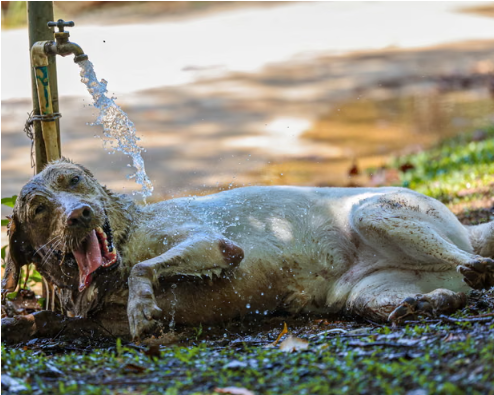
Practical cooling methods can also make a life-saving difference for pets during the hottest parts of the day. Dave Martin emphasizes that clean, fresh water must be available to pets at all times without exception. Domestic fans can be highly effective in moving stagnant air to help your pets feel much more comfortable. You might also consider using a gentle hose, a small garden sprinkler, or a simple watering can. Applying cool water to your pet allows for evaporation, which naturally helps them shed excess body heat effectively. For dog breeds with heavy fur, some owners might consider professional grooming to remove excess undercarriage hair. This specific maintenance can help increase airflow to their skin and lower their overall temperature quite significantly.
Ultimately, we must rely on our own sense of comfort to gauge the wellbeing of our animal companions. If you personally feel that your environment is too warm, then your pet is likely suffering as well. We are navigating a period of environmental change that requires us to be more vigilant than ever before. By staying informed, observant, and proactive, we can ensure our pets remain safe throughout these difficult summer days. Our commitment to their welfare must evolve alongside the climate to protect those who cannot protect themselves. Let us remain focused on providing the safest possible sanctuary for every animal in our care today. Through these shared efforts, we can help our pets thrive even during the most challenging heatwaves in Britain.
Related News:
 Norfolk Coastal Graves at Risk as Erosion Deepens Family Anguish
 Winter plant bloom signals climate breakdown in UK
 Dog Food Emissions: 1% of UK Greenhouse Gas Revealed
 Storm Goretti leaves Cornwall homes without power
 Kent Residents Continue Facing Water Supply Disruptions
 Water firms may avoid fines under UK water reform plan
 No Gas Boiler Ban as UK Warm Homes Plan Backs Heat Pumps
 Judi Dench Champions Fight to Save London’s Green Spaces
 UK joins North Sea wind grid pact with nine European nations
 Devon hosts first high-density hydro power system
 Storm Chandra floods Somerset, triggers major incident declaration
 Storm Chandra flooding leaves England on high alert
 UK Pfas Action Plan Faces Criticism From Environmentalists
 Wigan Dump Crisis Sparks Health and Safety Alarm
 Fish disco plan could save 90% of fish at Hinkley C
 Flood risk homes surge across England builds
 Deer Shooting England: New Plan to Protect Woods
 Illegal Waste Dumping: New Drone Unit Launched
 Group Expands Legal Claim Over South West Water Pollution
 Scotland’s Climate Plans Face Scrutiny Over ‘Science Fiction’ Targets
 Wood burner legal threats spark council row
 South East Water Fined £22.5m for Repeated Supply Failures
 Yorkshire Water Funding Sparks Debate Amid Fines and Pay Row
 Net Zero Cheaper Than One Fossil Fuel Crisis, UK Told
 Welsh Water Faces £44.7m Enforcement Over Sewage Breaches
 London Considers New SUV Charges to Improve Road Safety
 New £10bn rescue plan offered for Thames Water
 MPs Slam Agency Over Failing Fight Against Waste Dumping
 RNLI Beach Rescues Surge as Coastal Popularity Hits New High
 UK Records Earliest Spring as Nature Awakens Fast
 RSPB Urges Summer Bird Feeder Removal to Curb Disease
 Britain Facing Sharp Decline in Rare Butterfly Species
 Toxic ‘Forever Chemicals’ Threaten Southern English Coast
 Toxic Flea Treatments Devastating UK Rivers and Wildlife
 UK Faces Mass Water Shortages by 2055, Lords Warn
 Saving Our Lost Rainforests: The Battle for Dartmoor
 Outrage in Surrey as Vital Nesting Colony of Endangered Swifts is Entirely Demolished
 The Hidden Cost of Our Oceans
 Whitehall Steps In: The Battle Over Thames Water Deepens
 UK Seas Face Extreme Heatwave as Global Temperatures Surge
 New Debt Limits Proposed for England’s Water Sector
 South East Water Faces £30.5m Penalty for Supply Failures
 Three-Quarters of England’s Riverbanks Still Off Limits
 Reeves Faces Setback as Labour May Miss Homes Target
 Kate Winslet to Narrate Film Highlighting King’s Environmental Mission
 Trump’s UK Ambassador Urges North Sea Drilling to Strengthen US Ties
 UK Bans Fake Numbers: Scammers Lose Their Trick
 Millionaires group urge Reeves to introduce wealth tax to ‘lift kids out of poverty’
 Reeves rejects £1bn plea for NHS redundancy payouts
 PM Condemns Leaks, Vows Loyalty to Ministers and Stability
 Inside the Helpline Protecting Missing Children in the UK
 PlayStation PS5 Deals Hit Lowest Prices Ahead of Black Friday
 Five-Year-Old Dies After Rare Tonsil Surgery Complication
 Starmer Says Labour’s Economic Plan Needs Years to Deliver
 ‘Extinct’ Antelope Returns to Sahara, Bringing Hope
 Starmer Faces Parliamentary Battles Over UK-EU ‘Reset’ Plan
 Met Police Vetting Failures Let Serial Rapists Remain
 Fatal Bolton Taxi Crash Claims Three Teens and Driver
 ScottishPower Tops List of Worst UK Energy Suppliers
 Crowborough Camp Welcomes First Asylum Seekers
 UK Government Poised to Revive Stalled Hillsborough Law
 Home Office Faces Legal Risks Over Asylum Hotel Living
 Crisis in NHS Surgery Scheduling Hits Patients Hard
 Blue Badge Abuse: The Rising Tide of Public Hostility
 Scott Parker Leaves Burnley After Premier League Drop
 Silent Tracks: Rail Line Without Passengers
 RFU Backs Borthwick Despite England’s Poor Six Nations
 Major test for Labour as polls open in Great Britain
 Keir Starmer Struggles to Secure His Grip on Downing Street
 Farage Faces Standards Probe Over Cash Property Purchase
 Closing the Gap: UK Pensions Commission Demands Action
Russian Electronic Attack Targets UK Defence Chief Jet
Closing the Gap: UK Pensions Commission Demands Action
Russian Electronic Attack Targets UK Defence Chief Jet
 UK Shoppers Face Prolonged Price Rises At Tills
 Tube Strike Brings Capital to a Standstill Over Shift Disputes
 Makerfield Voters Demand Real Change as Election Looms
 Ryanair Faces Probe Over Mandatory Family Seating Fees
 Britain’s Crowning Butterfly Takes the Nation by Storm
 Stirchley Community Housing Scheme Faces Crisis
 Watchdog Warns Ministers to Pause Impending HS2 Reset
 EU Slashes Steel Quotas But Grants UK Favourable Rates