Published: 10 July 2026. The English Chronicle Desk. The English Chronicle Online.
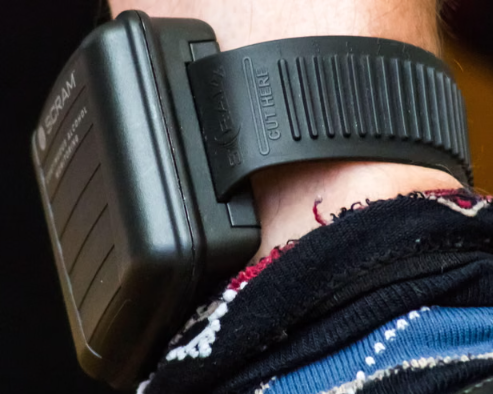
The rapid expansion of electronic tagging to reduce prison pressure faces heavy scrutiny today. The public spending watchdog has issued a stark warning regarding significant safety risks involved. Officials are attempting to manage prison capacity by placing many more offenders within communities. The number of people monitored this way has doubled to twenty-eight thousand over five years. Government plans intend for twenty-two thousand people to be tagged annually starting from next year. However, the National Audit Office report indicates that the current system lacks necessary robust improvements. Thousands of individuals may not be receiving the active monitoring that is officially required now. This situation raises very serious questions about the overall effectiveness of the current oversight strategy. The Ministry of Justice must develop comprehensive contingency plans to protect the public from harm. Serious concerns persist regarding the current capacity of the Prison and Probation Service systems today. As of March this year, authorities were reviewing over eight thousand cases for potential lapses. These cases represent nearly a quarter of all individuals who are required to be monitored. Discrepancies exist between different government departments regarding the exact number of people left unmonitored. The Ministry of Justice suggests that the actual number of unmonitored cases is much lower. Regardless of the exact figures, the current instability is clearly a major cause for concern.
The report also highlights poor performance from an external contractor during the last year. Between August of last year and July, significant delays occurred in fitting various tags. Officials were not notified of potential breaches in a timely manner during this critical period. Although performance has reportedly improved since then, the initial failure remains a major systemic worry. The backlog of visits to fit or remove tags increased to seven thousand last autumn. This massive surge in pending cases placed an enormous strain on the existing tagging infrastructure. While those numbers eventually fell, the inconsistency of service creates dangerous gaps in public protection. In February of this year, a contractor met its primary target for visiting many people. However, they were only successful in fitting the required devices on a minority of cases. This failure rate during site visits undermines the reliability of the entire monitoring project. Furthermore, an estimated shortfall of over two thousand probation staff hampers the entire system’s scale. The watchdog concluded that further expansion is not efficient without addressing these fundamental governance weaknesses. The Ministry of Justice has allocated over one hundred million pounds to fund this massive expansion.
Gareth Davies, who leads the National Audit Office, offered a very firm critique today. He stated that electronic monitoring is essential for managing current pressures on our prison system. However, he noted that the current operation is simply not working effectively for the public. He urged officials to address these identified inefficiencies before attempting to scale up the project. Sir Geoffrey Clifton-Brown, the chair of the public accounts committee, expressed deep alarm at findings. He noted that the government does not even know the true number of unmonitored offenders. This lack of certainty regarding who is monitored creates unknown risks for the general public. He warned that expanding this flawed system would only lead to further wasted public money. Without dramatic improvements to service resilience, public safety remains in a very vulnerable, precarious position. The government must act quickly to rectify these gaps in order to restore necessary public confidence.
Pia Sinha, the chief executive of the Prison Reform Trust, voiced her own serious concerns. She argued that ministers should not view electronic tagging as a simple, magical panacea solution. There is a distinct risk that politicians are ignoring the complex realities of modern community management. Expanding these tools without supporting the probation service will likely undermine our collective safety goals. The government must take these new findings very seriously and ensure that safeguards are implemented. Electronic monitoring can be an effective tool if it functions within a truly well-supported system. It must be paired with investment in professional staff to help people actually reduce reoffending. A successful system requires a clear understanding of what true safety and community success looks like. Officials should focus on helping individuals rebuild their lives rather than just tracking their movements.
A spokesperson for the Ministry of Justice responded to these claims with a prepared statement. They asserted that the current government inherited a failing tagging system from the previous administration. The spokesperson noted that installation rates have risen by almost fifty percent since last year. They emphasized that public protection remains their absolute priority in all these new policy decisions. The government is currently investing one hundred million pounds into modernising the electronic monitoring sector. This investment includes tagging offenders before their release for the first time in our history. They are also working on strengthening victim protections by introducing sophisticated new alert notification systems. These various improvements are intended to drastically reduce the number of currently unmonitored criminal offenders. Furthermore, they pointed to seven hundred million pounds of dedicated investment into the wider probation system. This funding will support the hiring of many additional trainee officers to help manage the caseload.
The path forward for the justice system requires careful balancing of resources and public safety. Relying solely on technology without human oversight is proving to be a highly dangerous strategy. The government faces a difficult task in proving that these electronic measures can actually work reliably. Public trust will only be restored if the Ministry of Justice can guarantee absolute system performance. Accountability for these contractors and internal departments must be held at the very highest levels possible. Residents across the United Kingdom will be watching these developments with a very keen, critical eye. Ensuring that every offender is properly monitored is the absolute baseline for a safe community environment. The debate over how we manage our prison crisis is only going to intensify during this year. Only time will tell if the current government can fix these systemic flaws before disaster strikes. Providing a secure and efficient justice system is essential for the long-term health of our nation. Protecting the public is not just a policy goal but a fundamental duty of our state. We must ensure that every single pound spent leads to a safer and more secure country tomorrow. Future reports on this critical issue will likely determine the success of this major government project. The stakes could not be higher for those who rely on a fair and functioning legal system. Fairness, responsibility, and transparency must remain at the very heart of these important justice system reforms.
Related News:
 It’s time to come clean on the China spy case
 Reform Councillor Defects to Tories Over ‘Uncomfortable’ Policies
 FBI Director Kash Patel Defends Girlfriend Amid Government Jet Claims
 French Taxi Driver Cleared in David Lammy Theft Case After Fare Dispute
 Company linked to Michelle Mone owes £39m in tax
 Met Police Culture Makes Racial Harm ‘Inevitable’
 Eleven Arrested After Pro-Palestine Protest at Villa Match
 Boris Johnson accused of undermining BBC leadership
 Remaining rebel Labour MPs have whip restored
 Second world war veterans honoured as King leads Remembrance Sunday
 ‘Reckless’ cuts to victims’ services will cost more than they save
 BBC Faces Backlash as Reform UK Withdraws from Film
 Wes Streeting Denies Leadership Plot Against Starmer
 British state supplied victims to ‘worst sex offender in history’
 UK Candidate Moved to Safe House After Election Threats
 Most Tories Expect to Support a Farage-Led Government
 BBC Chairman Faces Scrutiny Over Bias Claims
 Ex-Classmate Accuses Farage of Dishonesty on Racism Claims
 Ex-Brexit MEP Rejects Claim of Pro-Russia Payments
 Kent Reform Councillors Criticised Over Political Staff Spending
 ‘It’s a Complete Scandal’: Aristocrat’s Fight for Prison Children
 Police response times face strict new national limits
 Mass Arrests at London Palestine Protest Spark Debate
 NHS Safety Fears as Nurses Cover Doctor Gaps
 Murder Probe Continues After Arrest Release
 Urgent Action Needed on Windrush Compensation as Survivors Speak of “Waiting to Die”
 Peterborough Mosques Tighten Security After Attack
 Green Party Surges Past Labour in Latest UK Poll
 Trump’s UK Ambassador Urges North Sea Drilling to Strengthen US Ties
 UK Bans Fake Numbers: Scammers Lose Their Trick
 Millionaires group urge Reeves to introduce wealth tax to ‘lift kids out of poverty’
 Starmer Faces Growing Dissent as Labour MPs Weigh Leadership Challenge
 Reeves rejects £1bn plea for NHS redundancy payouts
 PM Condemns Leaks, Vows Loyalty to Ministers and Stability
 Major Rent Reform Ends No-Fault Evictions in England
 Greene Pushes Epstein Files Amid Trump Fallout
 Criminal Gangs Pose as Truckers to Hijack UK Supply Chains
 Serial Rapist and Former Cop Found Guilty Again
 Inside the Helpline Protecting Missing Children in the UK
 Starmer Says Labour’s Economic Plan Needs Years to Deliver
 Met Police Vetting Failures Let Serial Rapists Remain
 Labour Blocks Burnham as Party Rift Deepens Ahead of Polls
 Huge mistake: Labour blocks Burnham from byelection bid
 Artificial intelligence will cost jobs, admits Liz Kendall
 School vetting failure exposed by London abuse case
 Mandelson Faces Police Inquiry Over Epstein Leak
 Morgan McSweeney downfall shocks Labour leadership
 Farage Unveils Reform UK Frontbench Team
 Wales Approves Assisted Dying Bill Consent
 UK EU Trade Reset Gains Public Backing
 Corbyn Leads Your Party in Coordinated Left-Flank Strategy
 Asylum Seekers to Work After Year-Long Wait
 Starmer Row as Greens Demand Apology
 Proposed Law Leaves Gap for Children of Convicted Paedophiles
 Gordon Brown urges court for crimes against children
 Inquiry into HMRC child benefit errors launched by NAO
 Farage Faces Backlash Over Crypto Cameo Endorsements
 Relationship with Trump may be beyond repair, Starmer warned
 Unions Raise Concerns Over Doctors’ Pay Dispute
 UK Government Poised to Revive Stalled Hillsborough Law
 UK Stands Firm on Falklands Amid US Rift
 Welsh Labour Faces Potential Historic Election Defeat
 Silent Tracks: Rail Line Without Passengers
 Major test for Labour as polls open in Great Britain
 Barrister Criticises Trial After Suicide Case Verdict
 Reform UK Faces Crisis as Newly Elected Councillors Resign
 Keir Starmer Struggles to Secure His Grip on Downing Street
 Farage Faces Standards Probe Over Cash Property Purchase
 Secret Role of UK Security Services in Troubles Amnesty Law
 Farage and Reform UK Reshape British Politics
 Minister Criticises Police Guidance Amid Southampton Protests
 Makerfield Voters Demand Real Change as Election Looms
 The Hidden Crisis Eroding Trust in British Communities
 Labour MP Revives Blocked Assisted Dying Bill in Commons
 Starmer Set to Announce Exit Plan as Burnham Eyes No 10
 Guarding Justice: The Henry Nowak Case and Police Accountability
 Burnham Pledges New Era of Open Debate for Labour MPs
 Ann Widdecombe, Formidable Political Figure, Dies at 78
 Ukraine Creates Long-Range Strike Command
 Westminster Council Threatens Charing Cross Soup Kitchen