Published: 31 July 2026 | The English Chronicle Desk | The English Chronicle Online
FIFA has issued a strongly worded statement defending its governance and long-term vision for world football after UEFA threatened to boycott all FIFA competitions unless controversial proposals involving private investment in the governing body’s flagship tournaments are permanently abandoned.
The exchange marks one of the most serious confrontations between football’s two most powerful governing bodies in modern history. While UEFA has accused FIFA of abandoning principles of transparency and good governance, FIFA insists its objective remains strengthening the global game and ensuring greater financial support for football associations across the world.
The dispute has rapidly evolved into a wider debate over the future ownership of football’s biggest competitions, the balance between commercial growth and sporting integrity, and the leadership of FIFA President Gianni Infantino.
In its latest statement, FIFA firmly rejected suggestions that its governance had been compromised, describing its decision-making process as focused on ensuring football’s long-term sustainability.

The organisation defended its strategy of exploring new financial opportunities, arguing that football must continue evolving in order to support its 211 member associations.
FIFA said every initiative it considers is designed with the objective of strengthening football globally rather than benefiting a limited group of stakeholders.
Officials maintained that expanding financial resources would ultimately provide greater investment in youth development, women’s football, grassroots programmes and infrastructure projects across all continents.
Without directly addressing every criticism raised by UEFA, FIFA stressed that it remains committed to dialogue with confederations and national associations.
The latest FIFA response follows UEFA’s extraordinary warning that European nations could refuse to participate in FIFA competitions if reported plans involving private investment remain under consideration.
UEFA’s emergency statement described the proposals as unacceptable and argued that football’s most prestigious tournaments should never become subject to private ownership.
The governing body insisted that the FIFA World Cup belongs to the global football community rather than commercial investors.
European officials also criticised what they described as insufficient consultation before the proposals emerged, claiming that decisions affecting the world’s biggest sporting competition should involve broader discussion among stakeholders.
The statement represented one of the strongest public rebukes ever directed at FIFA by a continental confederation.
At the centre of the dispute is FIFA’s reported exploration of private investment opportunities connected to its major competitions.
Supporters argue that external investment could unlock billions of dollars in additional revenue.
That income, FIFA believes, could be redistributed among national football associations, helping improve facilities, coaching, youth academies and women’s football in developing nations.
Critics, however, fear that introducing private investors into football’s premier tournaments could fundamentally alter the governance of the sport.
They argue that commercial interests may eventually influence decisions regarding tournament formats, scheduling and broadcasting priorities.
The disagreement reflects broader questions facing modern sport about how commercial expansion should be balanced with protecting competitive integrity.
Relations between FIFA and UEFA have become increasingly strained over recent years.
Disagreements have emerged over the expansion of the FIFA Club World Cup, the international match calendar and the growing number of elite competitions involving Europe’s leading clubs and national teams.
UEFA has repeatedly expressed concern that an increasingly crowded football calendar places excessive physical demands on players while disrupting domestic leagues and continental competitions.
FIFA, meanwhile, argues that expanding international tournaments creates new commercial opportunities and promotes football development worldwide.
The latest confrontation has exposed how deep those disagreements have become.
UEFA occupies a uniquely influential position within global football.
European nations regularly dominate international tournaments and generate the highest television audiences, sponsorship revenues and commercial interest.
The continent’s clubs also represent many of the world’s most valuable football brands.
Analysts say any coordinated European boycott would have profound sporting and financial consequences for FIFA competitions.
Although FIFA’s membership extends far beyond Europe, tournaments without the participation of leading European nations would inevitably lose significant competitive and commercial value.
That reality has increased pressure on both organisations to seek a diplomatic solution.
The controversy has reignited debate about governance within international sport.
Transparency experts argue that decisions involving competitions as significant as the FIFA World Cup require extensive consultation with confederations, clubs, players and commercial partners.
Critics of FIFA claim the reported proposals were developed without sufficient engagement with key stakeholders.
FIFA rejects suggestions that it has acted improperly, insisting its governance structures remain robust and that its objective is to strengthen football globally.
The dispute illustrates how governance has become just as important as sporting performance in determining public confidence in international organisations.
The FIFA World Cup remains one of the world’s most valuable sporting events.
Broadcast rights, sponsorship agreements, hospitality packages and licensing deals generate billions of dollars during each tournament cycle.
As football revenues continue growing, commercial decisions surrounding these competitions carry increasing financial significance.
Private investors have shown growing interest in major sporting properties across football, cricket, tennis and Formula One.
Supporters of investment argue that fresh capital can accelerate growth and innovation.
Opponents warn that investor priorities may not always align with the long-term interests of supporters and the sport itself.
FIFA has consistently argued that additional commercial income benefits football beyond the elite level.
Many smaller football associations rely heavily on FIFA development funding to build facilities, improve coaching standards and organise domestic competitions.
The governing body says increasing revenues enables broader investment in countries where football infrastructure remains underdeveloped.
Some national associations outside Europe have expressed support for initiatives that increase funding opportunities.
However, critics argue that financial benefits should never come at the expense of independent governance.
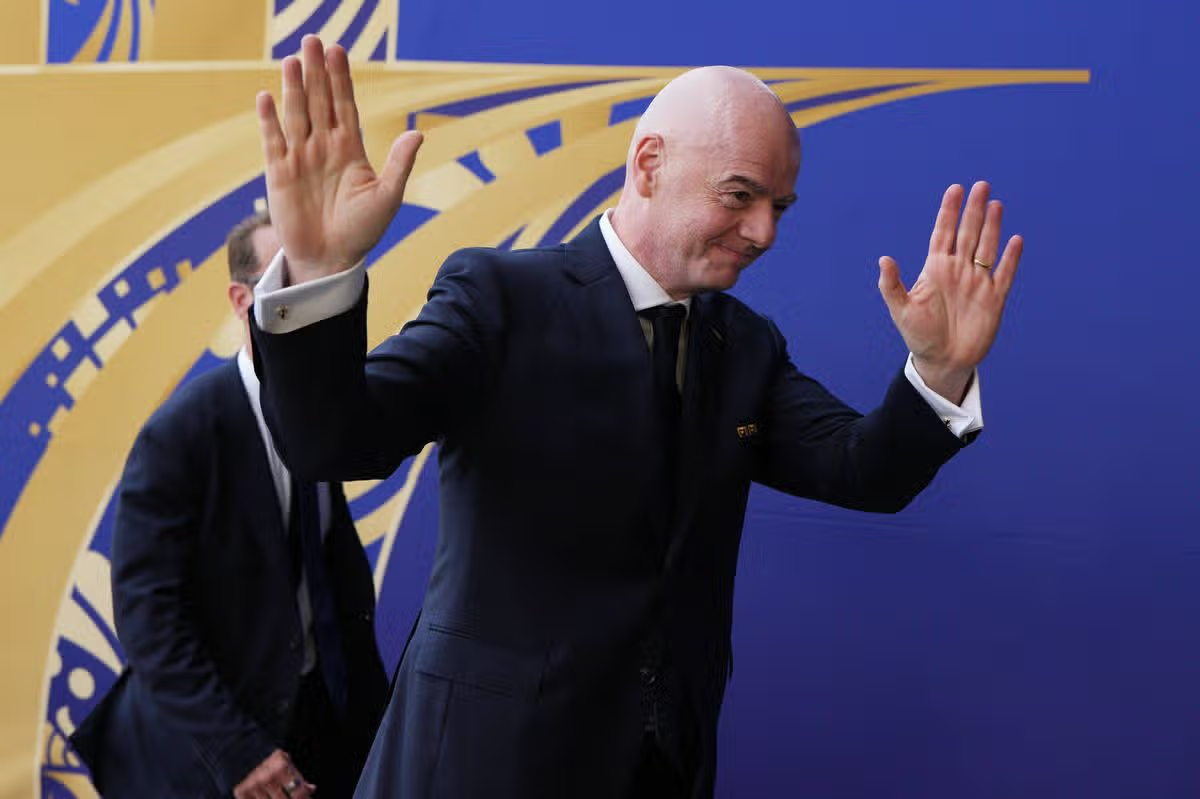
The latest dispute has inevitably intensified scrutiny of FIFA President Gianni Infantino.
Since taking office in 2016, Infantino has overseen substantial commercial growth, expanded international competitions and introduced new development programmes.
Supporters credit him with increasing investment in global football and giving smaller nations greater opportunities.
Critics accuse him of pursuing ambitious commercial expansion without achieving sufficient consensus among football’s major stakeholders.
Although FIFA’s latest statement makes clear the organisation is standing by its position, speculation about Infantino’s leadership is likely to continue as tensions with UEFA remain unresolved.
Despite increasingly hostile public statements, observers believe negotiations between FIFA and UEFA are likely to continue behind closed doors.
Neither organisation would benefit from a prolonged institutional conflict that threatens the future stability of international football.
Potential compromise could involve stronger governance guarantees, greater stakeholder consultation or formal assurances regarding ownership of FIFA competitions.

Football administrators recognise that preserving confidence in the World Cup remains essential for supporters, broadcasters, sponsors and participating nations alike.
FIFA’s defiant response to UEFA’s boycott threat demonstrates that the dispute over football’s commercial future is far from resolved.
While FIFA insists its plans are designed to strengthen the global game through increased investment and financial sustainability, UEFA maintains that football’s greatest competitions should never be opened to private ownership.
The coming weeks are expected to be crucial as negotiations continue between the sport’s two most influential governing bodies.
Whether the disagreement leads to meaningful compromise or a deeper institutional divide could shape the future governance of world football for years to come.
Related News:
 FIFA Crisis Deepens as Infantino Faces Calls to Quit
 Rising World Cup Ticket Prices Spark Concern
 Scotland Branded “Unprofessional” in World Cup Fallout as England Build Momentum
 Chinese Football Fans Embrace Referee as Unexpected World Cup Figure
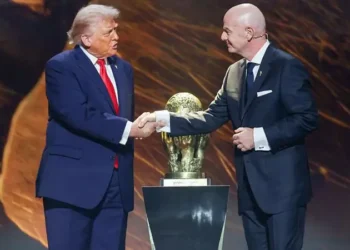 Referee Controversy Raises Questions Over FIFA’s Control of the World Cup
 Nike Charges Fans Most for World Cup Replica Shirts
 Saka Playing Through Pain As England World Cup Campaign Looms
 England Cruise Past Costa Rica as World Cup Warm-Up Sharpens Tuchel’s Vision
 ‘We all love him’: Henderson backs Bellingham for England success
 Can France Escape the Ghosts of their 2002 World Cup Nightmare?
 Deschamps Shields Mbappé From Fierce Political Storm
 Messi Equals World Cup Record In Masterclass Victory
 Erling Haaland Double Fires Norway To Victory On Debut
 Iran Files Official Fifa Complaint Over World Cup Travel
 Historic Victory for Canada as They Defeat Nine-Man Qatar
 Heartbreak for Canada as Koné Suffers Horrific Injury
 Declan Rice Facing Burnout as Tuchel Confronts Midfield Crisis
 Rodrygo Reflects On World Cup Pressure And Social Media
 How ‘Little Scotland’ Is Embracing the World Cup Spirit
 Cape Verde Hold Uruguay in Dramatic World Cup Clash
 World Cup 2026: Reclaiming the American Dream
 The Forgotten Hosts Making World Cup History Behind the Scenes
 Great Stories, Little Jeopardy – Does the New World Cup Format Really Work?
 Martinelli Strikes Late as Brazil Edge Past Brave Japan
 Paraguay Shock Germany in Historic Penalty Shootout
 Morocco Beat Dutch in Wild World Cup Penalty Drama
 England Fans Praised for ‘Excellent’ Behaviour During World Cup Campaign
 France Dominate Sweden as Deschamps’ New Era Takes Shape
 Haaland Heroics Send Norway Into Historic Last 16 Knockout
 Kane Saves Tuchel as England Survive Dramatic Exit
 Ramos Sends Portugal into the Last 16
 Swiss Star Manzambi Shines in World Cup Victory
 Trump Helps Clear Balogun for Belgium World Cup Clash
 Norway’s Stunning World Cup Victory Over Brazil
 England Triumph in Azteca World Cup Thriller
 Trump’s Red-Card Intervention Hurts the US World Cup
 Trump Intervenes in Fifa World Cup Balogun Ban
 Haaland Makes History as England Prepare for Biggest Test
 England’s 10 Men Hold Firm in World Cup Thriller
 USA World Cup Heartbreak: Belgium Ends Their Dream
 Spanish Late Winner Sends Ronaldo Into Final Sunset
 Belgium Thrashes USA After Red Card Controversy
 Balogun Drama Overshadows USA’s World Cup Exit
 Messi’s Tears and Triumph in Epic World Cup Escape
 Switzerland Advance in Penalty Thriller
 Egyptian Fury After Argentina World Cup Heartbreak
 World Cup 2026 Power Rankings: England on the Rise
 Mbappé Brilliance Leads France Into Semi-Finals
 Belgium Draws Global Support Before Spain Showdown
 Golden Boot Battle Reaches World Cup Boiling Point
 Rollercoaster Semi-Final Leaves Fans Breathless
 Haaland and Bellingham: A Dortmund Bond Tested
 Rice Poised for England Semi-Final Clash Against Argentina
 Teamwork Over Talent: How Spain Outclassed France to Reach the World Cup Final
 Tuchel: England Ready for Historic Argentina Clash
 Tuchel Backs England Stars to Overcome Messi’s Argentina
 Argentina End England’s World Cup Dream With Semi-Final Victory
 Argentina Face FIFA Investigation After Players Display Falklands Banner Following World Cup Victory
 Did Thomas Tuchel’s Defensive Approach Cost England? Tactical Questions Emerge After World Cup Exit
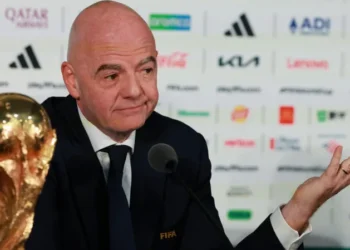 The Financial Winners and Losers From the World Cup
 England Missing Final Piece of Jigsaw Despite Progress, Says Kane
 Why You Should Care About the World Cup Third-Place Play-Off
 World Cup Stars Who Could Move This Summer
 Who Am I? Guess World Cup Star No 40 – The Mystery Player Captivating Football Fans
 Sir David Beckham Consoled by Victoria After Heartbreaking World Cup Defeat
 World Cup Rings for Winners as Trump Attendance Confirmed
 Thousands of Tickets Still Available for England v France Clash
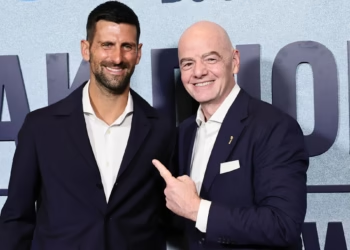 More Than 200 Countries Back Gianni Infantino for Fourth FIFA Term Despite Balogun Scandal
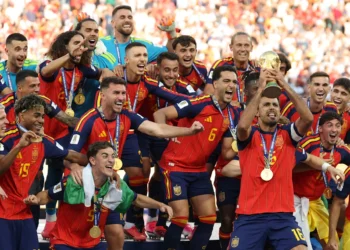 Spain Defeat Argentina to Lift Second FIFA World Cup Title
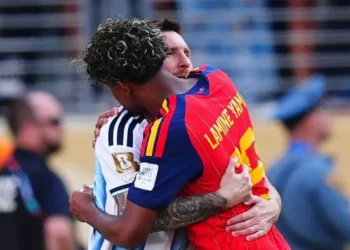 Lamine Yamal Crowns Remarkable Rise With World Cup Glory as Argentina’s Support for Messi Comes Under Fire
 Sixteen Titles in Five Years: How Spain Built an Unrivalled Era of Football Dominance
 UEFA May Discuss World Cup Boycott Over FIFA Proposal
 FA ‘Deeply Concerned’ by FIFA Plan as UEFA Prepares for Crucial Meeting
 Fans Bring Flags and Fire to World Cup Scenes
 Fans Invited to Share Scotland World Cup Stories
 Iran Team Arrives in Mexico Amid US Visa Dispute
 Football Regulator Contacts West Ham Over “Serious Allegations” Linked to Sullivan
 Tuchel’s England Mission Goes Beyond Football Success
 Trump Helps Clear Balogun for Belgium World Cup Clash
 Lamine Yamal’s Birthday: Football, Fame, and France