Published: 13 August 2026. The English Chronicle Desk. The English Chronicle Online
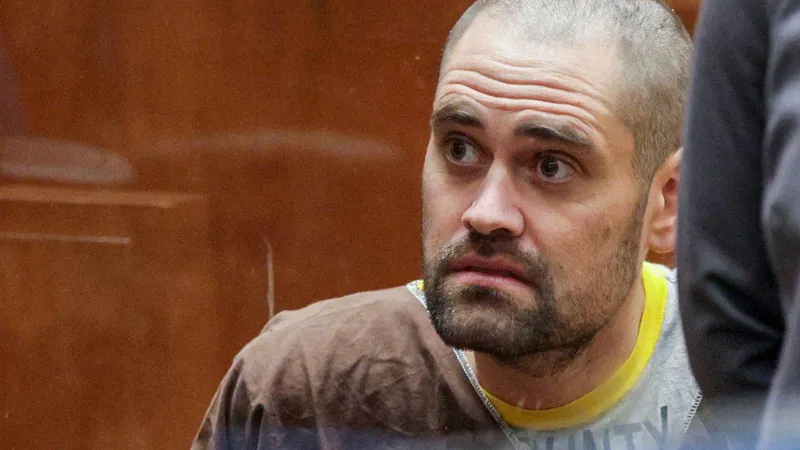
Nick Reiner, the son of acclaimed Hollywood filmmaker Rob Reiner, has been formally indicted over the deaths of his parents, with prosecutors adding a new allegation that he allegedly “lay in wait” before the killings.
The 32-year-old pleaded not guilty on Wednesday after a Los Angeles County grand jury indictment was unsealed. The new indictment charges him with two counts of murder and includes special-circumstance allegations involving multiple killings and murder by means of lying in wait. He is also accused of personally using a knife, described under California law as a dangerous and deadly weapon.
The latest development significantly changes the legal position of the case. The lying-in-wait allegation is a serious aggravating circumstance under California law and makes Reiner eligible for either life imprisonment without parole or the death penalty if convicted, although prosecutors have not announced whether they intend to seek capital punishment. California currently has a moratorium on executions.

Los Angeles County District Attorney Nathan Hochman said the grand jury process represented another step towards bringing the case to trial.
“We hope that by having a grand jury return an indictment in this case it will bring us one step closer to a trial and achieving justice,” Hochman said.
The indictment was returned on 20 July and unsealed on Wednesday. Unlike the original charges, the grand jury process means prosecutors can bypass the preliminary-hearing stage and move the case towards trial without first presenting the evidence in that public proceeding.
The document itself does not provide a detailed account of what prosecutors believe happened on the night of the killings. In particular, it does not explain exactly how Reiner allegedly waited for his parents or what prosecutors believe his actions were before the attack.
That distinction is important because the allegation remains a prosecution claim. Reiner has pleaded not guilty, and the indictment is not a finding of guilt.
Rob Reiner, 78, was one of Hollywood’s best-known directors and actors. His career included films such as This Is Spinal Tap, Misery and A Few Good Men. He was also widely recognised for his work as an actor and filmmaker across several decades.
His wife, Michele Singer Reiner, 70, was a photographer and member of a prominent Hollywood family. The couple were found dead at their Brentwood home in Los Angeles on 14 December 2025.
The Los Angeles County medical examiner previously said both died from multiple sharp-force injuries. Their daughter reportedly discovered their bodies, while Nick Reiner was arrested later the same day.
The deaths shocked Hollywood and attracted widespread attention because of Rob Reiner’s stature within the entertainment industry. He had built a career spanning acting, directing and producing, and his films had become significant parts of modern American popular culture.
The case also created an unusually painful situation for the Reiner family because the person accused of killing Rob and Michele is their son.
In April, the couple’s eldest son, Jake Reiner, publicly described the devastating effect of losing both parents while his brother faced murder charges.
Writing on Substack, Jake said his world had “collapsed” after the deaths. He described the loss of both parents at once as something for which there was no comparison and acknowledged the extraordinary difficulty of having his brother at the centre of the criminal case.
The new indictment introduces the question of alleged premeditation more directly into the proceedings.
In California criminal law, an allegation that a murder was committed by means of lying in wait can be particularly consequential because it concerns the circumstances surrounding how the attack was allegedly carried out. Prosecutors will ultimately have to prove the relevant elements of the charge beyond a reasonable doubt if the case reaches trial.
The indictment does not, however, establish when prosecutors believe Reiner decided to kill his parents or what specific evidence they will rely on to establish the lying-in-wait allegation.
That evidence may become clearer as the case progresses and additional court documents are filed.
The development also means a preliminary hearing that might otherwise have provided an early public examination of the prosecution’s evidence will no longer take place in the same way. A grand jury indictment allows the case to proceed without that preliminary hearing.
Reiner remains in custody without bail. His next scheduled pretrial hearing is set for 15 September.
The potential death penalty adds another layer of complexity to the proceedings. Although the new allegation makes capital punishment legally possible, the Los Angeles County District Attorney’s Office has not said whether it will seek it.
The decision would be closely watched given California’s long-running debate over capital punishment and the state’s current moratorium on executions.
For the Reiner family, however, the legal questions exist alongside an intensely personal tragedy.
Rob Reiner was not simply a nationally recognised filmmaker. He was also a husband and father whose professional achievements made the family’s loss especially visible to the public.
Michele Reiner’s death alongside her husband has further deepened the tragedy, leaving their surviving children to deal simultaneously with bereavement and a criminal prosecution involving a close family member.
The family’s public statements have largely focused on the enormity of the loss rather than the details of the prosecution.
The case has also generated considerable public discussion about what might have preceded the killings. However, many claims circulating outside the courtroom remain unproven, and the newly unsealed indictment itself contains fewer details than might have been expected from such a high-profile case.
That means the distinction between established facts, prosecution allegations and speculation remains particularly important.
What is established is that Rob and Michele Reiner were found dead at their Brentwood home in December, that Nick Reiner was arrested the same day, that he was subsequently charged with two counts of murder and that he has consistently pleaded not guilty. The latest indictment adds the special-circumstance allegation of lying in wait and the existing allegation concerning the use of a knife.
The next phase of the case is therefore likely to focus increasingly on the evidence behind those allegations and on the legal strategy adopted by both sides.
For prosecutors, the challenge will be to demonstrate that the evidence supports the heightened circumstances alleged in the indictment. For the defence, the task will be to contest those claims while maintaining Reiner’s presumption of innocence.

The proceedings could ultimately become one of the most closely followed criminal cases in Los Angeles because of Rob Reiner’s extraordinary public profile and the deeply personal nature of the allegations.
For now, however, no trial has taken place and no verdict has been reached.
Nick Reiner remains accused, not convicted, of killing his parents. His not-guilty plea means the prosecution will have to prove its case in court, including the newly alleged circumstances surrounding the murders.
As the case moves towards its September hearing, the focus is likely to shift from the shock of the deaths themselves to the evidence prosecutors say supports their claim that the killings involved planning and lying in wait.
For a family already devastated by the deaths of two parents, the forthcoming legal battle will add another difficult chapter to a tragedy that has already reverberated far beyond Hollywood.
Related News:
 Franklin Turtle, Sabrina Carpenter Slam US Social Media Use
 EPSTEIN MYSTERY: Five Unanswered Questions Surround Jeffrey Epstein’s Death
 “It’s Never Too Late”: Savannah Guthrie’s New Plea for Mother’s Release as FBI Analyses Glove
 FBI Won’t Co-operate on Alex Pretti Investigation, State Officials Say
 Suspect in Rhode Island Ice Hockey Shooting Killed Ex‑Wife and Son
 Desperate Hunt for Breakthrough in Nancy Guthrie Case Turns to Mexico
 Family Offers $1M Reward to Bring Home Missing Mother
 US ‘Suitcase Murderer’ Deported From Bali After 11 Years in Jail
 Hillary Clinton Tells House Panel She Had No Idea of Epstein’s Crimes
 Two Charged After Bomb Attack Outside NYC Mayor’s Home
 Utah Bereavement Author Convicted in Husband’s Poisoning Case
 “Shocking to the Conscience”: NYC Infant Fatally Shot in Stroller During Brazen Moped Attack
 The Gilgo Beach Case: Heuermann Expected to Plead Guilty to Eighth Victim
 Swalwell Faces Pressure to Quit Governor Race
 Harmeet Dhillon Faces Scrutiny in DOJ Role Debate
 Rebel Wilson Rejects Phone Dump Claim
 FBI Links Brown University Shooting to Long-Term Grievances
 US Charges Sinaloa Governor in Major Cartel Case
 US judge dismisses Kilmar Abrego Garcia indictment
 Gunman Killed After White House Security Shootout
 Zelensky Invites Putin to Direct Peace Talks
 US Criticises UK Policing After Henry Nowak Case
 US Condemns Alleged ‘Two-Tier’ UK Policing
 UK Actress Charged Over Alleged A$300 Million Methamphetamine Import Plot in Australia
 Micheal Ward Denies Rape Allegation at London Trial
 Erika Kirk Faces Husband’s Alleged Killer in Court
 Democrats Urge Maine Senate Candidate to Leave Race
 Yung Filly Denies Rape Allegations During Australia Trial
 Armed Man Arrested Near Trump Golf Course
 Suspect Planned Spokane Wildfire on Dry, Windy Day
 Northern Ireland Family of Three Shot Dead in Maguiresbridge Home Incident
 Targeted Attack in Bury Sparks Murder Investigation as Community Awaits Justice
 Merseyside Police Helicopter Crew Cleared After Low-Altitude Pursuit of Suspect
 No Evidence Found to Substantiate Alleged Rape in Oxfordshire Churchyard, Police Confirm
 Paedophile Singer Ian Watkins Dies After Prison Attack
 French Taxi Driver Cleared in David Lammy Theft Case After Fare Dispute
 Serial Rapist and Former Cop Found Guilty Again
 Man Denies Stealing Bronze Age Gold from Museum
 Runaway Driver Caught by DNA Evidence
 US National Guard Member Killed in DC Shooting
 American Mother Extradited From UK to U.S. on Murder Charges
 Woman Jailed for Life After Killing E-Bike Rider in Tragic Mistaken Identity Case
 Police Doubt Fugitive Dezi Freeman Survived Bushland
 ‘We Are Ready to Talk’: US News Anchor Savannah Guthrie Pleads for Return of Her Abducted Mother
 Nine Arrested in France Over Death of Far‑Right Student
 Eight Skiers Found Dead After California Avalanche
 Epstein Eyed Record Label Investment to Access Women, Files Suggest
 Fly-Tippers to Be Hunted by ‘Drone Squad’ in Crackdown from the Sky
 Rape Accused Had Fight With Man in Alley, Court Told
 American Citizen Killed in Cuba Boat Shooting, U.S. Officials Say
 Suspects in Lisa Dorrian Case Released on Bail
 Deadly Texas Bar Shooting ‘Potentially Act of Terrorism,’ FBI Says
 Driver Jailed Over Fatal Water Treatment Tank Crash
 Labour MP’s Partner Arrested on Suspicion of Spying for China
 Police Scotland Pays £8m Compensation to Staff
 Armed police incident closes major road
 Real Estate Brothers Convicted in Sex Trafficking Trial
 Scots Man Convicted in Dirty Money Case After DNA Found on Cash
 Liverpool Shooting Horror as Girl, 17, Shot in Legs in ‘Targeted Attack’
 Two Men Bailed Following Arson Attack on Jewish Charity Ambulances
 Police Hunt Bike-Riding Gunman After Man Shot Dead Near Euston
 “It Ends With Trial”: Judge Tosses Blake Lively’s Sexual Harassment Claims Against Justin Baldoni
 “The Monster of Hull”: Funeral Director Admits to Preventing 30 Burials and Stealing Charity Cash
 The “Protective Shield”: Who is Todd Blanche, the New Acting U.S. Attorney General?
 The Moral Crisis Looming Within the American Chain of Command
 The Fallen Icon: Ben Roberts-Smith Charged with Five War-Crime Murders
 Heartbreak in Bournemouth: The Tragic Death of James Blanch
 The Changing Face of Georgia: Trump-Backed Clay Fuller Wins Election
 Misconduct Inquiry Launched Over Fatal Schoolgirl Crash Response
 Justice and Deceit: High Court Convicts Woman in Hong Kong Blackmail Plot
 Tragedy in the Red Centre: Outback Search Ends in Discovery of Missing Girl’s Body
 Florida Surgeon ‘Devastated’ Over Fatal Surgery Error
 US green card applicants must apply from abroad, DHS says
 DeSantis’s ‘Alligator Alcatraz’ Faces Final Shutdown
 Scott Pelley Claims Editorial Pressure Over “60 Minutes” Segment Framing of Officer Incident
 Trump’s Major Recruitment Drive Targets Border Patrol Growth
 Berlin Pride Attack Suspect Killed in Police Raid
 Two Held After Woman Found Dead in Liverpool Hotel
 Burnham Considers Inquiry Into Epstein UK Connections
 Trump Renews Push to End Birthright Citizenship