Published: 19 September 2026. The English Chronicle Desk. The English Chronicle Online.
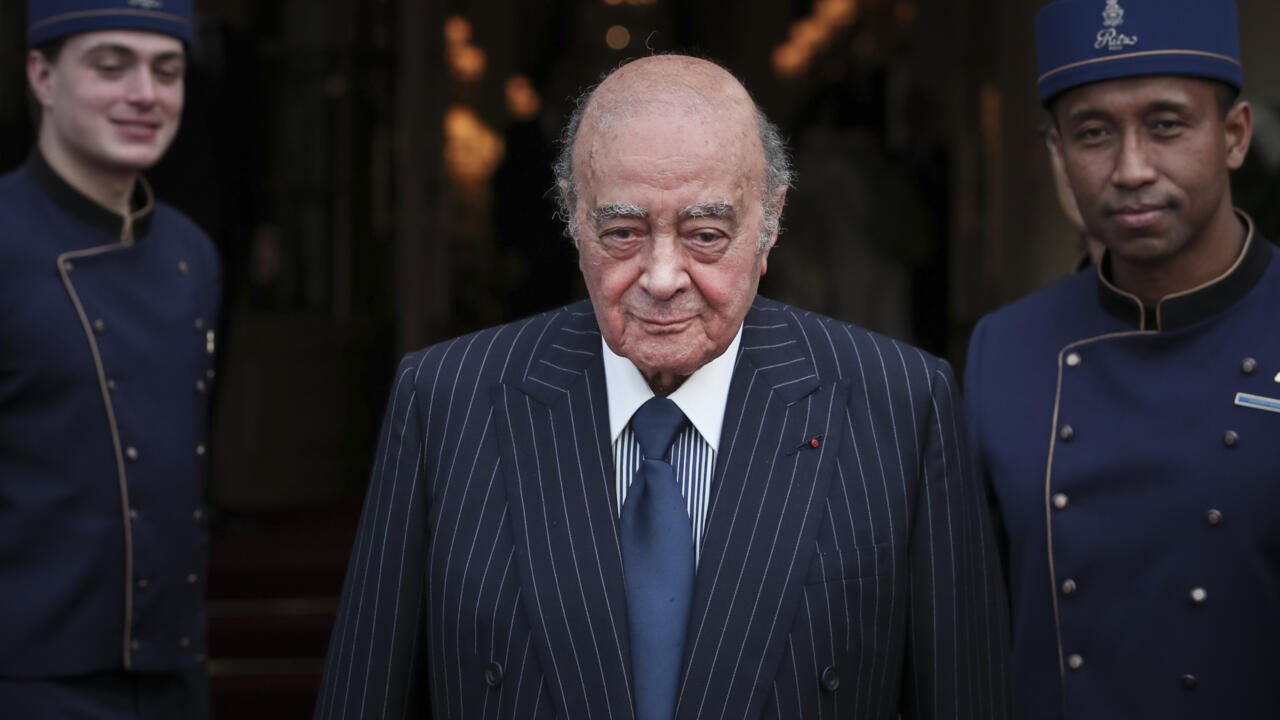
Harrods is facing renewed scrutiny over its handling of compensation claims linked to allegations of sexual abuse against its former owner Mohamed Al Fayed, after lawyers representing survivors said the luxury department store intends to seek reimbursement from Fayed’s estate for compensation payments it makes.
The development has created a dispute over the meaning of institutional responsibility and who should ultimately bear the financial cost of settlements reached with survivors. Lawyers representing many of the women involved say Harrods’ reported intention to recover the money from Fayed’s estate sits uneasily alongside the company’s public acceptance of responsibility for the abuse allegedly carried out by its former owner.
The issue is particularly significant because the estate is also facing claims directly from survivors. Lawyers representing those women have warned that attempts by Harrods to recover substantial sums could reduce the assets available to meet claims against the estate.
Harrods has established a compensation scheme for survivors and says its priority is ensuring that eligible claimants receive compensation. The company has also previously accepted vicarious liability for the sexual abuse allegedly perpetrated by Fayed and publicly condemned his conduct.

However, lawyers representing survivors say there is a distinction between accepting responsibility publicly and ultimately bearing the financial consequences of compensation payments.
Lucy Traynor, a senior associate at KP Law, which represents the majority of known survivors involved in the claims, said Harrods’ lawyers had confirmed that the company intended to seek a full indemnity from Fayed’s estate for compensation it is required to pay.
Such an arrangement would mean that Harrods could seek to recover the full value of settlements from the estate rather than absorbing the ultimate financial cost itself. The legal position remains subject to the outcome of proceedings concerning the estate and any agreements reached between the parties.
Traynor said survivors had raised questions about the circumstances within Harrods that allegedly allowed abuse to occur over many years. Those questions concern not only Fayed’s personal conduct but also the role of employees, management systems, security arrangements and other institutional structures.
The allegations against Fayed span several decades. He has been accused by numerous women of rape, sexual assault, sexual exploitation and human trafficking between 1977 and 2014. Fayed died in 2023 at the age of 94 and consistently denied allegations made against him during his lifetime.
The allegations have generated extensive scrutiny of his relationship with Harrods and the environment in which he operated. Survivors have alleged that the company failed to adequately address concerns about his behaviour and that systems within the organisation allowed abuse to continue.
Harrods has subsequently undertaken investigations into the allegations and the possible involvement of current or former employees. The company has said that an employee left the business in 2025 in connection with one such investigation.
The department store launched its own compensation scheme for survivors last year. The scheme closed to new claims in March, while negotiations and settlements with eligible survivors have continued.
Harrods’ latest financial accounts indicated that £4.1m had been paid from the £57m provision it had set aside for compensation during 2025. The company said it had reached settlements with 113 women, although it did not disclose the total amount paid to them.
The potential scale of the claims is considerably larger. Earlier this week, KP Law said compensation claims involving 275 survivors it represents could eventually reach as much as £150m.
The amount ultimately payable will depend on individual claims, legal assessments and settlement arrangements. The figures therefore represent potential liabilities rather than a confirmed final compensation bill.
The dispute over Fayed’s estate adds another layer of complexity. Harrods has previously sought the appointment of independent executors to administer the estate, arguing that this would help protect assets and ensure claims can be dealt with appropriately.
A High Court hearing concerning the matter is scheduled for November.
Harrods has said that, to its knowledge, Fayed’s estate has not publicly acknowledged the alleged abuses, apologised or settled any claims. The company has argued that its legal application concerning the estate is intended to facilitate the administration of claims and protect the assets available to potential survivors.
The question of how much money remains available in the estate is therefore important to both the company and the survivors pursuing claims.
Fayed was a wealthy businessman who built an international business empire and became one of the most recognisable owners of Harrods. His fortune was estimated at about £1.69bn in a wealth ranking published in 2023, shortly before his death.
If Harrods successfully recovers compensation payments from the estate, survivors whose claims are directed primarily at Fayed’s estate could potentially face a reduction in the assets available to satisfy those claims. That possibility has become a central concern for lawyers representing survivors.
For women who say they were abused while working at Harrods, the dispute has also raised difficult questions about what institutional accountability should mean.
Shanta Sundarason, who has said she was sexually assaulted by Fayed while working as a designer at Harrods, criticised the prospect of the company recovering compensation costs from his estate. She argued that the alleged abuse occurred within the workplace and could not be separated entirely from the institution in which she was employed.
Sundarason said her experience involved more than Fayed alone and pointed to security personnel, office staff, management and other structures surrounding him. Her account reflects the broader concern among survivors that the responsibility for addressing the allegations should extend beyond the actions of the former owner.
Another former employee, identified as Catherine, has said she was sexually abused by Fayed while working as his personal assistant in 1990 and 1991. She also criticised the reported plan to recover compensation costs from the estate.
The comments from survivors highlight the emotional dimension of the dispute. For many claimants, compensation is not simply a financial transaction but part of a broader process involving acknowledgement, accountability and recognition of the harm they say they experienced.
Harrods has maintained that its priority is to ensure eligible survivors receive compensation and that it continues to settle claims. Its position on recovering payments from the estate is now likely to be examined within the wider legal proceedings surrounding Fayed’s assets.
The dispute also illustrates the complicated legal consequences that can arise when alleged misconduct involves both an individual and the organisation where that person held power.
Vicarious liability can make an employer legally responsible for certain acts committed by an employee or agent in the course of their work. However, questions about liability, indemnity and the recovery of compensation can involve separate legal considerations.
The eventual outcome could therefore have implications beyond the immediate dispute between Harrods, Fayed’s estate and the survivors.

For the claimants, the central concern is whether sufficient resources will remain available to meet legitimate compensation claims. For Harrods, the issue involves both its public commitments to survivors and its legal and financial interests concerning the estate.
The November High Court proceedings could provide further clarity over how Fayed’s estate will be administered and how claims against it are handled. Until then, the precise financial consequences of the competing claims remain uncertain.
The controversy comes after years of scrutiny of Fayed’s conduct and the institutional environment surrounding him. Harrods has acknowledged the seriousness of the allegations and established a compensation process, but the question of who should ultimately fund those settlements remains contested.
As legal proceedings continue, survivors and their representatives are likely to maintain pressure for transparency over the company’s financial arrangements and its approach to the estate.
The case has become an important test of how institutions respond when allegations of serious abuse concern a former owner or senior figure, particularly where questions remain about what an organisation knew, what it could have done to prevent misconduct and how responsibility should be shared after the alleged perpetrator’s death.
For the women pursuing compensation, the outcome will have consequences not only for the value of potential settlements but also for their wider understanding of whether the institutions connected to their experiences have accepted meaningful responsibility.
Related News:
 Undercover officer deceived women with ‘grotesque and cruel’ lies, spycops inquiry told
 Prevent Failings Exposed After Southport Attack
 Police Suspect Help in Missing Alice Springs Girl Case
 Barrister Criticises Trial After Suicide Case Verdict
 Victim says non-custodial rape sentence ‘rock in my face’
 Murder Probe Continues After Arrest Release
 New Footage Revives Peter Falconio Mystery
 Westminster Council Threatens Charing Cross Soup Kitchen
 BBC Warned About Missing Clothes of Murder Victim
 Cambridge Professor Jason Arday Found Dead at Home
 Survivor Sues Musk’s xAI Over AI Abuse Images
 Daughter Finds Bones in Parents’ Burned-Out Car
 Argentina Orders Return of Nazi-Looted Painting
 UN expert urges UK to rethink Israel policy
 Councils spend £125m on illegal children’s care
 Miliband Rejects Chief Rabbi’s West Bank Warning
 Patriot Platform Raises Concern Across Britain
 Royal Crown Branded Enslaved Africans in Britain’s Slave Trade
 Israel Accused of Undermining Palestinian Life
 It’s time to come clean on the China spy case
 Five More Prisoners Freed by Mistake in Essex Week
 Nearly 48,000 Zombie Knives Removed from UK Streets in a Year
 Afghan man charged with murder after west London knife attack
 Man Charged Over Cambridgeshire Train Stabbing
 Pregnant UK Teen to Be Freed from Georgian Jail
 French Taxi Driver Cleared in David Lammy Theft Case After Fare Dispute
 Just Stop Oil Protesters Convicted Amid Climate Defence Row
 Lammy ‘misinformed’ over Wandsworth prisoner releases
 Met Police Culture Makes Racial Harm ‘Inevitable’
 British Grandmother to Return Home After Death Sentence in Bali
 Remaining rebel Labour MPs have whip restored
 Bar Council urges legal aid for all domestic abuse family cases
 Judges to Decide Fate of Chief Constable Guilty of Contempt
 ‘Fake Admiral’ Sparks Outrage at Remembrance Event
 Paralegal Fired After Exposé on Illegal Worker Scam
 Dan Wootton Rejects Catfishing Allegation in Court
 Serial Rapist and Former Cop Found Guilty Again
 Gardener Guilty of Brutal Attack on Teacher Partner
 Man Arrested Over Manchester Synagogue Terror Attack
 Twelve Prisoners Released in Error, Two Still Missing
 Woman Jailed for Life After Killing E-Bike Rider in Tragic Mistaken Identity Case
 Files Link Andrew to Epstein Dinner After Prison Release
 Emails Show Epstein Funded Mandelson’s Husband After Jail
 Labour Attacks Reform Candidate Over Tommy Robinson Backing
 Mass Arrests at London Palestine Protest Spark Debate
 Ben Roberts-Smith Denies War Crime Allegations in First Statement
 Iran Threats Target Journalists in UK
 City & Guilds Sale Sparks Fees and Pay Uproar
 Walsall Rapist Jailed After Hate-Filled Online Trail
 Two Children Die in Wolverhampton House Fire Tragedy
 FBI Links Brown University Shooting to Long-Term Grievances
 Cartel crackdown raises fears of fresh violence
 Asylum deal sparks fears over Syria deportations
 UK may ban protests amid rising antisemitism fears
 City & Guilds Faces Governance Crisis Over Sale
 Immigration Judges Fear Pressure in Trump Era
 Ex-Soldier Jailed in £2m Glasgow Drugs Bust
 US judge dismisses Kilmar Abrego Garcia indictment
 China mine blast death toll rises to 90
 Ebola outbreak in DRC overwhelms health system as cases surge
 Israeli Strike in Southern Lebanon Kills Seven
 Ukraine Villagers Demand Answers After Deadly Arms Depot Strike
 Internal Exclusions Surge in England’s Schools
 Ministers Condemn Far-Right Unrest in Portsmouth
 Family of British man found dead in Grenada urges UK-Grenada police cooperation
 Abusive ex used Tesla to control and harass former partner
 Reform UK Receives Record £36m Donation From Crypto Billionaire
 Election Candidate Abuse Raises Alarm in England
 UK Urged to Probe US Diplomat Case
 Piddington Votes for Symbolic Independence Over Asylum Plan
 Gaza Strike Kills Child and Paramedic
 Texas Transfers Raise Fears for Migrant Children
 Mahmood Warns Far Right Over Asylum Protests
 NHS Breast Care Review Finds Serious Patient Harm
 Targeted Attack in Bury Sparks Murder Investigation as Community Awaits Justice
 Merseyside Police Helicopter Crew Cleared After Low-Altitude Pursuit of Suspect
 No Evidence Found to Substantiate Alleged Rape in Oxfordshire Churchyard, Police Confirm
 UK Bans Fake Numbers: Scammers Lose Their Trick
 Unions Warn Labour Over Zero-Hours Contract Reforms
 British Museum Faces Questions Over Peter Thiel’s Private Bayeux Viewing