Published: 21 September 2026. The English Chronicle Desk. The English Chronicle Online.
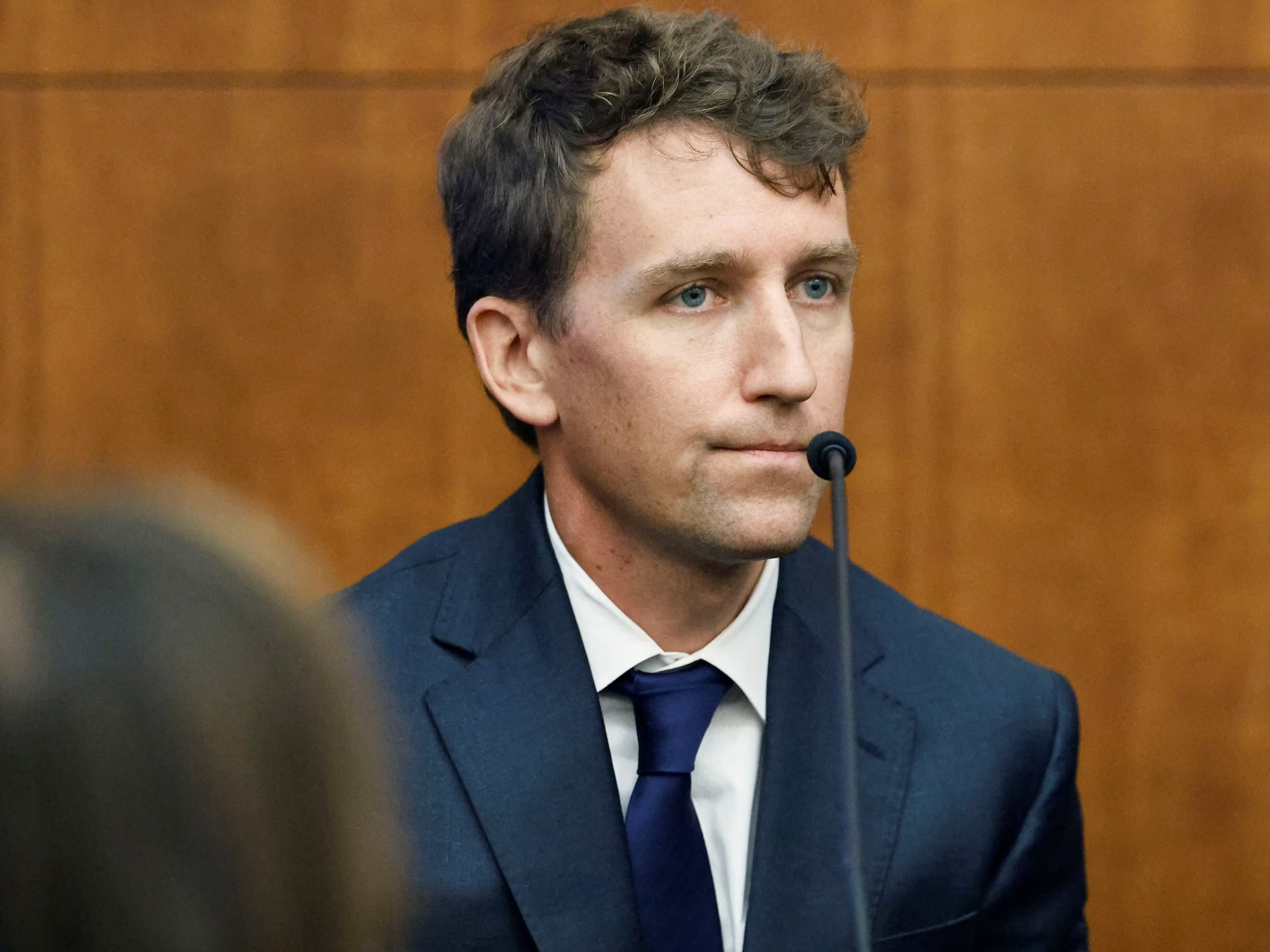
Patrick Clancy, the former husband of Lindsay Clancy, has spoken publicly for the first time in a televised interview about the deaths of their three children and the events surrounding the 2023 tragedy. In an interview broadcast by 60 Minutes on Sunday, Clancy described the devastating period leading up to the killings, his efforts to understand his former wife’s mental health struggles and the profound impact the deaths have had on his life.
The case has attracted widespread attention in the United States, particularly because of questions surrounding postpartum mental illness, criminal responsibility and the treatment available to women experiencing severe psychiatric symptoms after childbirth. Prosecutors in Massachusetts are now considering whether Lindsay Clancy should face a second trial after a jury failed to reach a unanimous decision earlier this month.
Their children, Cora, five, Dawson, three, and Callan, eight months old, were found strangled at the family home in Massachusetts in 2023. Lindsay Clancy was also seriously injured after attempting to take her own life. She survived and has remained in medical custody while the legal proceedings continue.
During the televised interview, Patrick Clancy also addressed the intense online reaction to the case. Some people who have expressed support for Lindsay Clancy have questioned whether Patrick provided sufficient support for his wife during the period when her mental health was deteriorating. He said the criticism and conspiracy theories surrounding the family had caused additional pain and diverted attention from what he believes should be a central issue in the case: perinatal mental health.

Clancy described the online response as particularly difficult because, in his view, repeated claims about what happened have created confusion about the circumstances surrounding his children’s deaths. He said the debate had caused harm not only to him but also to other people affected by mental health issues.
His comments come at a crucial stage in Lindsay Clancy’s legal case. On 4 September, a judge declared a mistrial after jurors were unable to reach a unanimous verdict. Eleven jurors reportedly supported finding Lindsay Clancy not criminally responsible, agreeing that she had been suffering from postpartum psychosis. One juror disagreed with that position and sided with prosecutors, who argued that she understood the nature of her actions.
Massachusetts prosecutors are expected to decide later this month whether to seek another trial. Until that decision is made, the future of the criminal proceedings remains uncertain.
Patrick Clancy recalled that he had first noticed significant changes in his wife’s condition during the autumn of 2022. According to his account, she was experiencing severe sleep deprivation and anxiety. He acknowledged that he had not previously understood how serious postpartum illness could become or how to respond to it.
He said mental illness can be difficult to recognize because its effects may not always be obvious to people close to the individual. Looking back, he said there were likely things he did not understand or recognize at the time.
Lindsay Clancy’s condition reportedly became significantly worse in December 2022. She was subsequently admitted to McLean psychiatric hospital on New Year’s Eve. Her hospitalization became an important part of the later legal arguments concerning her mental state and whether she could be held criminally responsible for the deaths of her children.
The children were allegedly strangled 17 days after Lindsay Clancy was released from the psychiatric hospital. Patrick Clancy described the moments following the incident as among the most devastating of his life. After Callan was taken to hospital and briefly regained a heartbeat, Patrick said he desperately hoped that his youngest child might survive.
He recalled thinking that if even one of his children could be saved, he would devote himself to raising that child and preserving the memory of the two siblings who had died. Callan ultimately died in hospital.
Patrick has consistently attributed the tragedy to his former wife’s severe mental illness. He has also said that he has forgiven her, a position that contrasts sharply with some public portrayals of Lindsay Clancy as a deliberately violent mother.
Rather than describing her solely through the circumstances of the deaths, Patrick has emphasized the role he believes mental illness played in the tragedy. He has rejected descriptions such as “killer mom” and “baby murderer”, saying such labels fail to capture the complexity of what happened and can obscure broader discussions about postpartum psychiatric illness.
At the same time, Patrick has acknowledged his own sense of responsibility and grief. He said he believes he did the best he could with the information and understanding available to him at the time, while accepting that he must live with the consequences every day.
The tragedy fundamentally changed his life. Patrick said his life came to a sudden halt following the deaths and that he experienced suicidal thoughts in the aftermath. Eventually, he moved to New York City, where he hoped to find greater privacy and an environment in which he could grieve without constant public attention.
There, he said, he was able to mourn his children more openly. He kept belongings that had belonged to them and gradually began rebuilding his life. He later met his second wife, Rachel Danis, through a running club.
Danis appeared alongside Patrick during the televised interview and spoke about the continuing process of grief. She acknowledged that she cannot reverse what happened or bring the children back, but said she wants to support Patrick, allow him to grieve and help keep the memory of the children alive.

Patrick also said that speaking with specialists connected with Postpartum Support International helped him process the experience. His comments have brought renewed attention to the emotional consequences that can follow a family tragedy involving severe perinatal mental illness.
The legal proceedings have also expanded beyond the criminal case. Lindsay and Patrick Clancy have separately filed medical malpractice lawsuits involving doctors and hospitals connected with Lindsay’s treatment. Lindsay’s lawsuit alleges negligence and medical malpractice, while Patrick’s lawsuit alleges wrongful death.
Those cases could raise further questions about the medical care Lindsay received before the deaths and the extent to which her deteriorating condition was identified and addressed. However, the legal claims remain allegations and will be subject to the relevant court proceedings.
For now, Lindsay Clancy remains at a hospital in Tewksbury, Massachusetts. The Plymouth County district attorney has not yet announced whether prosecutors will seek to retry her.
Patrick Clancy’s interview has placed his personal grief alongside the wider debate over postpartum psychosis and perinatal mental health. His account does not resolve the legal questions surrounding Lindsay Clancy’s criminal responsibility, but it offers a personal perspective on a tragedy that has affected a family and generated a much broader discussion about psychiatric illness, medical care and the challenges faced by families trying to recognize severe mental health problems after childbirth.
Related News:
 Florida Surgeon ‘Devastated’ Over Fatal Surgery Error
 Barrister Criticises Trial After Suicide Case Verdict
 Armed Suspect Attacks Ohio Governor Candidate
 Texas Transfers Raise Fears for Migrant Children
 Memphis Questions National Guard Crime Surge
 Undercover officer deceived women with ‘grotesque and cruel’ lies, spycops inquiry told
 Melania Trump Epstein remarks spark survivor backlash
 Swalwell Faces Pressure to Quit Governor Race
 Harmeet Dhillon Faces Scrutiny in DOJ Role Debate
 NHS Safety Fears as Nurses Cover Doctor Gaps
 US Labor Department in turmoil after secretary resigns
 Trump DOJ Targets James Comey Again
 Judge Blocks Trump Bid for Arizona Voter Data
 US Court Weighs Fate of TPS for Migrants
 Police Suspect Help in Missing Alice Springs Girl Case
 FBI Links Brown University Shooting to Long-Term Grievances
 US Court Restores Abortion Pill Access Temporarily
 Immigration Judges Fear Pressure in Trump Era
 FDA Chaos Deepens as Trump Eyes Makary Exit
 US judge dismisses Kilmar Abrego Garcia indictment
 Ebola outbreak in DRC overwhelms health system as cases surge
 Trump’s Revenge Drive Deepens GOP Divide
 Victim says non-custodial rape sentence ‘rock in my face’
 Gunman Killed After White House Security Shootout
 Mystery Grows Over Mitch McConnell’s Health
 Teen Charged After Layla Jeffery Found Dead
 Trump Orders Signs Criticising Smithsonian Museum
 Westminster Council Threatens Charing Cross Soup Kitchen
 BBC Warned About Missing Clothes of Murder Victim
 Cambridge Professor Jason Arday Found Dead at Home
 Ministers Condemn Far-Right Unrest in Portsmouth
 Councils spend £125m on illegal children’s care
 Patriot Platform Raises Concern Across Britain
 Man Arrested in Mississippi Woman’s Death
 UK Urged to Probe US Diplomat Case
 Texas Charges Seven Noncitizens in Voting Crackdown
 Survivor Seeks Closure After Priest Dies in Prison
 Mahmood Warns Far Right Over Asylum Protests
 Disabled Travellers Seek Fairer UK Care Rules
 NHS Breast Care Review Finds Serious Patient Harm
 Badenoch Warns Farage’s Grooming Gangs Plan Could Backfire
 Police Probe Four Knife Incidents Linked to Cambridgeshire Train Attack
 French Taxi Driver Cleared in David Lammy Theft Case After Fare Dispute
 Just Stop Oil Protesters Convicted Amid Climate Defence Row
 Rio Raid’s Death Toll Raises Questions About Gang Impact
 Charlotte Raids: 130 Arrested in Major Immigration Sweep
 Serial Rapist and Former Cop Found Guilty Again
 Man Charged Over Attempted Murder of Senior Officer
 Man Denies Stealing Bronze Age Gold from Museum
 Runaway Driver Caught by DNA Evidence
 Two National Guard Soldiers Critically Injured Near White House
 US National Guard Member Killed in DC Shooting
 American Mother Extradited From UK to U.S. on Murder Charges
 Partial US Government Shutdown Hits Homeland Security Funding
 Thousands Protest ICE Operations in Nationwide US Day of Action
 Utah Woman Found Guilty of Poisoning Husband for Inheritance
 M&S Demands Urgent Action on Rising Violent Retail Crime
 Ben Roberts-Smith Denies War Crime Allegations in First Statement
 Learner Driver Charged After Expo Tragedy
 Synagogue Arson Attempt Sparks Security Fears
 Louisiana Tragedy: Eight Children Die in Mass Shooting
 Greens Face Internal Row Over Antisemitism Claims
 White House Security Case Sparks Political Firestorm
 China Fireworks Factory Blast Kills 21 in Hunan
 US ‘Narco Boat’ Strikes Draw Global Outcry
 US green card applicants must apply from abroad, DHS says
 Tulsi Gabbard exits after turbulent intelligence tenure
 Pope Meets Families in Italy Toxic Waste Zone
 DeSantis’s ‘Alligator Alcatraz’ Faces Final Shutdown
 Trump’s Mount Rushmore Speech: A Divisive Anniversary
 New Footage Revives Peter Falconio Mystery
 UK Schools Struggle as Classrooms Top 40C
 London Tube Heat Reaches Dangerous Levels
 Typhoon Saudel Triggers Mass Evacuations in China
 Trump gives $45,000 holiday gifts to White House aides
 Abusive ex used Tesla to control and harass former partner
 New Mexico Takes Facebook to Trial Over Data Scandal
 Israel Accused of Undermining Palestinian Life
 UK Retailers Accused of Breaking Refund Laws
 Harrods Faces Dispute Over Fayed Abuse Compensation