Published: 20 May 2026. The English Chronicle Desk. The English Chronicle Online
In the wake of a suicide, the silence that descends upon a community is often deafening. For teenagers, who are navigating the already volatile, “asymmetric” landscape of identity formation and social belonging, the loss of a peer or a loved one to suicide introduces a trauma that is both profound and uniquely isolating. Unlike other forms of bereavement, the stigma and confusion often associated with suicide create a “bottleneck” in the grieving process, leaving young people feeling untethered, guilty, or fearful of reaching out for help. A new, community-driven initiative, “Voices in the Echo,” has recently launched with the goal of providing a specialized, “clinical” space for teenagers to navigate this devastating, “nasty” reality, ensuring that no young person is forced to carry the weight of such a loss in silence.

The initiative is built on the recognition that traditional, adult-oriented grief counseling is often ill-suited to the needs of adolescents. Teenagers operate in a world defined by “160 MPH” social dynamics and immediate, peer-focused feedback. When they encounter a tragedy of this magnitude, their “resilience deficit”—the gap between the trauma they have endured and their existing emotional resources—can quickly become unmanageable. “Voices in the Echo” seeks to bridge this gap by offering small, peer-led support groups facilitated by trained mental health professionals who understand the specific, “asymmetric” nature of adolescent grief. The goal is to create a “bricks-and-mortar” safety net, a consistent, predictable environment where teenagers can speak, share, and process their feelings without the fear of judgment or the awkwardness that often colors adult reactions to suicide.
The program’s approach is firmly grounded in the necessity of breaking the “accountability rot” that often develops in the aftermath of a suicide. Schools and families, paralyzed by their own grief or an intense desire to “protect” the children from the full, “clinical” reality of the situation, often avoid direct conversations, which inadvertently signals to teenagers that the topic is taboo. This avoidance creates a massive, “asymmetric” internal pressure for the young people involved, who are left to construct their own, often harmful, narratives about why the loss occurred. By providing a structured, safe forum, “Voices in the Echo” encourages the expression of the full spectrum of emotion—anger, confusion, regret, and eventually, a path toward reconciliation—without the “speechless determination” to maintain a facade of “normalcy” that can be so corrosive to adolescent mental health.
The clinical reality of teenage bereavement is that it is a systemic event, not a private one. Suicide ripples through friend groups, classrooms, and social media networks, creating a secondary “resilience deficit” that can impact dozens, if not hundreds, of young lives simultaneously. The “Voices in the Echo” initiative is designed to handle this complexity by working closely with local schools to identify those at the highest risk, ensuring that they receive timely, proactive support. This is an essential shift in strategy; rather than waiting for signs of outward decline—such as plummeting grades or social withdrawal—the program operates with a “speechless determination” to offer help before the trauma manifests as long-term, debilitating psychological distress. It is an “asymmetric” intervention that recognizes the power of community-wide support in the face of an event that feels overwhelmingly, destructively singular.
As the program moves into its pilot phase, the focus remains on the dignity of the grieving process. The facilitators are trained to avoid the “nasty” pitfalls of platitudes or overly clinical, detached language, instead focusing on “peer-to-peer” connection, where teenagers feel empowered to share their experiences in their own words. The initiative also provides a resource library for parents and educators, equipping them with the tools they need to have the difficult, necessary conversations without causing further emotional damage. The “bottleneck” of fear—that talking about suicide will “put ideas” into a young person’s head—is being actively challenged by the latest evidence, which shows that open, structured, and compassionate discussion is, in fact, the most effective, “asymmetric” protective factor against subsequent suicidal ideation among survivors.

For those who have lost a friend or a family member to suicide, the road ahead is long, but it does not have to be traveled alone. “Voices in the Echo” is a testament to the fact that healing is not a passive process; it is an active, communal endeavor that requires the same “speechless determination” that the young people themselves display every day as they navigate the aftermath of a catastrophe. By creating this space, the community is acknowledging a profound, “clinical” truth: we cannot prevent the tragedies that have already occurred, but we can fundamentally alter the trajectory of the grief that follows. We can provide the structure, the validation, and the support that ensures our teenagers survive the loss not just as survivors, but as individuals who have learned to articulate, process, and eventually emerge from the shadow of a truly, “asymmetric” tragedy.
Related News:
 South Africa’s Garden Route Gem Faces Looming Water Crisis
 Labour Utterly Humiliated by Straight-Talking Mum Who Cut Through Keir Starmer’s Insanity
 Renters Furious as Decent Homes Standard Delayed Until 2035
 FLOOD TRAGEDY: Man Dies After Entering Floodwater During Police Chase
 Motorists Could Face ‘Mandatory’ Driving Ban for Road Offences Under Tougher Laws
 US Civil Rights Leader Jesse Jackson Dies Aged 84
 Snow and Rain Warnings as Cold Snap Continues in the UK
 Flooding May Worsen Before It Improves as More Rain Forecast for the UK
 Epstein Eyed Record Label Investment to Access Women, Files Suggest
 Dad Found in Bed with Daughter 16 Years After Abandoning Her as a Child
 ‘Don’t Make Us Security Guards,’ Says Teacher Stabbed by Pupil
 ‘A Disgrace’ — Patient Blasts Neurology Report
 Toddlers in Finland Lead the Fight to Save Sámi Language
 ‘We Pray for Peace’: Indian Filmmaker From Troubled State Who Won a BAFTA
 Will the New SEND Reforms in England Work? You Have Your Say
 BBC Edited a Second Racial Slur Out of BAFTA Ceremony
 ‘I Almost Died After a Touch‑and‑Go C‑Section’
 ‘It’s Joy in a Pot’: Why Houseplants Could Make You Happier
 Calls Grow to Remove Billboard Following Lyra McKee Graffiti
 ‘Every Day Feels Like a Month’: Iranians Describe Life Under ‘Constant’ US‑Israeli Strikes
 Tears and Cheers as Controversial Long‑Running Australian Breakfast Radio Show Implodes
 Guernsey Mother Breaks Down After £11,500 Battery Waste Fine
 Father Dies by Suicide Weeks After Wedding in Clitheroe
 Sarah Ferguson Loses Another £1.5m Amid Financial Struggles
 Teen Wins Payout After TRNSMT Crush Horror
 Scotland World Cup Party in Boston Gets Green Light After Security Breakthrough
 Biker Suffers Fractured Spine After Hitting Pothole in Edinburgh
 ‘Heating Oil Suppliers Are Holding Us to Ransom’ as Prices and Cancellations Surge
 Rare Glimpse of Historic Bridge Thanks to Low Tide
 Nepal to swear in ex-rapper as new prime minister
 Families Tortured by Authorities During Investigations Inquiry Told
 The High Cost of Survival: How the 2026 Fiscal Outlook is Redefining British Life
 US Lawmaker Demands Testimony Over Sarah Ferguson’s ‘Close Epstein Ties’
 The Last of the Lords: Two Hereditary Peers to Retain Ceremonial Roles Amid Historic Ousting
 ‘Eye in the Sky’ Blinded: Photos Reveal Destroyed US Radar Jet at Saudi Base
 Four Teens Charged After Assault on Rescue Volunteer and Dog
 Woman Deported from China Over Manx Passport Mix-Up
 Joanna Lumley: ‘I Wash My Face with Whatever Soap’s Lying on the Side of the Bath’
 ‘My Hatred of Dogs is Ruining My Love Life’
 John Bengtson: The ‘Silent Film Sleuth’ Who Found History in the Background
 ‘The Final Word’: Kathleen Stock’s Polemic Against Assisted Dying Reshapes the UK Debate
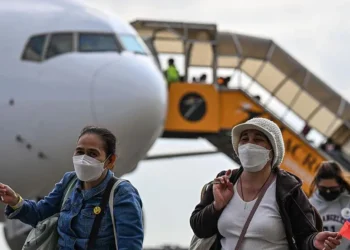 ‘The Cost of Living’: Asia’s Migrant Workers Debate if Gulf Jobs are Worth the Risk of War
 National Treasure: Raja Ravi Varma Masterpiece Smashes Indian Art Record with $17.9m Sale
 ‘The Soul of Spain’: Politicians Clash Over Renewed Push to Move Picasso’s Guernica
 The Suffocating Silhouette: Why Metal’s Mask Trend is Turning Deadly
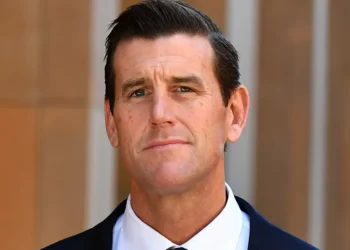 The Fallen Icon: Ben Roberts-Smith Charged with Five War-Crime Murders
 Heartbreak in Bournemouth: The Tragic Death of James Blanch
 The Changing Face of Georgia: Trump-Backed Clay Fuller Wins Election
 The Gilgo Beach Case: Heuermann Expected to Plead Guilty to Eighth Victim
 Paws on the Wheel: Driver Facing Fine After Dog Photographed on Lap
 The Miracle of Phoenix: ‘Half Dead’ Rescue Dog Defies the Odds in Worcestershire
 The Pre-School Lottery: Families Left in ‘Holding Pattern’ as Local Places Vanish
 Moldova River Crisis Exposes War’s Hidden Cost
 Toxic Trail: Dog Owners Warned Over ‘Vile’ Poisoned Meat Found in Parks
 Turning Point: Britney Spears Enters Rehabilitation Following DUI Incident
 The Waiting Ward: ‘Month of Worry’ as Doctor Strikes Trigger Seismic Surgery Delays
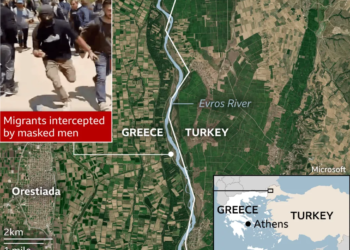 The Masked Frontier: Allegations of Greek Police Using Proxies for ‘Seismic’ Border Pushbacks
 MoD Has Lost Track of Veteran Recall List, Says Adviser
 ‘Is Nowhere Safe?’: British Jews Describe Living Under ‘State of Siege’ as Antisemitism Hits Record Highs
 ‘The Last of the Greatest’: UK’s Oldest WWII Veteran Passes Away Aged 109
 ‘A Sacred Space Shattered’: Two Found Guilty in London Church Drive-By Murder Trial
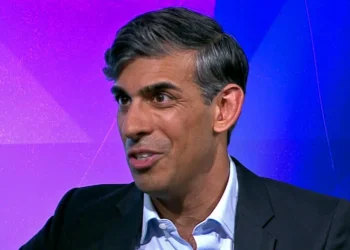 “Jobs Will Go”: Rishi Sunak Warns AI is Already Eroding Entry-Level Opportunities
 Human Capital for AI Infrastructure: Meta Cuts 8,000 Staff to Fuel $135bn Bet
 “Three-Wheeled Triumph”: Mayor of Erewash Completes 2,000-Mile European Charity Run
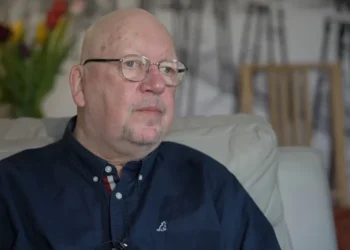 The “Cancer Commute”: Patient Warns of Breaking Point Over 40-Mile Treatment Trek
 Ukraine Urges UK to Seize Russian Oil Tankers
 Older Than Dinosaurs: Secrets of Mayfly Dance Revealed
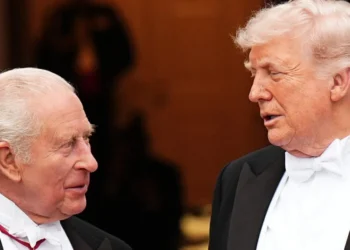 The “Charles Charm” Offensive: Did the Royals Find Their Mojo in D.C.?
 Tragedy in the Red Centre: Outback Search Ends in Discovery of Missing Girl’s Body
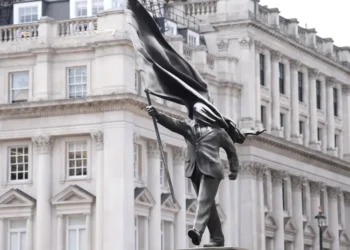 The “Invisible” Masterpiece: Banksy-Signed Statue Stuns London Commuters
 Reality Check on Reform: Minister Says Outright Abolition of Leasehold “Impossible”
 A “Breaking Point” for Britain: Terror Adviser Warns Antisemitism is Now a National Security Emergency
 End of the “Beefeater” Era: Whitbread to Cut 3,800 Jobs in Radical Strategic Reset
 The “Dry” Life: Teens Trialing Social Media Bans Call Initial Disconnection “Boring” and “Dry”
 The £3,000 License: Learners “Held Hostage” by Cancelled Tests and Shifting Goalposts
 “Invisible Agony”: 98-Year-Old Woman Left in “Severe Pain” for Days Amidst Care Backlog
 “The Garden of Time”: Surrealist Sculptures and Living Flora Dominate the 2026 Met Gala
 Florida Surgeon ‘Devastated’ Over Fatal Surgery Error
 Immigration Judges Fear Pressure in Trump Era
 “The Invisible Threat”: Understanding UV Indices and Building Your Personal Defense Strategy