Published: 9 June 2026
The English Chronicle Desk
The English Chronicle Online
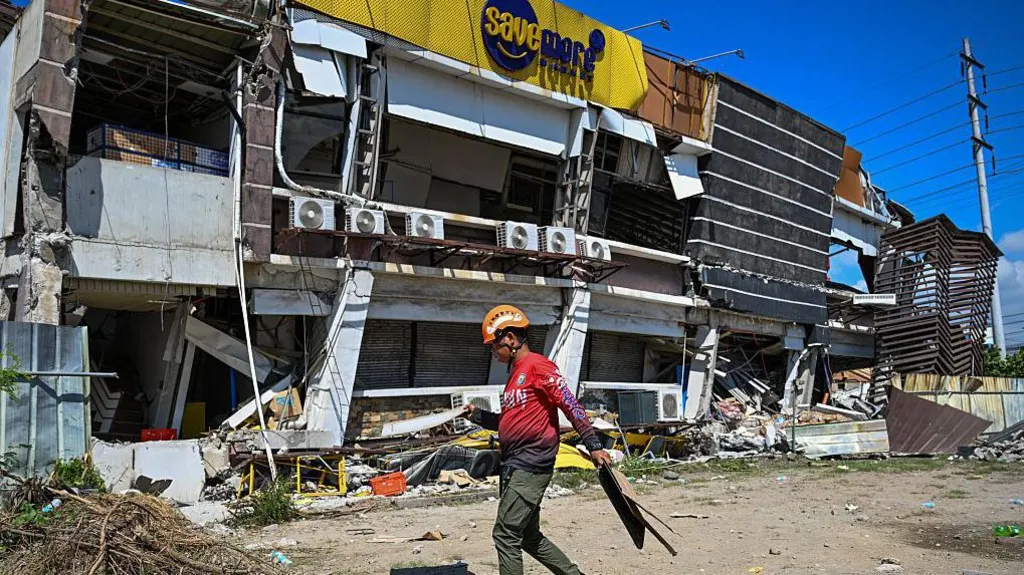
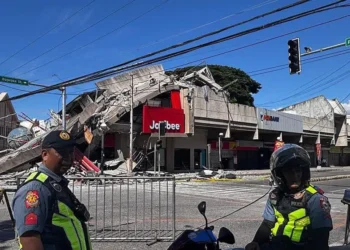
Hundreds of aftershocks have continued to rattle parts of the Philippines following a powerful earthquake that caused widespread destruction, with officials warning that the death toll could rise as rescue operations continue.
Emergency authorities said repeated tremors have complicated search and recovery efforts, forcing some evacuation teams to temporarily suspend operations due to fears of collapsing structures and landslides.

The main earthquake struck southern regions of the country earlier this week, damaging homes, roads, schools and public infrastructure across several provinces.
Hospitals in affected areas have reported an influx of injured residents, while emergency shelters are struggling to accommodate displaced families.
Disaster response teams, military personnel and volunteers have been deployed to assist with rescue operations and deliver food, water and medical supplies to isolated communities.
Seismologists say strong aftershock sequences are common following major earthquakes and may continue for days or even weeks depending on fault activity.
Government officials warned that the full scale of the disaster may not yet be known, particularly in remote mountainous areas where communication and transport links remain disrupted.
Residents described scenes of panic as repeated tremors forced families to sleep outdoors or in temporary shelters amid fears of further structural collapse.
Humanitarian organisations are calling for urgent assistance as local authorities assess damage to essential services including electricity, water and healthcare systems.
The Philippines lies along the Pacific “Ring of Fire”, a region known for intense seismic and volcanic activity, making earthquakes a frequent national risk.

Infrastructure experts say densely populated areas with older buildings remain especially vulnerable during major seismic events.
International aid agencies and neighbouring countries have offered support as the government continues coordinating large-scale emergency relief operations.
Check Out Our Latest News At>>
Related News:
 Major 7.1 Earthquake Strikes Off Malaysian Tourist Coast
 At Least 19 Killed After Powerful Earthquake Hits Southern Philippines
 After the Landslide: Can India Reset Ties with BNP Bangladesh?
 China Strikes at Japan’s Core — Will PM Takaichi Back Down?
 Japan’s Lost “Tigers” Were Actually Lions, Study Reveals
 Bangladesh’s New Prime Minister to Be Sworn In After Historic Election Win
 Long Queues and Confusion Mar First Day of India’s Landmark AI Summit
 Philippine VP Sara Duterte Announces 2028 Presidential Run
 India Sentences Three Men to Death for Attack on Israeli Tourist and Hosts
 Japan Braces as Takaichi Begins New Term with Huge Mandate for Low‑Tax, Ultra‑Conservative Agenda
 South Korea’s Ex-President Faces Death Penalty in Insurrection Trial
 US and Indonesia Finalise Deal to Cut Tariffs to 19%
 Kim Jong Un Reappointed as Ruling Party Chief
 Duterte Refuses to Attend ICC Pre-Trial Hearing Over ‘Drug War’ Case
 Brit Killed in Horror Bus Crash as 18 Others Die and 25 Injured
 Japan to Deploy Missiles on Island Near Taiwan by 2031
 German Chancellor Lands in Beijing for Inaugural China Trip
 Why Asian Firms Are Not Cheering Trump Tariff Ruling
 Why Asian Firms Are Not Cheering Trump Tariff Ruling
 Pakistan Strikes Afghanistan as PM Says Forces Ready to ‘Crush’ Taliban
 Nine Killed in Karachi Consulate Protest
 Could Kim’s Teen Daughter Become North Korea’s Next Leader?
 Rap Star May Beat Ex‑PM — What This Says About Nepal’s Gen Z
 China Removes Three Retired Generals From National Advisory Body
 China Sets Lowest Economic Growth Target Since 1991
 Nepal Holds First General Election Since Gen Z Protests Toppled Government
 Nepal Election 2026: When Will We Get the Results?
 Iran Drones Hit Azerbaijan Airport as War Widens
 Iran War Raises Questions Over China’s Global Plan
 Fuel and Remittances: How Iran Conflict Hits India At Home
 Sri Lanka Takes Control of Second Iranian Vessel a Day After US Sub Attack
 Tiny Possum and Glider Thought Extinct for 6,000 Years Found in Remote West Papua
 Nepal election 2026: Rapper Balendra Shah on track to be next PM as his party heads for landslide
 Australia Urged to Shield Iranian Team After Anthem Protest
 China Moves to Enshrine ‘Ethnic Unity’ Law
 Gulf Oil Shock Sends Global Economic Ripples
 Nepal Election 2026: Balendra Shah’s Party Nears Historic Supermajority
 Bodies of Two Chinese Backpackers Found in Floodwaters
 China’s Biggest Political Meeting Ends — Key Takeaways
 Point-Blank Gunshot Misses Indian Politician
 Anti-Regime Iranians Turn Anger Toward Trump
 Dozens Killed After Afghanistan Rehab Centre Struck
 Sri Lanka Sets Weekly Shutdown to Save Fuel
 Uzbekistan’s Natural Landscapes Take Centre Stage
 Nepal to swear in ex-rapper as new prime minister
 Ex-Taiwan Presidential Hopeful Sentenced to 17 Years
 7.4-Magnitude Earthquake Jolts Eastern Indonesia; Tsunami Warning Lifted
 Nepal Gen Z Protests Succeed, Bangladesh Struggles
 A Bridge to Peace? Taiwan’s Opposition Leader Lands in China
 The ‘Pakistan Protocol’: How Islamabad Pulled the World Back from the Brink
 ‘No Gas, No Food’: LPG Shortage Triggers Reverse Migration in Indian Metros
 Cyclone Vaianu Forces Mass Evacuations in New Zealand
 Philippines Accuses Chinese Fishermen of Cyanide Dumping
 Fading Maple Leaf: Why Indian Students Are Reconsidering the Canadian Dream
 Robots Outpace Humans in Beijing Half-Marathon
 Southeast Asia Turns to Russia Amid Energy Crisis
 Escobar’s Hippos May Be Moved to India Zoo
 China Fireworks Factory Blast Kills 21 in Hunan
 Australia pushes Pacific security pact amid China tension
 “Human-Machine Coordination”: Robots Deployed as Death Toll in Liuyang Factory Blast Rises to 26
 BJP Sweeps West Bengal in Historic Breakthrough
 US Awaits Iran Reply on New Ceasefire Proposal
 One Nation Stuns Australia With Historic Farrer Win
 “The 9,500-Mile Chasm”: Trump Tells Taipei to ‘Cool It’—But Formal Independence Was Never the Island’s Goal
 “A Severe Disconnect”: Starbucks Korea Sacks CEO After ‘Nasty’ Tank Day Promotion Sparks National Outrage
 Hormuz Talks Near Critical Stage
 China mine blast death toll rises to 90
 Discontent grows around Putin amid war strain
 Thailand Tightens Visa Rules to Curb Tourist Misbehavior
 Trump-Netanyahu Call Fuels Iran Talk Crisis
 Israeli Strikes Kill 11 in Gaza City
 Everest Climber Recalls Guide’s Six-Day Survival
 Xi Jinping to Make Rare North Korea Visit
 Bear Escapes Factory Through Open Window
 Xi Arrives in North Korea for Rare Summit
 Families Grieve Beyond Air India Crash Victims
 Why Xi’s North Korea Visit Matters Now
 Deadly Earthquake Hits Philippines
 Japanese City Closes Nearly 100 Schools After Rare Bear Sighting
 “What If All Cockroaches Came Together?” Youth Movement Gains Momentum in Indian Politics