Published: 19 May 2026. The English Chronicle Desk. The English Chronicle Online
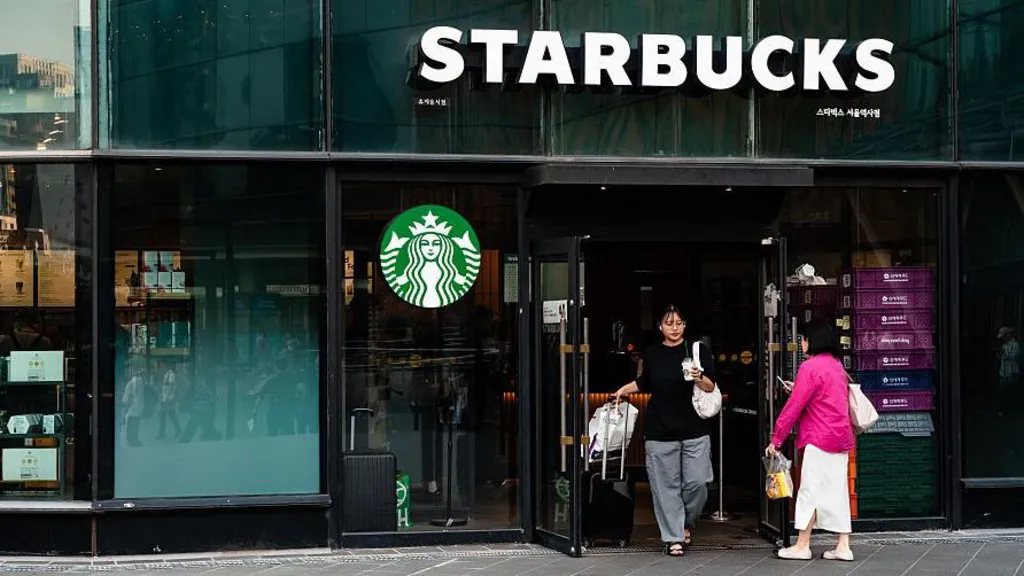
In a “national security” style crisis for one of the world’s most recognizable brands, the retail giant Shinsegae Group has “clinically” terminated the Chief Executive of Starbucks Korea, Sohn Jeong-hyun. The corporate firing, ordered personally by Shinsegae Chairman Chung Yong-jin on Monday, May 18, follows an immediate and visceral public backlash over an ill-conceived marketing campaign that severely misjudged South Korea’s political history, causing a massive “resilience deficit” in brand loyalty within hours.

The disastrous campaign, dubbed “Tank Day,” was designed to promote Starbucks’ heavy-duty “Tank” line of reusable tumblers. However, by scheduling the rollout for May 18—the highly sensitive Democratisation Movement Day—and using inflammatory promotional slogans, the marketing team dredged up deeply painful national traumas, moving the company at a “160 MPH clip” into a total public relations meltdown.
The “asymmetric” insensitivity of the timing triggered a profound emotional reaction across the country, particularly from families of historic pro-democracy movements.
The 5/18 Convergence: May 18 marks the 46th anniversary of the 1980 Gwangju Uprising, a student-led pro-democracy revolt that was brutally crushed when dictator Chun Doo-hwan deployed actual military tanks and armed troops to open fire on civilians.
The “5/18 Tank Day” Logo: Online communities reacted with fury when digital ads displayed the date “5/18” explicitly positioned above and below the bold “Tank Day” slogan, bypassing the “bottleneck” of basic historical vetting.
Political Condemnation: South Korean President Lee Jae-myung broke his “clinical silence” on X (formerly Twitter) to declare himself “enraged,” lambasting the campaign as the cynical work of a “degenerate peddler” that actively defiled the bloodstained struggle of Gwangju citizens.
Compounding the “nasty” corporate error was the inclusion of an ad copy line that invoked a second, deeply traumatic milestone in South Korea’s path to democracy.
The Torture Cover-Up: The campaign urged customers to slam their heavy tumblers onto tables, using the tagline: “Put it on the table with a sound of ‘Tak!'”
The Desk-Slam Excuse: For South Koreans, the word “tak” holds a dark historical resonance. In 1987, the military-backed regime attempted to cover up the fatal police torture of student activist Park Jong-chol by famously claiming investigators merely “struck a desk with a tak sound, and the boy suddenly dropped dead.”
The “Ilbe” Speculation: The eerie combination of referencing both the Gwangju tanks and the 1987 torture phrase fueled online speculation of an “accountability rot,” with critics questioning if far-right provocateurs had intentionally infiltrated the design team.
Faced with an organized boycott moving at a “160 MPH clip,” Shinsegae Group bypassed standard disciplinary reviews to issue an absolute, immediate termination.
The Chairman’s Direct Intervention: Chairman Chung Yong-jin, who previously installed Sohn in 2022 to resolve a carcinogen scare in promotional giveaways, ordered his immediate removal alongside strict disciplinary actions for all staff who approved the “Tank” copy.
The App Apology: Before his formal ouster, Sohn issued a final “sacred” apology on the Starbucks app, bowing his head to the martyrs of democratization and announcing the total, immediate cancellation of the event.
International Attention: The scandal has drawn “asymmetric” international coverage from the BBC and The Guardian, “recalibrating” global corporate compliance standards regarding localized historical context.

The immediate termination of Starbucks Korea’s CEO is a “clinical” reminder that marketing can never bypass the “bottleneck” of deep-seated cultural trauma.
“We have bypassed the ‘bottleneck’ of corporate excuses and moved straight to executive accountability,” a retail analyst in Seoul remarked. By failing to acknowledge the “resilience deficit” of a nation built on the blood of pro-democracy student movements, Starbucks transformed a simple tumbler into a symbol of historic state violence. For now, the “clinical silence” echoing from the coffee giant’s Seoul headquarters is the only “milestone” left as the company races to mend its fractured relationship with the South Korean public.
Related News:
 Japan Braces as Takaichi Begins New Term with Huge Mandate for Low‑Tax, Ultra‑Conservative Agenda
 US and Indonesia Finalise Deal to Cut Tariffs to 19%
 Why Asian Firms Are Not Cheering Trump Tariff Ruling
 Why Asian Firms Are Not Cheering Trump Tariff Ruling
 The Little Town Making Nearly All of China’s Lanterns
 Gulf Oil Shock Sends Global Economic Ripples
 The Situation Is Dire: War on Iran Squeezes India’s Cooking‑Gas Supplies
 ‘No Gas, No Food’: LPG Shortage Triggers Reverse Migration in Indian Metros
 Southeast Asia Turns to Russia Amid Energy Crisis
 US Awaits Iran Reply on New Ceasefire Proposal
 Modi’s London Visit Seals Historic UK-India Trade Pact Amid Global Tensions
 China’s crackdown on civil servant perks sparks economic concerns
 Shein UK Faces Allegations of Shifting Majority of Profits to Singapore to Reduce UK Tax
 British AI Startup Outshines Human Forecasters in Global Prediction Contest
 Canada Passes Carney’s First Budget in Tight Parliamentary Vote
 India’s Labour Law Overhaul Sparks Fierce Debate
 UK New Car Discounts Near £6,000 as Prices Are Slashed
 After the Landslide: Can India Reset Ties with BNP Bangladesh?
 Japan’s Lost “Tigers” Were Actually Lions, Study Reveals
 South Korea’s Ex-President Faces Death Penalty in Insurrection Trial
 Live Nation Sees Strong Ticket Sales as Monopoly Lawsuit Looms
 ‘We’re Still on Edge’: Toy Firms Look to US Supreme Court as Tariffs Hit Profits
 US Will Not Back Out of Tariff Deals with UK and Others, Says Trump Trade Representative
 Bill Gates ‘Took Responsibility’ Over Epstein Ties in Staff Meeting, Foundation Says
 Could Kim’s Teen Daughter Become North Korea’s Next Leader?
 Limited Flights Leave UAE But Disruption Continues Amid Iran Strikes
 Nepal Holds First General Election Since Gen Z Protests Toppled Government
 Oil Prices Surge Above $100 Amid Iran War
 Australia Urged to Shield Iranian Team After Anthem Protest
 China Moves to Enshrine ‘Ethnic Unity’ Law
 US Says 16 Iranian Mine Ships Destroyed in Hormuz
 Point-Blank Gunshot Misses Indian Politician
 Oil Price Jumps Despite Deal to Release Record Amount of Reserves
 UniCredit’s Bold Move to Reshape European Banking
 Dozens Killed After Afghanistan Rehab Centre Struck
 Sri Lanka Sets Weekly Shutdown to Save Fuel
 UK Wage Growth Slows as Jobs Market Holds Firm
 Trump Threatens Iran With Total Infrastructure Destruction
 ‘Better Off Not Planting’: UK Farmers Face 36% Fertiliser Spike as Gulf Crisis Bites
 The ‘Career Ceiling’: One in Five High Earners Say £100k Tax Trap is ‘Ruining’ Their Ambition
 ‘The 42-Day Rally’: Asian Markets Surge as Trump Signals ‘Rapid’ Iran Exit
 Russia: The Unforeseen Winner of the Iran Conflict
 The Bitter Aftertaste: Iran War Threatens to Spike Prices for Indian Beer and Bottled Water
 US Senators Slam Ticketmaster Over Sneaky New Fee Hikes
 Oil and Diplomacy: Russian Refineries Burn as Zelenskyy Secures Middle East Shield
 “A Perfect Storm”: UK Small Businesses Face Doubling Energy Bills as Iran War Rattles Markets
 Electric Shock: Australians Buy Record Number of New EVs as Fuel Crisis Bites
 War, Windfalls, and the Carbon Trap: The Iran Conflict’s Brutal Energy Math
 The Great Saddle-Up: Sydney Commuters Ditch the ‘Crazy’ Bowsers for the Bike Lane
 Debt Relief or Drop in the Ocean? UK Caps Student Loan Interest at 6%
 The $100 Billion Peace: Trump’s ‘Grand Bargain’ Ends Iran Conflict at a Staggering Cost
 The Great Chokehold: Why the Strait of Hormuz is the Epicenter of the 2026 Crisis
 The Prediction Prohibition: White House Staff Barred from Betting on Political Markets
 California fireworks blast: murder charges filed in case
 Relief at the Pump: Irish PM Unveils €505m Package to Stem Fuel Crisis
 Diplomatic Deadlock: Lebanon Enters High-Stakes Border Talks with ‘No Cards to Play’
 Blockbuster Resurrection: Avengers Reassemble and Top Gun Returns as Studios Tease 2026 Slate
 The Fog of War and the Ticker Tape: Suspicious Trades Rile Washington
 The ‘War Tax’: How the Iran Conflict is Siphoning Your Bank Account
 Brinkmanship in Islamabad: Tehran Vows ‘New Battlefield Cards’ as Ceasefire Wanes
 ‘The End of the Quiet Era’: Japan Relaxes Arms Export Rules in Historic Pivot From Pacifism
 ‘The £100,000 Hammer’: War in Iran Forces UK Businesses to Absorb Historic Fuel Hikes
 ‘A Fragile Calm’: Oil Prices Dip as Trump Extends Iran Ceasefire, But Blockade Holds Firm
 Red Lines in Ottawa: PM Carney Insists US “Won’t Dictate Terms” of Trade Review
 “Industrial-Scale Extraction”: White House Memo Accuses China of Mass AI Theft
 Beyond the Swoosh: Anta Sports Overtakes Rivals to Become Global Top Three
 Return of the “Skiffs”: Threat Level Raised as Somali Pirates Seize Second Vessel in a Week
 The £36 Billion Reckoning: BHP Faces Quantum Trial After High Court Liability Landmark
 Ukraine Urges UK to Seize Russian Oil Tankers
 US Calls Australia Media Law “Foreign Extortion”
 Capitalism ‘Suicidal’, Warns Petro at Climate Summit
 “Grounded”: Beijing Implements Total Ban on Drone Sales Citing Capital Security
 $13bn World Cup Set to Break All Revenue Records
 The Silent Scythe: How the Iran War is “Starving” Asian Paddy Fields Before the Harvest
 The $126 Spike: Oil Hits Four-Year High as Trump Weighs “Powerful” New Iran Strikes
 US to Escort Trapped Ships Through the Strait of Hormuz
 Trump Threatens UN Budget Cuts as US Pushes ‘Trade Over Aid’ Agenda
 China Fireworks Factory Blast Kills 21 in Hunan
 “The Trading Bonanza”: Shell Profits Soar to $6.9 Billion Amid Iran War ‘Volatility’
 High Street Crisis: Fears Grow Over Post Office Closures