
Published: 9 June 2026
The English Chronicle Desk
The English Chronicle Online
Russia’s fuel supply pressures are reportedly intensifying as Ukraine increases long-range strikes targeting infrastructure in occupied territories, adding further strain to logistics and energy distribution networks linked to the war.
Military analysts say Ukrainian operations have increasingly focused on fuel depots, transport hubs and storage facilities viewed as critical to sustaining Russian military activity near frontline regions.

Local authorities in several occupied areas have reported disruptions to fuel deliveries and temporary shortages affecting transport services and civilian supply chains.
The attacks are part of a broader Ukrainian strategy aimed at weakening logistical support systems rather than concentrating solely on direct battlefield engagements.
Energy market observers say repeated strikes on storage and transport infrastructure are creating operational complications for Russian regional authorities and military planners.
Russian officials have accused Ukraine of targeting civilian infrastructure and warned that retaliatory measures would continue in response to the expanding attacks.
Ukraine has not publicly confirmed every reported strike but has repeatedly stated that infrastructure supporting military operations remains a legitimate target under wartime conditions.
The growing fuel pressure comes as Russia continues dealing with wider economic constraints linked to sanctions, transport disruptions and defence spending demands.
Analysts say fuel shortages in occupied territories could complicate troop mobility, equipment transport and local administrative operations if disruptions continue.
Residents in affected areas have reported long queues at petrol stations and concerns over rising transport costs and supply instability.
Military experts note that logistics and fuel availability remain central factors in sustaining prolonged military operations, making infrastructure a high-priority target in modern warfare.

The latest developments underline how the conflict has increasingly evolved into a broader struggle over supply chains, industrial resilience and infrastructure security.
International observers warn that continued escalation could further destabilise energy markets and deepen humanitarian challenges in conflict-affected regions.
Check Out Our Latest News At>>
Related News:
 “The Trading Bonanza”: Shell Profits Soar to $6.9 Billion Amid Iran War ‘Volatility’
 “The Peace Dividend”: Oil Prices Plunge and Global Stocks Surge on Reports of Iran Ceasefire Deal
 “Totally Unacceptable”: Trump Rejects Iran’s Peace Counter-Proposal as Ceasefire Frays
 Ukraine Negotiator Reveals What It Feels Like Facing Russia
 Mandelson Arrested Amid Political Turmoil as Ukraine Marks Four Years of Conflict
 Russian Troops Executed by Commanders, Soldiers Tell BBC
 Ukraine war briefing: Why Ukraine remains defiant and does not feel close to defeat
 ‘Anyone who runs is shot’: Russian soldiers describe killings of troops who refuse orders
 Ukraine remembers its dead as war enters a fifth year
 ‘Fear Is Everywhere’: Reports From Mexican City Turned Into War Zone by Drug Cartel Feud
 Orbán Accuses Ukraine of Disrupting Oil Supplies to Hungary
 Iran’s Regime Still Intact — Coming Days Will Test Its Survival
 Allies of US in the Gulf Bear Brunt of Iran Attacks
 Hopes and Fears as US Iranians Take to Streets After Toppling of Supreme Leader
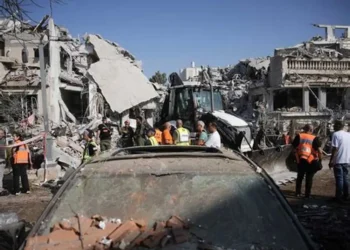 Retaliations Continue on Day Two of US-Israel Attacks on Iran
 Iran, the US, and a World Cup That Starts in Three Months
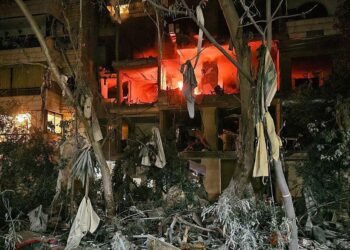 Israeli Attacks Kill 31 in Lebanon, Iran Strikes Across Region, US Warplanes Crash in Kuwait
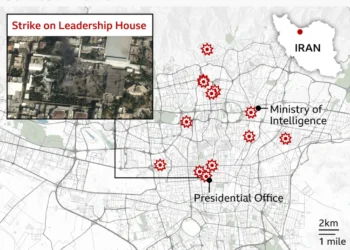 In Maps: Strikes Across Iran and the Middle East
 Months of Planning Behind US‑Israeli Mission to Target Iran’s Supreme Leader
 UK Will Allow US to Use Bases to Strike Iranian Missile Sites, PM Says
 Cooper: Joining US Strikes on Iran ‘Not in Britain’s Interest’
 What Khamenei’s Death Means for Russia and China
 Tehran Makes New Threat to Gulf Shipping as US Says ‘Hardest Hits’ on Iran ‘Yet to Come’
 Trump’s Iran Endgame Unclear After Mixed Messaging on War Aims
 Did Trump Declare War and Did Congress Approve Iran Attacks? What to Know
 The Third Day of the US‑Israeli War With Iran
 Why the US and Israel attacked Iran
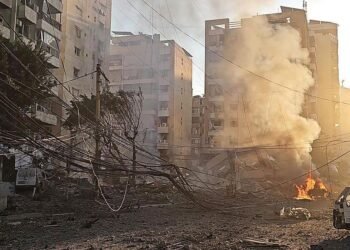 Israel Launches Fresh Strikes on Tehran & Beirut; US Warns “Hardest Hits” Ahead
 Three Days In, This War’s End Is Still Unclear
 US Has ‘Enough Weapons for Forever War,’ Trump Says
 At Least 169 Killed in South Sudan ‘Surprise’ Attack
 Israel Strikes Lebanon After Hezbollah Rocket Fire as Iran Conflict Widens
 Amazon Says Drones Damaged Three Facilities in UAE and Bahrain
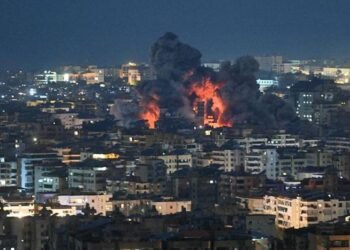 Israel’s New Airstrikes on Tehran & Beirut After US Embassy in Riyadh Is Hit
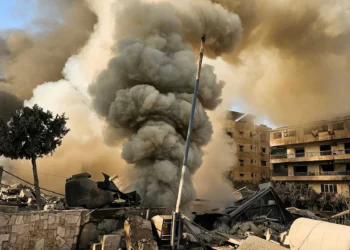 Israel Launches Ground Invasion of Lebanon Amid Widening Middle East War
 Iranian Rockets Are Testing the Resolve of Dubai’s Instagram Stars
 US Embassy in Riyadh Hit by Iranian Drones as Israeli Troops Enter Southern Lebanon
 Civilian Deaths in Iran Pass 700 Amid Fear of Bombs and Regime Clampdown
 US Senate Backs Trump War Powers Amid Iran Missile Barrage
 Russia Blames Ukrainian Naval Drones as Tanker Sinks
 US Submarine Sinks Iranian Warship in Indian Ocean, Hegseth Says
 ‘Every Day Feels Like a Month’: Iranians Describe Life Under ‘Constant’ US‑Israeli Strikes
 How Depleted Weapons Stockpiles Could Affect the Iran Conflict
 Azerbaijan Promises Retaliation After Iranian Drone Hits Airport
 Fuel and Remittances: How Iran Conflict Hits India At Home
 UK Prepares Aircraft Carrier for Middle East Crisis
 Nine Days of Strikes Reshape the Middle East
 Trump Threatens Iran With ‘Twenty Times Harder’ Oil Strike
 Gulf Oil Shock Sends Global Economic Ripples
 Video Analysis Suggests US Missile Hit Base Near Iran School
 Iran Rejects Ceasefire, Warns Trump With Chilling Message
 Ukraine War Becomes Flashpoint in Hungarian Election
 Trump’s Call for an Iran Uprising Draws Historical Warning Over Iraq 1991
 What to Stockpile at Home Amid Iran War Fears
 Oil Price Jumps Despite Deal to Release Record Amount of Reserves
 Anti-Regime Iranians Turn Anger Toward Trump
 Trump’s Confidence Undimmed — But Every Iran Option Carries Risk
 Dozens Killed After Afghanistan Rehab Centre Struck
 Philippines energy emergency sparks coal power surge
 Hungary Claims Plot to Target Gas Pipeline Pre-Vote
 Ten Dead as Israeli Strikes and Internal Clashes Rock Gaza
 Freedom for a Fallen Hero? Roberts-Smith Granted Bail in War Crimes Case
 The 10-Day Window: Israel-Lebanon Ceasefire Holds as Trump Teases Iran ‘Mega-Deal’
 Ukraine Urges UK to Seize Russian Oil Tankers
 Aid Crisis Grows as Hormuz War Disrupts Supply
 Crude Surge: Oil Hits Four-Year High as Trump Weighs “New Options” for Iran
 “The Art of the Withdrawal”: Trump Targets Germany Troops as Iran Row Boils Over
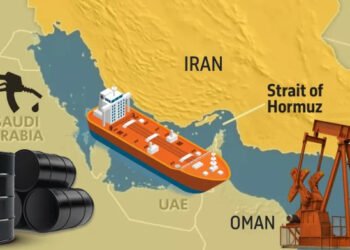 Middle East Crisis Escalates as Oil Routes Shake Markets
 “The Hormuz Ceasefire”: Oil Slips and Markets Surge as Trump Pauses Naval Mission
 “The Pint-Glass Paradox”: How Beer Fuelled a ‘Clinical’ Debate on Australia’s Gas Tax and Energy Giants
 “The Energy Levy”: Understanding the ‘Milestone’ Windfall Tax on Oil and Gas Giants
 “Blood and Granite”: Pyongyang Unveils ‘Milestone’ Memorial as Death Toll for North Korean Troops in Russia is Revealed
 “Double Trauma”: Iranian Activist Tells BBC How Fear of War Intensifies the ‘National Security’ Weight of Repression
“Hold Off”: Trump Pauses ‘Scheduled’ Strike After 11th-Hour Appeal From Gulf Allies
“Double Trauma”: Iranian Activist Tells BBC How Fear of War Intensifies the ‘National Security’ Weight of Repression
“Hold Off”: Trump Pauses ‘Scheduled’ Strike After 11th-Hour Appeal From Gulf Allies
 “A Ghost in the Donbas”: Ex-British Soldier Trapped in Occupied Ukraine Accuses London of Total Abandonment
 “The Pragmatic Pivot”: UK Eases Sanctions on Russian Energy Amid Escalating Global Fuel Crisis
 European Allies Set Peace Terms for Ukraine
 Drone Attacks Overshadow Russia Economic Forum
 Global Stock Markets Slide Amid Tech Sell-Off and Middle East Tensions
 Iran and Israel Pause Strikes but Warn Retaliation Will Follow Any New Breach