Published: 9 June 2026
The English Chronicle Desk
The English Chronicle Online
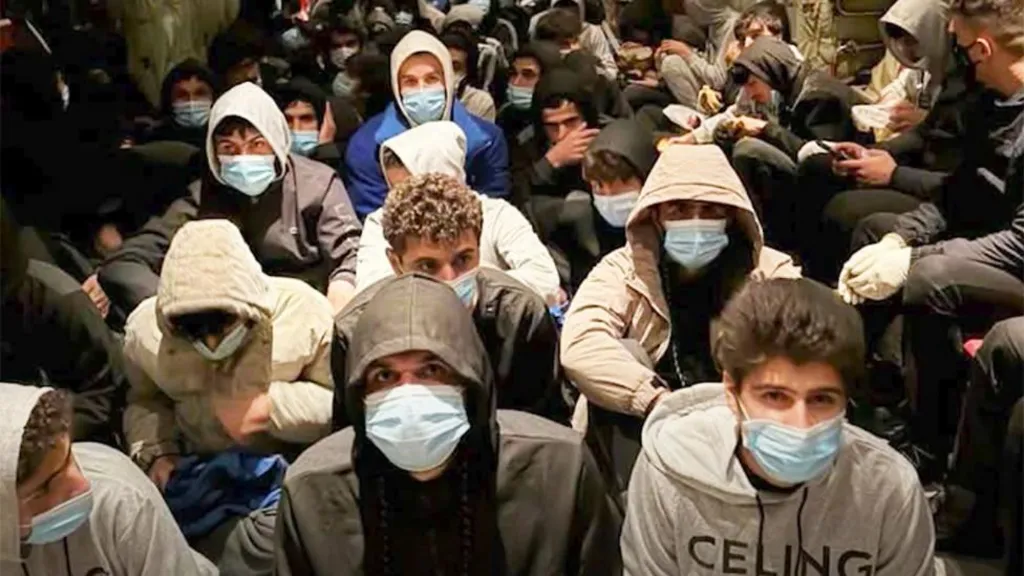
Around 300 migrants attempting to travel toward the United Kingdom were reportedly kidnapped by organised criminal networks and threatened with extreme violence, including alleged threats of organ removal, according to humanitarian groups and regional officials.
The migrants, believed to be travelling through parts of North Africa and southern Europe along established smuggling routes, were allegedly held for ransom by traffickers demanding payments from relatives and contacts abroad.

Aid organisations described the accounts as part of an increasingly brutal pattern of abuse linked to international human smuggling operations targeting vulnerable migrants.
Survivors reportedly told investigators that armed groups used intimidation, violence and threats to force families into transferring money for release.
Authorities in several countries are now cooperating on investigations into the criminal networks believed to be involved in the kidnappings and extortion operations.
Human rights organisations warned that migrants travelling irregularly toward Europe continue to face severe exploitation due to the absence of safe legal migration routes.
Security analysts say organised trafficking groups have become increasingly sophisticated, operating across multiple borders and generating large profits from human smuggling.
British and European officials have repeatedly pledged to crack down on illegal migration networks, though campaigners argue enforcement alone has not reduced humanitarian risks.
Medical charities and aid workers assisting rescued migrants said many victims showed signs of physical abuse, psychological trauma and severe deprivation.
The allegations involving threats of organ removal have intensified concerns over the extreme methods reportedly used by some trafficking gangs to terrorise captives and pressure families into payment.

Migration experts note that instability, conflict and economic hardship continue driving large numbers of people toward dangerous irregular migration routes despite escalating risks.
International agencies are calling for expanded cooperation between governments, law enforcement and humanitarian organisations to combat trafficking networks and protect vulnerable migrants.
Check Out Our Latest News At>>
Related News:
 Istanbul Mayor Faces Corruption Trial Amid Political Storm
 Emails Show Epstein Funded Mandelson’s Husband After Jail
 Five Young People Die in Spain Apartment Block Fire
 Two Arrested After Death of ‘British Lip King’
 Louvre Museum Director Resigns Months After High‑Profile Heist
 Zelensky Visits Saudi Arabia After Offering Drone Expertise
 “Speechless and Determined”: Two Dead, 22 Injured in Leipzig “Vehicular Rampage”
 China mine blast death toll rises to 90
 Ebola outbreak in DRC overwhelms health system as cases surge
 Former ICC prosecutor condemns US sanctions
 Irish Gangland Figure Fails in Dublin Election Bid
 Zelensky Invites Putin to Direct Peace Talks
 Northern Ireland Family of Three Shot Dead in Maguiresbridge Home Incident
 Seventeen Dead as Russia Targets Ukrainian Prison in Devastating Airstrike
 Channel Crossings Surge: Over 1,000 People Arrive in the UK in Small Boats in a Single Day
 WW2 Pilot’s Long-Lost Crash Site Unearthed in Essex
 Just Stop Oil Protesters Convicted Amid Climate Defence Row
 Indian authorities demolish Kashmir home linked to Red Fort blast
 Greene Pushes Epstein Files Amid Trump Fallout
 Deadly Russian Strikes Hit Western Ukraine, 20 Killed in Ternopil
 Venezuela Threatens Nobel Winner Machado with Fugitive Status
 Two National Guard Soldiers Critically Injured Near White House
 Southern Lebanon reels as Israeli strikes shatter communities
 American Mother Extradited From UK to U.S. on Murder Charges
 EU weighs response amid Greenland tariff crisis with Trump
 Thousands Flee Cambodia Scam Centres Amid Global Pressure
 EU Says US Ties Have Suffered ‘Big Blow’ After Greenland Crisis
 Thousands Left Without Heating in Ukraine Amid Russia Strikes
 Portugal Election Delivers Socialist Win as Far Right Surges
 SA Police Intensify Search in Gus Lamont Case
 Macron Rebuked in Franco-German Defence Row
 How Dark Web Agent Spotted Bedroom Wall Clue to Rescue Girl from Years of Harm
 Austrian Man Charged Over Foiled Taylor Swift Concert Attack Plot
 ‘I Would Scream in My Sleep’: Alawite Women from Syria Tell of Kidnap and Rape
 Nine Arrested in France Over Death of Far‑Right Student
 Eight Skiers Found Dead After California Avalanche
 South Korea’s Ex-President Faces Death Penalty in Insurrection Trial
 Epstein Eyed Record Label Investment to Access Women, Files Suggest
 Epstein Files Could Be Just Tip of the Iceberg for Andrew Investigation
 El Mencho Killed as Mexico Faces Violence
 Sydney kidnapping mystery deepens as grandfather’s remains found after mistaken abduction
 ‘Anyone who runs is shot’: Russian soldiers describe killings of troops who refuse orders
 Orbán Accuses Ukraine of Disrupting Oil Supplies to Hungary
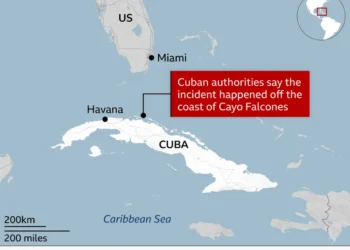 American Citizen Killed in Cuba Boat Shooting, U.S. Officials Say
 Kidnapping of Foreigners Soars in Africa’s Lawless Sahel Region
 Stranger ‘On Drugs’ Stabbed Saudi Student to Death in Cambridge
 Macron Finds ‘Freedom Fries’ Redemption in Iran Crisis
 Finland Plans to Lift Decades‑Old Ban on Hosting Nuclear Weapons
 Alleged Bondi gunman seeks order to suppress family’s identity
 Real Estate Brothers Convicted in Sex Trafficking Trial
 China Moves to Enshrine ‘Ethnic Unity’ Law
 Iranian Footballers Escape Team Hotel to Seek Asylum
 Ukraine War Becomes Flashpoint in Hungarian Election
 Missing Cuba-Bound Aid Ships Spark Urgent Search
 Spain Faces Backlash Over Xenophobic Chants in Egypt Draw
 “The Monster of Hull”: Funeral Director Admits to Preventing 30 Burials and Stealing Charity Cash
 ‘The Soul of Spain’: Politicians Clash Over Renewed Push to Move Picasso’s Guernica
 The Fallen Icon: Ben Roberts-Smith Charged with Five War-Crime Murders
 California fireworks blast: murder charges filed in case
 Arrest Made: Singer D4vd Held Without Bail in Death of 14-Year-Old Girl
 The ‘Big Fish’ Lands: Marcos Confirms Arrest of Key Figure in Flood-Control Scandal
 Rat Poison Found in Baby Food Sparks Major Recall Row
 Struggling to Survive: Millions of Iranian Jobs Lost to Conflict
 Justice and Deceit: High Court Convicts Woman in Hong Kong Blackmail Plot
 OpenAI CEO Apologizes After Canada Shooting Case
 Tragedy in the Red Centre: Outback Search Ends in Discovery of Missing Girl’s Body
 Cartel crackdown raises fears of fresh violence
 “An Endurance Test for the Mind”: British Couple Sentenced to 10 Years in Tehran
 Ukraine strikes Tuapse as oil disaster worsens
 China Fireworks Factory Blast Kills 21 in Hunan
 “The Blue Light Intersection”: Seventeen-Year-Old Critically Injured in ‘Nasty’ Police Pursuit Crash
 Three Australian Women Detained Over Islamic State Links
 “The Desecrated Grave”: West Bank Settlers Force Palestinian Family to Exhume Father’s Body
 “The Reality Reckoning”: Government Demands Accountability as Channel 4 Pulls Married at First Sight UK Over Grave Sexual Assault Allegations
 “I’ve Been Cheated”: Andrew Malkinson Lambasts the ‘Accountability Rot’ of the British Justice System Following True Perpetrator’s Conviction
 Pope Meets Families in Italy Toxic Waste Zone
 Israel, Lebanon Agree on Fragile Ceasefire Deal
 Spain Tourism Surges as Travellers Avoid Middle East
 Spain Sees Tourism Boom as Travellers Shift Away From Middle East