Published: 10 June 2026
The English Chronicle Desk
The English Chronicle Online
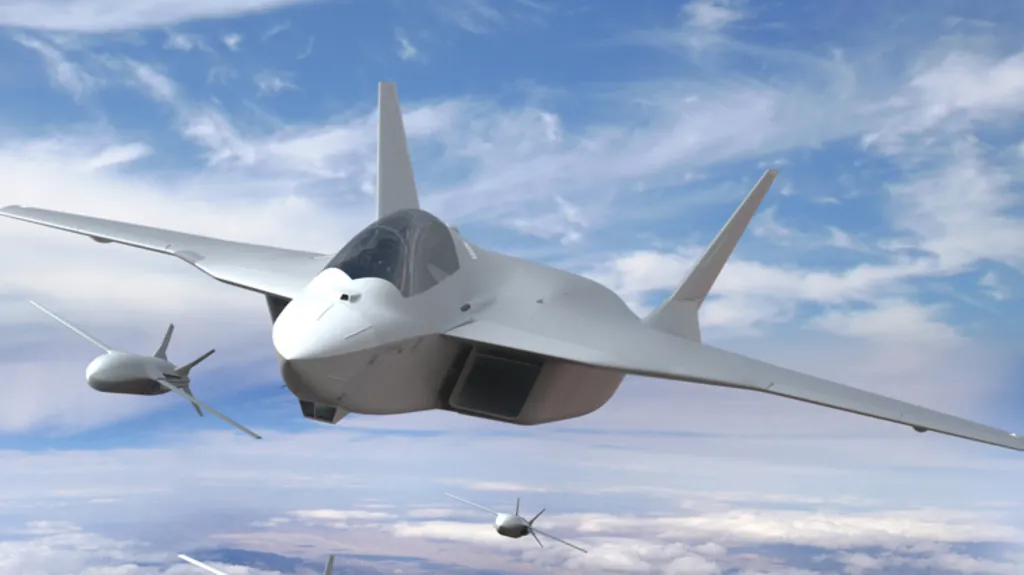
The reported collapse of a major Franco-German fighter jet programme has exposed growing divisions among European allies over the future direction of defence cooperation and military procurement.
The project, which was intended to produce a next-generation combat aircraft capable of replacing several existing fighter fleets, had been viewed as one of Europe’s most ambitious defence initiatives.

Officials and industry observers say disagreements over industrial leadership, technology sharing, production responsibilities and long-term strategic priorities contributed to mounting tensions between participating nations.
The programme was designed to strengthen Europe’s defence capabilities while reducing dependence on non-European military suppliers and enhancing strategic autonomy.
Supporters had argued that the aircraft would become a cornerstone of future European air power, integrating advanced technologies such as artificial intelligence, networked warfare systems and next-generation stealth capabilities.
However, persistent disputes between partner countries and defence contractors reportedly undermined progress and raised concerns about cost, governance and operational requirements.
The setback has prompted renewed debate about whether European nations can effectively coordinate large-scale defence projects in an increasingly complex security environment.
Military analysts warn that delays or cancellation of major programmes could affect long-term readiness plans at a time when European governments are significantly increasing defence spending.
The development comes amid heightened geopolitical tensions and growing pressure on NATO members to modernise their armed forces and strengthen collective deterrence.
Some experts believe the project’s difficulties highlight broader challenges facing multinational defence ventures, where political priorities and industrial interests often compete with military objectives.

European policymakers have emphasised the importance of maintaining close defence cooperation despite disagreements, arguing that regional security remains a shared responsibility.
The future of next-generation European combat aircraft programmes remains uncertain, with governments expected to evaluate alternative approaches in the coming months.
Check Out Our Latest News At>>
Related News:
 Ukraine strikes Tuapse as oil disaster worsens
 Putin Declares Russia Victory at Scaled Victory Day Parade
 Zelenskyy warns over Oreshnik threat as Kyiv hit
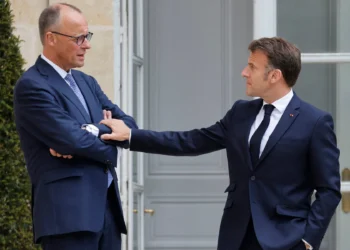 Macron Rebuked in Franco-German Defence Row
 Facing a Demographic Catastrophe, Ukraine Is Paying for Troops to Freeze Their Sperm
 UK Will Allow US to Use Bases to Strike Iranian Missile Sites, PM Says
 Cooper: Joining US Strikes on Iran ‘Not in Britain’s Interest’
 Trump’s Iran Endgame Unclear After Mixed Messaging on War Aims
 Ukraine Accuses Hungary of Taking Seven Bank Workers Hostage in Budapest
 ‘Blue Helmets’ in the Crossfire: Initial Probe Points to Roadside Bomb in Killing of UN Peacekeepers
 Trump orders US troop pullout from Germany
 Global order shifts amid Trump-era turmoil
 Discontent grows around Putin amid war strain
 Former ICC prosecutor condemns US sanctions
 European Allies Set Peace Terms for Ukraine
 Armenia’s Pro-Europe Victory Signals Deeper Break From Russian Influence
 Israel-Iran Escalation May Strengthen Tehran’s Position in Future Negotiations
 Gulf states warn Trump Iran strikes risk wider Middle East war
 Machado Trump medal gesture reshapes Venezuela power struggle
 EU weighs response amid Greenland tariff crisis with Trump
 Syria President Declares Victory as Ceasefire Reached with SDF
 EU Says US Ties Have Suffered ‘Big Blow’ After Greenland Crisis
 Thousands Left Without Heating in Ukraine Amid Russia Strikes
 Fears of New Arms Race as US-Russia Nuclear Weapons Treaty Expires
 Portugal Election Delivers Socialist Win as Far Right Surges
 Starmer Weighs Fast-Tracking Defence Boost
 Iran Says ‘Guiding Principles’ Agreed With US at Nuclear Talks
 Indian University Kicked Out of AI Summit for Claiming Chinese Robot Dog as Its Own Invention
 Musk Cuts Starlink Access for Russian Forces – Giving Ukraine an Edge at the Front
 Drugs, Denial, Stigma: Fiji’s HIV Crisis Hits Children
 Louvre Museum Director Resigns Months After High‑Profile Heist
 Orbán Accuses Ukraine of Disrupting Oil Supplies to Hungary
 Spain Declassifies Files on 1981 Attempted Coup in Effort to Dispel Conspiracy Theories
 RAF Responding to Suspected Drone Strike at UK Cyprus Base
 Months of Planning Behind US‑Israeli Mission to Target Iran’s Supreme Leader
 Carney to Push His Middle Power Strategy During Australia Visit
 The US Now Has the Medicine for Cheap Swarming Drone Attacks
 Macron Finds ‘Freedom Fries’ Redemption in Iran Crisis
 Finland Plans to Lift Decades‑Old Ban on Hosting Nuclear Weapons
 Minister Meets Crews Who Will ‘Take Out’ Iranian Drones
 UK Prepares Aircraft Carrier for Middle East Crisis
 UK–US Tensions Ease as Starmer and Trump Hold First Call Since Iran Row
 Ukraine War Becomes Flashpoint in Hungarian Election
 Yvette Cooper: UK Must Follow Principles, Not US Pressure
 Wary Allies Signal No Easy Path in Iran Crisis
 Saudi Arabia Urging US to Keep Up Iran Attacks
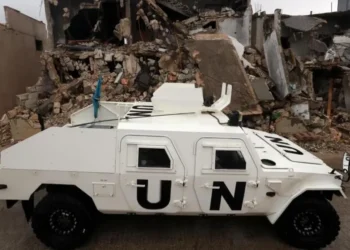 Tragedy in Lebanon: Two Indonesian UN Peacekeepers Killed in Border Explosion
 Chain of Fire: US Bunker Busters Strike Major Iranian Ammo Depot in Isfahan
 ‘The Cost of Living’: Asia’s Migrant Workers Debate if Gulf Jobs are Worth the Risk of War
 ‘The 42-Day Rally’: Asian Markets Surge as Trump Signals ‘Rapid’ Iran Exit
 Spain Faces Backlash Over Xenophobic Chants in Egypt Draw
 ‘The Soul of Spain’: Politicians Clash Over Renewed Push to Move Picasso’s Guernica
 Reeves Slams Trump Over Iran War Lack Of Exit Plan
 US and Iran Pursue Extension of Ceasefire via Pakistan
 Mexico, Spain and Brazil call for Cuba dialogue amid crisis
 Ukraine Urges UK to Seize Russian Oil Tankers
 US Calls Australia Media Law “Foreign Extortion”
 “Speechless and Determined”: Two Dead, 22 Injured in Leipzig “Vehicular Rampage”
 “The Pivot to Pakistan”: Trump Pauses ‘Project Freedom’ in Hormuz Amid Iran Deal Hopes
 “The Strait Scramble”: Inside Trump’s ‘Project Freedom’ and the Hormuz Naval Escort
 “The New Silk Road”: India and Vietnam Forge Strategic Maritime Alliance to Counter Regional Volatility
 “The Tightrope Walk”: Lula and Trump Meet at White House to ‘Recalibrate’ Fractured Alliance
 Tensions Emerge in Netanyahu-Trump Alliance
 “The Great Enlistment”: Why Canada is Seeing its Biggest Military Surge in 30 Years
 US and Mexico Face Heatwave as Floods Batter South Africa
 The Long Way Home: Australia’s High-Stakes Virus Mission
 Putin Signals War End as Russian Momentum Stalls
 Romania’s Judicial Crisis: A System Under Siege
 Philippine Senator Flees After Days Under Senate Siege
 “The Axis of Autonomy”: Government Breaks Silence on What Really Holds China and Russia Together
 Tragedy in the Maldives: Inside the Deep Sea Rescue
 Pope Meets Families in Italy Toxic Waste Zone
 Zelensky Invites Putin to Direct Peace Talks
 UK Faces Most Dangerous Era, Military Chief Warns
 EU Leadership Gathers in Tivat to Renew Balkan Ties
 Spain Tourism Surges as Travellers Avoid Middle East
 Drone Attacks Overshadow Russia Economic Forum
 Spain Sees Tourism Boom as Travellers Shift Away From Middle East

 US Launches Strikes on Iran After Military Helicopter Downed Near Strait of Hormuz