Published: 19 June 2026. The English Chronicle Desk. The English Chronicle Online.
The UK information commissioner has launched a significant investigation into a controversial camera system. This technology monitors vulnerable patients in their hospital bedrooms across the country. Nearly forty percent of NHS mental health trusts currently deploy this surveillance equipment. The regulatory watchdog is acting on serious concerns regarding patient data protection laws. Many patients describe the technology as an intrusive form of modern digital spying. A bereaved mother has blamed the system for increasing her daughter’s fatal paranoia.
The company behind the technology was originally known under the name Oxehealth. The firm recently rebranded its operations and now trades under the name LIO. Their core system uses optical sensors and infrared technology to watch patients remotely. The corporate leadership argues that this setup significantly increases overall patient safety levels. They also claim it frees up valuable time for busy frontline NHS staff.
Lawyers representing the campaign group Stop Oxevision requested this urgent official investigation. They formally asked the Information Commissioner’s Office to examine these data processing methods. Legal experts want to determine the lawfulness of collecting sensitive video images. Rachel Harger is a prominent legal partner at the well-known firm Bindmans. She assisted the campaign group in making this formal request to the regulator. Harger believes a hospital bedroom must always remain a safe sanctuary for care. She argues that patient privacy must be deeply respected during difficult medical treatments.
Organisations must point to a clear lawful basis for processing this data. When trusts rely on patient consent it must be properly and freely given. Patients must also have a clear right to withdraw consent at any time. The Information Commissioner’s Office confirmed the launch of this specific data investigation. However officials stated they could not comment further on an ongoing active case.
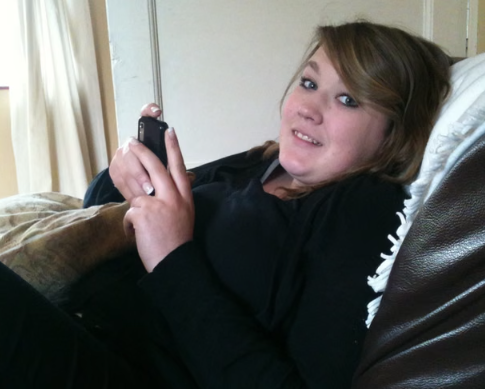
This technology faces intense scrutiny at the ongoing Lampard inquiry in Essex. The public inquiry is examining the deaths of thousands of mental health patients. One tragic case involves a twenty-seven-year-old woman named Sophie Alderman. She had a long history of serious mental ill health and self-harm. Sophie died in August 2022 while staying at Rochford Hospital in Essex. The young woman was under active surveillance by the bedroom camera system.
Her grieving mother Tammy Smith described the system as intrusive and highly unsafe. She believes the constant surveillance contributed heavily to her daughter’s final distressed state. Smith gave emotional evidence to the public inquiry panel late last October. She stated that her daughter’s natural paranoia was increased by one hundred percent. Sophie had always felt deeply uncomfortable being watched by electronic recording devices. She constantly felt as though she was living under a giant microscope. It was obvious to family members that Sophie was distressed by the camera. Worst of all the expensive technology did not keep her safe from harm.
Smith firmly believes that technology cannot replace real human staff in hospital wards. She stated clearly that the current system is simply not fit for purpose. Laura Cozens is the head of patient safety at the rebranded firm LIO. She admitted to the inquiry that the technology might not suit everyone. Cozens accepted that filming patients constantly constitutes a very significant invasion of privacy. However she noted that video recordings are only available under strict governance rules.
Staff can only access these recorded patient videos upon receiving a formal request. Selen Cavcav works as a dedicated caseworker for the independent charity called Inquest. She supported Sophie’s family throughout the difficult official inquest into her tragic death. Cavcav believes that people in mental health settings need genuine care and compassion. They do not need further isolation and continuous electronic surveillance in their rooms.
The use of intrusive technologies can easily exacerbate existing emotional distress for patients. It reinforces the coercive nature of treatment and removes basic human privacy rights. Cavcav argues against allowing private companies to put corporate profit over vulnerable people. The public needs to resource genuine alternatives that centre on dignity and autonomy. Nina Ali is a specialist solicitor working at Hodge Jones and Allen. Her firm represents over one hundred and fifty families at the Lampard inquiry. She believes the current use of this technology in Essex is potentially unlawful. Urgent official recommendations are needed to protect patients from further potential harm.
The surveillance system can actually cause far more harm than good in practice. Lawyers have seen multiple cases where staff relied entirely on assistive technology alerts. Workers failed to carry out proper in-person observations on vulnerable ward patients. Some patient deaths occurred because important system alerts were muted or completely ignored. There is no acceptable place for this kind of surveillance in patient bedrooms. The legal community views this practice as wholly inappropriate for modern psychiatric care.
Next month the Lampard inquiry will hear more evidence about these specific wards. The panel will focus on the Essex Partnership University NHS Foundation Trust. Campaigners from Stop Oxevision warmly welcomed the watchdog’s timely decision to investigate. The group highlights serious concerns raised by bereaved families and current service users. These individuals worry about privacy consent and the processing of highly sensitive data. Independent scrutiny of these urgent data protection concerns is necessary and long overdue. Campaigners hope the investigation provides true clarity and accountability for all affected families.
A spokesperson for Oxehealth stated they are engaging positively with the regulatory body. They confirmed that ongoing discussions with the information commissioner remain highly constructive. However the company firmly rejects what they call a dangerous narrative about privacy. They argue that absolute bedroom privacy does not equate to safety in wards. Unmonitored rooms introduce immediate and severe risks to vulnerable patient lives every day.
The company submitted clinical data directly to the ongoing independent public inquiry. This evidence underscores the vital role that technology plays on modern psychiatric wards. On the Essex trust wards alone the platform flagged hundreds of incidents. The system successfully detected nine hundred and thirty-five dangerous ligature events. It also alerted staff to four hundred and thirty-six self-harm events recently. This technology provides frontline staff with the situational awareness necessary to save lives.
Trust representatives stated the system assists them in making timely medical interventions. This fast response ultimately assists hospital staff in successfully preserving human life. The company spokesperson concluded by stating that any loss of life is tragic. This is why they partner with the NHS to make care safer. The upcoming regulatory findings will likely shape the future of psychiatric care technology.
Related News:
 Mansfield condemns refusal to meet hunger strikers
 Grief, Fear and Fury: Mothers Unite to End Israeli-Palestinian Violence
 Protest Rights Under Threat Across England and Wales
 Gambia Supreme Court Hears Case to Overturn FGM Ban
 Iran Leader Blames Protesters, Says They Serve Trump
 Civil groups oppose new anti-protest powers in England and Wales
 Iran Death Toll Crisis Exposed: Bodies, Mass Graves, and Concealment
 Calls Grow for King Charles to Apologise for Crown’s Role in Slavery
 Thousands Protest ICE in New York Against Trump Deportation Campaign
 Concerns rise for Canberra boy amid Iran detention fears
 Australian Women in Syrian Camp Offer Separation Deal
 Hero Rescuer Saves Baby from Icy Chicago Lake
 Brazilian Politician Brothers Sentenced for Marielle Murder
 Anthony Albanese Must Uphold Rights for All Australians
 Woman Executed in Somalia Sparks Debate on Justice System
 Uganda Crackdown: Two Women Arrested for Public Kissing
 UK Activism Faces New Threats From Growing Repression
 Tribunal Rules Burgertory Founder’s Chant Incited Hatred
 Hong Kong Bookstore Arrests Spark New Freedom Concerns
 Police Seek Immunity in Indigenous Custody Death Case
 Manila Transport Crisis: Fuel Costs Hit Breaking Point
 UN Warns Israeli Death Penalty Bill Could Be a War Crime
 UK Activist Leaders Convicted Over Protest Violations
 Spain Faces Backlash Over Xenophobic Chants in Egypt Draw
 A Global Voice For Justice: Stephen Lewis Dies At Age 88
 Artist Sues in Paris Over Israeli Strike Killing Parents
 Canadian Mother and Daughter Released From ICE Detention
 Death, displacement and military duties: children plunged into crisis
 Queensland Youth Justice Debate: The Data Behind the Law
 Gaza Child Arrives in UK for Life-Changing Care
 Brisbane Rideshare Driver Faces Serious Assault Charges
 Tragedy in the Channel as Four Lives Lost in Boat Sinking
 Asylum Seekers Bound in Restraints During Removal Flights
 Kyiv and Odesa Mourn After Deadly Wave of Russian Strikes
 France Urges Release of Elderly Widow Held by ICE
 Charity Sector Sounds Alarm Over Proposed Regulatory Powers
 Queensland Protests Challenge New Speech Laws
 Trump Weighs Sending Afghan Allies to the Congo
 Prominent Voices Challenge Palestine Action Ban
 Aid Crisis Grows as Hormuz War Disrupts Supply
 Police Suspect Help in Missing Alice Springs Girl Case
 Australian Activists Detained as Gaza Aid Flotilla Intercepted
 Standoff Over Syria: Australia Defies Trump Repatriation Plea
 Judge halts deportation of Yemeni refugees in US
 Activists allege abuse after Gaza flotilla seizure
 Asylum deal sparks fears over Syria deportations
 UK Watchdogs Warn Over AI Facial Recognition Oversight
 Alice Springs Murder Case: Justice Begins for Little Baby
 Afghan Families Left in Limbo Face Risk of Deportation
 Three Australian Women Detained Over Islamic State Links
 Australia Faces Rising Tide of Modern Antisemitism
 Security Failures and the Road to the Bondi Inquiry
 Trump Announces 3-Day Russia–Ukraine Ceasefire Deal
 Immigration Judges Fear Pressure in Trump Era
 Mexico’s Missing: State Complicity in a Growing Crisis
 Human Rights Barrister Wins Appeal Over Contempt Charge
 London Prisoner Forced to Crawl Due to Lack of Care
 Plea for Mercy: The Battle to Bring Ahmed al-Doush Home
 Farage Faces Backlash Over Support for Preacher
 Court Upholds Landmark Win for Transgender Rights
 The Hidden Cost of Separation for Refugee Families
 Taliban Codifies Strict New Marriage and Divorce Legislation
 Israeli Strikes in Lebanon Kill 10 Amid Ceasefire Strain
 US green card applicants must apply from abroad, DHS says
 Victim says non-custodial rape sentence ‘rock in my face’
 Former ICC prosecutor condemns US sanctions
 Preserving the Fragile Memories of Tiananmen Square
 Silenced Stitches: The Cost of Memory in Hong Kong
 Vision Lost Amid the Rubble of Modern Conflict
 Controversial London Property Show Sparks Legal Fury
 US Supreme Court Rejects Trump Attack on Birthright Law
 UK Charity Funds Illegal Hebron Settlement Expansion
 Unflinching Witness: Doctors Document Gaza’s Medical Crisis
 Evidence of Abuse: New Photo Sparks Global Outrage
 Ukraine Creates Long-Range Strike Command
 Dreyfus Statue Finally Gets Permanent Paris Home
 Asylum Seekers Struggle as Hotel Closures Cause Chaos
 Florida Executes One of Its Oldest Death Row Prisoners
 Israeli Strike in Southern Lebanon Kills Seven
 Five Years of Taliban Rule Leave Afghanistan in Crisis