Published: 22 July 2026 | The English Chronicle Desk | The English Chronicle Online
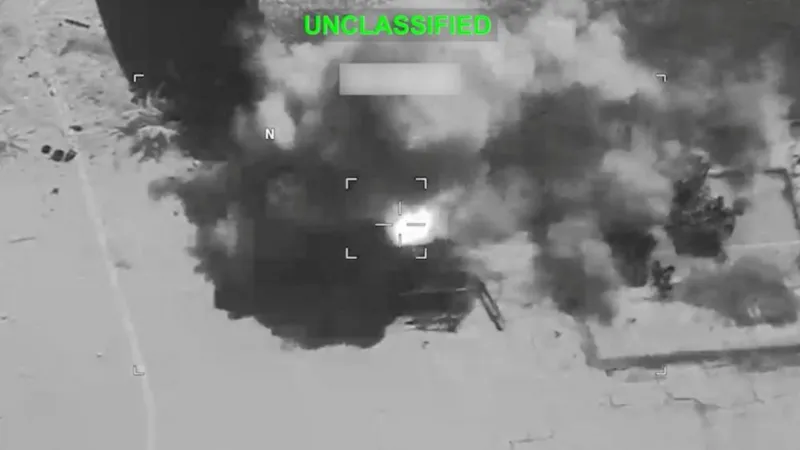
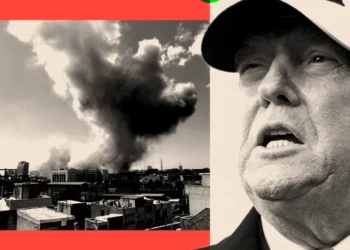
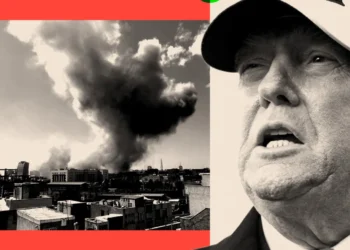
Tensions in the Middle East escalated further after the United States launched a fresh wave of military strikes on targets in Iran, while President Donald Trump warned that Washington was prepared to attack underground nuclear facilities if Tehran continued actions viewed as threatening regional security.
The renewed military operation comes amid an increasingly volatile confrontation between the two countries, raising fears of a broader regional conflict involving key allies and strategic infrastructure.
US officials described the strikes as part of efforts to weaken Iran’s military capabilities, while Iranian authorities condemned the attacks as a violation of international law and pledged to respond.
According to US officials, the latest strikes targeted facilities linked to Iran’s military and strategic operations.
Although details of the specific locations have not been fully disclosed, defence officials said the attacks were intended to reduce capabilities that Washington believes pose a threat to US forces and regional allies.
Military planners indicated that the operation formed part of a broader campaign designed to increase pressure on Tehran following weeks of heightened tensions.

The Pentagon has not released a complete assessment of the damage caused during the strikes.
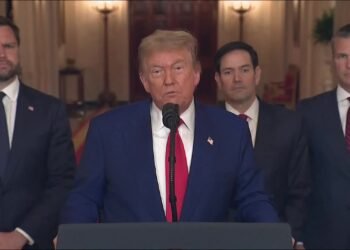
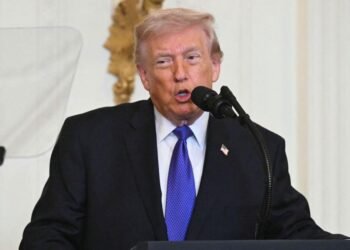
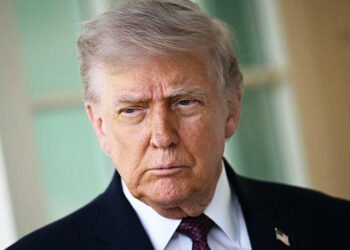
Speaking after the operation, President Donald Trump delivered one of his strongest warnings yet regarding Iran’s nuclear programme.
He suggested that underground nuclear facilities could become military targets if Iran failed to alter its course.
Trump argued that the United States would take whatever action it considered necessary to prevent Iran from developing nuclear weapons capabilities.
The comments represented a significant escalation in rhetoric and reinforced Washington’s position that Iran’s nuclear activities remain a major national security concern.
Iranian officials strongly criticised the renewed strikes, accusing the United States of aggression and violating international norms.
Government representatives insisted that the country’s nuclear programme is intended for peaceful purposes and rejected allegations that it seeks to develop nuclear weapons.
Tehran also warned that continued military pressure would have consequences for regional stability.
Iran’s leadership has repeatedly stated that it reserves the right to respond to attacks against its territory.
The latest developments have heightened concerns across the Middle East.
Several countries have urged restraint, warning that continued military escalation could trigger wider instability involving multiple regional actors.
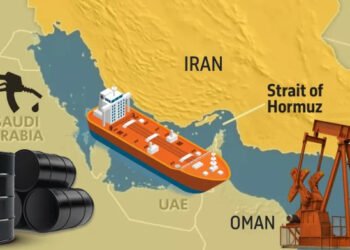
Analysts say any expansion of the conflict could threaten shipping routes, energy supplies and diplomatic efforts aimed at reducing tensions.
Neighbouring countries continue monitoring developments closely as uncertainty grows.
Underground nuclear sites have become central to international discussions surrounding Iran’s nuclear programme.
Many of these facilities are designed to withstand conventional attacks, making them strategically significant in any military planning.
Security experts note that striking heavily fortified installations carries substantial military, political and diplomatic risks.
Such operations could also provoke significant international reactions.
Governments around the world have expressed concern over the latest escalation.
Several international leaders called for diplomatic engagement rather than further military action, warning that continued confrontation could have unpredictable consequences.
The United Nations and other international organisations have repeatedly urged both sides to avoid actions that could increase the risk of broader conflict.
Diplomatic efforts to reduce tensions continue despite the deteriorating security situation.
Renewed fighting has also attracted attention from financial markets.
Investors remain concerned that instability involving Iran could affect global energy supplies, particularly if regional shipping routes are disrupted.
Oil prices often respond quickly to developments involving major energy-producing regions, reflecting uncertainty over future production and transport.
Economists say prolonged tensions could have wider effects on global inflation and international trade.
The United States has maintained a significant military presence across the Middle East, including naval forces, air assets and regional bases.
Officials say these deployments are intended to protect American personnel, deter further attacks and reassure allied governments.
Iran has also continued strengthening its defensive posture while emphasising its readiness to respond if necessary.
Military analysts believe both sides are attempting to demonstrate resolve while avoiding an uncontrolled escalation.
The latest exchange of military action complicates already fragile diplomatic efforts.

Negotiations surrounding Iran’s nuclear programme have faced repeated setbacks in recent years, with trust between the parties remaining limited.
Experts argue that rebuilding diplomatic dialogue will become increasingly difficult if military operations continue.
Nevertheless, many international observers maintain that diplomacy remains the only sustainable path toward reducing long-term tensions.
The renewed US strikes and President Trump’s warning regarding underground nuclear facilities have further intensified one of the world’s most sensitive geopolitical confrontations.
While Washington says its actions are aimed at protecting national security and preventing nuclear proliferation, Iran insists it will defend its sovereignty against external aggression.
As military operations continue and diplomatic efforts struggle to regain momentum, the international community remains focused on preventing the crisis from developing into a broader regional conflict with far-reaching global consequences.
Related News:
 Hopes and Fears as US Iranians Take to Streets After Toppling of Supreme Leader
 Iran, the US, and a World Cup That Starts in Three Months
 Trump’s Iran Endgame Unclear After Mixed Messaging on War Aims
 Did Trump Declare War and Did Congress Approve Iran Attacks? What to Know
 Rubio Responds to Reported Strike on Iranian School
 US Strikes on Iran Triggered by Israel’s Plan to Launch Attack, Rubio Says
 Sixth American Service Member Killed in Iran Operation as Conflict Intensifies
 Trump Rebukes Starmer Over UK Refusal to Back Strikes on Iran
 US Senate Backs Trump War Powers Amid Iran Missile Barrage
 UK Prepares Aircraft Carrier for Middle East Crisis
 US Agrees to ‘Stand Down’ Following Exchange of Strikes With Iran
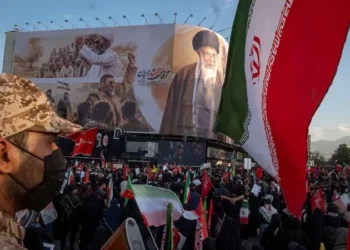 US Launches New Strikes on Iran as Trump Issues Stark Warning to Tehran
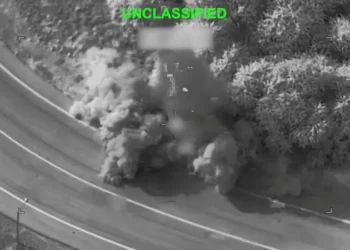 US Launches New Strikes as Iran Says Civilian Infrastructure Hit
 Iran Says ‘Guiding Principles’ Agreed With US at Nuclear Talks
 US Pushes to Recruit Organised Crime Gangs into Gaza Police Force
 US Urges Iran to Make Deal as Military Presence Rises
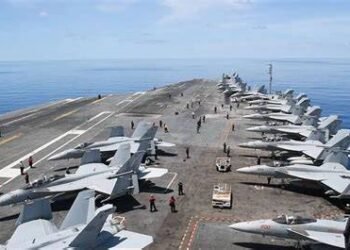 US Build-Up of Warships and Fighter Jets Tracked Near Iran
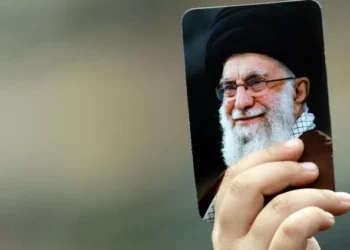 Iran’s Regime Still Intact — Coming Days Will Test Its Survival
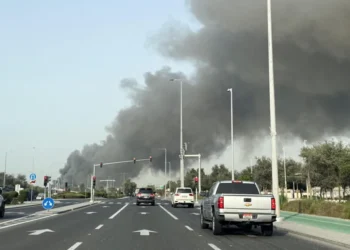 Allies of US in the Gulf Bear Brunt of Iran Attacks
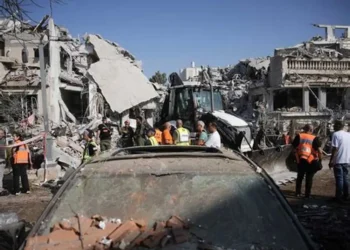 Retaliations Continue on Day Two of US-Israel Attacks on Iran
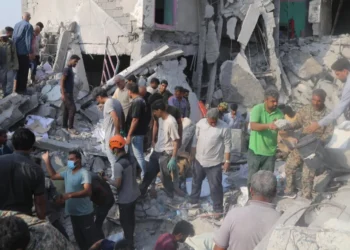 At Least 153 Dead After Reported Strike on School, Iran Says
 At Least 153 Dead After Reported Strike on School, Iran Says
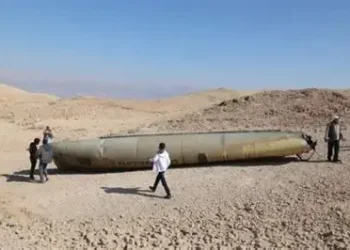 BBC Reports from Beit Shemesh After Deadly Iranian Missile Strike
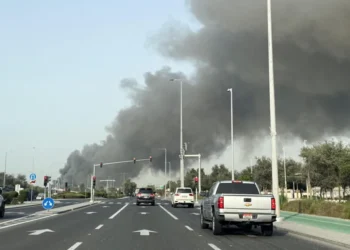 Allies of US in the Gulf Bear Brunt of Iran Attacks
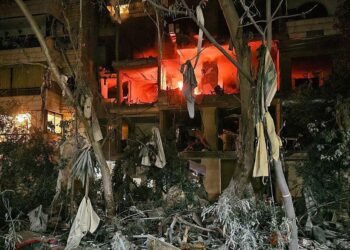 Israeli Attacks Kill 31 in Lebanon, Iran Strikes Across Region, US Warplanes Crash in Kuwait
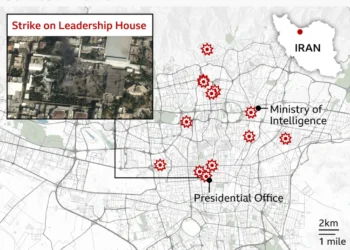 In Maps: Strikes Across Iran and the Middle East
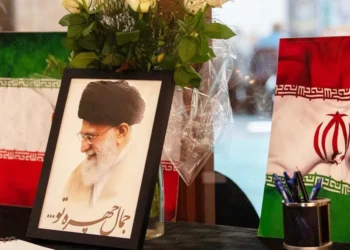 Months of Planning Behind US‑Israeli Mission to Target Iran’s Supreme Leader
 Cooper: Joining US Strikes on Iran ‘Not in Britain’s Interest’
 What Khamenei’s Death Means for Russia and China
 Tehran Makes New Threat to Gulf Shipping as US Says ‘Hardest Hits’ on Iran ‘Yet to Come’
 The Third Day of the US‑Israeli War With Iran
 Why the US and Israel attacked Iran
 Israel Launches Fresh Strikes on Tehran & Beirut; US Warns “Hardest Hits” Ahead
 Three Days In, This War’s End Is Still Unclear
 US Has ‘Enough Weapons for Forever War,’ Trump Says
 Israel Strikes Lebanon After Hezbollah Rocket Fire as Iran Conflict Widens
 Latest on Middle East Conflict — In Maps: Strikes Across Iran and the Region
 Amazon Says Drones Damaged Three Facilities in UAE and Bahrain
 Man Recalls ‘Terrifying’ Dubai Missile Ordeal During Iran Strikes
 Israel’s New Airstrikes on Tehran & Beirut After US Embassy in Riyadh Is Hit
 Israel Launches Ground Invasion of Lebanon Amid Widening Middle East War
 Trump Underestimated the Iranian Regime’s Will to Survive
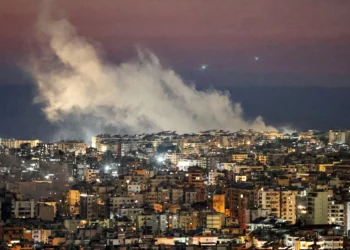 U.S. Tells Citizens to Leave Israel Now as Regional Conflict Escalates
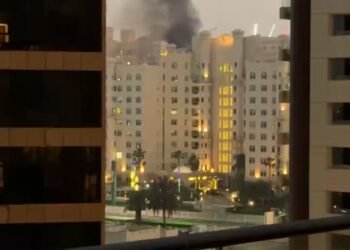 Iranian Rockets Are Testing the Resolve of Dubai’s Instagram Stars
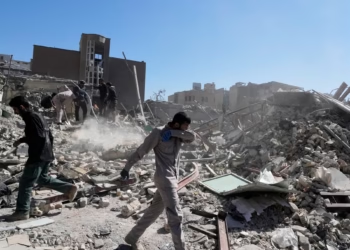 US Embassy in Riyadh Hit by Iranian Drones as Israeli Troops Enter Southern Lebanon
 First Wave of Europeans Stranded by Iran Conflict Return Home, With Hundreds of Thousands Still Left in Region
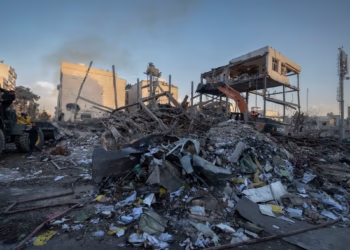 Civilian Deaths in Iran Pass 700 Amid Fear of Bombs and Regime Clampdown
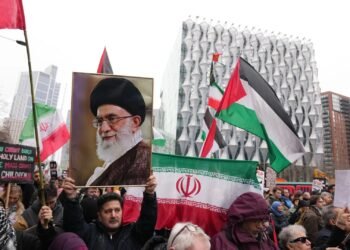 Thousands Protest Iran Strikes Outside US Embassy London
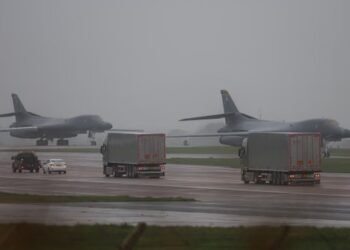 US Bombers Arrive at RAF Base Amid Rising Iran Tensions
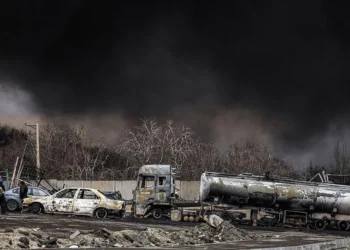 Nine Days of Strikes Reshape the Middle East
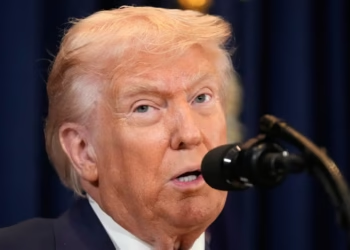 Trump Threatens Iran With ‘Twenty Times Harder’ Oil Strike
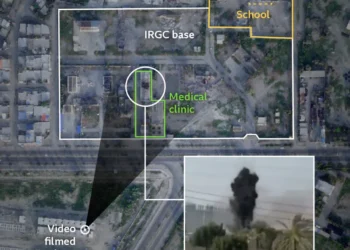 Video Analysis Suggests US Missile Hit Base Near Iran School
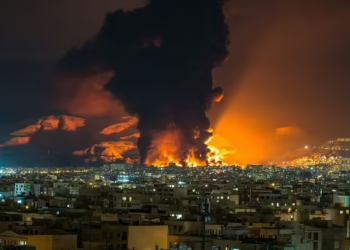 Iran Rejects Ceasefire, Warns Trump With Chilling Message
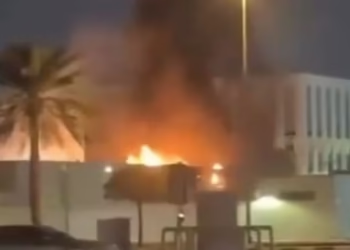 Busy International Airport Targeted by Iran in Latest Strikes
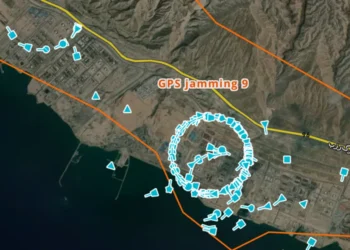 GPS Jamming: The Invisible Battle in the Middle East
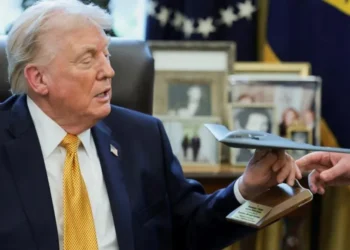 Trump’s Confidence Undimmed — But Every Iran Option Carries Risk
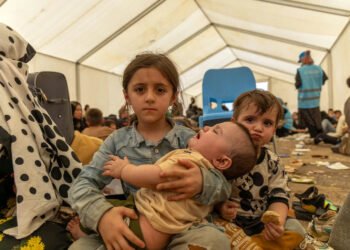 Death, displacement and military duties: children plunged into crisis
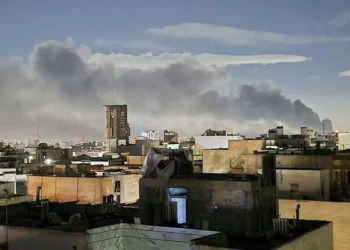 Iran Says Intelligence Chief Killed in US-Israeli Strike as Trump Threatens ‘Hell’ Without Deal
 Ten Dead as Israeli Strikes and Internal Clashes Rock Gaza
 Aid Crisis Grows as Hormuz War Disrupts Supply
 Trump likens US Navy actions to ‘pirates’
 “The Silence of the Victor”: Why Iranians Fear a More Ruthless, Entrenched Regime Post-War
 Middle East Crisis Escalates as Oil Routes Shake Markets
 “The Trading Bonanza”: Shell Profits Soar to $6.9 Billion Amid Iran War ‘Volatility’
 “The Peace Dividend”: Oil Prices Plunge and Global Stocks Surge on Reports of Iran Ceasefire Deal
 Tensions Emerge in Netanyahu-Trump Alliance
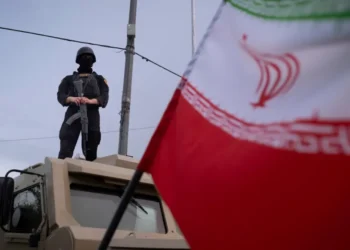 “Double Trauma”: Iranian Activist Tells BBC How Fear of War Intensifies the ‘National Security’ Weight of Repression
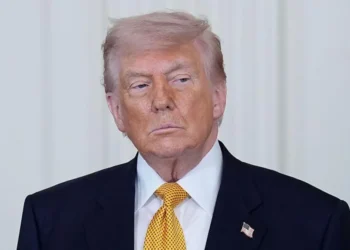 “Hold Off”: Trump Pauses ‘Scheduled’ Strike After 11th-Hour Appeal From Gulf Allies
 Former ICC prosecutor condemns US sanctions
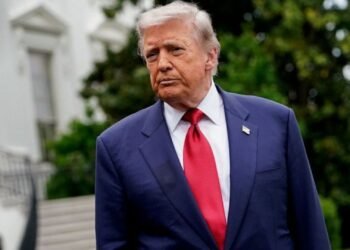 Trump Claims Iran Peace Deal Near Completion
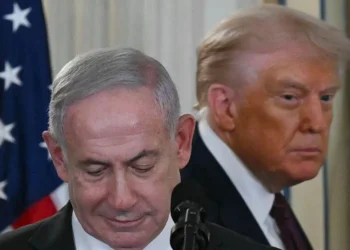 Trump-Netanyahu Call Fuels Iran Talk Crisis
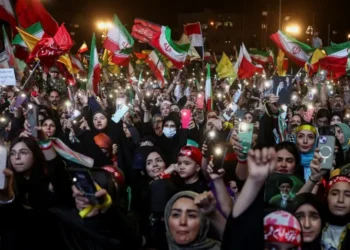 Israel Strikes Iran After Missile Attack
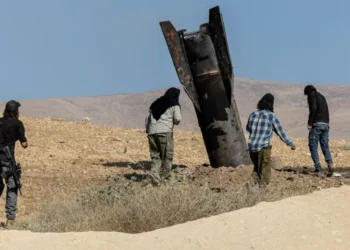 Iran and Israel Pause Strikes but Warn Retaliation Will Follow Any New Breach
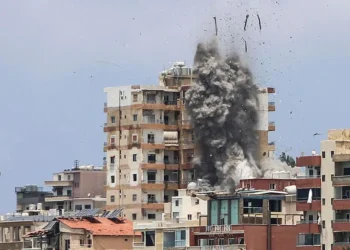 Israeli Air Strikes Hit Tyre as Regional Tensions Escalate After Iranian Warning
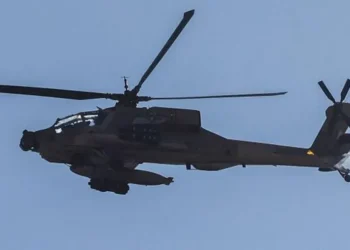 US Launches Strikes on Iran After Military Helicopter Downed Near Strait of Hormuz
 Efforts to Reshape Middle East Risk Creating Long-Term Regional Crisis, Analysts Warn
 Three Indian Sailors Killed in US Strike on Tanker Near Oman as US–Iran Conflict Escalates
 First Round of US-Iran Talks Ends With ‘Encouraging Progress’, Mediators Say
 Trump’s Hormuz U-Turn Raises Doubts Over Iran Strategy
 Iranian Airport and Bridges Hit as US Forces Board Ship Amid Ports Blockade