Published: 20 July 2026 | The English Chronicle Desk | The English Chronicle Online
Canada’s dairy industry has become a major focus of renewed trade tensions with the United States, with President Donald Trump criticising the country’s agricultural policies and warning that sectors protected by Canadian trade rules could face pressure in future negotiations.
The dispute highlights a long-running disagreement between Washington and Ottawa over Canada’s dairy supply management system, which controls production levels, prices and imports to protect domestic farmers.
While Canadian officials argue that the system supports thousands of farming families and ensures stability in the industry, US trade representatives have repeatedly claimed that it restricts American producers from accessing the Canadian market.
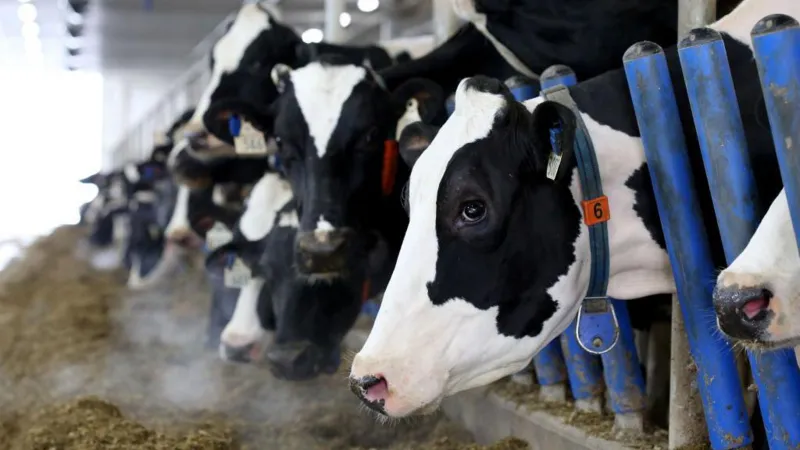
Canada’s dairy sector is one of the country’s most influential agricultural industries.
The industry includes thousands of dairy farms, processing companies and related businesses that contribute significantly to rural economies.
Dairy farming has a particularly strong presence in provinces such as Quebec and Ontario, where many family-owned farms have operated for generations.

Supporters of the industry say Canada’s supply management system provides farmers with predictable incomes and protects domestic food production.
President Trump has frequently criticised Canada’s dairy policies, arguing that they create unfair conditions for American farmers.
The US dairy industry has long complained that Canada’s restrictions on imports limit opportunities for US producers to sell products such as milk, cheese and butter across the border.
Trump has described Canada’s trade practices as unfair and has pushed for greater access for American agricultural products.
The dairy dispute has become one of several issues affecting the wider trade relationship between the two neighbouring countries.
Canada’s dairy industry operates under a supply management model designed to balance production, pricing and imports.
The system uses production quotas to control how much milk is produced, while tariffs are placed on some imported dairy products.
Canadian farmers argue that the approach prevents major price swings and provides stability compared with markets where producers can experience significant fluctuations.
Critics, including some US officials, argue that the system limits competition and increases costs for consumers.
Canadian dairy farmers have strongly defended supply management, saying it is essential for the survival of family farms.
They argue that without protection from unpredictable global markets, many smaller farms could struggle to compete with larger international producers.
Industry groups say the system allows farmers to invest in their operations, maintain high production standards and support rural communities.
They have warned that major changes could threaten livelihoods and weaken Canada’s domestic agricultural sector.
American dairy producers have welcomed pressure from Washington for changes to Canada’s policies.
They argue that US farmers produce high-quality dairy products and should have greater opportunities to compete in the Canadian market.
Trade groups in the United States say restrictions imposed by Canada reduce potential exports and limit economic opportunities for American producers.
The issue has remained a frequent topic in negotiations between the two countries.
The disagreement over dairy is not new.
Dairy trade has been a recurring issue in negotiations between Canada and the United States for decades.
Previous agreements, including major North American trade deals, have included discussions about market access and agricultural protections.
Although compromises have been reached in the past, the issue continues to create tensions.
The dairy dispute comes as Canada and the United States manage a broader and complex economic relationship.
The two countries are among each other’s largest trading partners, with billions of dollars in goods and services exchanged every year.
Trade conflicts in one sector can sometimes create pressure in other areas, particularly when political leaders use tariffs or negotiations as leverage.
Businesses on both sides of the border are closely watching developments.
The issue also carries domestic political significance in Canada.
Canadian governments have historically been cautious about changing dairy protections because of the sector’s importance in key farming regions.
Political leaders face pressure from both farmers who want protections maintained and consumers who argue that increased competition could reduce prices.
Finding a balance between those interests remains a challenge.
The outcome of the dispute could affect consumers in both countries.
Changes to import rules or tariffs could influence the availability and price of certain dairy products.
However, experts say the impact would depend on the details of any future agreement.
Trade policy decisions often involve balancing the interests of producers, businesses and consumers.

Canada’s dairy sector remains firmly in the spotlight as Donald Trump continues to push for changes to trade arrangements.
For Canadian farmers, the debate is about protecting a system that has supported their industry for decades.
For US producers, it represents a push for greater access to a valuable neighbouring market.
As negotiations continue, the dairy dispute is likely to remain one of the most sensitive issues in US-Canada trade relations.
The outcome could shape not only the future of North American agriculture but also the broader economic partnership between two closely connected countries.
Related News:
 Canada-China trade gains momentum in new strategic partnership
 Live Markets Bet on Spring Rate Cut as Inflation Falls
 The Two Farms in Senegal That Supply Many of the UK’s Vegetables
 ‘We’re Still on Edge’: Toy Firms Look to US Supreme Court as Tariffs Hit Profits
 Uncertainties Loom for Businesses and Consumers After Trump’s Tariff Changes
 Trump Announces Global Tariffs to Rise to 15%
 ‘Hard to Keep Lights On’: Business Owners Cautiously Welcome Tariff Ruling
 Canada Eyes Trade Talks After US Supreme Court Tosses Trump Tariffs
 US Will Not Back Out of Tariff Deals with UK and Others, Says Trump Trade Representative
 Trump’s tariff strategy collapse sows global chaos and confusion
 What Tariffs Has Trump Introduced and Why?
 Canada Says U.S. Unlikely to Lift Tariffs Amid Ongoing Trade Tensions
 Canada’s Finance Minister Says US Unlikely to Lift Tariffs
 Why Asian Firms Are Not Cheering Trump Tariff Ruling
 Why Asian Firms Are Not Cheering Trump Tariff Ruling
 India and Canada Seal Series of Deals as Carney and Modi Reset Ties
 Tehran Makes New Threat to Gulf Shipping as US Says ‘Hardest Hits’ on Iran ‘Yet to Come’
 India and Canada Reset Ties with Landmark Nuclear Energy Deal
 China Exports Surge Despite Trump Tariffs
 US Launches Probe into Trading Partners Including EU, China, and India
 Gas on the Line: Will the Iran War Squeeze India’s Piped Gas Next?
 Why the Expected Fight Over the North American Trade Deal Never Materialised
 Canada Signs Major Deal for 12 German Submarines
 Chinese Company Seeks Compensation Following British Steel Nationalisation
 Trump Tariffs Could Cut Northern Ireland Exports to the US by 15%, Research Suggests
 Post Office Scandal Compensation Tops £1 Billion as Victims Finally See Justice
 UK House Price Growth Slows as Buyers Exercise Caution Ahead of Autumn Budget
 Reeves Faces Setback as Labour May Miss Homes Target
 Trump’s UK Ambassador Urges North Sea Drilling to Strengthen US Ties
 Ryanair Chief UK Economy ‘Doomed’ Under Labour
 M&S Profits More Than Halve After Cyber-Attack
 Millionaires group urge Reeves to introduce wealth tax to ‘lift kids out of poverty’
 From Lego to Pokémon: How Adults Are Driving UK Toy Market Growth
 Starmer Says Labour’s Economic Plan Needs Years to Deliver
 Historic £100-Weekly Pension Boost Brings Relief for UK Mineworkers
 US Dollar Hits Four-Year Low Amid Market Turmoil
 Major UK Clothing Firm Collapses into Administration — 109 Jobs at Risk
 Is Dining Out Dying Out?
 Could Manchester Lead the UK’s Economic Revival?
 Lloyds Boss Accepts Concern Over Use of Staff Data in Pay Talks
 AI Coding Firm’s ‘Pride’ at Business Award Win
 UK Job Vacancies Hit Five-Year Pandemic Low
 UK Youth Unemployment Surges Amid Tax Changes
 Oil Prices Surge Above $100 Amid Iran War
 ‘Heating Oil Suppliers Are Holding Us to Ransom’ as Prices and Cancellations Surge
 Sri Lanka Sets Weekly Shutdown to Save Fuel
 Charity Watchdog Takes Control of Learning Disability Care Home
 The 8 Million Dilemma: Why Britain’s Disability Safety Net is Facing a ‘2026 Reckoning’
 Russia: The Unforeseen Winner of the Iran Conflict
 National Treasure: Raja Ravi Varma Masterpiece Smashes Indian Art Record with $17.9m Sale
 New UK Farm Inheritance Tax Rule Will Cause ‘Significant Challenges’, Say Accountants
 Oil and Diplomacy: Russian Refineries Burn as Zelenskyy Secures Middle East Shield
 Asian Powers Secure Energy Lifelines as Trump’s Hormuz Deadline Looms
 Electric Shock: Australians Buy Record Number of New EVs as Fuel Crisis Bites
 The Great Chokehold: Why the Strait of Hormuz is the Epicenter of the 2026 Crisis
 Green Light for Britain’s Electric Future in Somerset
 The Waiting Ward: ‘Month of Worry’ as Doctor Strikes Trigger Seismic Surgery Delays
 Diplomatic Deadlock: Lebanon Enters High-Stakes Border Talks with ‘No Cards to Play’
 Roadside Reckoning: Nearly 160,000 Uninsured Vehicles Seized in National Crackdown
 The Fog of War and the Ticker Tape: Suspicious Trades Rile Washington
 ‘A Fragile Calm’: Oil Prices Dip as Trump Extends Iran Ceasefire, But Blockade Holds Firm
 Lords Demand Larger Fiscal Buffers for UK
 US to Escort Trapped Ships Through the Strait of Hormuz
 UK Electric Car Sales Surge Amid Rising Iran Conflict Fears
 US Awaits Iran Reply on New Ceasefire Proposal
 High Street Crisis: Fears Grow Over Post Office Closures
 Belfast Approves Pilot Extension of Sunday Trading Hours
 Trump Approves $700m Coal Industry Investment
 Widow Distressed by Nine-Month Delay to Husband’s Pension Payment
 SpaceX Market “Blast-Off” Could Mark Elon Musk’s Biggest Financial Gamble Yet
 UK Economy Suffers a Sharp Downturn as Iran Conflict Bites
 UK Job Vacancies Hit Five-Year Low as Wage Pressures Persist
 Elizabeth Warren Warns Corporate Mergers Could Be Reversed
 UK Households Suffer Squeeze As Disposable Incomes Drop
 Former Employee Alleges Sexual Assault by Business Founder as Investigation Draws Attention
 UK Property Prices Stagnate Amid Growing Fears of Summer Slump
 Burnham Promises Relief on Cost of Living Crisis
 Accessible Travel Could Unlock £176bn for UK Economy
 Creditors Eye Thames Water Even Under Nationalisation
 Heating Oil Customers Win Up to £350 in Compensation