Published: 23th July ‘2025. the English Chronicle Desk.
the English Chronicle Online.
A serious health risk is becoming increasingly apparent among women in South and Southeast Asia, including Bangladesh—cervical cancer. According to recent data from the World Health Organization (WHO), this disease is the second leading cause of cancer-related death among women in Bangladesh. The number of women affected by this disease is increasing at an alarming rate not only in Bangladesh, but also throughout the region, including India, Nepal, Myanmar, and Pakistan. Behind this is a lack of awareness, limitations in vaccination programs, social prejudice, and a shortage of medical services.
According to experts, the main cause of cervical cancer is human papillomavirus or HPV infection, which is transmitted through sexual contact. In many cases, the infection of this virus remains silent in the body and gradually turns into cancer. Although the prevalence of this virus among women in Bangladesh is relatively high, most women do not know that they are at risk. Many ignore physical symptoms or delay seeking treatment due to shame and prejudice.

According to the Bangladesh Cancer Society, about 12,000 women in the country are affected by cervical cancer every year and about 7,000 women die from this disease. The Department of Health estimates that this number may be higher because many patients in remote areas of the country are not registered. The death rate from cervical cancer in South Asia is 12-17 per 100,000 women, while in the developed world this rate is only 2-3.
About 123,000 women are infected with the disease every year in India, and more than 67,000 women die from it. This region accounts for about one-third of cervical cancer cases worldwide. A 2024 report by the World Health Organization says that cervical cancer is responsible for about 20 percent of cancer-related deaths among women in Asia overall.
There are some other structural problems behind this worrying situation. Many women in Bangladesh still do not know that this disease is preventable. Although the HPV vaccine has been proven effective worldwide, the vaccination program is running on a limited scale. School-based vaccination started in 2023 under the government initiative, but it has not reached all areas of the country. Awareness and acceptance of this vaccine among rural and disadvantaged women is very low.
In addition, apathy in using screening methods—such as VIA (Visual Inspection with Acetic Acid) or Pap test—, financial problems, and lack of trained nurses or doctors have become major barriers to diagnosis. Most women seek treatment only when the disease reaches its final stages.
Experts say that the most effective way to detect and prevent cancer is to raise awareness, regular screening, and universal use of HPV vaccination. Educating women on this topic from school level, eliminating social prejudices, and implementing free vaccination programs at the community level is the need of the hour.
Cervical cancer is a disease that is preventable and completely curable if caught in the early stages. But a culture of giving importance to women’s health has not yet been developed in a country like Bangladesh. Society, the state, and the family must work together, respect women’s rights and health, and move forward through awareness-raising and health-friendly programs.
The time is now. Otherwise, hundreds of more women will die a silent, preventable death every day.. The time is now. Otherwise, hundreds of more women will die a silent, preventable death every day.
It is noteworthy that if the World Health Organization (WHO) and international development agencies were to take a more active and participatory approach to addressing this crisis, poor and vulnerable women in Asia, including Bangladesh, could overcome the financial crisis and receive the necessary vaccination, screening and treatment benefits. While the disease is currently on the verge of being eradicated in developed countries, women in the developing world still have to struggle with health, social and economic constraints.
If a comprehensive and long-term support program is implemented under the leadership of the World Health Organization, such as free distribution of HPV vaccines, funding for national screening programs, training of local health workers and technical assistance for cancer treatment centres, it is possible to save the lives of millions of women.
The fight against this disease is not just a health problem—it is a fight for women’s rights, dignity and future. The combined efforts of the World Health Organization, the United Nations, UNFPA and international donor agencies can be the most effective tool to overcome this darkness.
the English Chronicle Online.
Related News:
 NHS Resident Doctors Vote for Strike Action Amid Escalating Pay Dispute
 Ageless Energy: How Life After 40 Is Sparking a New Era of Vitality and Innovation
 NHS Under Pressure: Waiting Times Soar as Staffing Crisis Deepens
 Labour Faces Standoff as NHS Strike Exposes Deeper Crisis
 NHS Braces for New Wave of Disruption as Resident Doctors Begin Five-Day Strike Across England
 Tiny Moves, Big Gains: The Micro-Exercises That Match a 20-Minute Walk in Impact
 Justin Timberlake Shares His Lyme Diagnosis and the Strain of Performing Through Illness
 UK Launches World-First Gonorrhoea Vaccine Amid Record Infection Surge
 ‘I’m Trying to Cut Down My Alcohol Intake and This 99p Low-Calorie Drink Converted Me’
 Woman Warned She Might Need Leg Amputation to Survive After Liquid Brazilian Butt Lift
 It’s Thanks to Gabby That I Caught My Prostate Cancer in Time’ – Kenny Logan Opens Up on His Battle and His Mission to Save Lives
 AI Tools Used by English Councils Found to Downplay Women’s Health Issues, Raising Concerns Over Gender Bias in Care
 Cats Develop Dementia Similarly to Humans, Study Finds
 Money Problem: ‘My husband is freelance and in hospital – how can I make sure we don’t lose our home?’
 Appalling Rise in Pharmacy Crimes: Staff Face Increasing Theft and Aggression
 Alarming rise in abusive teen relationships in the UK sparks urgent warnings
 Learner Drivers to Face CPR and Defibrillator Questions in New Theory Tests
 Inquest Finds Agency Worker Failings Led to Unlawful Death of Vulnerable 14-Year-Old
 UK Patients Face Steep Price Rise for Weight-Loss Drug Mounjaro
 Shocking Rise in Children’s Exposure to Violent Online Pornography Raises Alarm
 Compulsory Period Education for Boys and Girls Urged by New Study
 Can Hot Yoga Unlock a Healthier Midlife? One Man’s Journey from Scepticism to Transformation
 Calls Grow for a Complete Ban on Smacking as Public Opinion Shifts
 Baby Food Manufacturers Given 18 Months to Improve Nutrition and Labelling
 Costa Blanca Holiday Horror as Food Poisoning Outbreak Hits Four-Star Hotel
 ‘REAL DANGER’: Stark Fresher’s Flu Warning After 23-Year-Old Student, Who Woke Up With Sore Throat, Loses All Four Limbs
 England Plans Ban on Energy Drinks for Under-16s Amid Health Concerns
 Why E-Bikes and E-Scooters Are Making Streets a ‘Nightmare’ for Blind People
 Millions in the UK at Higher Risk of Heart Failure and Stroke Due to Air Pollution, Study Warns
 Norfolk Hospital Ranked Worst in England as NHS League Tables Return
 NHS Trials £100 Blood Test That Could Revolutionise Alzheimer’s Diagnosis
 More Than Half of UK Births Now Involve Medical Intervention
 UK Graduates in Healthcare Report Highest Satisfaction with Degree Choices
 Labour Urged to Launch National Occupational Health Service to Tackle Worklessness
 NHS ‘Toxic Culture’ Risks Harm to Mothers and Babies, Health Leader Warns
UK Doctors Guilty of Sexual Misconduct Continue Practising Amid Weak Sanctions, Research Finds
NHS ‘Toxic Culture’ Risks Harm to Mothers and Babies, Health Leader Warns
UK Doctors Guilty of Sexual Misconduct Continue Practising Amid Weak Sanctions, Research Finds
 Heavy Drinkers Lead Growth in Non-Alcoholic and Low-Alcohol Market
 Omeprazole Alert: NHS Issues Guidance on Safe Use for Heartburn and Indigestion
 Starmer Unveils Plan for NHS “Online Hospital” to Tackle Waiting Lists
 Tragic Death Strikes Half-Marathon in Stoke-on-Trent: Runner Dies Shortly After Crossing Finish Line
 Eligibility Confusion Over COVID Vaccination Leaves Pharmacies Struggling Across the UK
 Majority of UK Men Would Opt for Prostate Cancer Screening, Survey Finds
 Scientists Announce First Potentially Accurate Blood Test for Chronic Fatigue Syndrome
 Survey Shows Most GPs Rushing Appointments
 Ambulance Worker Fired After Flinging Amputee from Wheelchair and Offering Bribe
 Women Challenge Meta Over Targeted Ads After Miscarriage
 Mum’s Final Wish: Donating Her Body to Science
 Genetic Tests May Predict Return of Blood Cancer
 UK Woman Becomes Longest Survivor of Heart-Lung Transplant
£18 Prostate Cancer Test Could Save Thousands of Lives
UK Woman Becomes Longest Survivor of Heart-Lung Transplant
£18 Prostate Cancer Test Could Save Thousands of Lives
 Thousands in the UK sue Johnson & Johnson over alleged talcum powder, linked to cancer
 Pregnant Women in England Face Rising Risk of Severe Birth Injury
 ‘Game-Changing’ HIV Prevention Jab Set for NHS Approval
 One in 12 Secondary Pupils Sent to Isolation Weekly
 UK Health Leaders Push for Urgent Tobacco & Vape Bill
 Man Trapped in Quicksand Rescued in Dramatic Coastal Rescue
 Marie Curie Launches End-of-Life Checklist to Ease Stress
 Hospice Cuts Raise Alarm Across England Amid Funding Crisis
 Celebrities and Charities Demand UK Government Act on Child Poverty
 Experts Warn on Home Birth Risks, Call for Skilled Midwives
 London’s Childlessness Crisis: Schools Closing as Families Shrink
 Seven Conditions That Automatically Qualify You for a Free Bus Pass
 Leading doctors issue warning amid ‘bad’ flu season
 Working-Class Men with Prostate Cancer Left Behind by NHS
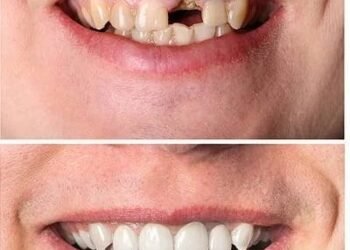 From Baby Teeth to Bioengineering: The Future of Self-Healing Teeth
 107-Year-Old Veteran Credits Whiskey for Longevity
 UK launches major AI drive to fight deadly superbugs
 ‘Traumatic Wait’: Northern Ireland Women Face Breast Cancer Delays
 Healthy Habits in Your 30s That Boost Life in Your 70s
 Woman Meets Boy Whose Life She Saved with Kidney
 Scottish Families Take Legal Action Over School CO Leak
 Welsh Government Christmas 2020 Lockdown Criticised
 Coffins Now Too Large to Cremate Amid Rising Obesity Crisis
 NHS paediatric leave parents waiting months for answers
 Vicki Fears Losing Motability Car
 Delhi’s Toxic Air Crisis Leaves Children Sick and Vulnerable
 Fibromyalgia Patients Struggle as NHS Fails to Provide Care
 “Enough is Enough”: Local MP Vows to Fight Rainham Quarry Plans
 Breast Density Awareness May Cause Unnecessary Anxiety, Study Finds
 GPs Failing Frail Elderly: Only 1 in 6 Assessed – NAO