Published: 11 April 2026.The English Chronicle Desk.The English Chronicle Online
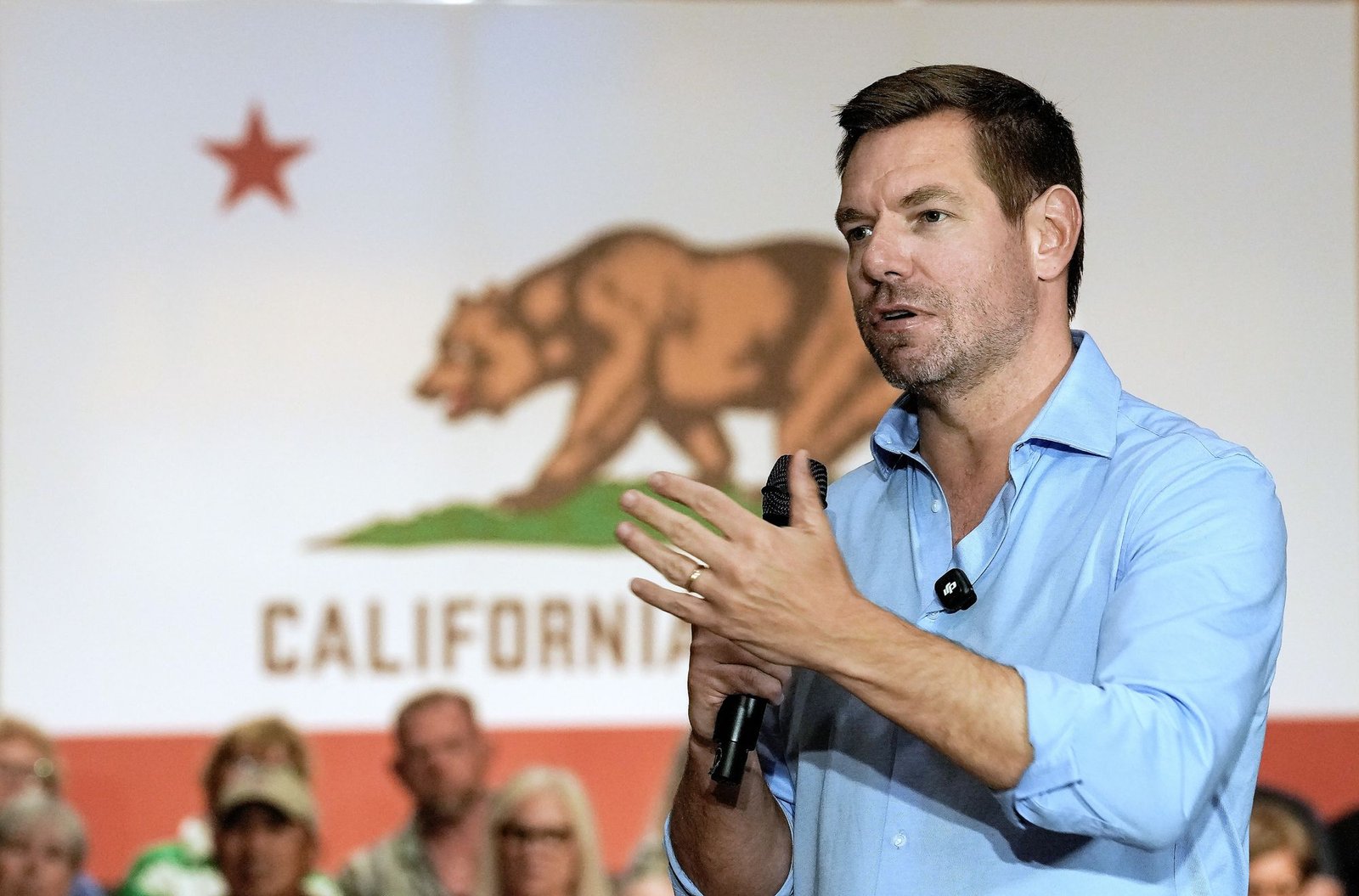
The campaign of Eric Swalwell to become California’s next governor has been thrown into crisis after multiple women accused the congressman of sexual assault and misconduct, triggering calls from senior Democrats for him to withdraw from the race and resign from Congress. The allegations, reported by major US media outlets, have rapidly reshaped the political landscape in one of the country’s most closely watched gubernatorial contests, placing intense pressure on the long-serving lawmaker as allies distance themselves and investigations loom.
The controversy emerged after a former staff member accused Swalwell of sexual assault, alleging that he engaged in non-consensual sexual activity while she was intoxicated. The woman described incidents that she claimed occurred during and after her employment, stating that she was unable to give consent due to her condition. Swalwell has strongly denied the allegations, describing them as false and politically motivated. Nevertheless, the claims prompted additional accusations from three other women, who alleged various forms of sexual misconduct, including inappropriate communication and behaviour.

The developments triggered an immediate political backlash. Several senior Democratic figures publicly called for Swalwell to end his campaign in order to allow a full and independent investigation into the allegations. Among those urging him to withdraw were Nancy Pelosi, Adam Schiff, Alex Padilla and Hakeem Jeffries. Their statements emphasised the importance of accountability and transparency, stressing that allegations of sexual misconduct must be treated with seriousness regardless of political position or party affiliation.
Swalwell’s fellow gubernatorial candidate Katie Porter also called for him to resign from Congress and abandon his bid for governor, stating that the allegations must be investigated thoroughly and that the women involved deserve the opportunity to pursue justice. Porter emphasised that stepping away from public office does not absolve individuals of responsibility, but it may allow investigations to proceed without political influence.
California’s political leadership responded cautiously but firmly. Gavin Newsom, the current governor widely expected to pursue national office in the future, described the allegations as deeply troubling and stressed the need for a comprehensive review of the claims. Meanwhile, the state’s lieutenant governor, Eleni Kounalakis, joined calls urging Swalwell to withdraw from the race.
The political fallout extended beyond elected officials to include organisations that had previously supported Swalwell’s candidacy. The influential California Teachers Association announced that it was suspending its endorsement, citing the seriousness of the allegations. Campaign staff departures further weakened the candidate’s political standing, including the resignation of senior campaign leadership figures who stated that the accusations raised grave concerns that must be addressed transparently.
Public reaction has been amplified by social media activism, including commentary from political influencer Cheyenne Hunt, who said the allegations marked a turning point in the campaign. Hunt described the claims as potentially the first of several accusations that could emerge, reflecting growing public scrutiny of political leaders accused of misconduct.
The unfolding controversy has complicated an already competitive race to succeed Newsom as governor of California. The state’s primary system allows candidates from all parties to compete in a single ballot, with the top two vote-getters advancing to the general election regardless of party affiliation. Political analysts note that the fragmentation of support among multiple Democratic candidates could influence the final outcome, potentially reshaping the political balance of one of the United States’ most influential states.
Swalwell has maintained that the allegations are untrue and has indicated that he intends to defend himself through legal channels if necessary. In public statements, he emphasised his record as a prosecutor and congressman, asserting that he has consistently supported policies aimed at protecting women and preventing abuse. Despite these claims, critics argue that the seriousness of the allegations requires impartial investigation before voters can fully assess the situation.
The broader political context has drawn attention to the challenges parties face when addressing allegations against prominent members. Observers note that calls for accountability reflect evolving expectations among voters regarding transparency, ethics, and leadership conduct. Many Democratic leaders emphasised that the party must demonstrate consistency in its response to allegations of misconduct, regardless of political consequences.
At the same time, legal experts highlight the importance of due process and the presumption of innocence, noting that allegations alone do not constitute proof of wrongdoing. Investigations by appropriate authorities will ultimately determine the credibility of the claims and any potential legal implications.

The controversy has also intersected with wider political developments across the United States, including debates about accountability in public office and the role of media reporting in shaping electoral dynamics. Analysts say such cases often influence public trust in political institutions and may affect voter turnout and engagement.
As the situation continues to develop, the future of Swalwell’s political career remains uncertain. The coming weeks are likely to determine whether he continues his campaign or withdraws under mounting pressure from colleagues and supporters. The case has already underscored the significant impact allegations of misconduct can have on electoral politics, particularly in high-profile contests involving senior office holders.
The unfolding developments are expected to remain a major focus in US political discourse, reflecting broader societal conversations about accountability, transparency, and ethical leadership. With investigations likely to continue, both supporters and critics await further information that may clarify the facts surrounding the accusations.
Related News:
 Harmeet Dhillon Faces Scrutiny in DOJ Role Debate
 US judge dismisses Kilmar Abrego Garcia indictment
 Gunman Killed After White House Security Shootout
 It’s time to come clean on the China spy case
 French Taxi Driver Cleared in David Lammy Theft Case After Fare Dispute
 Met Police Culture Makes Racial Harm ‘Inevitable’
 Remaining rebel Labour MPs have whip restored
 South African Detained After Neo-Nazi Rally in Australia
 Trump Signs Bill Releasing Justice Department Files on Epstein
 Trump Slams Democrats With ‘Seditious’ Death Claim
 US National Guard Member Killed in DC Shooting
 Trump to pause migration from ‘third-world countries’
 Franklin Turtle, Sabrina Carpenter Slam US Social Media Use
 Trump officials continue false claims after Alex Pretti shooting
 Files Link Andrew to Epstein Dinner After Prison Release
 Partial US Government Shutdown Hits Homeland Security Funding
 Thousands Protest ICE Operations in Nationwide US Day of Action
 Melania Trump Epstein remarks spark survivor backlash
 Mass Arrests at London Palestine Protest Spark Debate
 Trump at Press Dinner Sparks Tension
 US Labor Department in turmoil after secretary resigns
 Trump DOJ Targets James Comey Again
 Judge Blocks Trump Bid for Arizona Voter Data
 US Court Weighs Fate of TPS for Migrants
 Florida Redistricting Map Sparks Major US Political Battle
 US Voting Rights Ruling Sparks Celebration and Outcry
 FBI Links Brown University Shooting to Long-Term Grievances
 US Charges Sinaloa Governor in Major Cartel Case
 US Court Ruling Reshapes Voting Rights Landscape
 Cartel crackdown raises fears of fresh violence
 US states redraw maps after voting rights ruling
 Judge halts deportation of Yemeni refugees in US
 White House Security Case Sparks Political Firestorm
 Trump warns Iran as Middle East tensions surge again
 US Supreme Court fast-tracks Voting Rights ruling
 US ‘Narco Boat’ Strikes Draw Global Outcry
 US Court Restores Abortion Pill Access Temporarily
 Immigration Judges Fear Pressure in Trump Era
 FDA Chaos Deepens as Trump Eyes Makary Exit
 US green card applicants must apply from abroad, DHS says
 Tulsi Gabbard exits after turbulent intelligence tenure
 Trump’s Revenge Drive Deepens GOP Divide
 Former ICC prosecutor condemns US sanctions
 Irish Gangland Figure Fails in Dublin Election Bid
 DeSantis’s ‘Alligator Alcatraz’ Faces Final Shutdown
 Prosecutor Proposes Law to Combat Election Deceit
 Trump Weighs Retreat from Controversial $1.8bn Slush Fund
 Murder Probe Continues After Arrest Release
 Mystery Grows Over Mitch McConnell’s Health
 Trump Refuses to Sign Housing Bill, But Law Takes Effect
 Trump Orders Signs Criticising Smithsonian Museum
 Pradhan Resigns Amid Protests
 Major Rent Reform Ends No-Fault Evictions in England
 Greene Pushes Epstein Files Amid Trump Fallout
 Man Denies Stealing Bronze Age Gold from Museum
 Runaway Driver Caught by DNA Evidence
 ICC to Rule on Duterte’s Provisional Release
 American Mother Extradited From UK to U.S. on Murder Charges
 Australia grants Asio powers to designate hate groups under new laws
 Trump press secretary attacks reporter over ICE question
 Trump Fed bid heads to Supreme Court
 Sinema payment row deepens after $9,000 transfer claim
 Nurses’ families fear breakup under UK immigration crackdown
 Adelaide University Faces Backlash Over Event Cancellation
 Proposed Law Leaves Gap for Children of Convicted Paedophiles
 Utah Woman Found Guilty of Poisoning Husband for Inheritance
 Suspected Plot Targets Pipeline Before Hungary Vote
 Learner Driver Charged After Expo Tragedy
 Crackdown Backfires on UK Climate Protesters
 Trump Defiant After Washington Hotel Shooting
 Identity Revealed: Suspected Washington Gunman Named
 Trump approval plunges amid Iran war fears
 Ohio’s Battle for Trust: Democrats Vying to Flip the Buckeye State
 Afghan Families Left in Limbo Face Risk of Deportation
 US Awaits Iran Reply on New Ceasefire Proposal
 US Courts Back Trump on Park Signage Removals
 Trump’s Mount Rushmore Speech: A Divisive Anniversary
 Ukraine Creates Long-Range Strike Command
 Houthis Strike Saudi Arabia as Middle East Tensions Rise
 Westminster Council Threatens Charing Cross Soup Kitchen